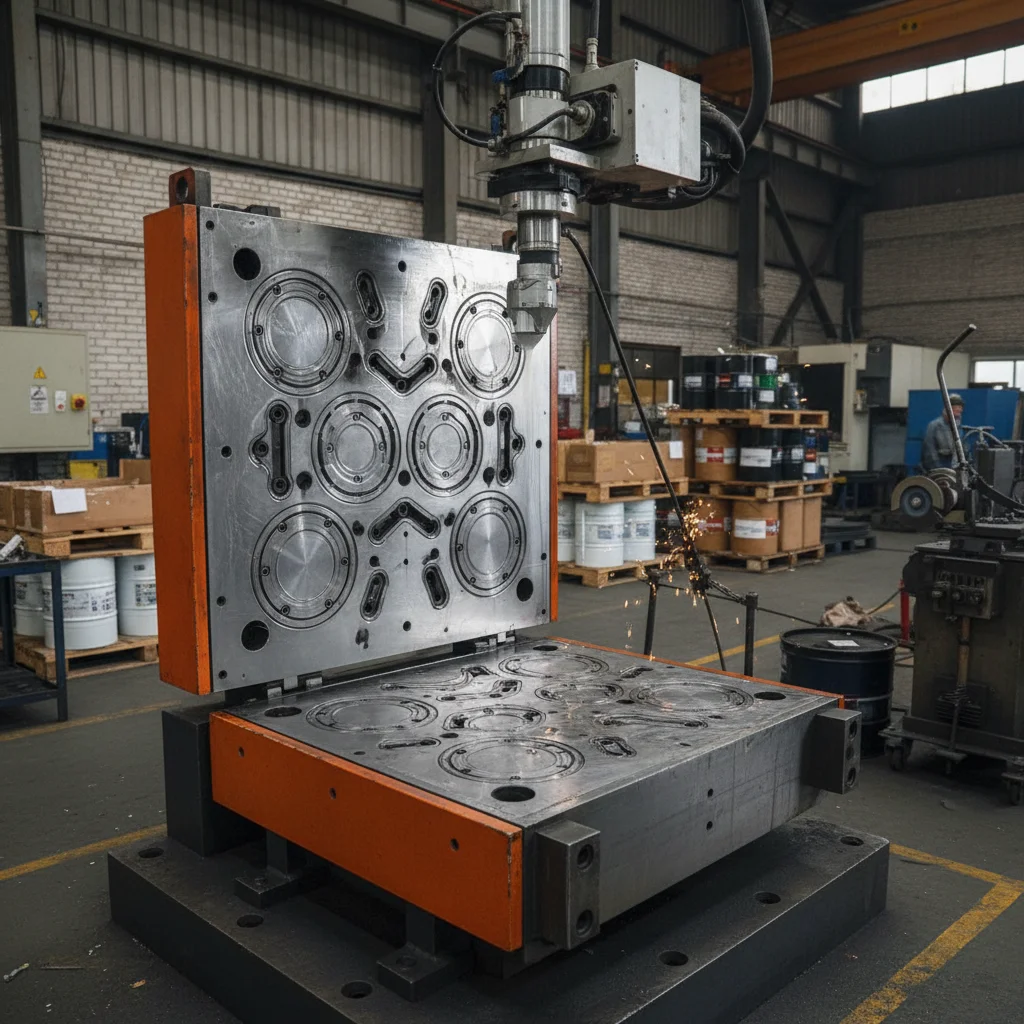
Choosing the Right Two Color Plastic Parts Manufacturer
Selecting a reliable two color plastic parts manufacturer is crucial for the success of your product. The demand for multi-colored plastic components is steadily increasing across industries like automotive, medical devices, and consumer electronics. This article explores the key considerations when choosing a manufacturer, the benefits of two-color molding, the materials commonly used, quality control processes, and why YTLSR Mold stands out as a trusted partner. Finding the right manufacturer ensures quality, efficiency, and cost-effectiveness.
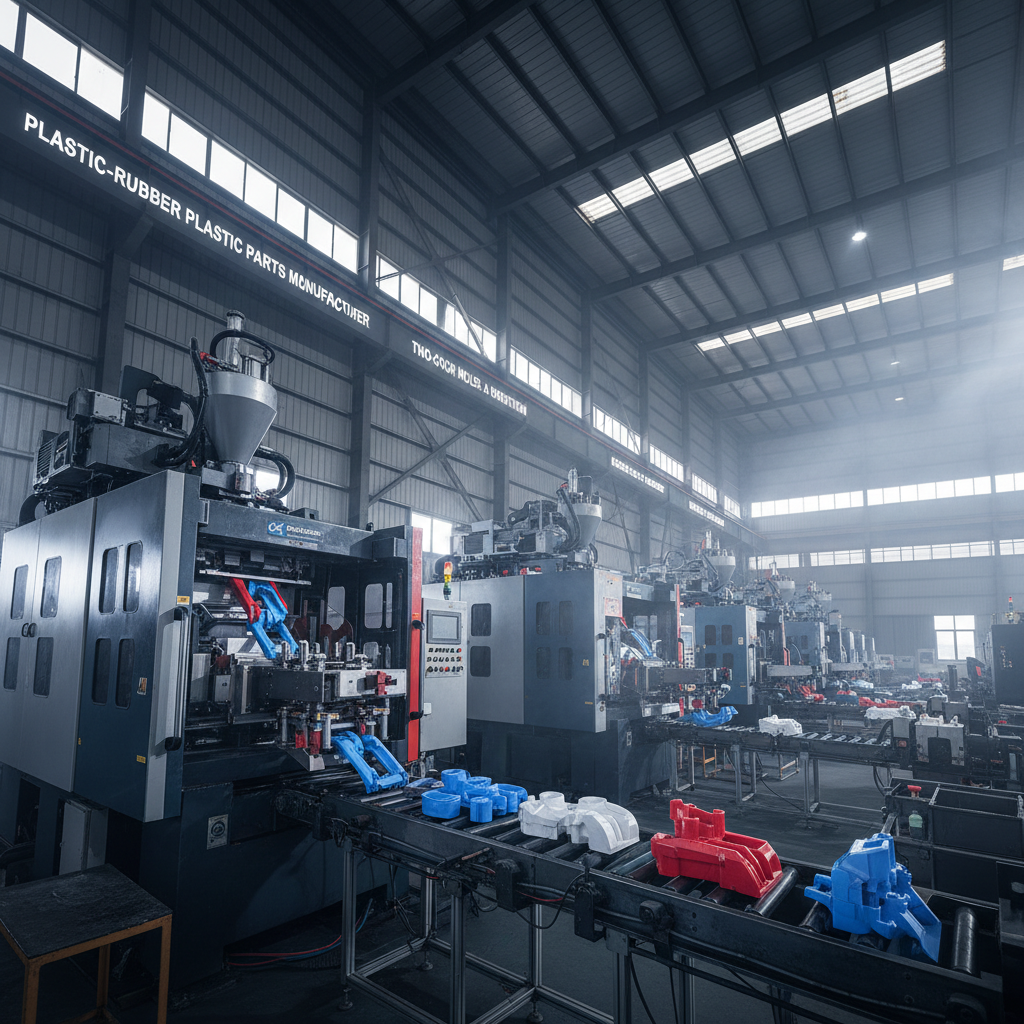
Understanding Two-Color Molding
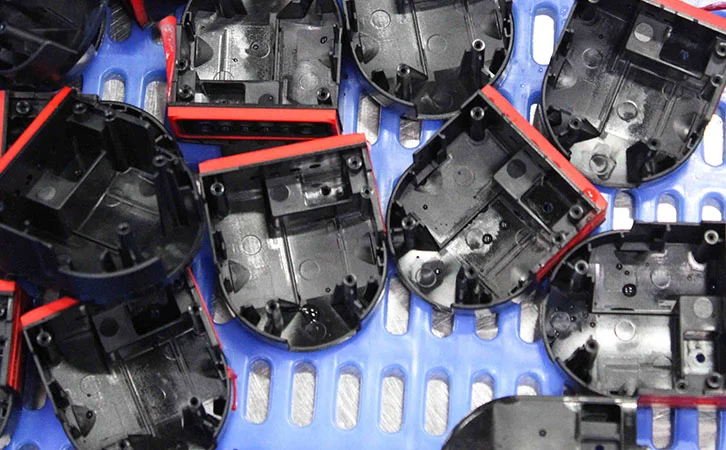
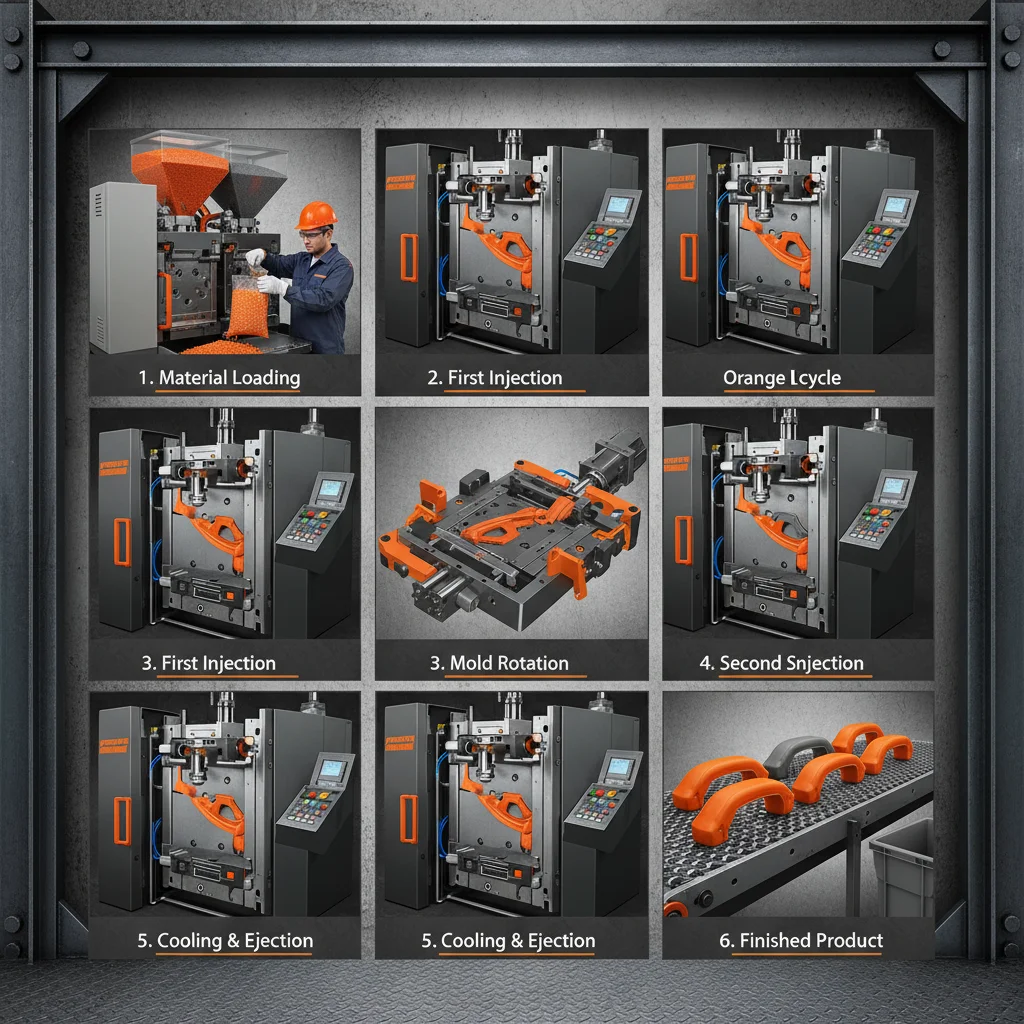
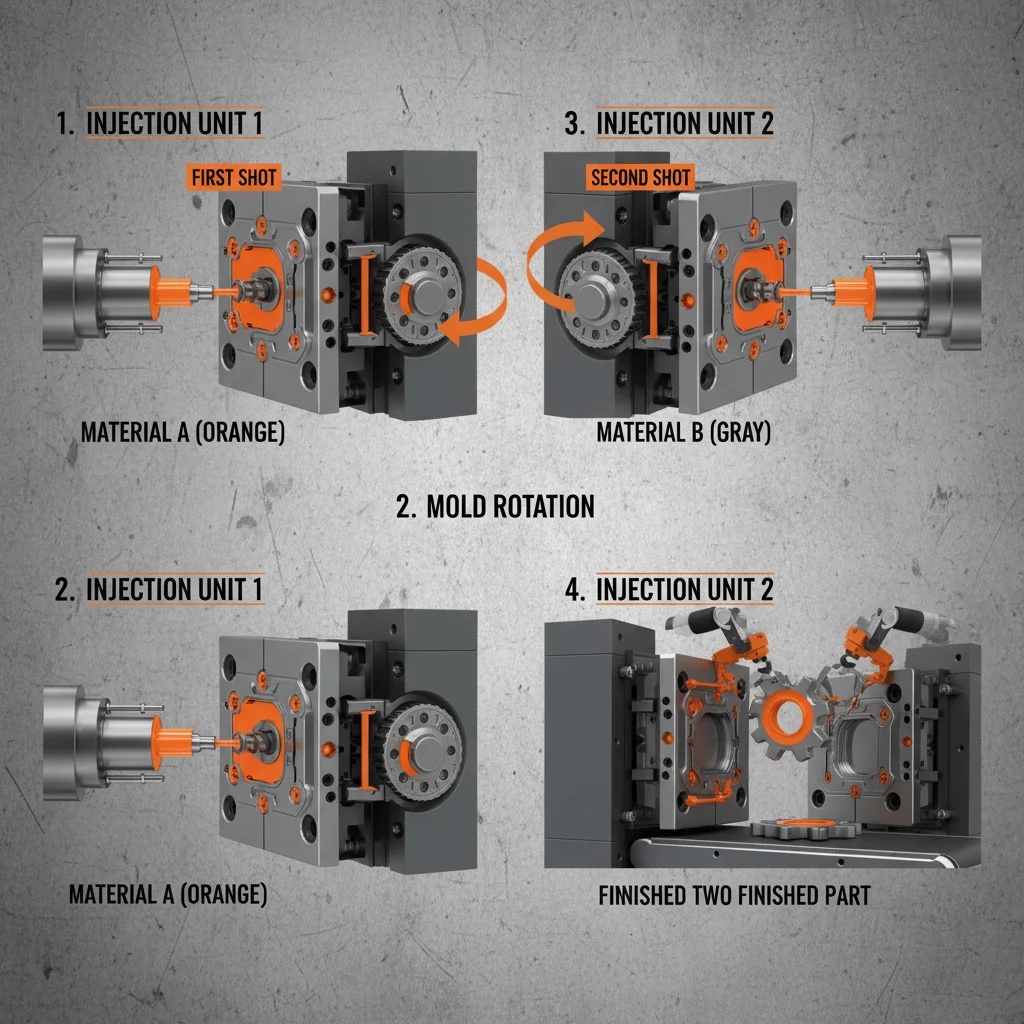
Two-color molding, also known as overmolding, is a manufacturing process that combines two different plastic materials into a single finished product. This technique offers several advantages, including improved aesthetics, enhanced functionality, and cost savings. It's particularly useful when you need a soft-touch grip, a watertight seal, or a multi-colored design. The process typically involves molding the first layer, then rotating the mold to inject the second material, creating a seamless bond between the two components. This provides a product with distinct colors and textures.
Key Benefits: Enhanced aesthetics, improved functionality, cost-effectiveness, and design flexibility.
Materials Commonly Used in Two-Color Molding
The choice of materials is critical for successful two-color molding. Common materials include Polypropylene (PP), Acrylonitrile Butadiene Styrene (ABS), Polycarbonate (PC), Thermoplastic Polyurethane (TPU), and Thermoplastic Elastomers (TPE). TPU and TPE are frequently used for soft-touch grips or seals, while ABS and PC provide rigidity and durability. Compatibility between the two materials is essential to ensure a strong bond and prevent delamination. A reputable two color plastic parts manufacturer will advise on the best material combinations for your specific application.
Material Considerations:
• Compatibility: Ensure materials bond effectively.
• Hardness: Select appropriate hardness for each component.
• Temperature Resistance: Consider operating temperature requirements.
• Chemical Resistance: Evaluate exposure to chemicals.
Key Factors to Consider When Choosing a Two Color Plastic Parts Manufacturer
Choosing the right manufacturer is paramount. Look for a company with extensive experience in two-color molding, a robust quality control system, and the ability to handle your project's complexity. Consider their capabilities in mold design and fabrication, material expertise, and production capacity. Communication and responsiveness are also vital. A good manufacturer will work closely with you throughout the entire process, from design to production and delivery. They should also offer competitive pricing and adhere to strict quality standards.
Quality Control Processes
A robust quality control process is non-negotiable. This includes inspecting raw materials, monitoring the molding process, and conducting thorough inspections of finished products. Common quality control techniques include visual inspection, dimensional measurements, and functional testing. A reliable manufacturer will have a documented quality management system and be willing to provide Certificates of Analysis (COAs) for materials and finished parts. At YTLSR Mold, we prioritize quality at every stage of production.
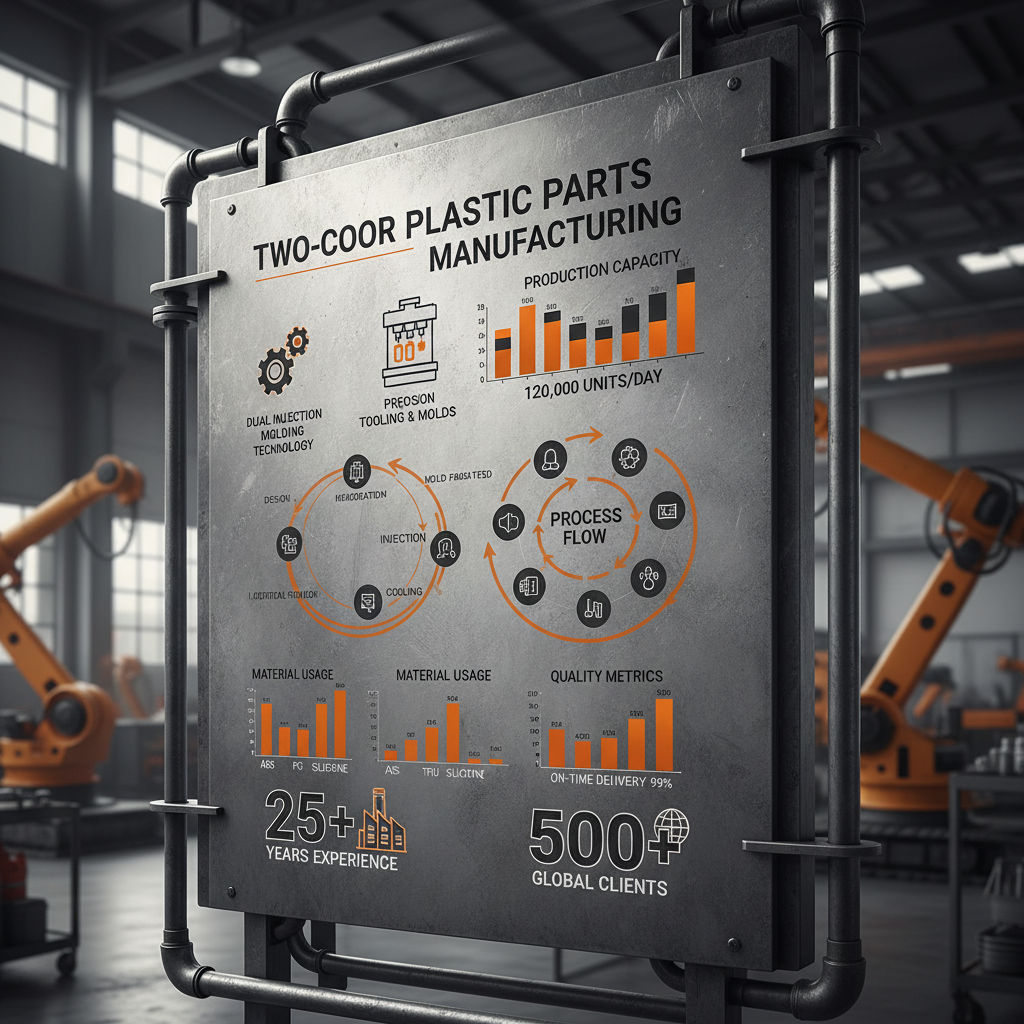
Why Choose YTLSR Mold?
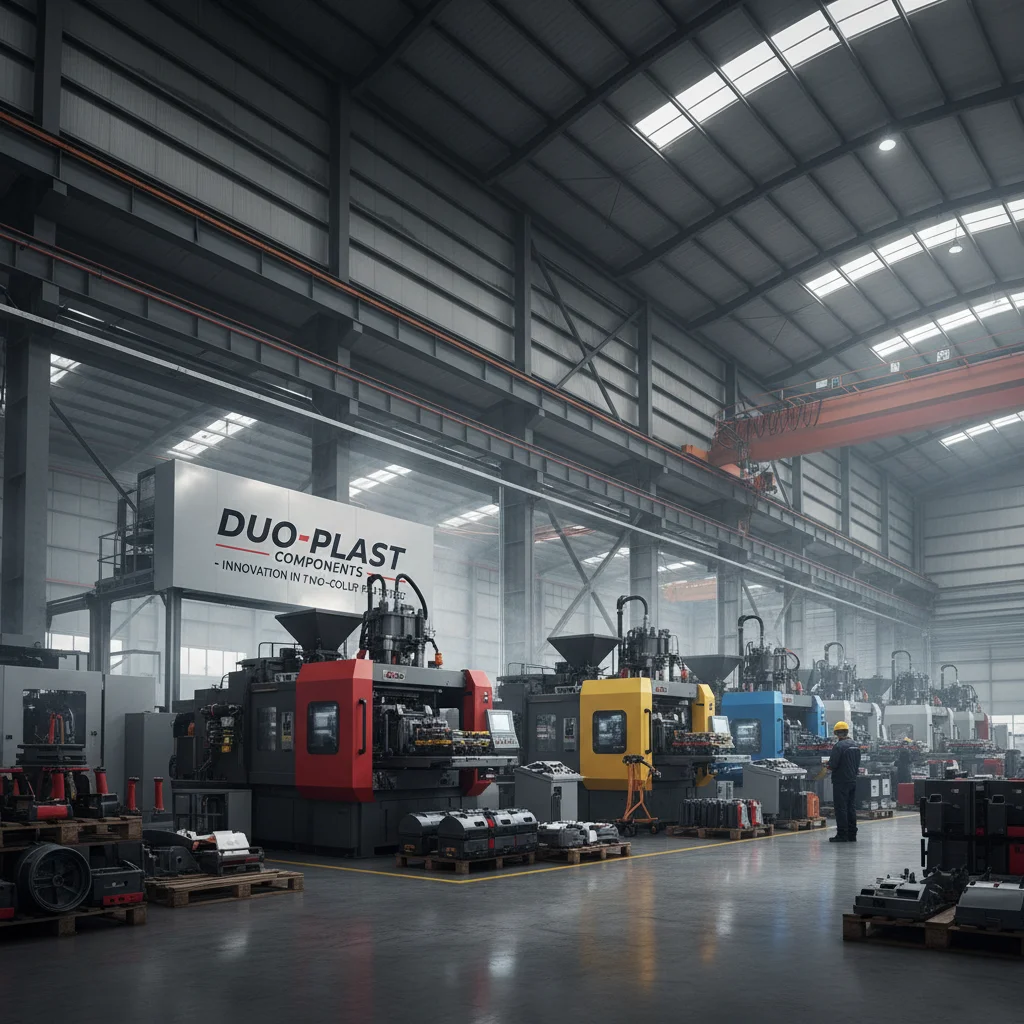
YTLSR Mold is a leading two color plastic parts manufacturer dedicated to delivering high-quality products and exceptional customer service. We have years of experience in two-color molding, a state-of-the-art facility, and a team of skilled engineers and technicians. We offer comprehensive services, including mold design, prototyping, production, and quality control. Our commitment to innovation and customer satisfaction makes us the ideal partner for your plastic molding needs.
Conclusion
Choosing the right two color plastic parts manufacturer is a critical decision. YTLSR Mold offers the experience, expertise, and commitment to quality you need to succeed. Contact us today to discuss your project requirements and receive a competitive quote.
Frequently Asked Questions (FAQs)
What is the typical lead time for a two-color molding project?
The lead time for a two-color molding project varies depending on the complexity of the part, the tooling requirements, and the production volume. Typically, mold fabrication can take 4-8 weeks, while production lead times can range from 2-6 weeks after mold approval. We strive to provide accurate lead time estimates and maintain transparent communication throughout the process. Factors influencing the timeline include material availability, mold design iterations, and the need for prototyping.
What file formats do you accept for part designs?
We accept a wide range of file formats for part designs, including STEP, IGES, STL, and SolidWorks files. We also work with 2D drawings in PDF or DXF format. For optimal results, we recommend providing 3D models in STEP or SolidWorks format. Our engineering team can assist with file conversion and design optimization if needed.
Do you offer prototyping services?
Yes, we offer comprehensive prototyping services to help you validate your design and identify potential issues before mass production. We can create prototypes using various methods, including 3D printing and soft tooling. Prototyping allows you to assess the fit, form, and function of your part, ensuring it meets your specifications. We work closely with our clients to refine the design based on prototype feedback.
What is the minimum order quantity (MOQ)?
The minimum order quantity (MOQ) varies depending on the complexity of the part and the tooling costs. Generally, we can accommodate both small and large production runs. We’ll discuss your specific requirements to determine the optimal MOQ for your project. We're flexible and can tailor our services to meet your needs, whether you require a small batch for testing or a large volume for commercial production.
-
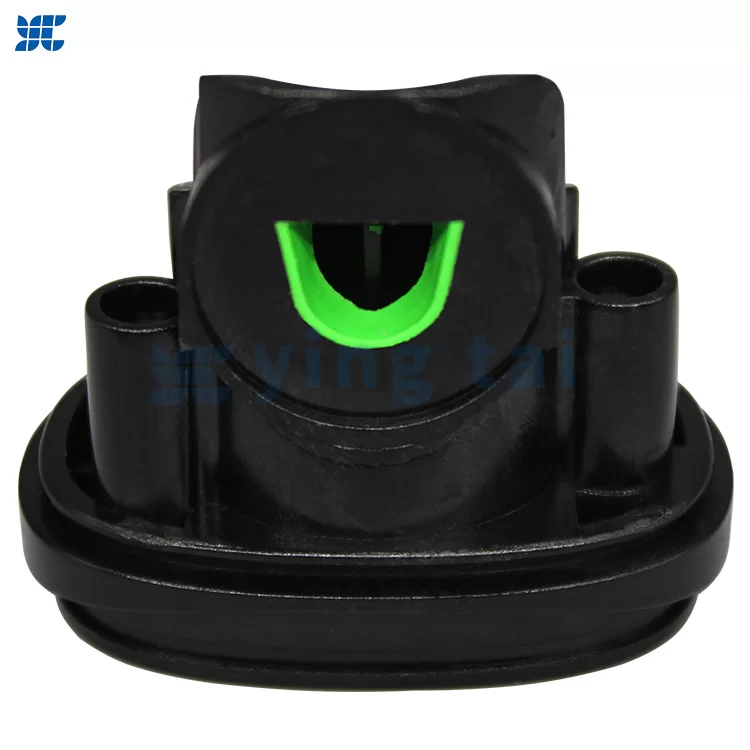
LSR silicone wrapped plastic parts provide cushioning, shock absorption, wear resistance, and durability for precision components.
-
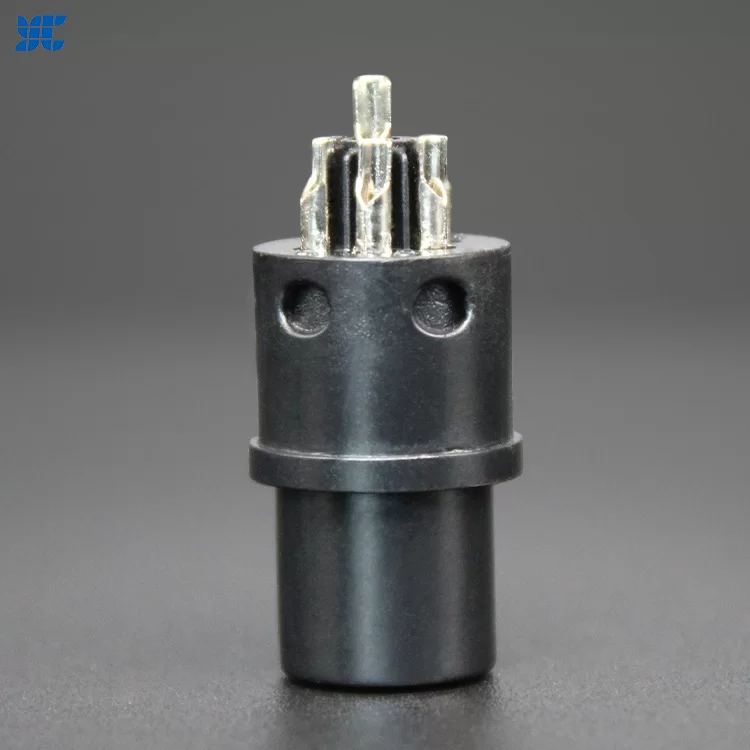
Yingtai has produced and manufactured high standard plastic products for many well-known communication, chip, mobile phone, computer and other companies. Welcome to mass produce
-
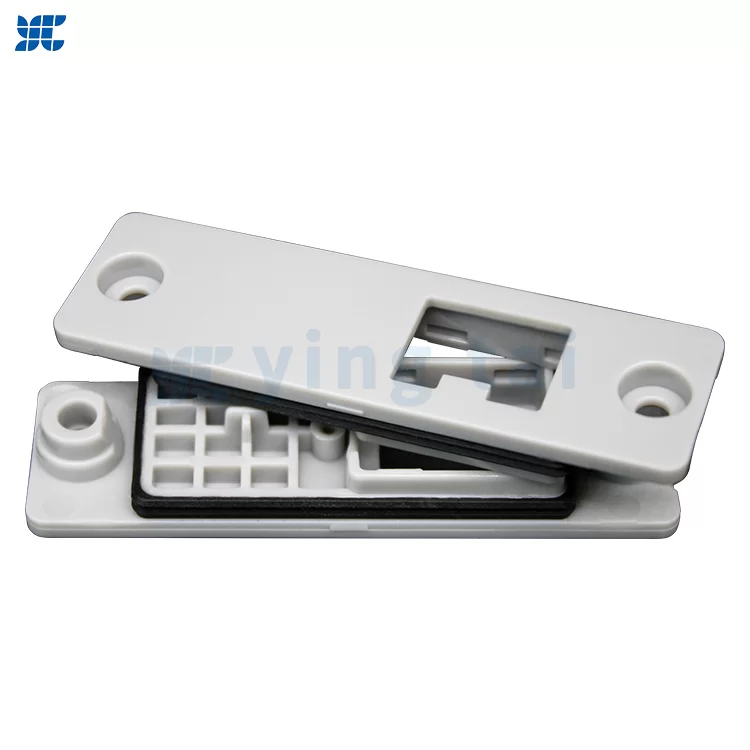
Liquid silicone wrapped plastic panels are widely used in fields such as electronic products, smart homes, and smart wearables.