Selecting a capable Two color plastic parts manufacturer often marks the difference between a product that simply functions and one that defines a market category. The integration of two distinct materials or colors within a single injection cycle allows for enhanced ergonomics, integrated sealing, and superior aesthetic appeal without the need for secondary assembly.
For engineers and procurement specialists in the consumer electronics and medical device sectors, the challenge lies in finding a partner who can manage the complex thermal dynamics and bonding interfaces required for high-precision overmolding. The process demands not only advanced machinery but a deep understanding of material compatibility to prevent delamination and structural failure.
By leveraging integrated production chains—from custom mold development to finished high-precision components—companies can significantly reduce time-to-market and eliminate the risks associated with multi-vendor assembly of multi-material parts.

The Technical Logic of Multi-Material Injection Molding

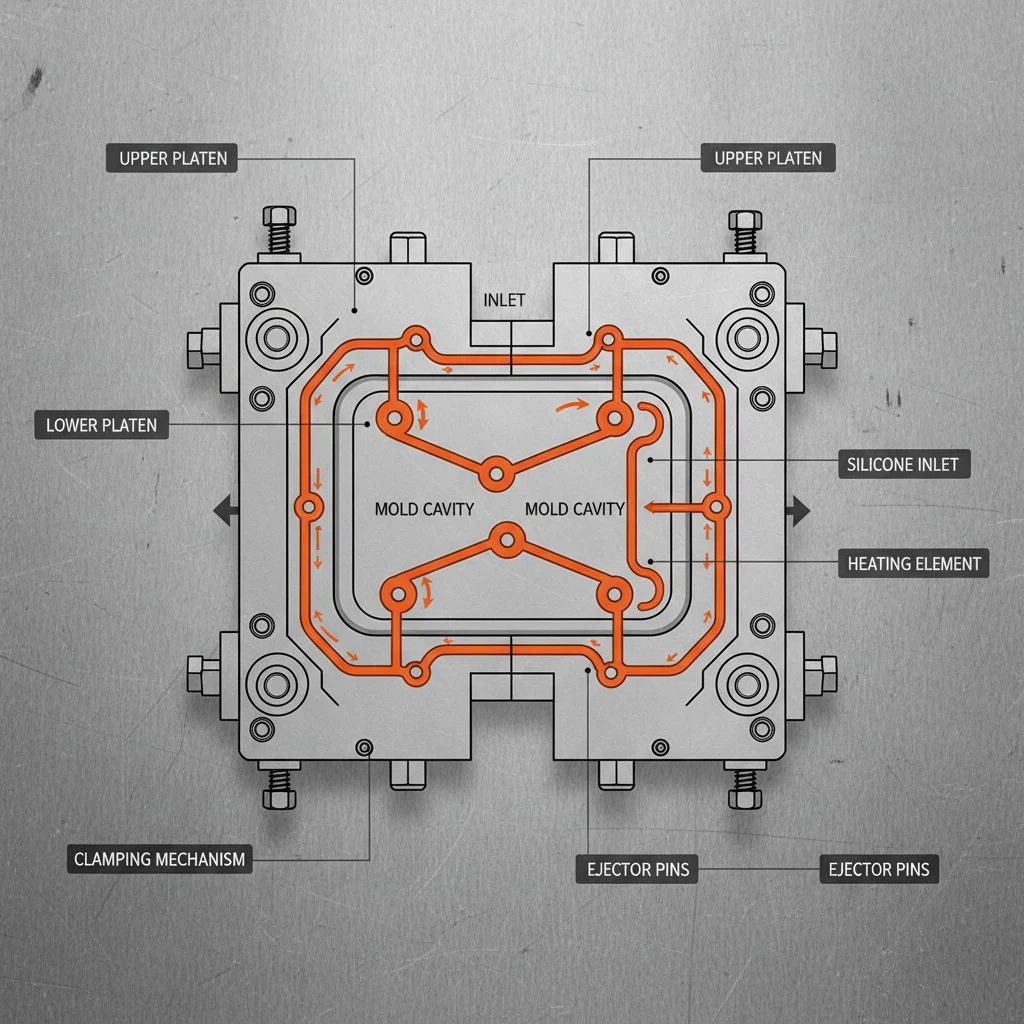
Two-color molding, often referred to as 2K molding, operates on the principle of sequential injection within a single mold base. The process begins with the injection of the first material (the substrate), followed by a precise rotation or movement of the mold, and the subsequent injection of the second material. This creates a molecular bond at the interface, ensuring that the two colors or materials are physically fused rather than merely glued.
The complexity of this process lies in the "chemical bonding" phase. To achieve a seamless transition, the manufacturer must precisely control the melt temperature of the second material to slightly re-melt the surface of the first, creating a cohesive structural link. If the temperature is too low, the parts will peel; if too high, the substrate may deform.
This technical synergy is what allows for the creation of complex items like the YT-021310 hair dryer components, where plastic housings must integrate seamlessly with silicone grips or metallic accents, maintaining high consistency across thousands of production cycles.
Critical Performance Drivers in Two-Color Manufacturing
The success of a multi-material part depends on the synergy between mold precision and material selection. Precision mold processing equipment is essential to ensure that the shut-off surfaces are airtight, preventing "flash" where the two colors meet. Any misalignment at the micron level can result in visual defects that render high-end consumer products unsellable.
Material compatibility is the second driver. Not all plastics bond. A professional manufacturer must evaluate the polarities and melt flow indices of both resins. For instance, combining a rigid polycarbonate for structure with a soft thermoplastic elastomer (TPE) for grip requires specific additives to ensure the bond withstands environmental stress and temperature fluctuations.
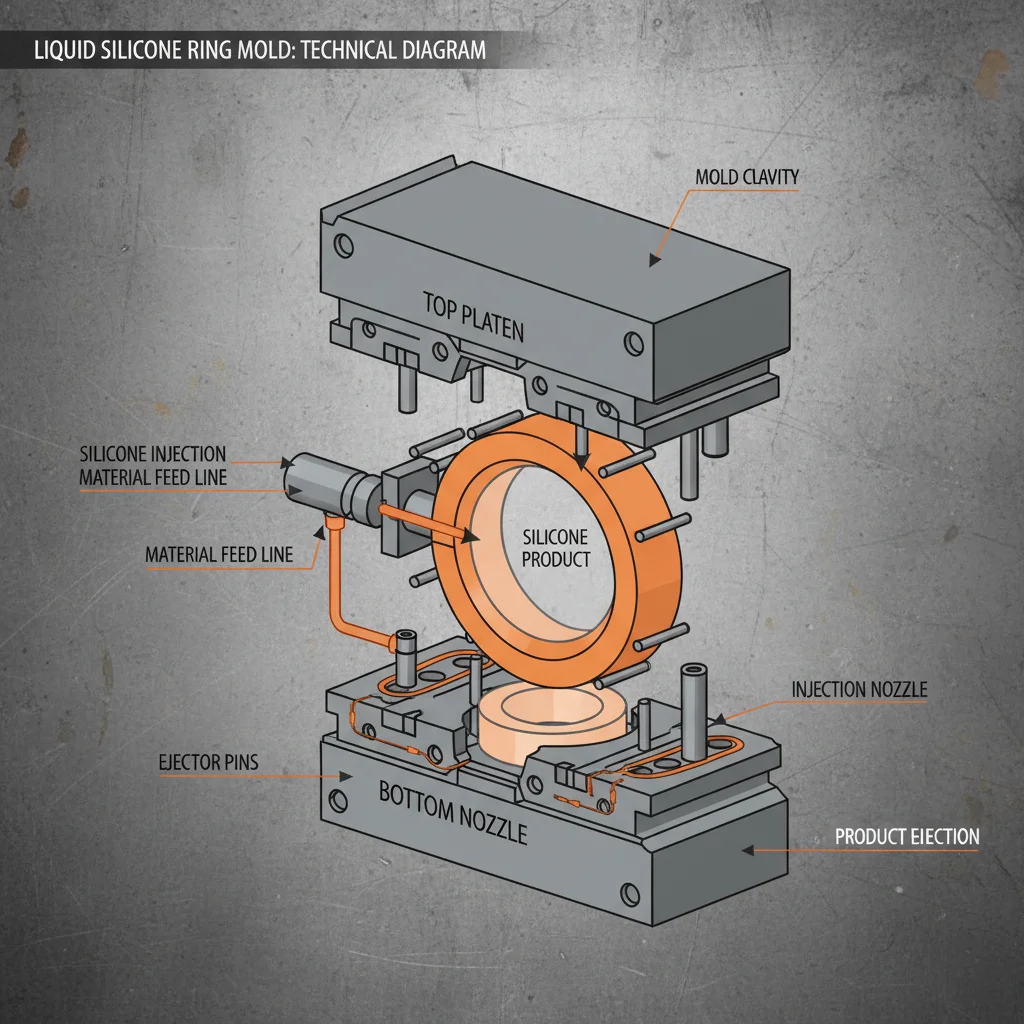
Furthermore, the integration of LSR (Liquid Silicone Rubber) overmolding adds another layer of complexity, requiring specialized machines that can handle the curing process of silicone against a thermoplastic substrate, which is critical for waterproof seals and medical-grade accessories.
Industrial Applications from Consumer Goods to Medical Tools
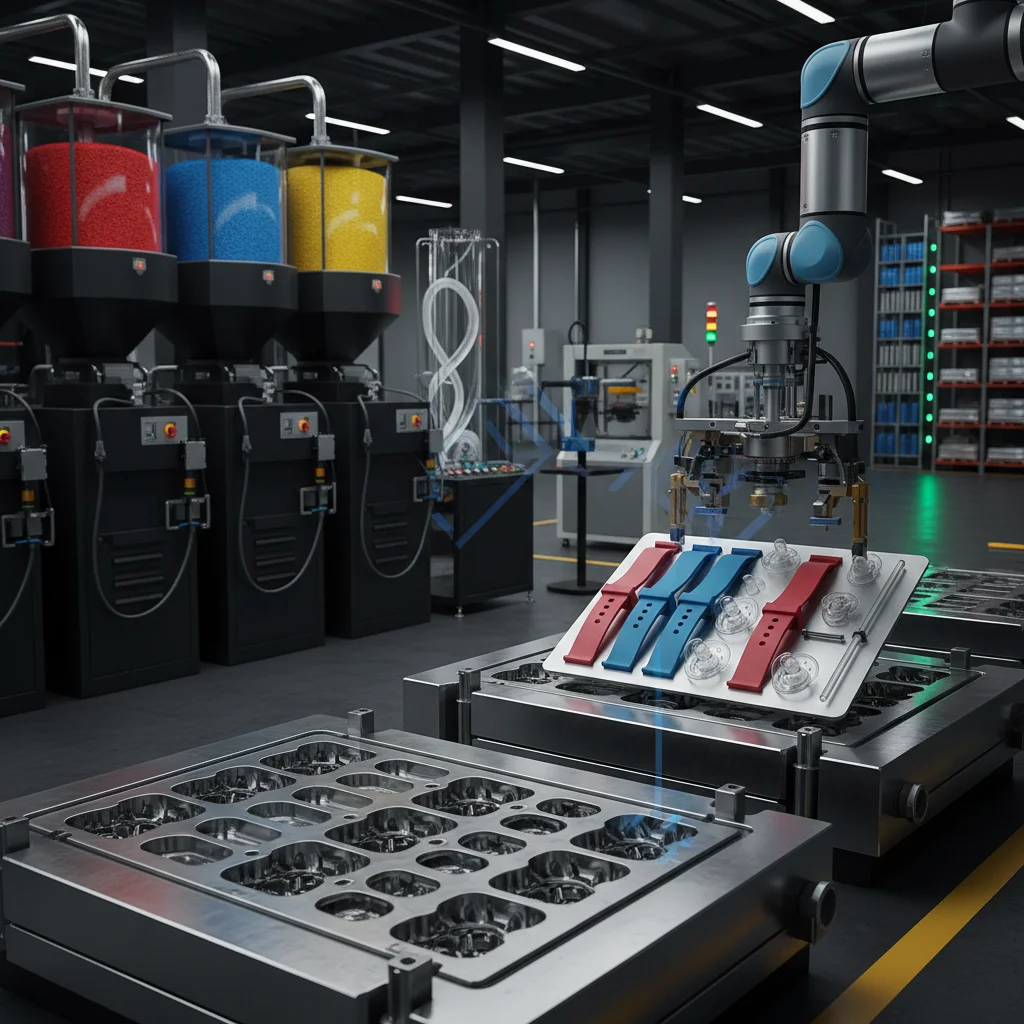
The versatility of two-color plastic parts is evident across multiple high-growth industries. In the realm of consumer electronics, this technology is used to create seamless buttons, ergonomic handles, and integrated gaskets for smart wearables. The ability to combine a hard shell with a soft-touch finish in one step eliminates the labor costs of manual assembly.
In the automotive and new energy vehicle (NEV) sector, two-color molding is employed for interior dashboards and control panels. These parts must meet rigorous safety standards for impact resistance while maintaining a luxury aesthetic, often requiring the use of leather veneer products or high-performance LSR overmolding for vibration dampening.
Medical device manufacturing relies heavily on this process for surgical tool handles and diagnostic equipment. Here, the focus shifts to biocompatibility and sterilization resistance, where medical-grade silicone is overmolded onto rigid plastics to provide a non-slip, hygienic grip that can withstand repeated autoclave cycles.
Quantifying Quality Benchmarks for Overmolded Components
Evaluating the performance of a two-color part involves measuring several key metrics: bond strength, dimensional stability, and color consistency. Bond strength is typically tested via peel tests, ensuring the materials do not separate under mechanical stress. Dimensional stability is critical for parts that must fit into tight assemblies, such as electronic seals.
When comparing standard injection molding to integrated two-color manufacturing, the most significant gains are seen in assembly time reduction and the elimination of secondary adhesive processes, which often introduce contamination risks.
Two color plastic parts manufacturer Performance Metrics
The data indicates that while initial mold costs are higher for two-color systems, the operational efficiency—measured by reduced part count and lower assembly failure rates—provides a significant advantage in high-volume production environments.
Strategic Procurement Factors for Precision Plastic Parts
For procurement managers, the evaluation of a manufacturer extends beyond the unit price. The critical factor is the "Total Cost of Ownership," which includes the cost of mold maintenance, the scrap rate during the ramp-up phase, and the reliability of the supply chain. A manufacturer with an integrated chain—from mold development to finished product—can offer better lead times and more agile design iterations.
Verification of technical capacity is essential. Procurement teams should look for factories equipped with a high volume of automatic injection molding machines and dedicated precision mold processing equipment. The ability to provide customized solutions based on drawings and samples, as seen in professional precision manufacturing, reduces the risk of design-to-production gaps.
Furthermore, the presence of advanced testing instruments on-site ensures that every batch of two-color parts meets the required tolerances and material specifications before shipping, which is non-negotiable for industrial electronic appliances and smart wearables.
The Shift Toward Intelligent Manufacturing and Sustainable Polymers
The industry is currently transitioning toward "Precision Intelligent Manufacturing." This involves the use of AI-driven sensors within the mold to monitor pressure and temperature in real-time, allowing the machine to auto-adjust for variations in material viscosity. This level of automation is expected to further reduce scrap rates and increase consistency in complex LSR overmolding processes.
Sustainability is also reshaping material selection. There is a growing demand for bio-based plastics and recyclable TPEs that can be processed in two-color machines without compromising bond strength. Manufacturers who can adapt their molds for these new materials will likely gain a competitive edge as global environmental regulations tighten.
Additionally, the integration of modular mold designs may allow for faster color changes and material swaps, enabling brands to produce smaller, customized batches of "Hot Products" without the prohibitive cost of entirely new tooling.
Comparative Analysis of Two-Shot vs. Secondary Overmolding
Choosing between true two-shot molding and secondary overmolding depends on production volume and the required bond quality. Two-shot molding is an automated, single-cycle process, while secondary overmolding involves placing a pre-molded part into a second mold. The former offers superior consistency and lower labor costs but requires a higher initial investment in specialized machinery.
The following table outlines the decision-making criteria based on technical and commercial variables to help engineers select the optimal manufacturing route.
| Comparison Metric | Two-Shot Molding | Secondary Overmolding | Recommended Use Case |
|---|---|---|---|
| Tooling Investment | Very High | Moderate | High-volume consumer tech |
| Labor Intensity | Minimal (Automated) | Moderate (Manual Load) | Low-volume prototypes |
| Bond Strength | Chemical/Molecular | Mechanical/Thermal | Medical-grade seals |
| Cycle Time | Fast (Single Cycle) | Slower (Two Cycles) | Mass market electronics |
| Design Complexity | High Integration | Layered Addition | Complex ergonomic grips |
| Waste Generation | Low (Precision Control) | Moderate (Trimming) | High-consistency parts |
Ultimately, the choice should be guided by the projected lifecycle of the product. For long-term, high-volume projects, the efficiency of a dedicated Two color plastic parts manufacturer utilizing two-shot technology provides the lowest cost per unit and the highest quality assurance.
Frequently Asked Questions
Conclusion
The transition from single-material components to complex, multi-material designs is a strategic move toward higher product value and better user experience. By integrating aesthetics and functionality into a single manufacturing step, brands can achieve a level of precision and durability that is impossible with traditional assembly methods.
For organizations seeking to implement these solutions, partnering with an expert who manages the entire value chain—from the first mold iteration to the final exquisite finished product—is essential. Readers evaluating these technical requirements can review the relevant product and company information available through www.ytplasticmold.com.