Liquid silicone sealing gasket molds are essential components in a vast array of industries, from automotive and aerospace to medical devices and consumer goods. Their ability to create reliable, airtight, and chemically resistant seals is critical for product performance and safety. Globally, the demand for these molds is driven by increasing manufacturing output, stricter regulatory standards, and a growing emphasis on product quality. Understanding the nuances of Liquid silicone sealing gasket mold design and material selection is paramount for achieving optimal results and maintaining a competitive edge.
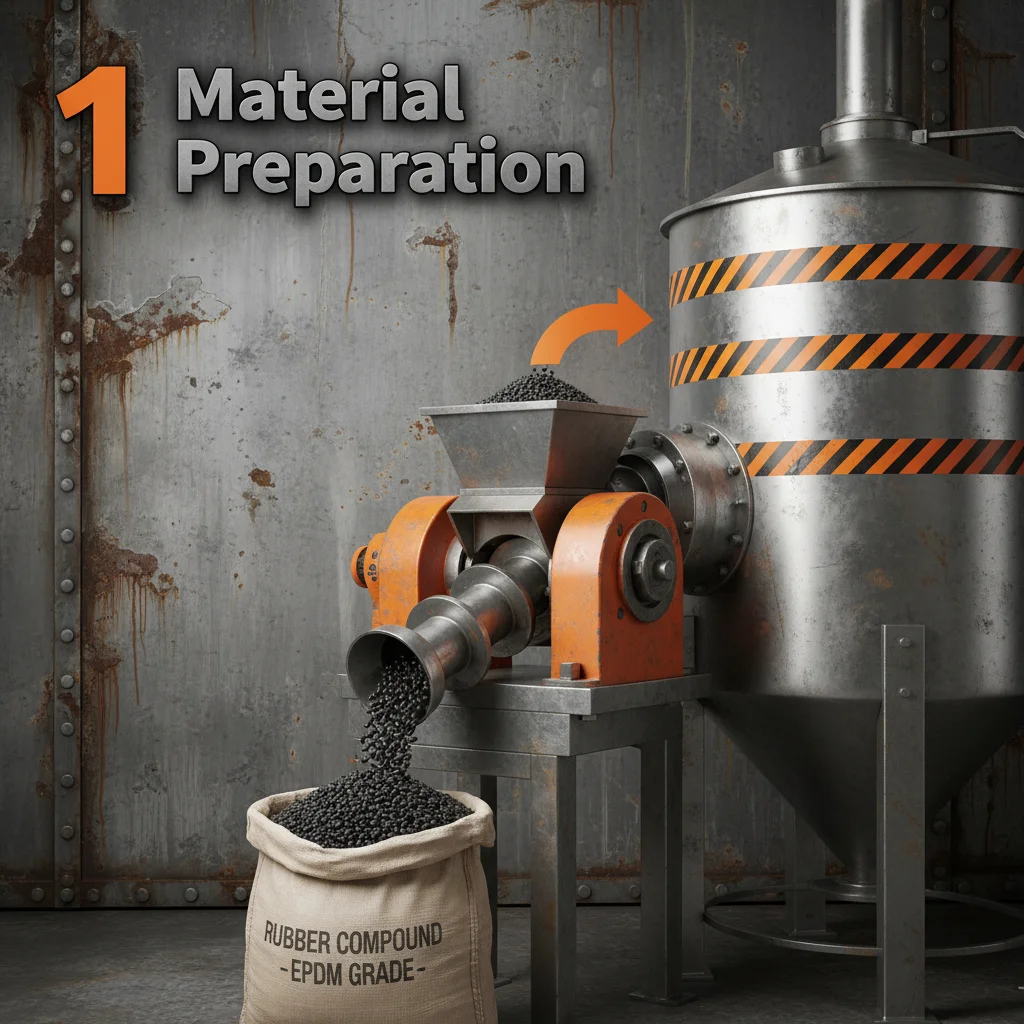
The manufacturing landscape is rapidly evolving, with industries increasingly adopting liquid silicone rubber (LSR) due to its superior properties. This shift necessitates specialized tooling like precise liquid silicone sealing gasket molds. The Asia-Pacific region currently dominates the market due to its robust manufacturing base and cost-effective production capabilities. However, North America and Europe are experiencing renewed growth driven by reshoring initiatives and advancements in specialized applications. Investing in high-quality Liquid silicone sealing gasket mold is no longer just a cost center but a strategic investment in long-term efficiency and innovation.
The need for durable and effective sealing solutions is universal, and liquid silicone offers unparalleled performance in challenging environments. From protecting sensitive electronics to ensuring the integrity of medical implants, these gaskets play a vital role in countless applications. This demand has propelled the development of sophisticated mold designs and manufacturing techniques, making Liquid silicone sealing gasket mold a cornerstone of modern manufacturing processes.
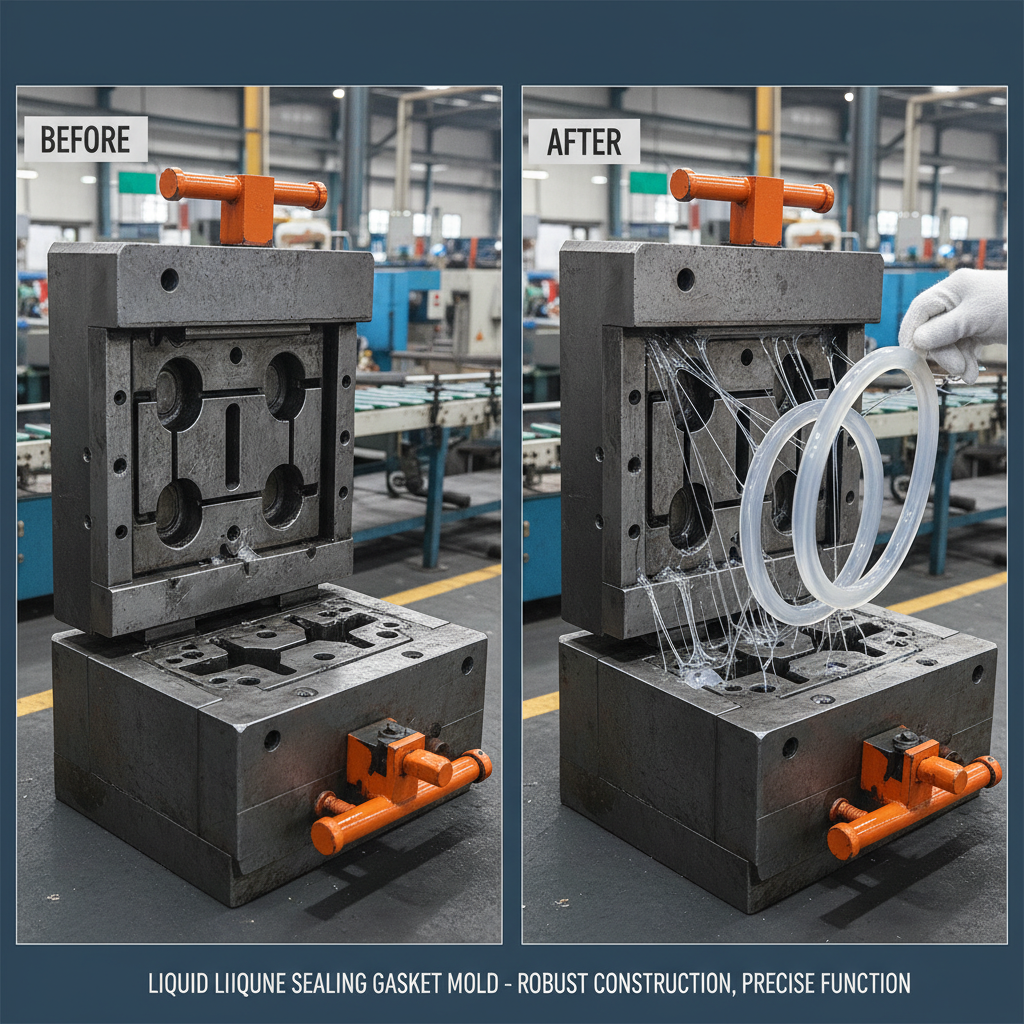
The Fundamentals of Liquid Silicone Sealing Gasket Mold
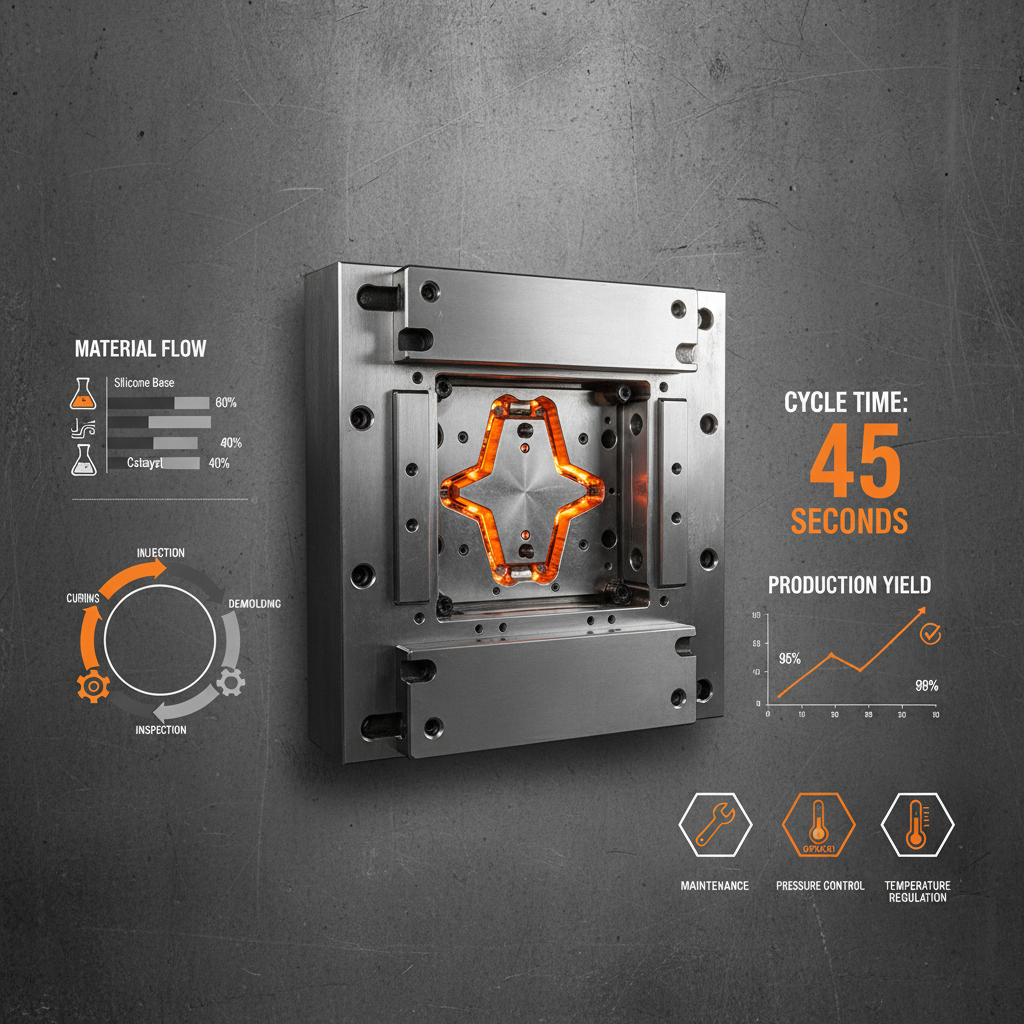
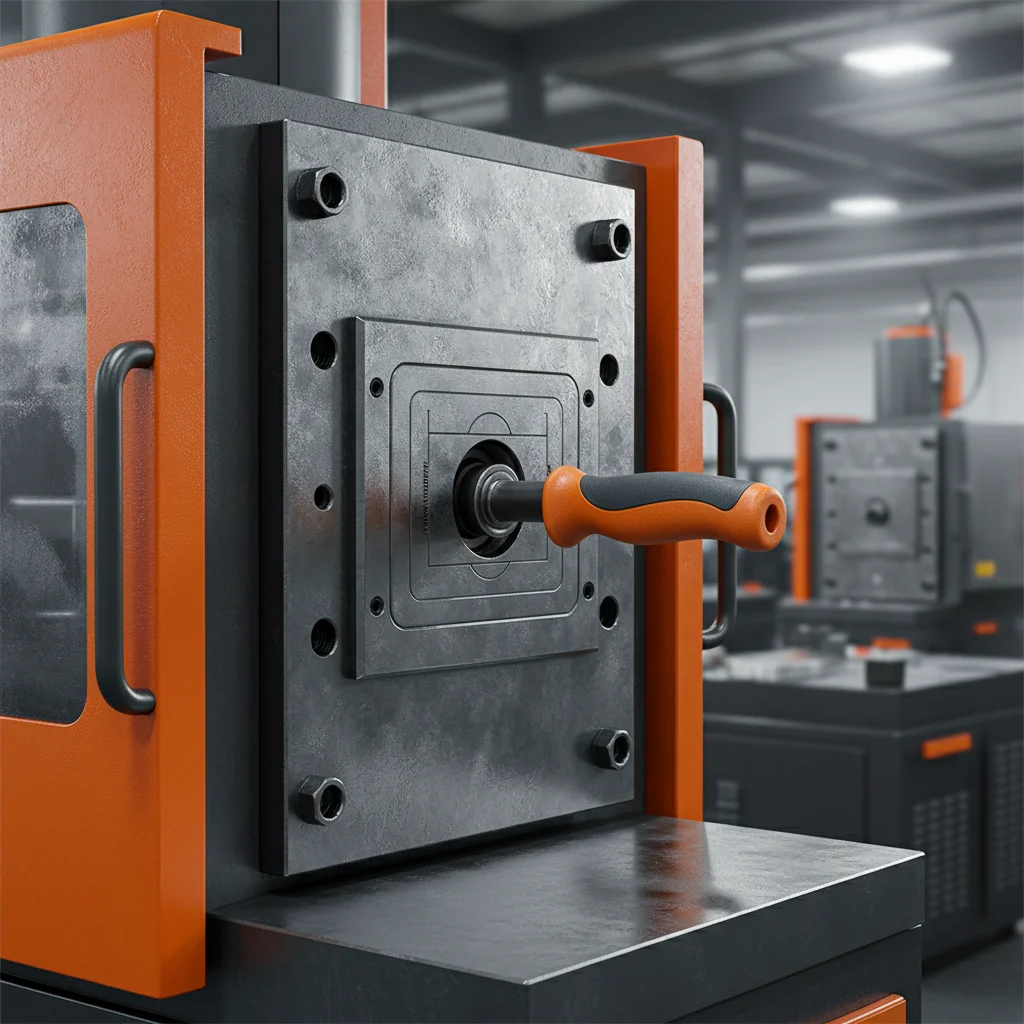
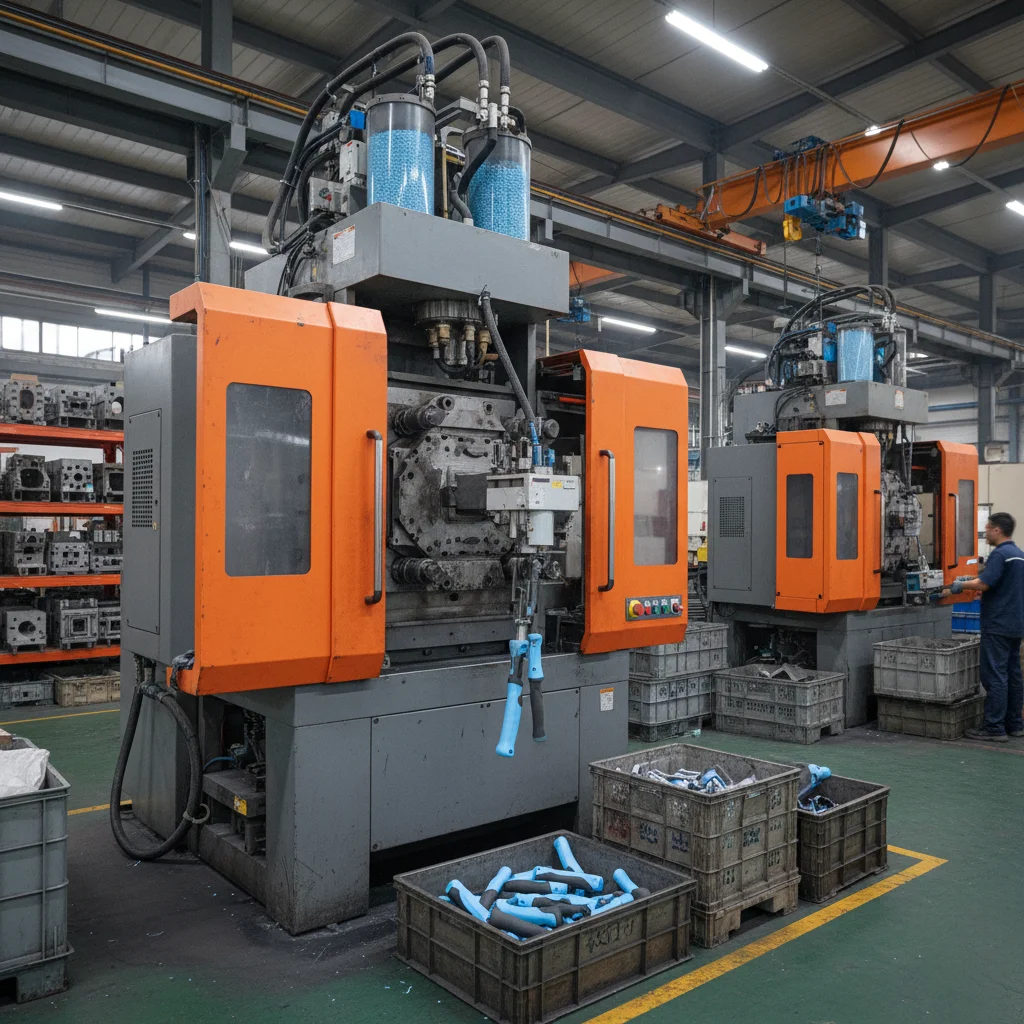
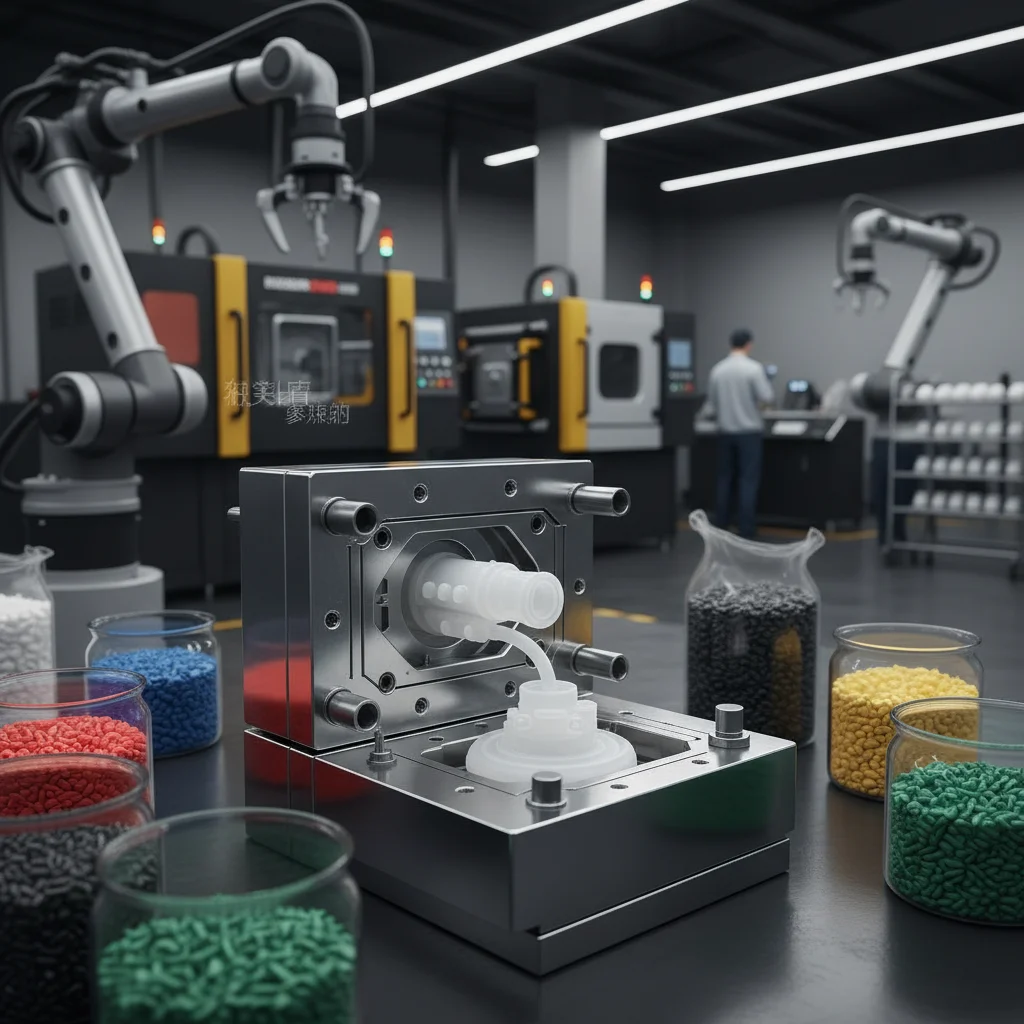
Liquid silicone sealing gasket molds are the foundational tools used to create precision gaskets from liquid silicone rubber. These molds are typically constructed from hardened steel or aluminum and are designed with intricate cavities that define the shape and dimensions of the final gasket. The accuracy of the mold directly impacts the gasket’s sealing performance, dimensional stability, and overall quality. A well-designed Liquid silicone sealing gasket mold ensures consistent part production and minimizes material waste.
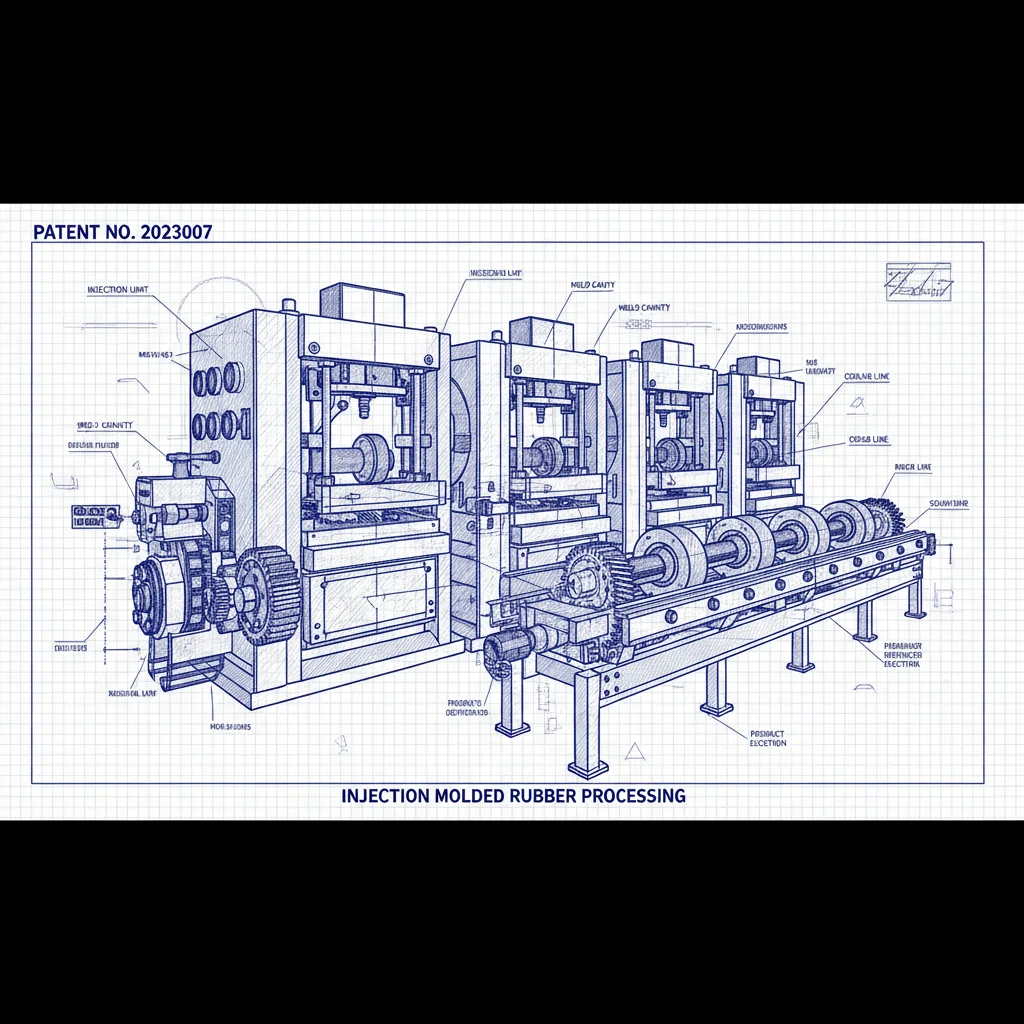
The process of creating a liquid silicone sealing gasket mold involves several stages, including design, machining, polishing, and quality control. Sophisticated CAD/CAM software and precision machining techniques are employed to achieve the required tolerances and surface finishes. Selecting the right mold material and surface treatment is crucial for optimizing mold lifespan and preventing adhesion issues with the silicone rubber.
FAQS
The lifespan of a liquid silicone sealing gasket mold can vary significantly depending on several factors, including the material used (steel vs. aluminum), the complexity of the design, the volume of parts produced, and the maintenance schedule. However, a well-maintained steel mold can typically produce between 500,000 to 2 million parts before requiring significant repair or replacement. Aluminum molds generally have a shorter lifespan, ranging from 100,000 to 500,000 cycles. Proper mold release agent application and regular cleaning are crucial for maximizing mold life.
The most common materials for Liquid silicone sealing gasket mold manufacturing are various grades of tool steel (H13, S7, etc.) and aluminum alloys. Tool steel offers superior durability and wear resistance, making it ideal for high-volume production runs. Aluminum is a more cost-effective option for lower volumes and simpler designs. The choice depends on production volume, desired mold life, and budget constraints. Additionally, surface treatments like nitriding or coating are often applied to enhance mold performance and longevity.
Venting is absolutely critical in Liquid silicone sealing gasket mold design. Liquid silicone rubber is a viscous material, and air trapped within the mold cavity can lead to incomplete filling, voids, and defects in the final gasket. Proper venting allows air to escape during the injection process, ensuring complete mold filling and consistent part quality. Venting channels are strategically placed in areas where air is likely to become trapped, such as corners and deep sections of the mold.
Choosing the right mold manufacturer is vital for success. Consider their experience with liquid silicone rubber molding, their design capabilities, their quality control processes, and their communication skills. Look for a manufacturer with a proven track record of delivering high-precision molds on time and within budget. Request references and visit their facility if possible to assess their capabilities firsthand. Additionally, confirm their expertise in mold maintenance and repair services.
Mold temperature control is crucial for achieving optimal liquid silicone gasket quality. Maintaining a consistent mold temperature ensures proper material flow, minimizes shrinkage, and reduces the risk of defects. Typically, liquid silicone rubber is molded at temperatures ranging from 60°C to 150°C, depending on the specific material and design. Precise temperature control is achieved through the use of circulating water or oil in cooling channels embedded within the mold.
Mold release agents are essential for preventing liquid silicone rubber from sticking to the mold surfaces. They create a thin barrier that facilitates easy part ejection and reduces the risk of damage to the mold or the gasket. The choice of mold release agent depends on the type of silicone rubber being used and the mold material. Proper application and maintenance of the release agent are crucial for consistent performance. Regular cleaning of the mold is also necessary to remove any buildup of release agent residue.
Conclusion
In conclusion, Liquid silicone sealing gasket molds are a fundamental component in numerous industries, enabling the production of reliable and high-performance sealing solutions. Understanding the key characteristics of quality molds, the latest technological advancements, and potential challenges is crucial for manufacturers seeking to optimize their processes and achieve a competitive edge. The future of this technology lies in innovative materials, advanced manufacturing techniques, and the integration of smart technologies.
Investing in high-quality tooling and partnering with experienced mold manufacturers is a strategic decision that yields long-term benefits in terms of cost savings, product quality, and operational efficiency. By embracing innovation and addressing emerging challenges, we can unlock the full potential of liquid silicone sealing gasket molds and drive further advancements across a wide range of applications.
-
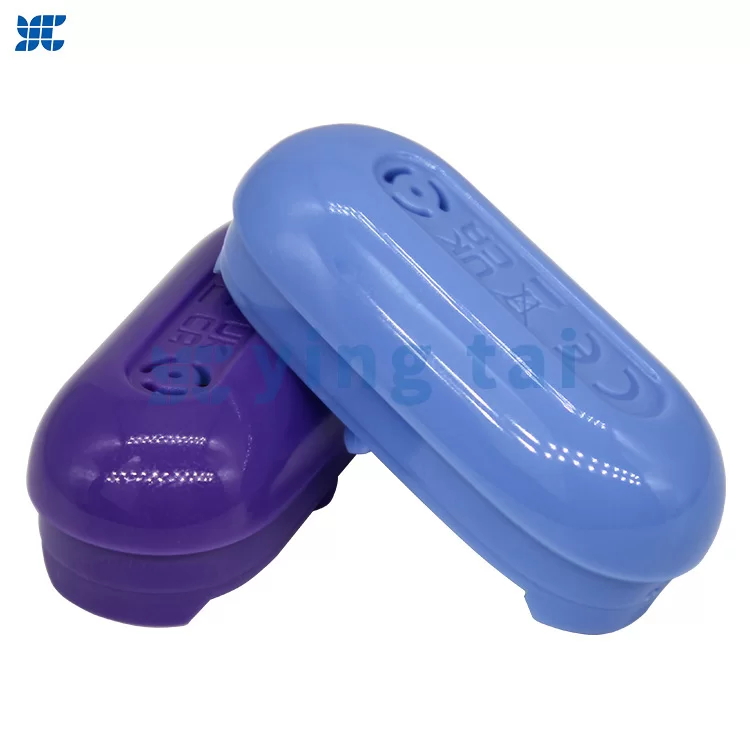
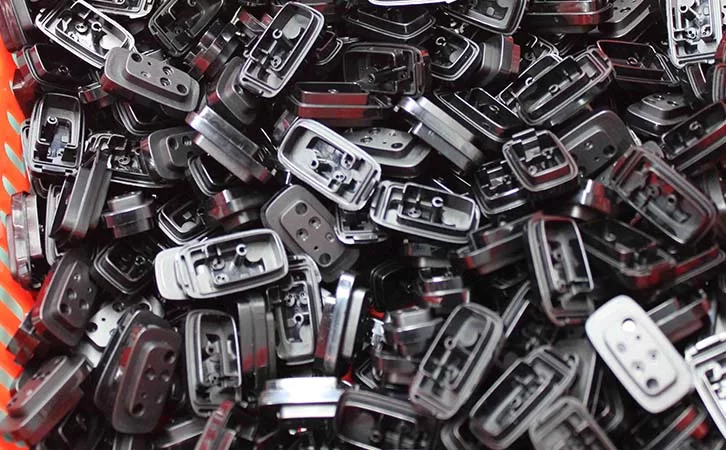
Plastic bottom shell, crafted with precision injection molding technology, resistant to pressure, deformation, drop, and wear, providing lightweight protection for electronic devices.
-
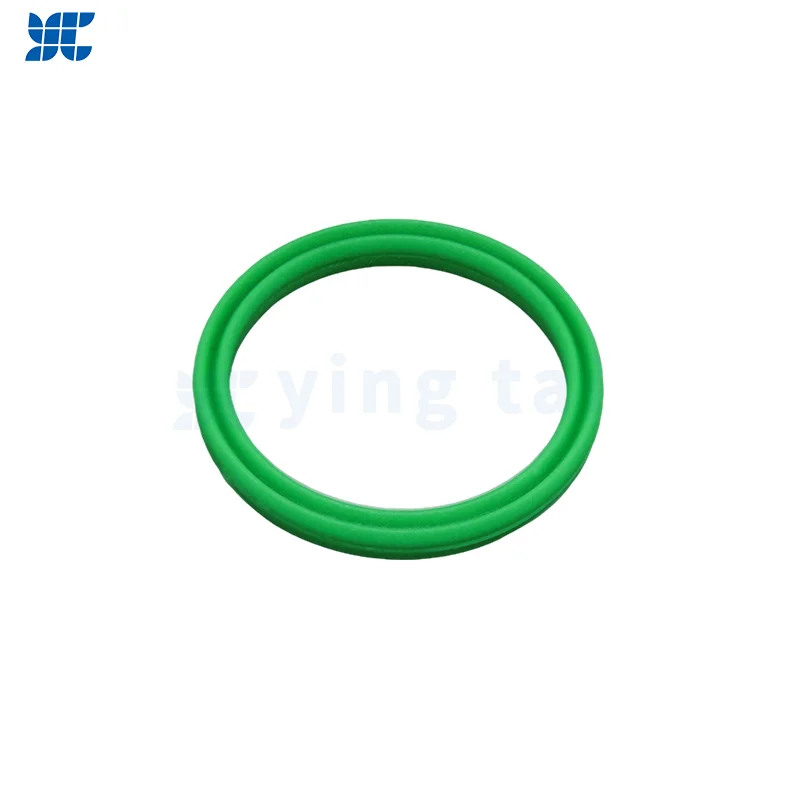
Non standard customized liquid silicone sealing ring solves the problem of electrical sealing, with flexible sealing full coverage, leak proof and earthquake resistant more reliable.
-
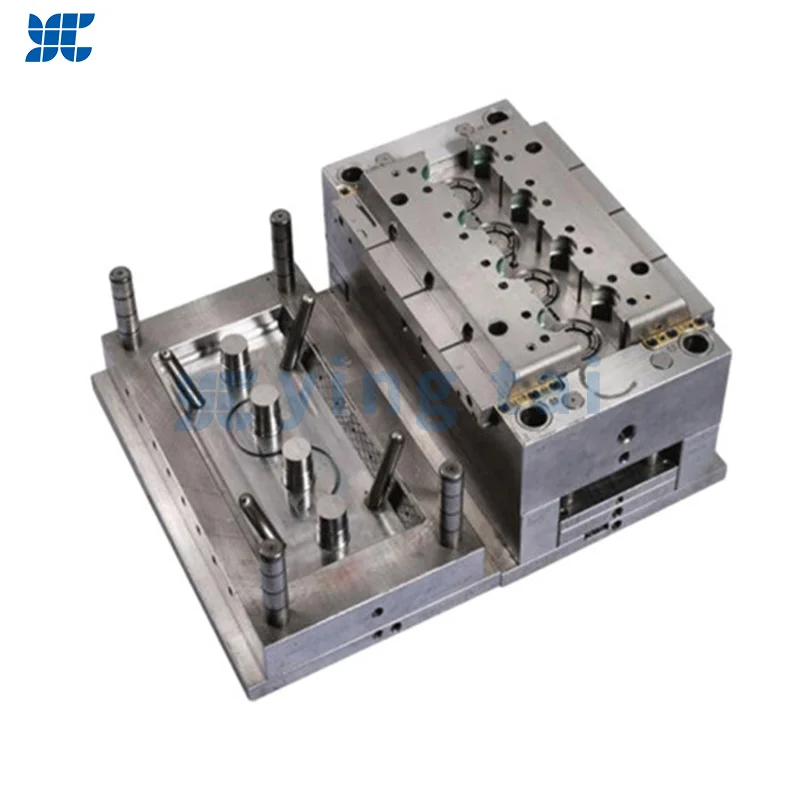
Liquid silicone molds have fast curing speed and high production efficiency in production, making them suitable for mass production of silicone accessories.