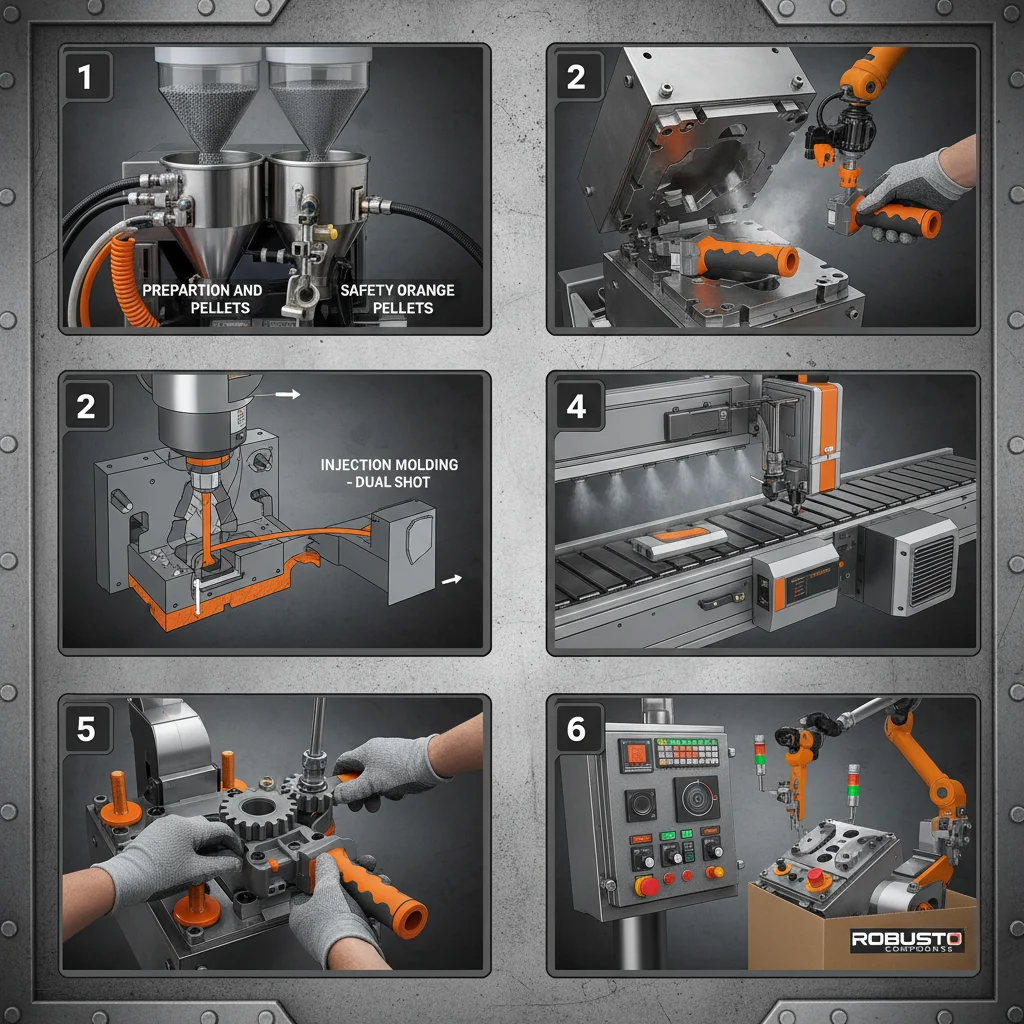
Maximizing Precision with Liquid Silicone Waterproof Accessory Mold
In the modern manufacturing landscape, the demand for high-performance sealing solutions has never been higher. Utilizing a professional Liquid silicone waterproof accessory mold is essential for producing components that can withstand extreme environments while maintaining airtight and watertight integrity. Whether it is for medical devices, automotive sensors, or consumer electronics, the precision of the mold directly dictates the reliability of the final product. This guide explores the technical advantages, material considerations, and industry applications of these specialized molds to help you optimize your production line for superior waterproof performance.

The Engineering Edge of Liquid Silicone Rubber (LSR)
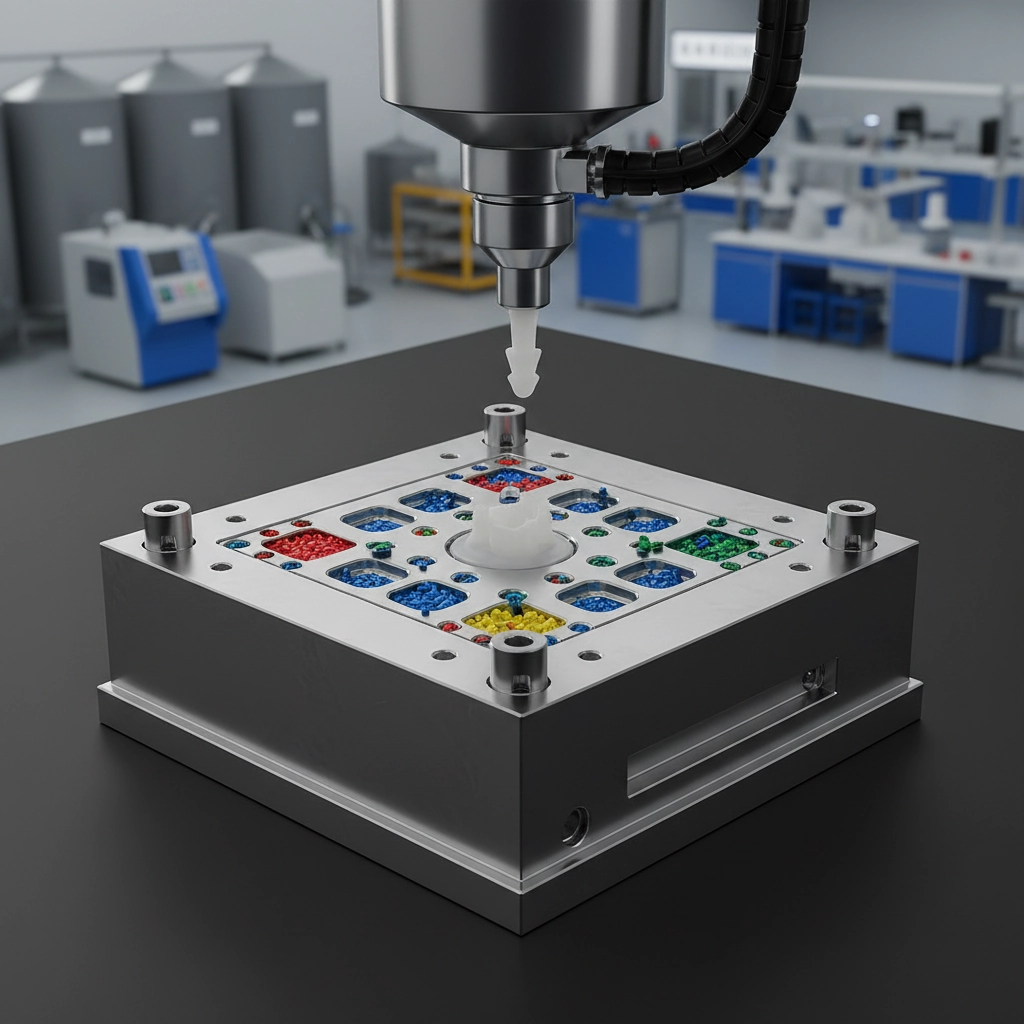
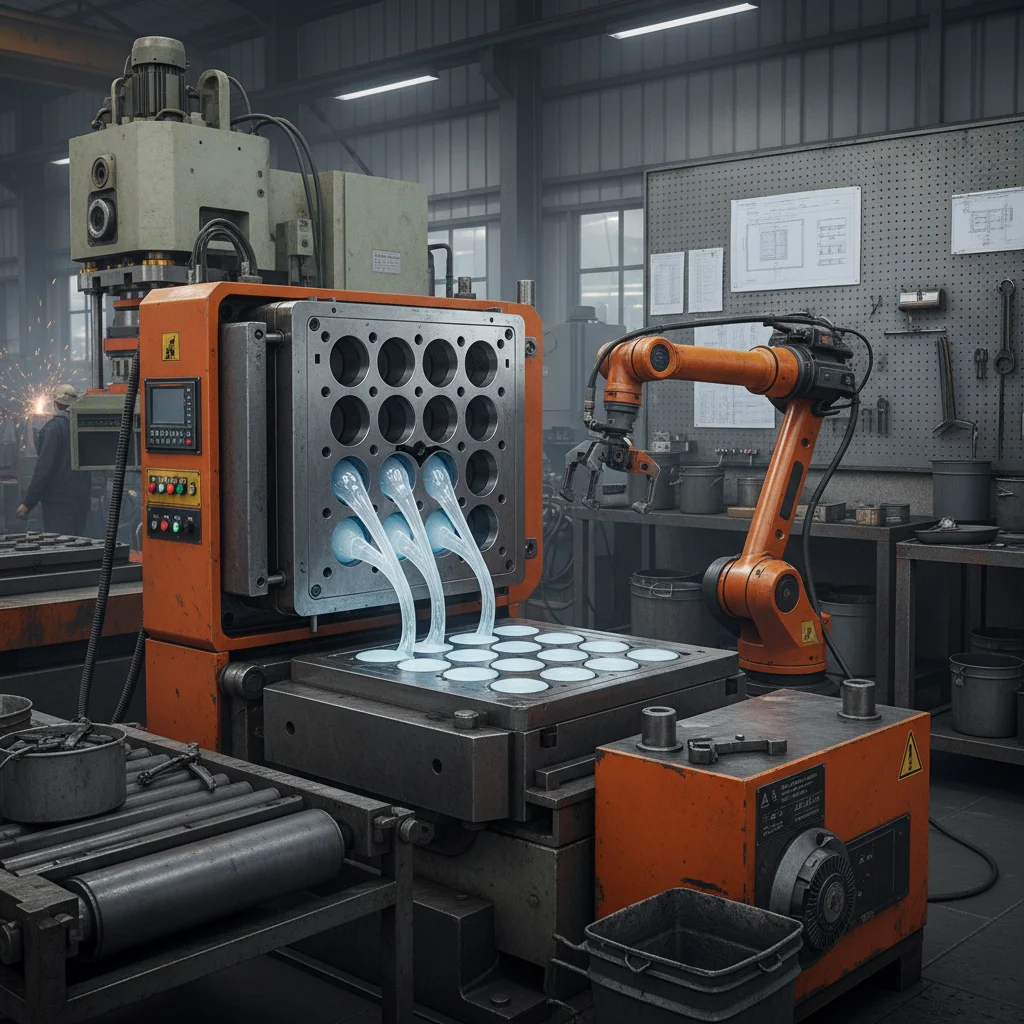
Liquid Silicone Rubber (LSR) has revolutionized the way waterproof accessories are created. Unlike traditional thermoset silicone, LSR flows easily into complex cavities, ensuring that every intricate detail of the Liquid silicone waterproof accessory mold is filled perfectly. This process results in components with exceptional dimensional stability and a seamless finish, which are critical for preventing leaks. The low viscosity of the material allows for thinner walls and more complex geometries without sacrificing the structural strength required for industrial sealing applications.
Technical Advantage: LSR molding offers significantly faster cycle times and higher consistency compared to compression molding, reducing waste and lowering the per-unit cost for high-volume waterproof accessory production.
Critical Design Factors for a Waterproof Accessory Mold
Designing a successful Liquid silicone waterproof accessory mold requires a deep understanding of thermal expansion and venting. Since silicone is cured using heat, the mold must be engineered to distribute temperature evenly to avoid "air traps" or "voids" that could lead to failure in the field. Precision gating and the use of high-grade tool steel are non-negotiable to ensure the mold can withstand thousands of cycles without wear, maintaining the tight tolerances necessary for a perfect waterproof seal.
Design Checklist for Waterproofing:
• Optimization of runner systems to prevent material degradation
• Integration of vacuum venting to eliminate micro-bubbles
• Use of mirror-polished surfaces for easy part ejection
• Precise calculation of shrinkage rates for exact fitting
Comparing LSR Molds vs. Traditional Silicone Molds
When deciding on the production method for waterproof components, it is important to compare the efficiency of a modern Liquid silicone waterproof accessory mold against traditional compression molding. LSR molding is an injection-based process, which means it is far more precise and repeatable. Traditional methods often suffer from "flash" (excess material), which requires manual trimming and can create weak points in a waterproof seal. For high-precision accessories, the investment in LSR technology pays off through reduced labor and zero-defect quality control.
Industry Applications for Silicone Waterproofing
The versatility of a Liquid silicone waterproof accessory mold allows it to serve various critical sectors. In the medical field, it is used for creating waterproof gaskets for surgical instruments and wearable health monitors. In the automotive sector, it produces seals for electric vehicle batteries and engine sensors that must withstand extreme heat and moisture. Consumer electronics, such as smartwatches and underwater cameras, rely on these molds to ensure IP68 ratings. The ability to customize hardness (Shore A) and color makes these molds an indispensable tool for product designers worldwide.

Technical Specifications for High-Performance Molds
To achieve a truly waterproof result, the Liquid silicone waterproof accessory mold must be built to specific technical standards. The choice of steel (such as S136 or H13) ensures the mold does not corrode during the curing process. Furthermore, the heating system must be precisely controlled to within ±2°C to ensure uniform curing of the silicone. Below are the standard specifications typically required for high-end waterproof accessory molding:
Quality Assurance for Waterproof Sealing Components
The final step in utilizing a Liquid silicone waterproof accessory mold is rigorous testing. Even a microscopic defect can lead to water ingress, compromising the entire device. Quality assurance typically involves pressure leak testing, where the component is subjected to air or water pressure to ensure no bubbles escape. Additionally, 3D scanning is used to compare the finished part with the original CAD design, ensuring that the mold's precision is maintained over thousands of production cycles.
Conclusion: Elevating Quality with Advanced LSR Molding
Choosing the right Liquid silicone waterproof accessory mold is the difference between a product that merely "works" and one that excels in the most demanding environments. By leveraging LSR technology, manufacturers can achieve unmatched precision, reduce production waste, and ensure long-term waterproof reliability. Whether you are developing the next generation of medical tech or rugged industrial hardware, investing in high-precision silicone molding is the key to superior product performance and customer trust.
Frequently Asked Questions (FAQs)
How does a Liquid Silicone Waterproof Accessory Mold ensure a perfect seal?
The secret lies in the combination of high-precision tool steel and the low viscosity of LSR. Because the liquid silicone is injected under high pressure into a mirror-polished mold, it fills every microscopic gap of the design. This eliminates the surface irregularities and "flash" common in other methods, creating a seamless, uniform component that provides a consistent compression seal against the mating surface, effectively blocking water and dust.
What is the difference between LSR and traditional silicone molding for waterproof parts?
LSR (Liquid Silicone Rubber) molding is an automated injection process, whereas traditional molding often involves compression or transfer methods. For waterproof parts, LSR is superior because it offers tighter tolerances and higher repeatability. Traditional methods often require manual trimming of excess material, which can introduce flaws in the seal. LSR produces parts that are nearly ready for assembly immediately after curing, ensuring a much higher standard of quality control.
Can these molds handle complex waterproof geometries?
Yes, absolutely. One of the greatest strengths of the Liquid silicone waterproof accessory mold is its ability to handle complex, thin-walled, and intricate geometries. Because the material is liquid before curing, it can flow into highly detailed channels and undercuts that would be impossible for solid silicone compounds. This allows engineers to design sophisticated sealing systems that fit perfectly into compact electronic devices.
How long does a high-quality LSR mold typically last?
The lifespan of a mold depends on the material used for its construction. Molds made from high-grade stainless steel (like S136) are designed for longevity and can typically produce hundreds of thousands, or even millions, of parts before needing significant maintenance. To extend the life of the mold, regular cleaning and the use of high-quality LSR materials are recommended to prevent residue buildup and chemical corrosion of the mold surfaces.
-

The Nasal Interface is equipped with LSR silicone cushion and high transparency plastic accessories, which gently fit the sides of the nose and greatly reduce facial pressure marks.
-
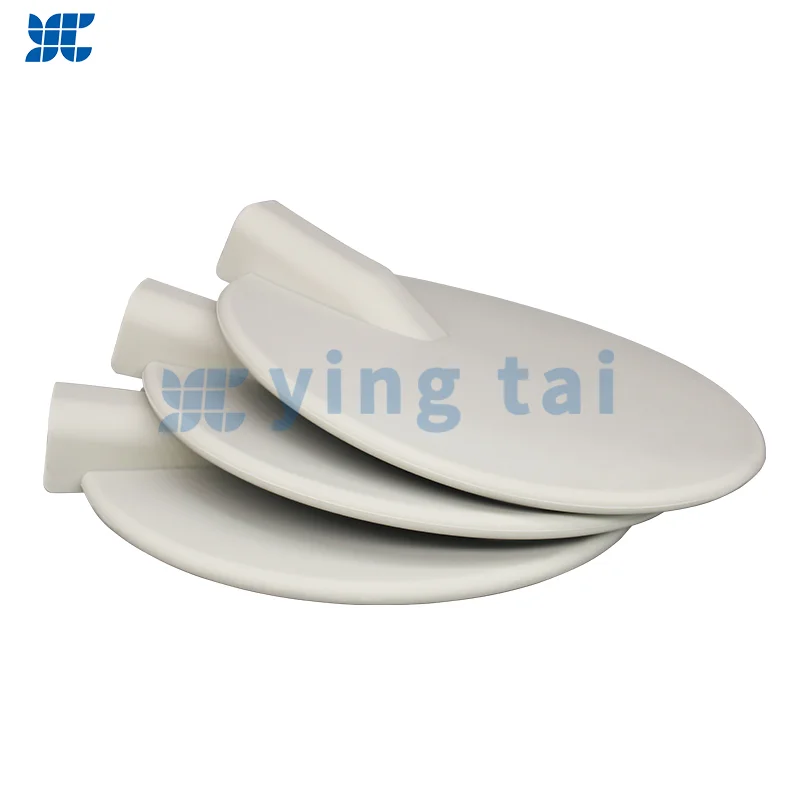 Looking for high-precision conductive liquid silicone accessories? Yingtai factory in China provides professional LSR processing and production. As leading suppliers of custom conductive silicone gaskets, our parts ensure superior EMI shielding and stable signal transmission.
-
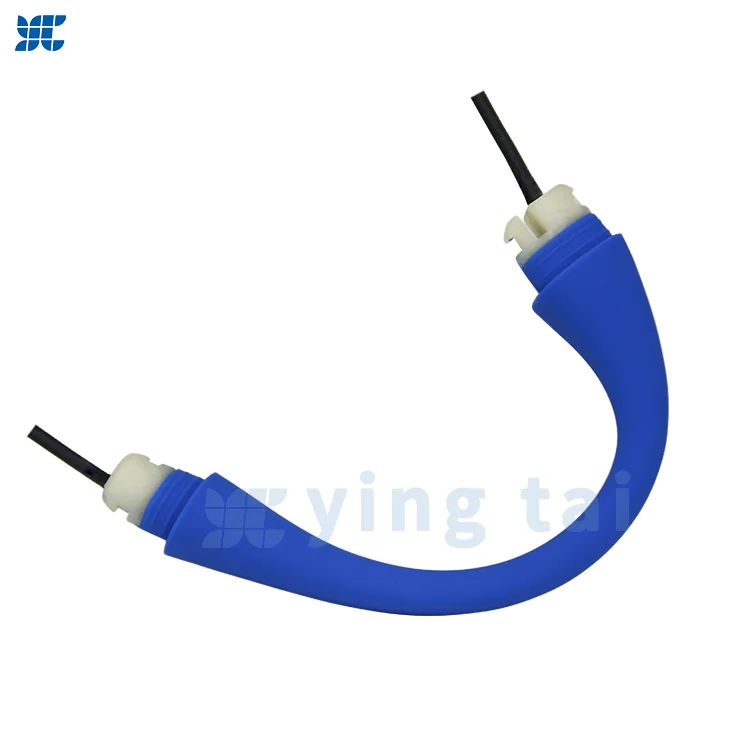
Bluetooth earphone accessories are made up of liquid silicone shell, plastic bracket, wires, etc.