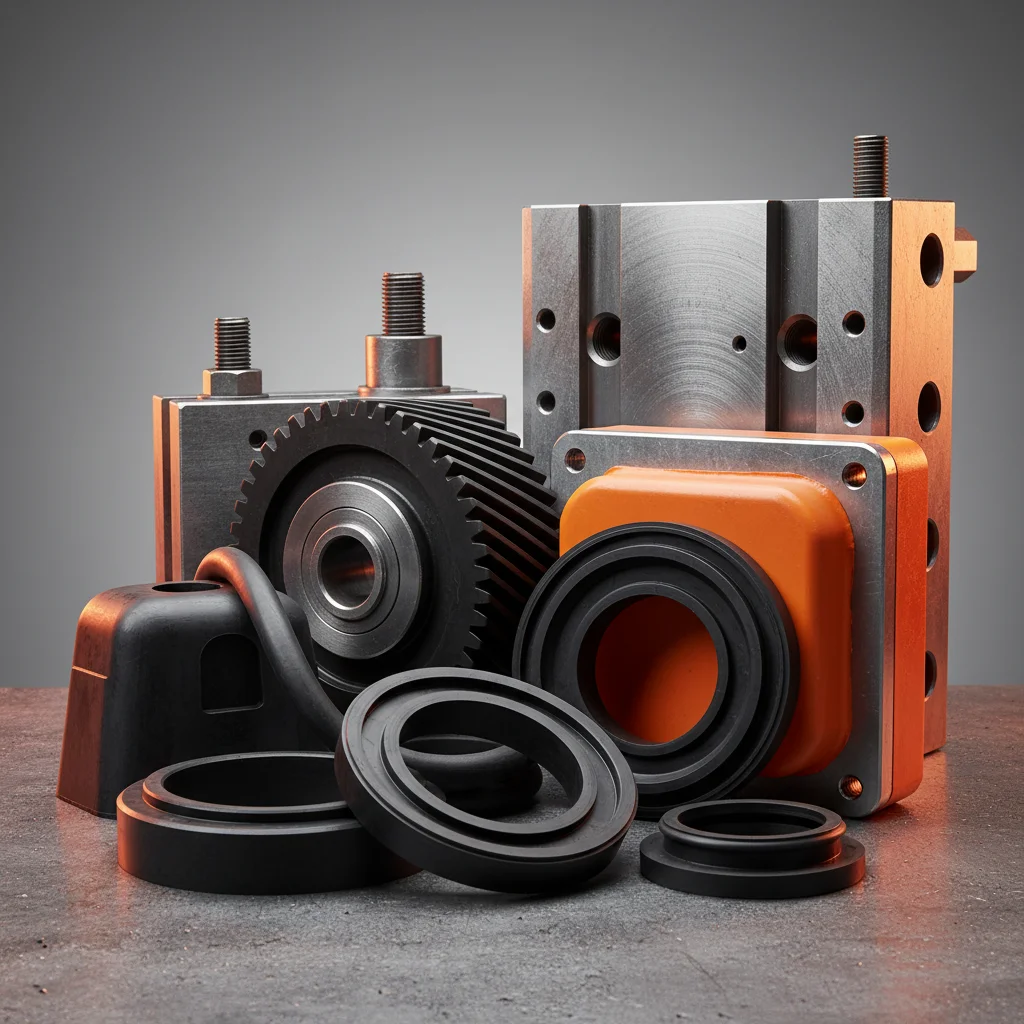
Two tone plastic products are increasingly vital across numerous industries, offering a compelling blend of aesthetic appeal, functional versatility, and cost-effectiveness. This trend isn't merely cosmetic; it reflects a growing demand for products that stand out visually while maintaining robust performance characteristics. From consumer goods to automotive components, the ability to combine different colors and textures within a single plastic part is driving innovation and enhancing brand identity.
Globally, the market for plastics continues to expand, fueled by population growth, urbanization, and the rising demands of a diverse array of sectors. Within this expansive market, two-tone molding represents a significant and growing segment. The demand for visually appealing and functionally diverse plastic components is particularly strong in emerging economies, creating significant opportunities for manufacturers specializing in this technique. Understanding the nuances of two-tone plastic products is crucial for businesses looking to capitalize on these trends.
The benefits of utilizing two tone plastic products extend beyond aesthetics. This manufacturing process often streamlines production, reducing assembly time and costs. Furthermore, it can enhance product functionality by integrating soft-touch grips or different material properties within a single component. This versatility is a key driver of its increasing adoption across various industries.
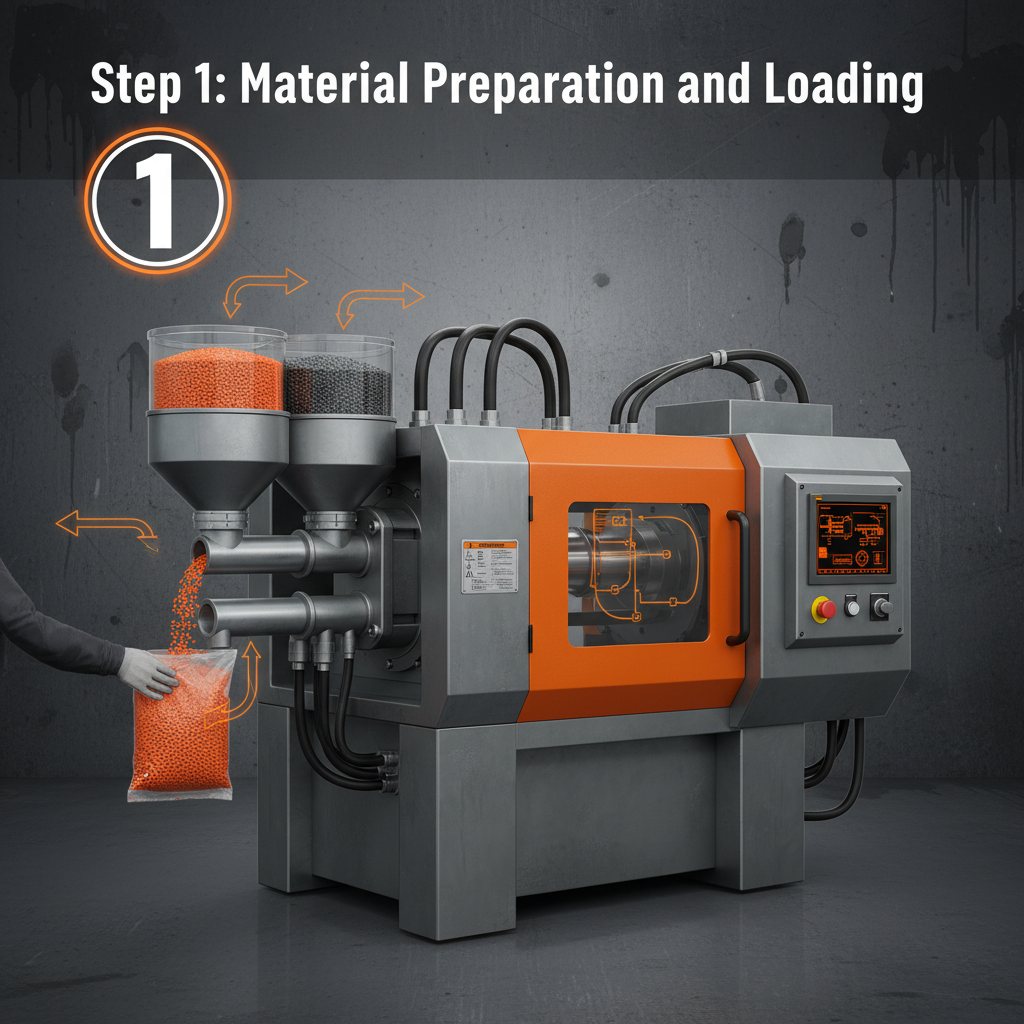
Introduction to Two tone plastic products
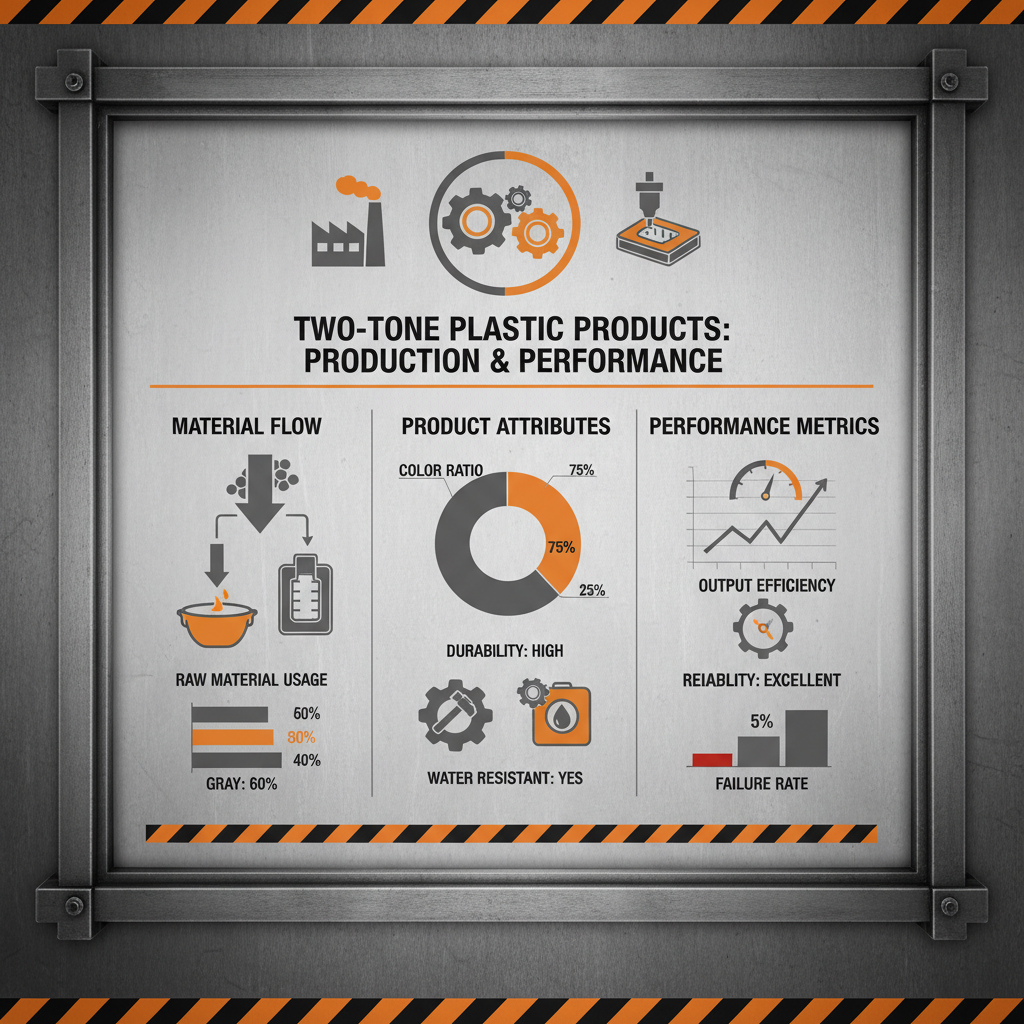
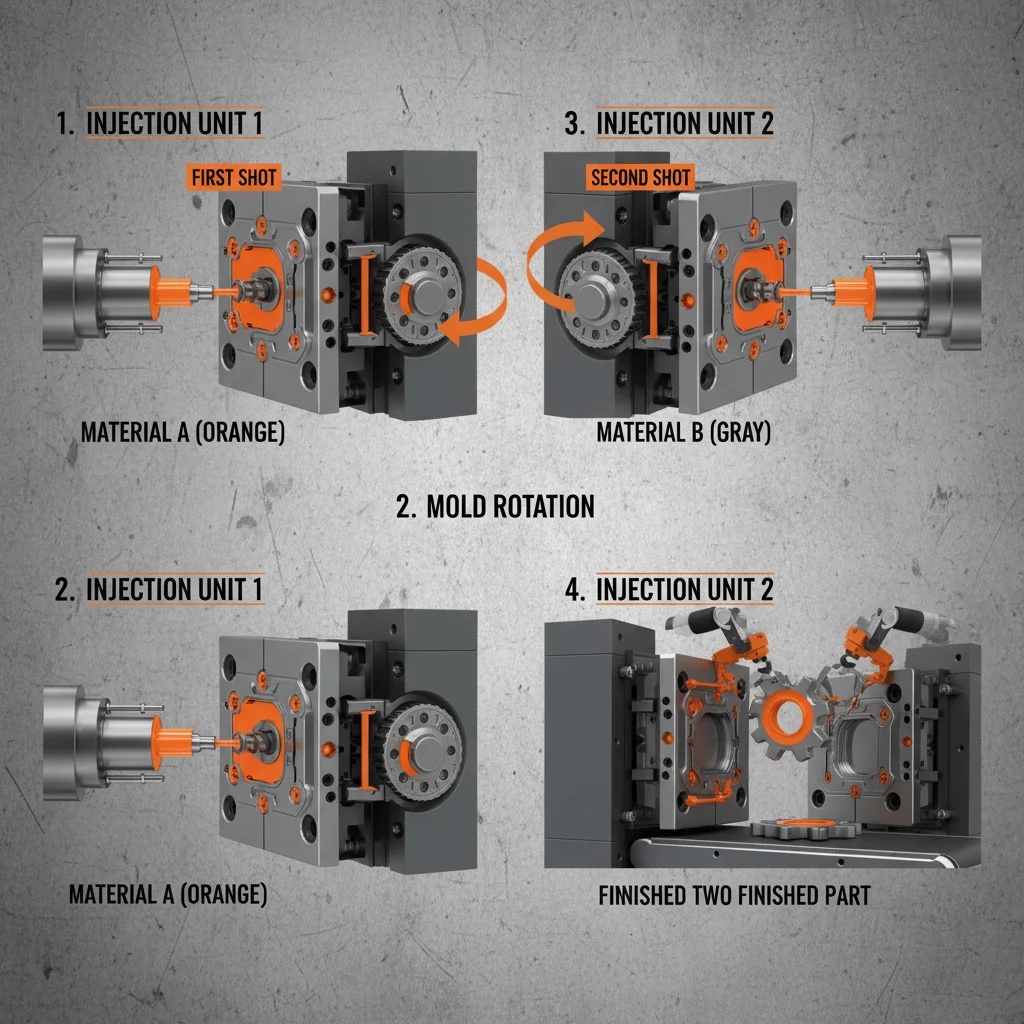
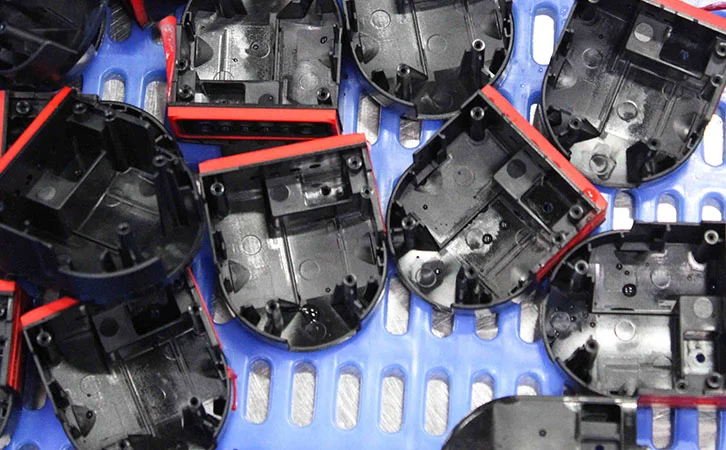
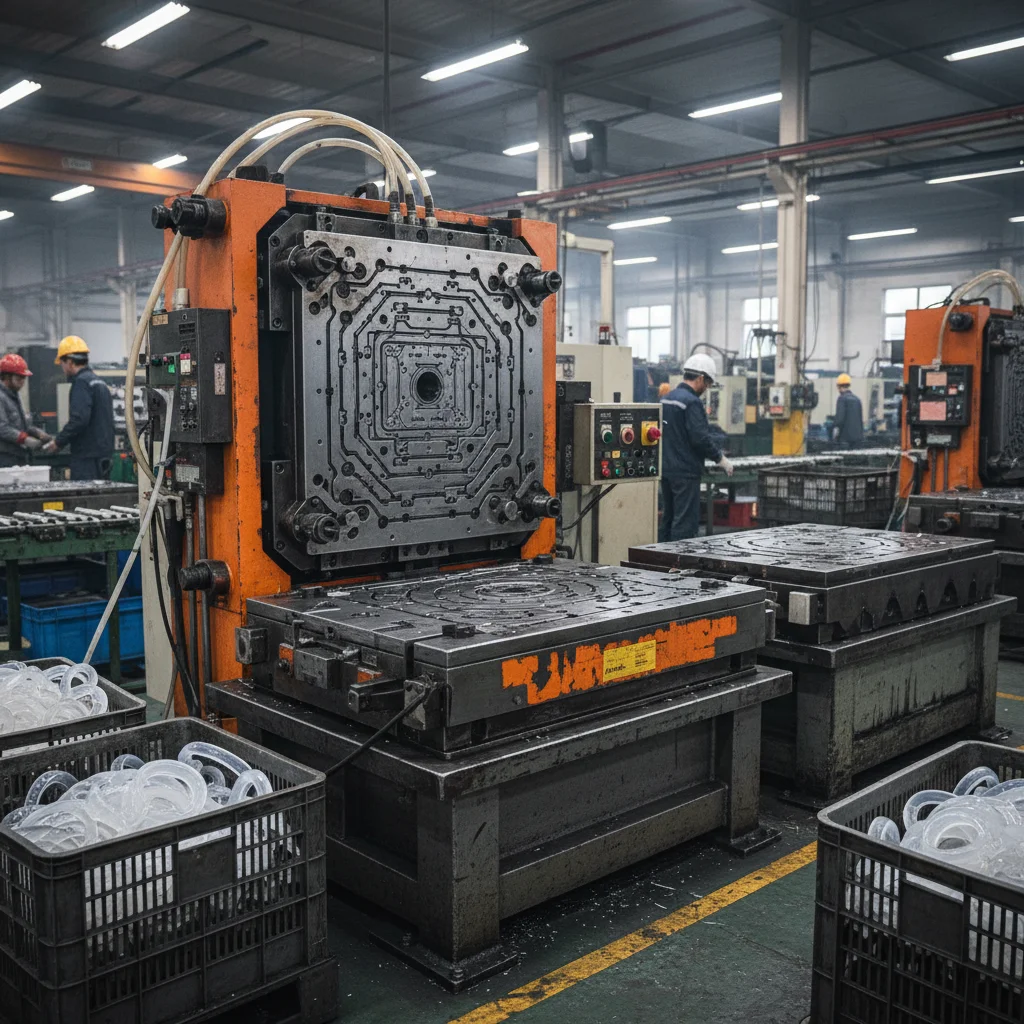
Two tone plastic products are manufactured utilizing specialized injection molding techniques, allowing for the simultaneous creation of parts with multiple colors or materials in a single process. This eliminates the need for secondary operations like painting or assembly, contributing to significant cost and time savings. The technique leverages the precision of modern molding machines to deliver consistently high-quality results.
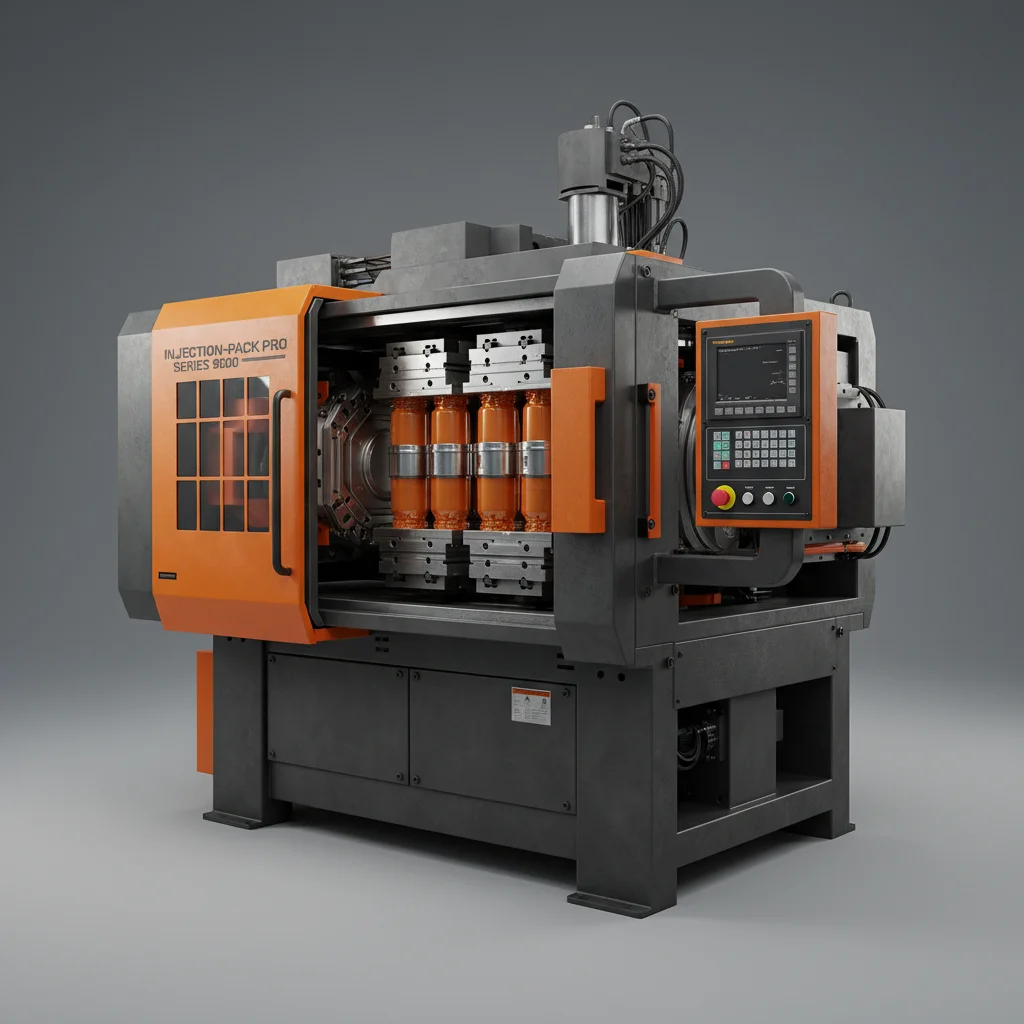
The process typically involves a rotary injection molding machine with two or more injection units, each dedicated to a different color or material. These units simultaneously inject the plastic into the mold, creating a seamless, aesthetically pleasing product. This integrated approach not only improves efficiency but also enhances product design possibilities.
FAQS
Two-tone molding provides a much more durable and aesthetically pleasing finish compared to painting. Painting can chip or fade over time, while the colors in two-tone molding are permanently bonded to the plastic. Additionally, two-tone molding eliminates the need for masking and painting processes, reducing production time and costs. It allows for greater design flexibility and can incorporate different material properties into a single part, something painting cannot achieve.
Commonly used plastics include Polypropylene (PP), Acrylonitrile Butadiene Styrene (ABS), Polycarbonate (PC), and Thermoplastic Polyurethane (TPU). Material compatibility is crucial, so often, polymers from the same family are paired. Soft-touch materials like TPU are frequently overmolded onto harder substrates like PP or ABS to provide a comfortable grip. The specific choice depends on the desired properties of the final product, such as flexibility, durability, and chemical resistance.
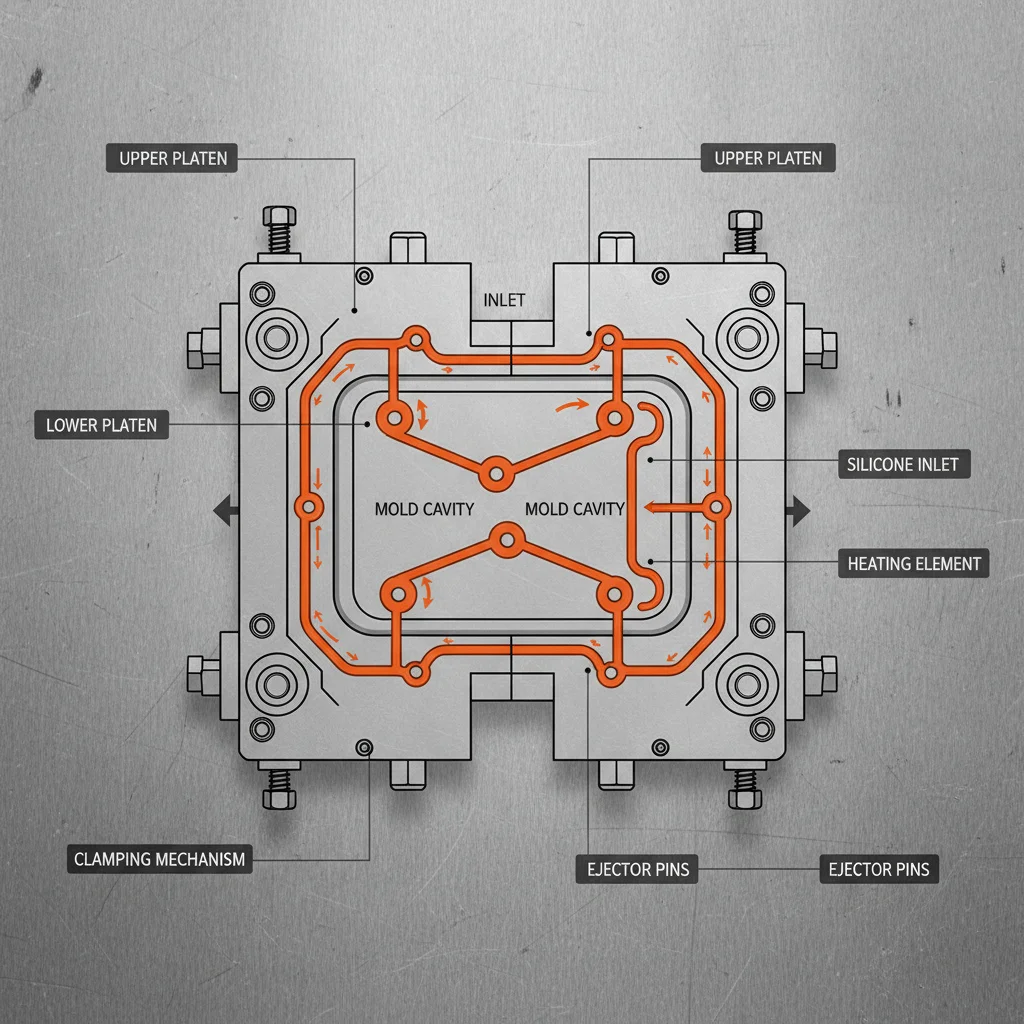
Mold design is paramount. The mold must accurately control the injection of two different materials simultaneously, ensuring precise alignment and bonding. Factors like gating systems, runner designs, and cooling channels all play a critical role. Poor mold design can lead to defects such as short shots, flash, delamination, and inconsistent color distribution. Simulation software is often used to optimize mold designs before manufacturing.
Tooling lead time for a two-tone mold typically ranges from 4 to 8 weeks, depending on the complexity of the design. Production lead times vary based on order quantity and part size, but generally fall between 2 to 6 weeks after tooling completion. Factors like material availability and production capacity can also influence lead times. Early communication and planning are crucial to ensure timely delivery.
While the initial tooling cost for two-tone injection molding is typically higher due to the increased complexity of the mold, the overall cost per part can be lower than single-color molding with secondary painting or assembly operations. The elimination of these secondary steps reduces labor costs and material waste, resulting in cost savings in the long run. The benefits of improved aesthetics and durability also contribute to the value proposition.
Material selection is crucial. Using compatible polymers from the same family helps ensure a strong bond. Undercuts should be minimized to allow for proper material flow and prevent stress concentrations. Surface preparation and adhesion promoters can also be used to enhance bonding. Proper mold temperature control and injection parameters are vital for achieving optimal adhesion. A mechanical interlocking feature (like a rib) can also add to bonding strength.
Conclusion
Two tone plastic products represents a sophisticated and versatile manufacturing technique offering significant advantages in terms of aesthetics, functionality, and cost-effectiveness. From automotive components to medical devices, the ability to combine colors and materials in a single process is driving innovation across numerous industries. Understanding the key factors – material compatibility, mold design, and process control – is essential for successful implementation.
Looking ahead, advancements in materials science, automation, and digital technologies will further expand the capabilities of two-tone molding. Embracing these innovations and prioritizing sustainability will be crucial for manufacturers seeking to remain competitive in a rapidly evolving market. Explore the potential of two tone plastic products for your next project – visit our website at www.ytlsrmold.com.
-
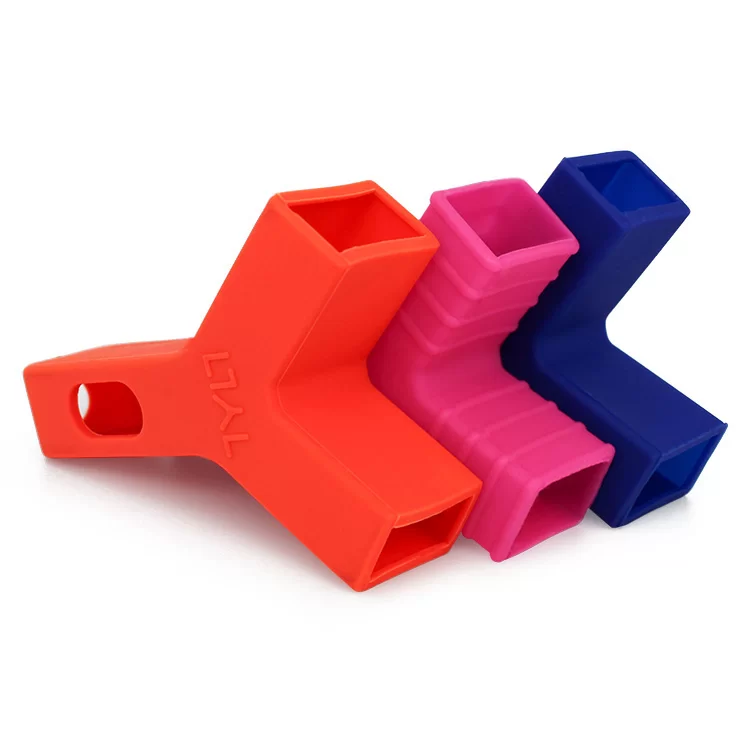
The liquid silicone shell can be processed and produced in multiple colors, showcasing a unique style.
-
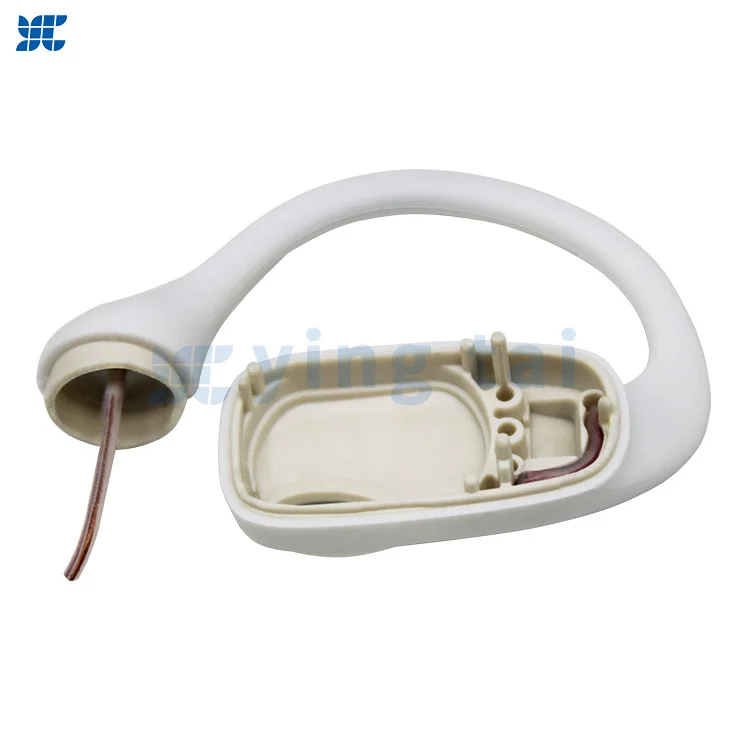
Yingtai factory has automated production lines and an international standard quality control system, providing stable and high-quality Bluetooth earphones for bulk delivery.
-
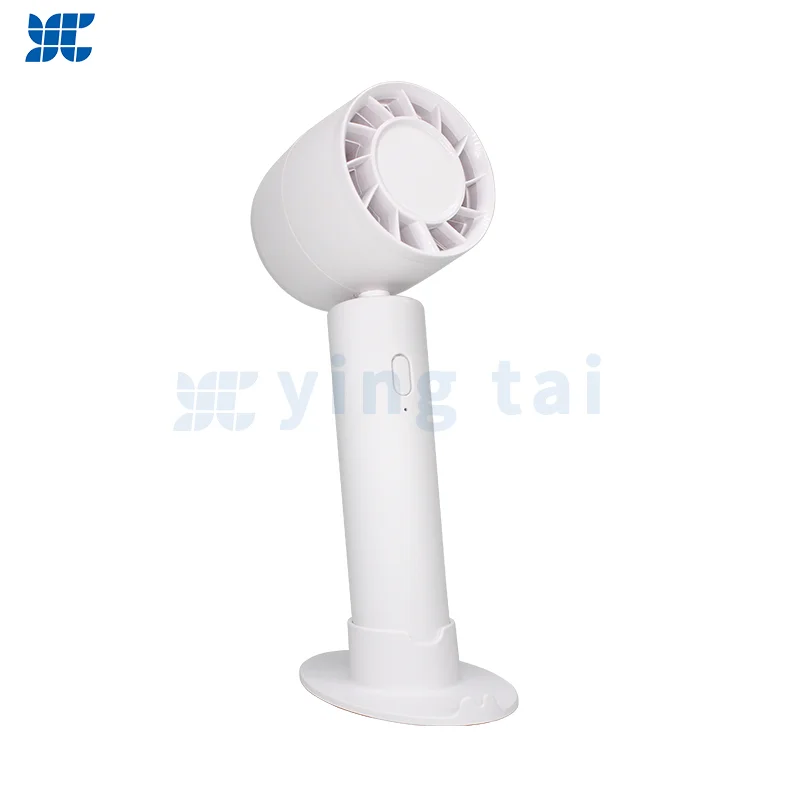
The desktop small fan can flexibly turn up, down, left, and right, adjust the wind speed in multiple gears, and charge via USB interface.