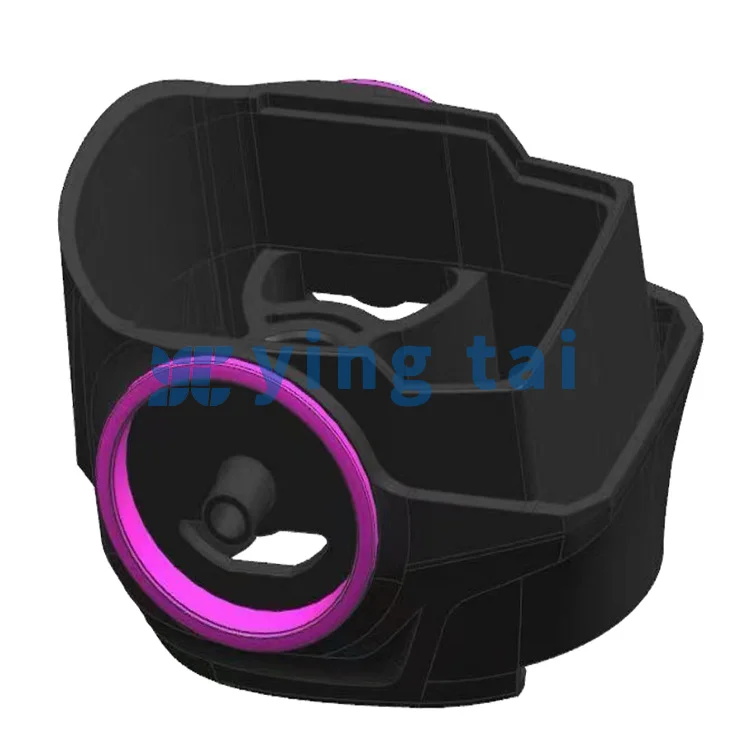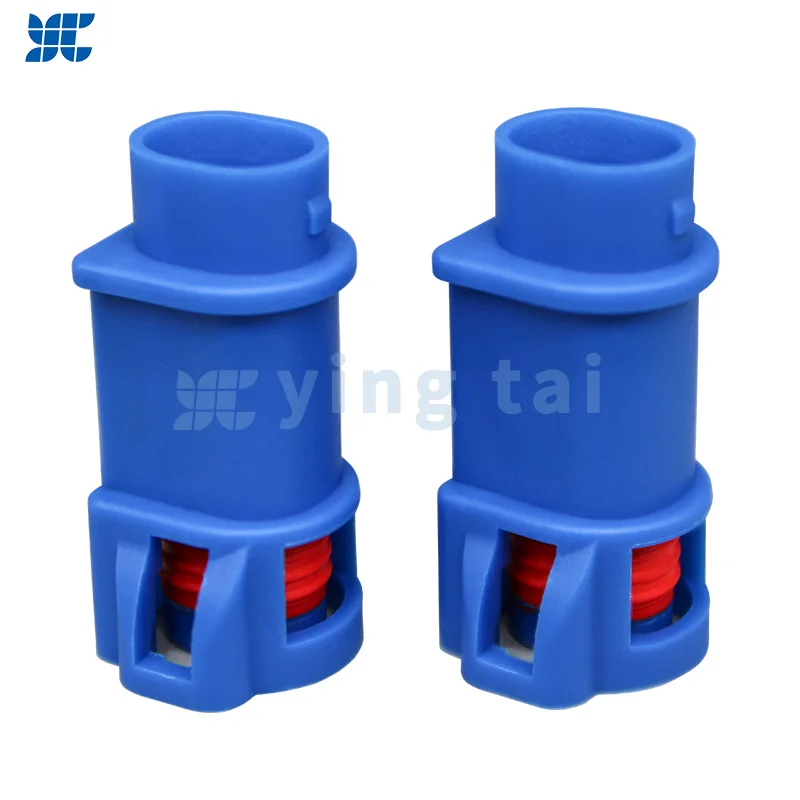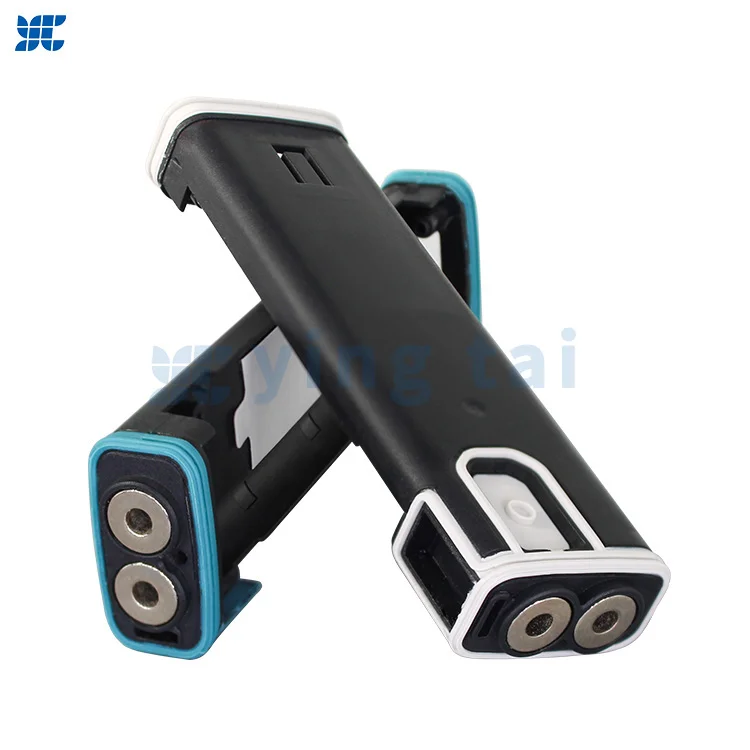
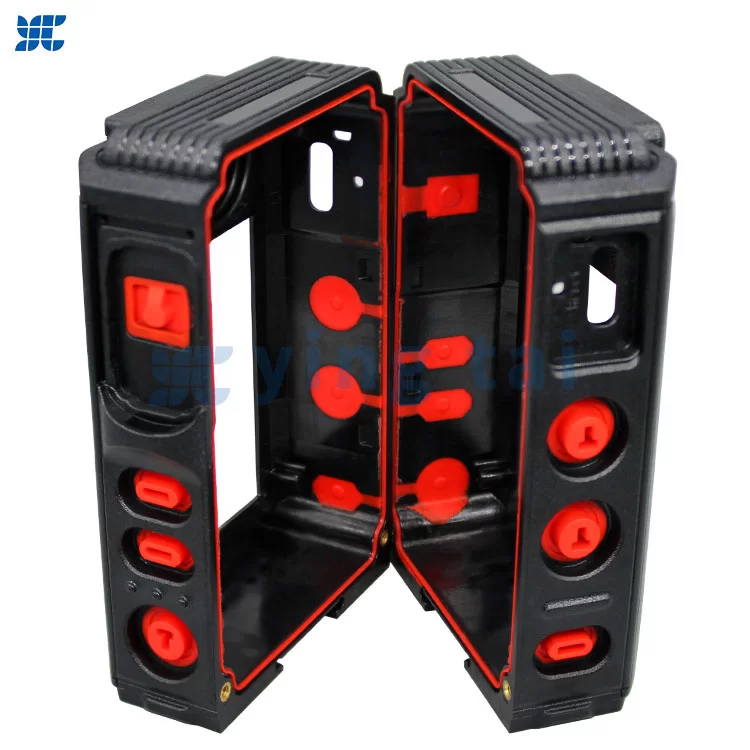
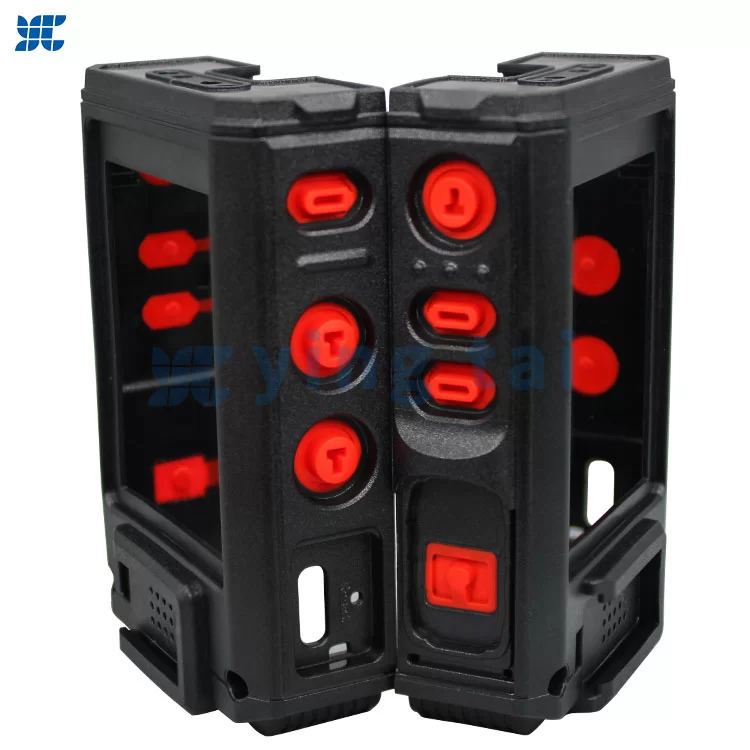
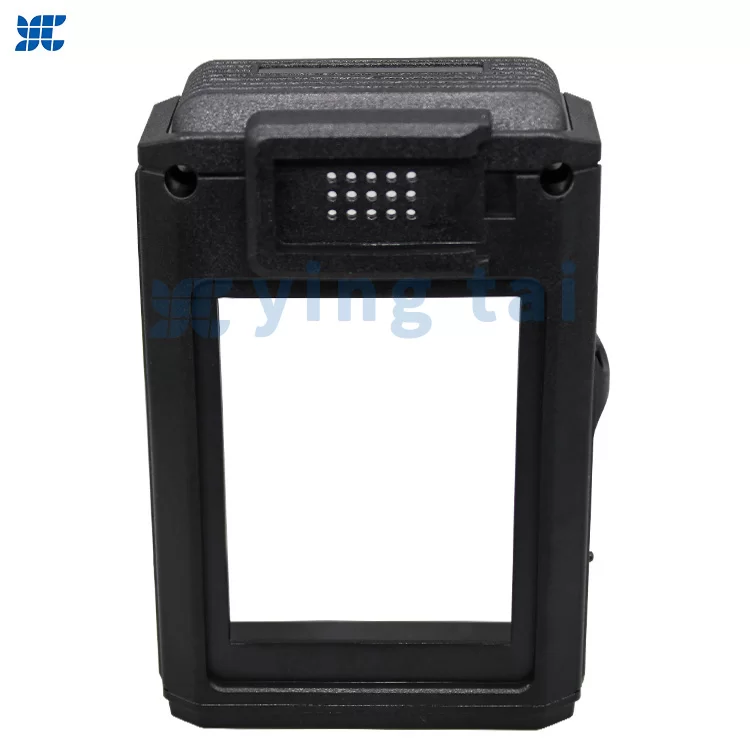
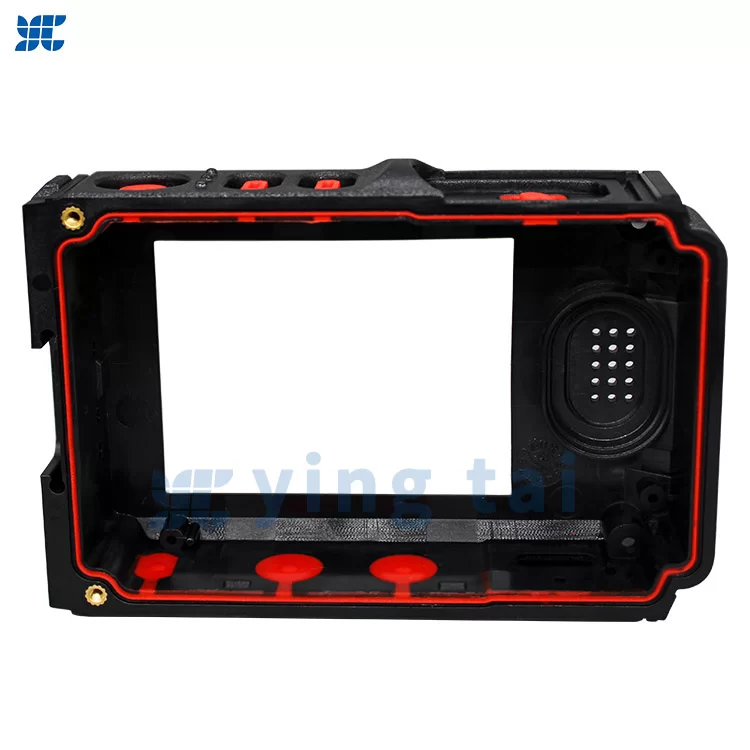
Electronic Injection Molded Casing with LSR Silicone Button & Plastic Frame (YT-021214)
✓Model & Structure: YT-021214 electronic injection-molded casing with integrated LSR button & perimeter seal (Liquid Silicone + Plastic + Hardware)
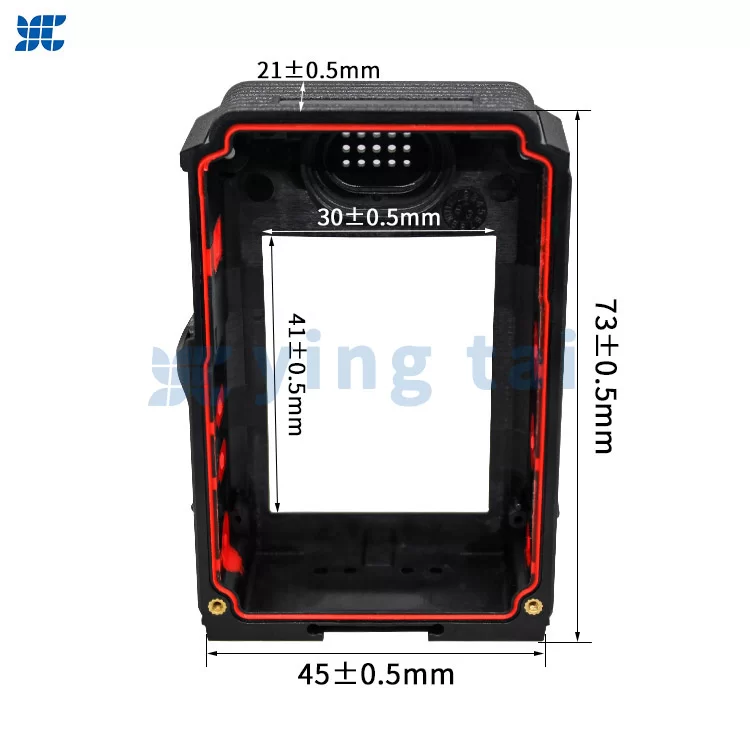
✓Core & Overall Size: 30 ± 0.5 × 41 ± 0.5 mm (Body W × H) / 45 ± 0.5 × 21 ± 0.5 × 73 ± 0.5 mm (Overall L × W × H)
✓Weight & Colorway: 16 g (0.56 oz) lightweight multi-material housing; high-contrast Black + Red finish
✓Sealing & Tactile Performance: Comprehensive LSR edge-wrapping waterproof seal paired with UV-resistant, crisp-actuation silicone buttons
✓OEM Customization: Custom button actuation force, Shore A hardness, hardware inserts, and Pantone colors per drawings or samples
Product Overview
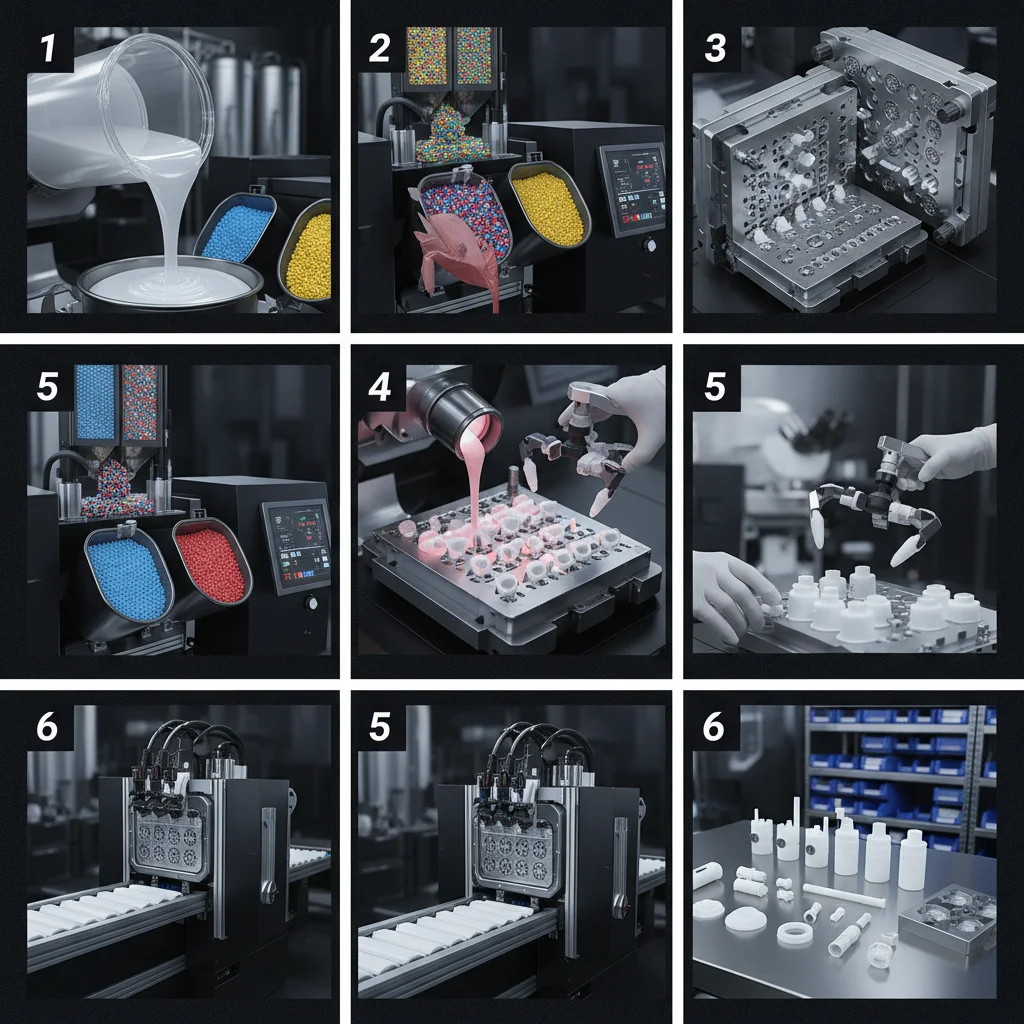
The YT-021214 is a precision electronic injection molded casing featuring integrated liquid silicone buttons and an LSR-wrapped plastic frame. Manufactured using multi-material insert and overmolding processes, this 16 g Black + Red housing combines a rigid plastic structural frame, embedded metal hardware, and a comprehensive edge-wrapping liquid silicone rubber (LSR) seal. Its UV-resistant silicone buttons and seamless waterproof perimeter gasket maintain consistent tactile feedback and environmental protection across outdoor electronics, automotive control panels, and industrial enclosures.
Technical Specifications & Metric-to-Imperial Conversion
All dimensional values below reflect the baseline YT-021214 reference tooling. Final production tolerances and specifications are verified against actual approved samples and customer engineering drawings.
| Parameter | Specification (Metric / Imperial Ref.) |
|---|---|
| Product Name | Electronic Casing with LSR Button & Plastic Frame |
| Model Number | YT-021214 (Custom OEM / ODM Tooling) |
| Section Height (H) | 41 ± 0.5 mm (1.614 ± 0.020 in) |
| Section Width (W) | 30 ± 0.5 mm (1.181 ± 0.020 in) |
| Total Length | 45 ± 0.5 mm (1.772 ± 0.020 in) |
| Total Width | 21 ± 0.5 mm (0.827 ± 0.020 in) |
| Total Height | 73 ± 0.5 mm (2.874 ± 0.020 in) |
| Material Composition | Liquid Silicone Rubber (LSR) + Engineering Plastic + Hardware |
| Standard Color | Black + Red (Custom Pantone color matching available) |
| Unit Weight | 16 g (0.56 oz approx. net weight) |
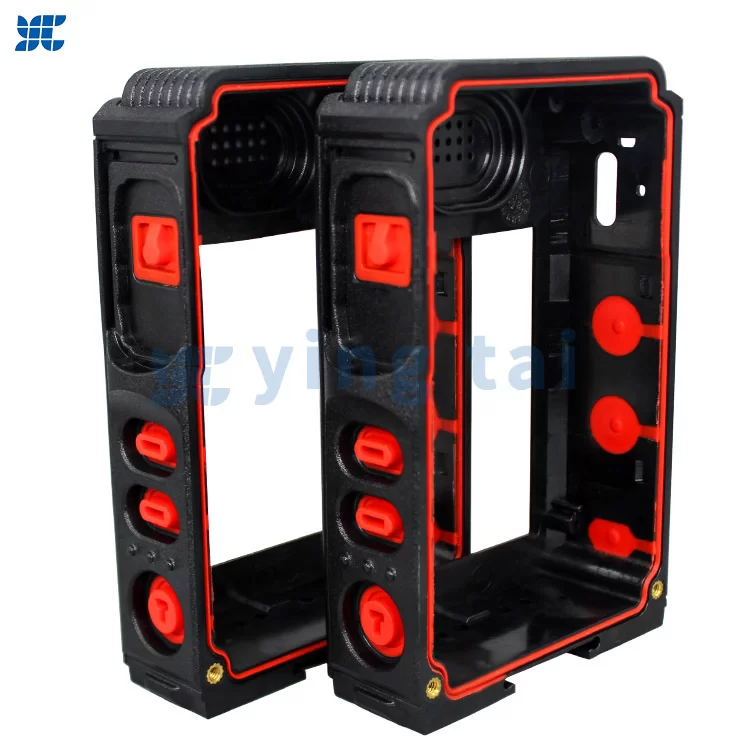
Three-Material Structure & LSR Overmolding Breakdown
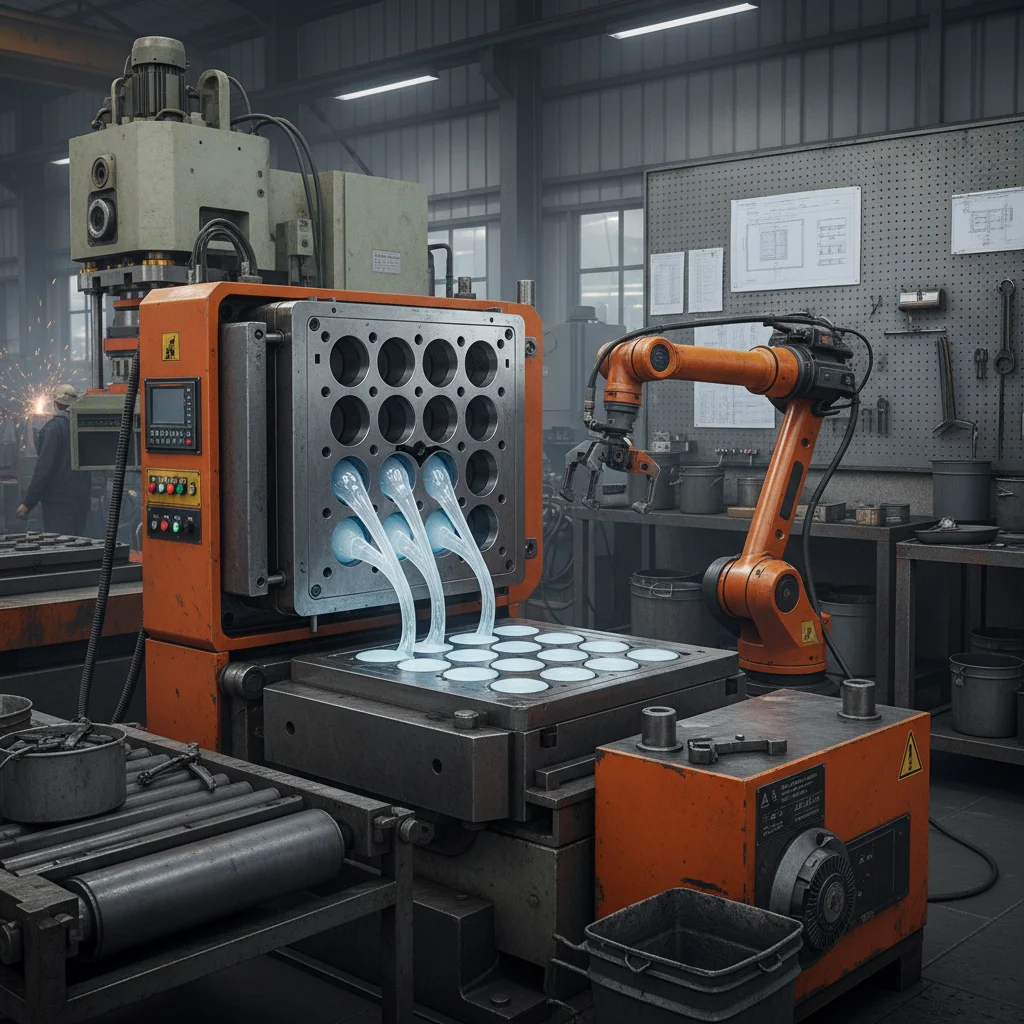
Integrating a flexible tactile button membrane, a perimeter waterproof gasket, a rigid plastic housing, and metal hardware into one 16 g assembly eliminates manual gasket and keypad assembly:
01. UV-Resistant Liquid Silicone Rubber (LSR) Button & Edge Seal
Functional Role: Delivers responsive tactile button actuation alongside a continuous edge-wrapping perimeter seal that blocks water, dust, and environmental ingress.
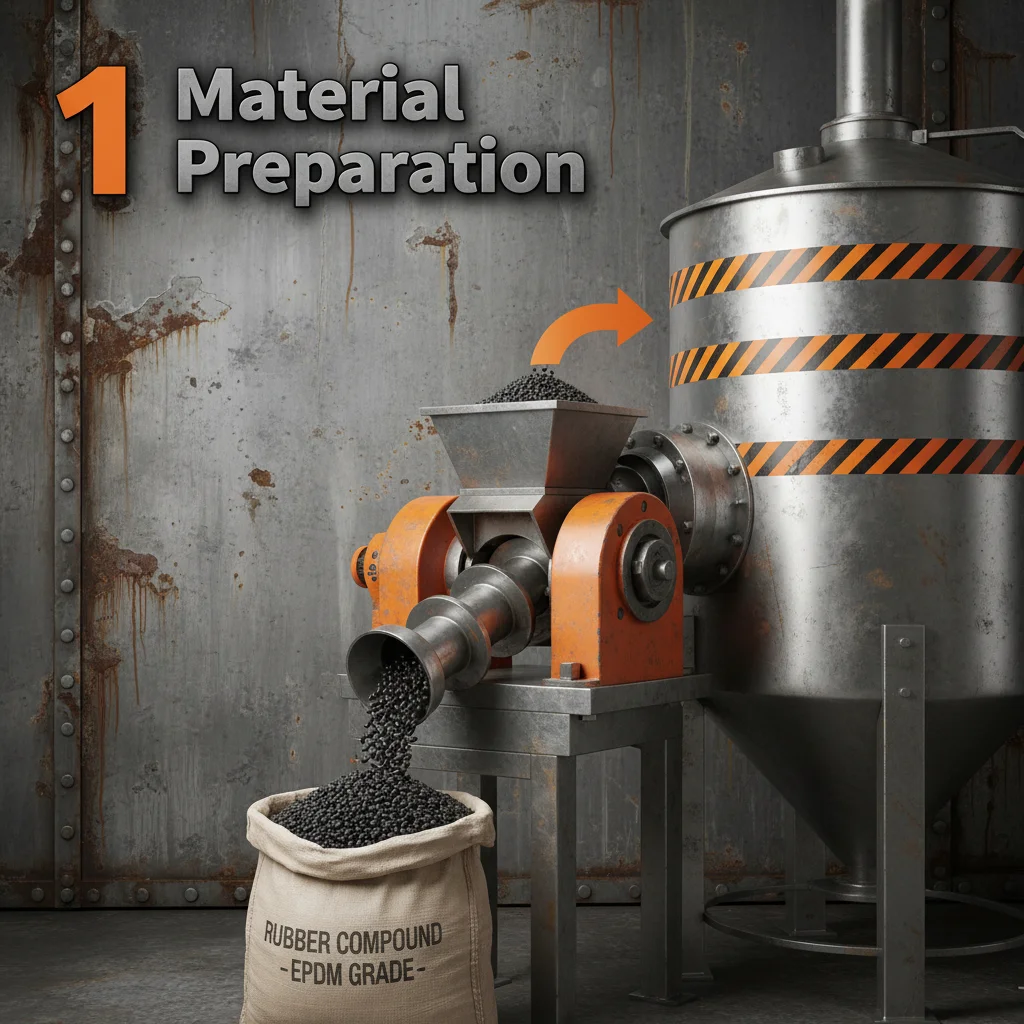
Manufacturing Control: Platinum-cured LSR resists sunlight UV degradation, surface fading, and elastomer embrittlement across extended outdoor and automotive service cycles.
02. Precision Injection-Molded Plastic Casing Frame
Functional Role: Provides rigid structural support across the 45 × 21 × 73 mm outer envelope, guiding button travel and anchoring internal PCB assemblies.
Manufacturing Control: Heat-stabilized engineering plastic withstands secondary LSR vulcanization temperatures while maintaining tight dimensional stability.
03. Integrated Metal Hardware Inserts
Functional Role: Provides durable mechanical mounting points and electrical contact interfaces within the compact housing.
Manufacturing Control: Pre-positioned hardware inserts are securely locked into cavity fixtures prior to shot injection to ensure consistent alignment.
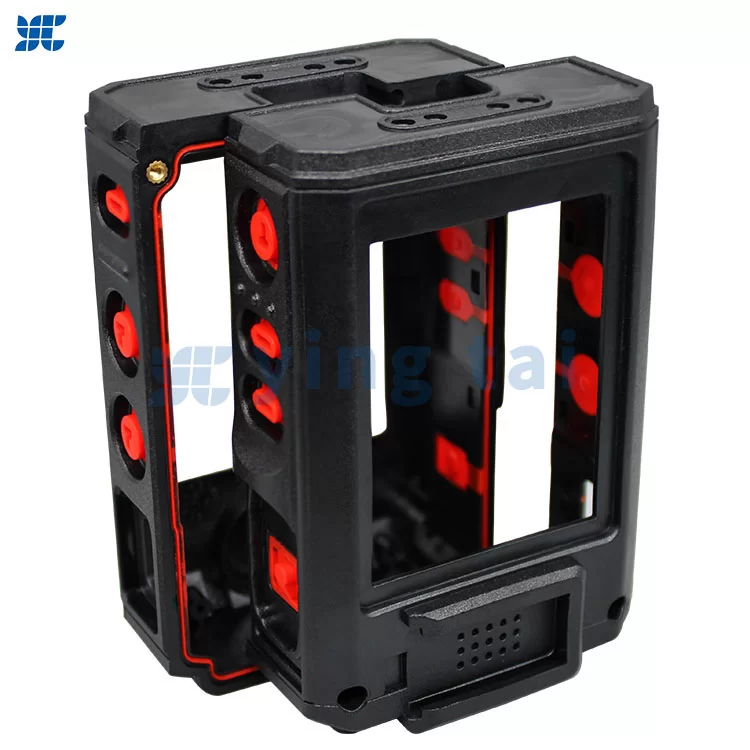
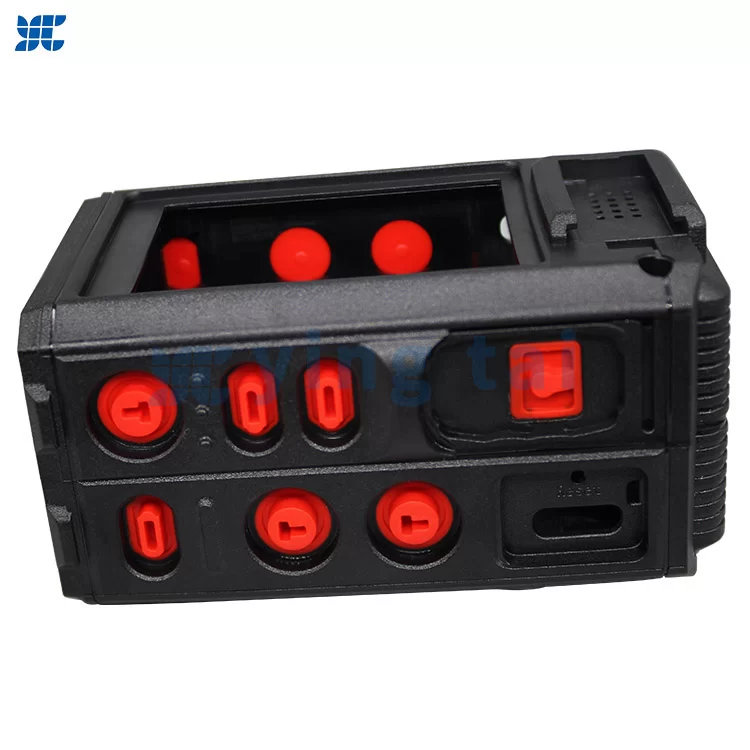
Industrial Applications & Export Packaging
Engineered for rugged human-machine interfaces exposed to weather, vibration, and frequent actuation, the YT-021214 casing and custom LSR silicone package plastic frames are widely used across:
Outdoor Handheld Electronics & Field Instruments: Weatherproof control housings and UV-resistant tactile keypads for handheld testers, GPS terminals, and outdoor remotes.
Automotive Dashboards & Cabin Controls: Sealed switch bezels and multi-color LSR overmolded button modules resistant to sunlight exposure and cabin temperature swings.
Industrial Control Panels & Smart Appliances: Moisture- and dust-sealed operator interfaces engineered to client 2D/3D CAD files or physical samples.
B2B Export Packaging & Customization Workflow
Button Dome & Edge Seal Protection: Precision 16 g casings are arranged in custom blister trays or clean anti-static PE bags to prevent button dome compression and keep silicone sealing lips dust-free.
Export Cartons & Palletizing: Packed in moisture-resistant double-wall corrugated cartons with clear SKU/lot traceability labels, stacked on ISPM-15 fumigation-free pallets for global air or sea shipment.
Custom Tactile & Color Matching: Button actuation force, Shore A LSR hardness, laser-etched legends, and Black + Red or custom Pantone colors can be tailored to your assembly.