Choosing the Right Liquid Silicone Accessory Mold Processing Factory
In the modern manufacturing landscape, the precision of your tooling determines the quality of your final product. Finding a professional liquid silicone accessory mold processing factory is essential for brands aiming to produce high-performance silicone components with tight tolerances. Whether you are developing medical devices, wearable electronics, or industrial seals, the complexity of Liquid Silicone Rubber (LSR) requires specialized engineering and advanced machinery. This guide explores the critical factors in mold processing and why partnering with a specialized factory can accelerate your time-to-market while reducing waste.

The Core Capabilities of a Premier Liquid Silicone Accessory Mold Processing Factory
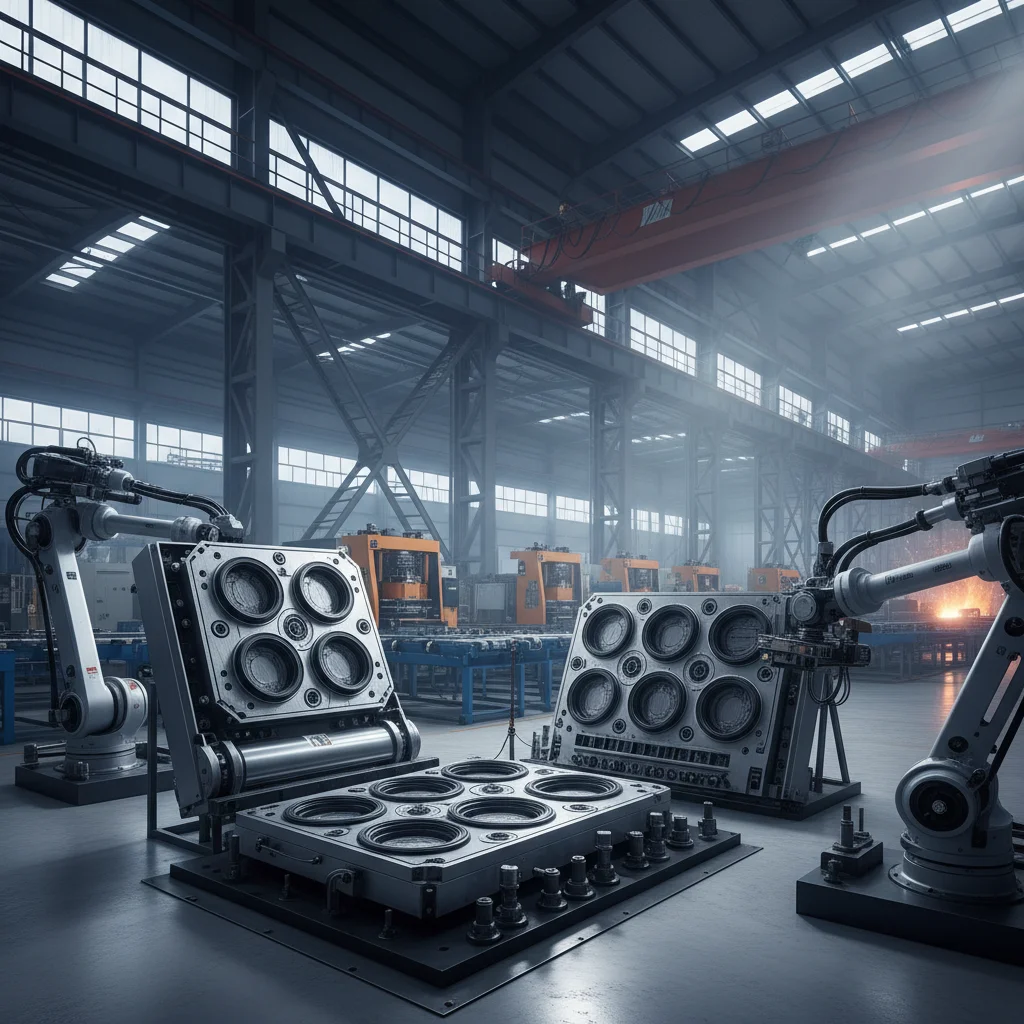
A top-tier liquid silicone accessory mold processing factory does more than just cut steel; they provide a comprehensive engineering ecosystem. Precision CNC machining and EDM (Electrical Discharge Machining) are the backbone of LSR mold making, allowing for the creation of intricate runners and venting systems that prevent air traps. Because liquid silicone has an extremely low viscosity, the mold must be sealed with micron-level precision to avoid "flash" (excess material). Expert factories employ advanced simulation software to predict material flow and shrinkage, ensuring that the first prototype is as close to the final production part as possible.
Technical Edge: Modern LSR molds often incorporate automatic degassing and vacuum systems, which are critical for producing bubble-free, optically clear, or medical-grade silicone accessories.
Precision Standards in LSR Mold Processing
When evaluating a liquid silicone accessory mold processing factory, it is vital to look at their tolerance standards. Since LSR parts are often used in high-precision environments, the mold must be crafted from high-grade tool steel (such as S136 or H13) and polished to a mirror finish. This reduces friction during ejection and improves the surface quality of the accessory. Furthermore, the integration of optimized cooling channels ensures a consistent cycle time, which is paramount for high-volume mass production.
Material Compatibility at a Liquid Silicone Accessory Mold Processing Factory
Not all silicone is created equal. A professional liquid silicone accessory mold processing factory must understand the chemical nuances of different LSR grades. From high-consistency rubber (HCR) to medical-grade liquid silicone, each material has a different curing temperature and shrinkage rate. The mold must be designed to accommodate these variables to prevent warping or internal stress. By optimizing the gate position and runner diameter, the factory ensures a uniform fill, which is critical for maintaining the structural integrity of complex accessory geometries.
Key Material Considerations:
• Medical Grade: Requires ultra-clean mold processing and biocompatible steel.
• Industrial Grade: Focuses on heat resistance and oil-repellent properties.
• Consumer Grade: Prioritizes color consistency and tactile soft-touch finishes.
The Workflow of a Professional Liquid Silicone Accessory Mold Processing Factory
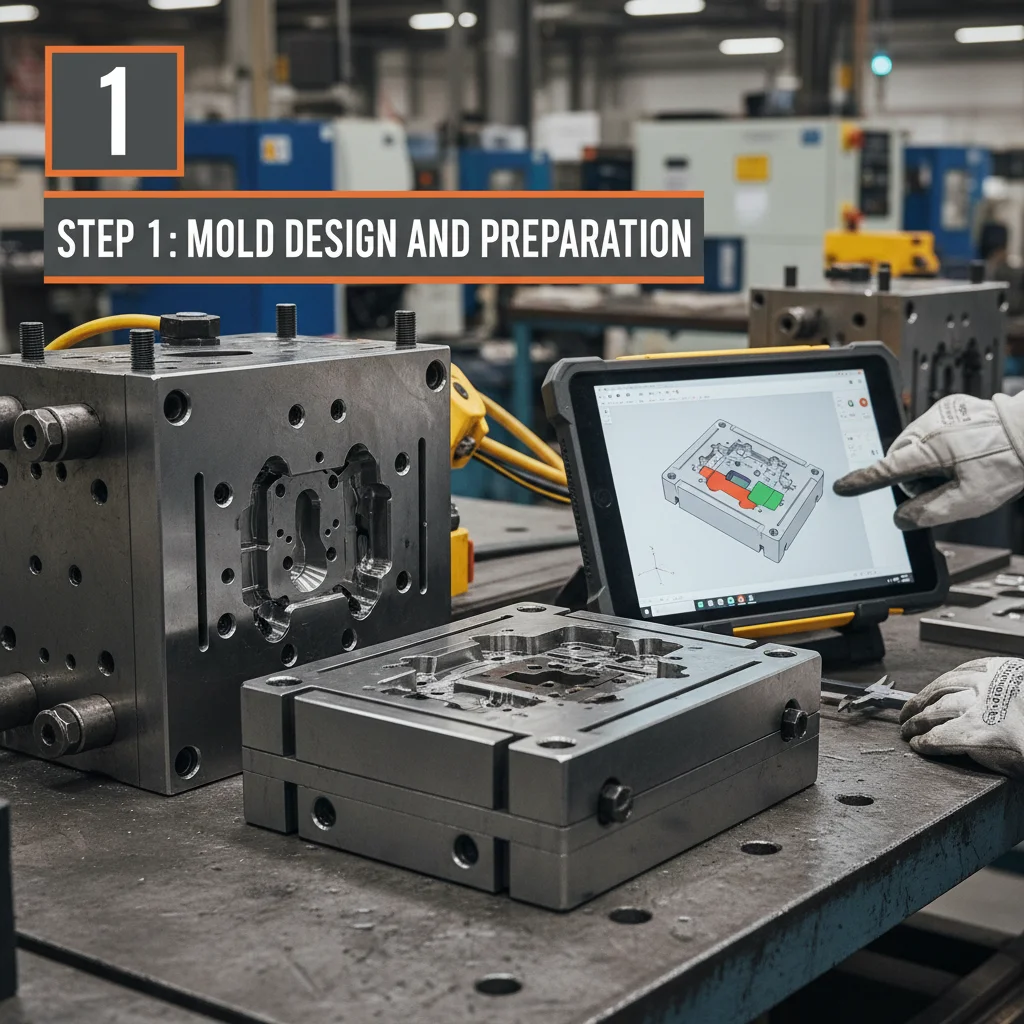
Efficiency in production starts with a streamlined workflow. A reputable liquid silicone accessory mold processing factory typically follows a rigorous five-step process: DFM Analysis (Design for Manufacturing), CAD Modeling, Precision Machining, T0 Sampling, and Final Validation. During the DFM stage, engineers identify potential pitfalls such as undercuts or thin walls that could cause the silicone to tear during demolding. This proactive approach saves clients thousands of dollars in redesign costs and reduces the project timeline significantly.

Cost-Efficiency and Quality Control in Mold Processing
Many companies mistake the lowest quote for the best value. However, in LSR molding, a cheap mold often leads to high scrap rates and frequent downtime. A professional liquid silicone accessory mold processing factory balances initial investment with long-term durability. By using high-cavitation designs and wear-resistant coatings, they increase the mold's lifespan from 500,000 to several million cycles. Rigorous quality control, including CMM (Coordinate Measuring Machine) inspections, ensures that every mold meets the exact specifications of the client's blueprints.
Future Trends in Liquid Silicone Mold Technology
The industry is shifting toward "Smart Tooling." Leading liquid silicone accessory mold processing factories are now integrating sensors into the molds to monitor pressure and temperature in real-time. This allows for autonomous adjustments during the injection process, virtually eliminating defects. Additionally, the rise of 3D-printed metal inserts is allowing for internal cooling geometries that were previously impossible to machine, further reducing cycle times and energy consumption for eco-friendly manufacturing.
Conclusion: Elevate Your Production with Expert Tooling
Success in silicone product development hinges on the quality of the mold. By partnering with a specialized liquid silicone accessory mold processing factory, you ensure that your products possess the precision, durability, and finish required to compete in today's global market. From initial DFM analysis to high-volume production, the right technical partner transforms complex designs into tangible, high-quality realities. Invest in precision today to secure your product's quality tomorrow.
Frequently Asked Questions (FAQs)
What is the difference between LSR molds and traditional rubber molds?
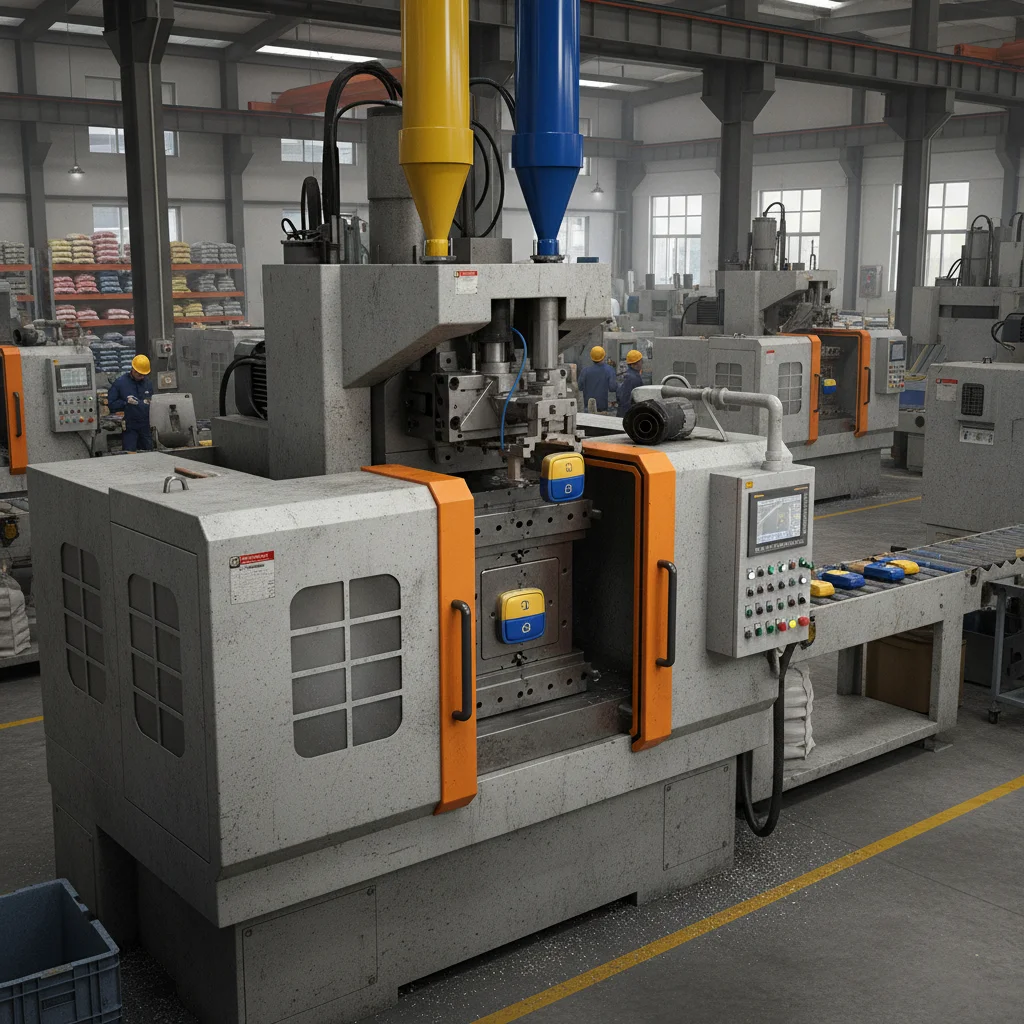
Liquid Silicone Rubber (LSR) molds are significantly more precise and are typically made from high-grade hardened steel to withstand high injection pressures and heat. Unlike traditional compression molding, LSR molding uses an injection process similar to plastic molding, requiring extremely tight shut-off surfaces to prevent the low-viscosity silicone from leaking (flashing). This allows for much more complex geometries and higher consistency across millions of parts, making a professional liquid silicone accessory mold processing factory essential for this specific technology.
How long does it typically take to develop a silicone accessory mold?
The lead time generally ranges from 3 to 6 weeks, depending on the complexity of the part. This includes the DFM analysis, CAD design, CNC machining, and the T0 sample testing phase. Simple accessories with single cavities are faster, while multi-cavity molds with complex sliding mechanisms take longer. Working with an experienced factory can often shorten this window through the use of standardized mold bases and advanced simulation software that reduces the need for multiple physical revisions.
Can you produce molds for medical-grade silicone accessories?
Yes, but it requires specific standards. Medical-grade LSR molding requires the use of non-contaminating tool steels (like stainless S136) and a clean-room environment for the final production. The mold must be designed for easy cleaning and sterilization. A specialized liquid silicone accessory mold processing factory will provide material certifications and ensure that no polishing compounds or lubricants remain on the mold surface, which could compromise the biocompatibility of the medical device.
What causes "flash" in silicone parts and how is it prevented?
"Flash" occurs when liquid silicone escapes through the parting line of the mold. This is caused by either poor mold sealing, worn-out tool steel, or excessive injection pressure. To prevent this, a high-end factory uses precision grinding and CNC milling to ensure the mating surfaces are perfectly flat. They also employ high-tonnage clamping machines to keep the mold tightly closed during the injection cycle. Regular maintenance and the use of hard-coated steels further minimize flash, ensuring a clean edge on every accessory.
-

The Nasal Interface is equipped with LSR silicone cushion and high transparency plastic accessories, which gently fit the sides of the nose and greatly reduce facial pressure marks.
-
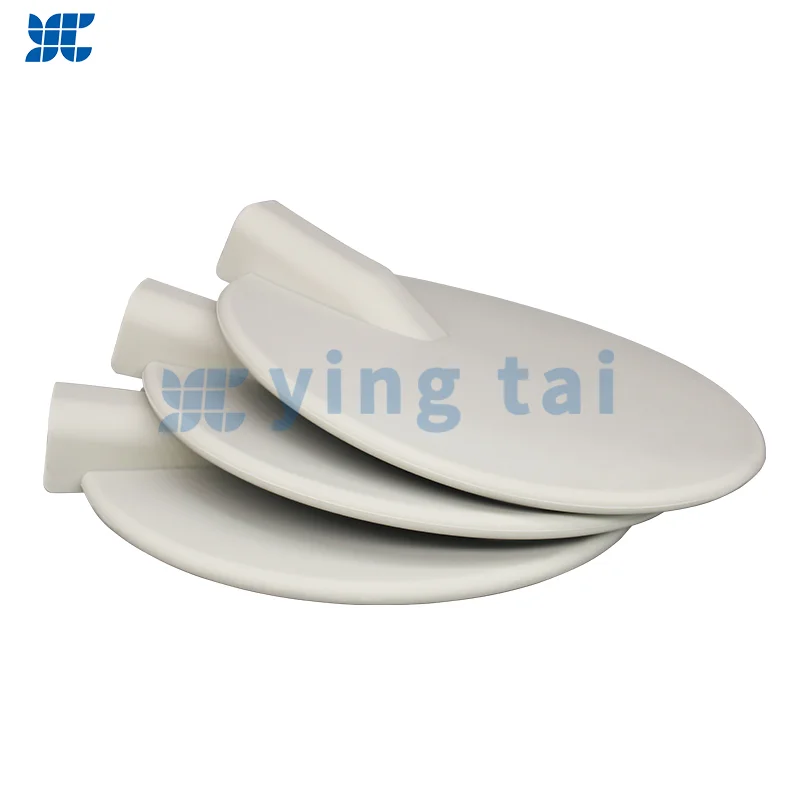 Looking for high-precision conductive liquid silicone accessories? Yingtai factory in China provides professional LSR processing and production. As leading suppliers of custom conductive silicone gaskets, our parts ensure superior EMI shielding and stable signal transmission.
-
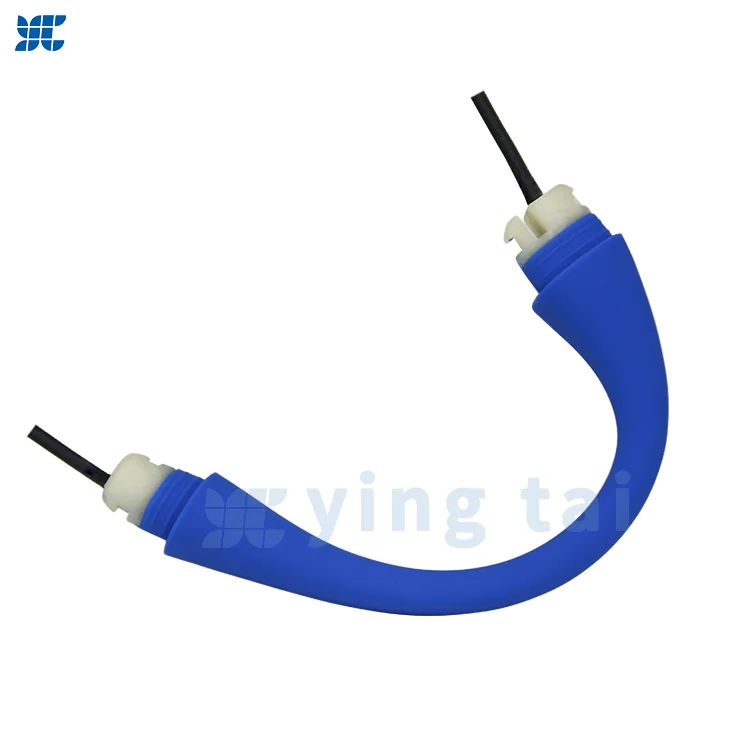
Bluetooth earphone accessories are made up of liquid silicone shell, plastic bracket, wires, etc.