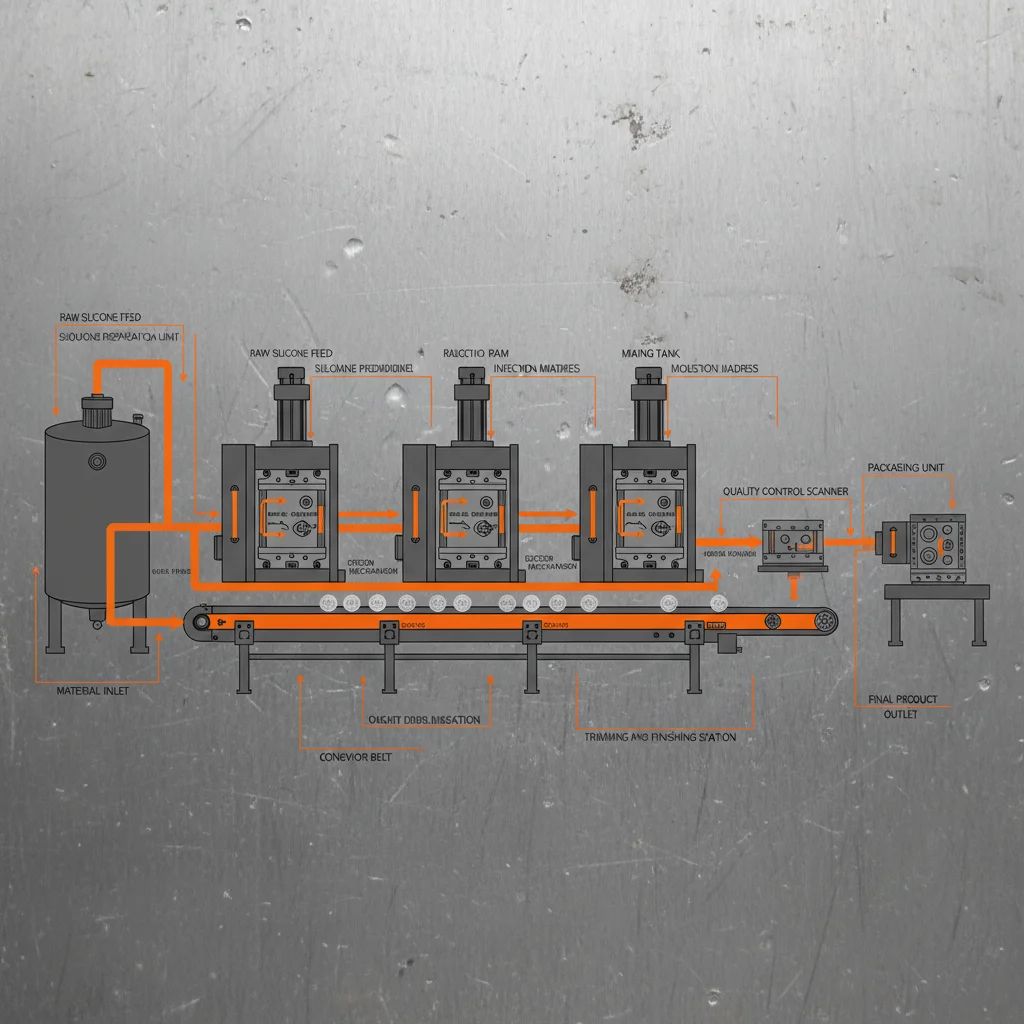
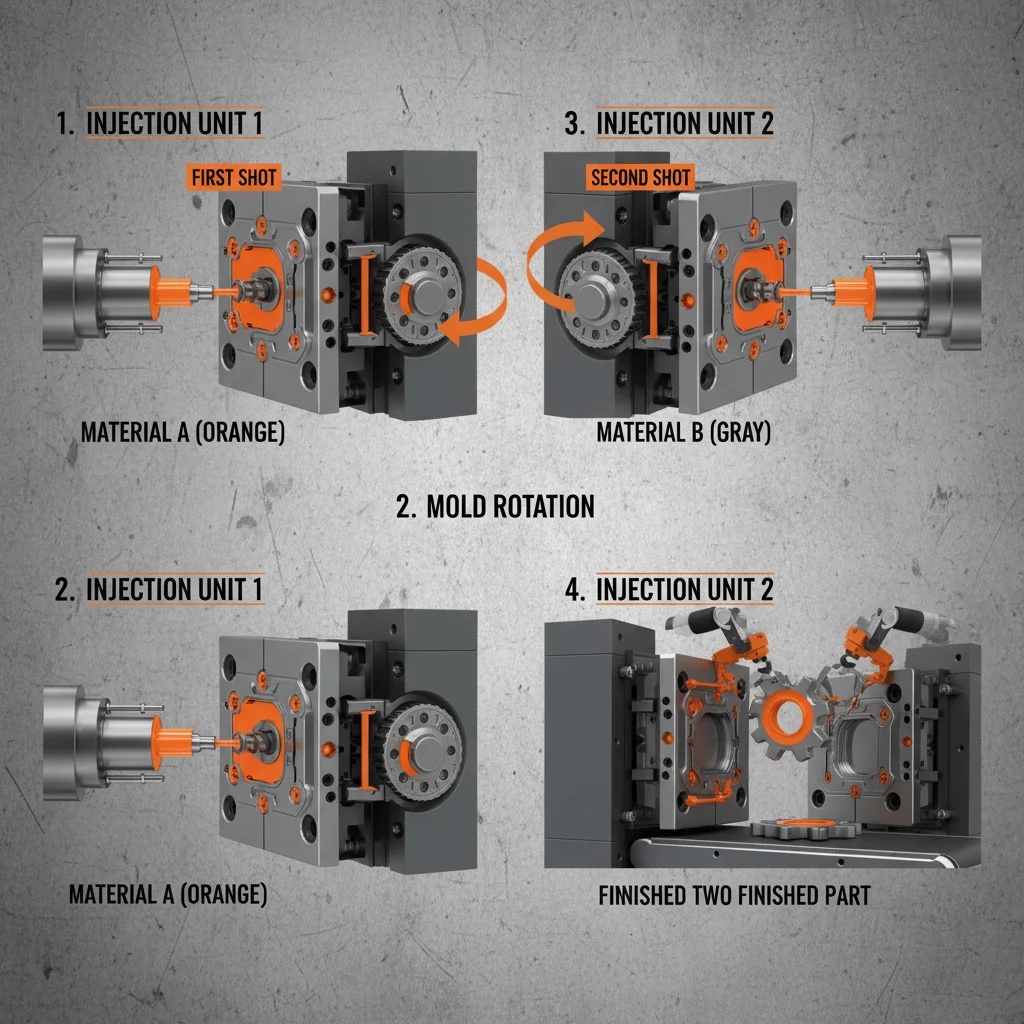
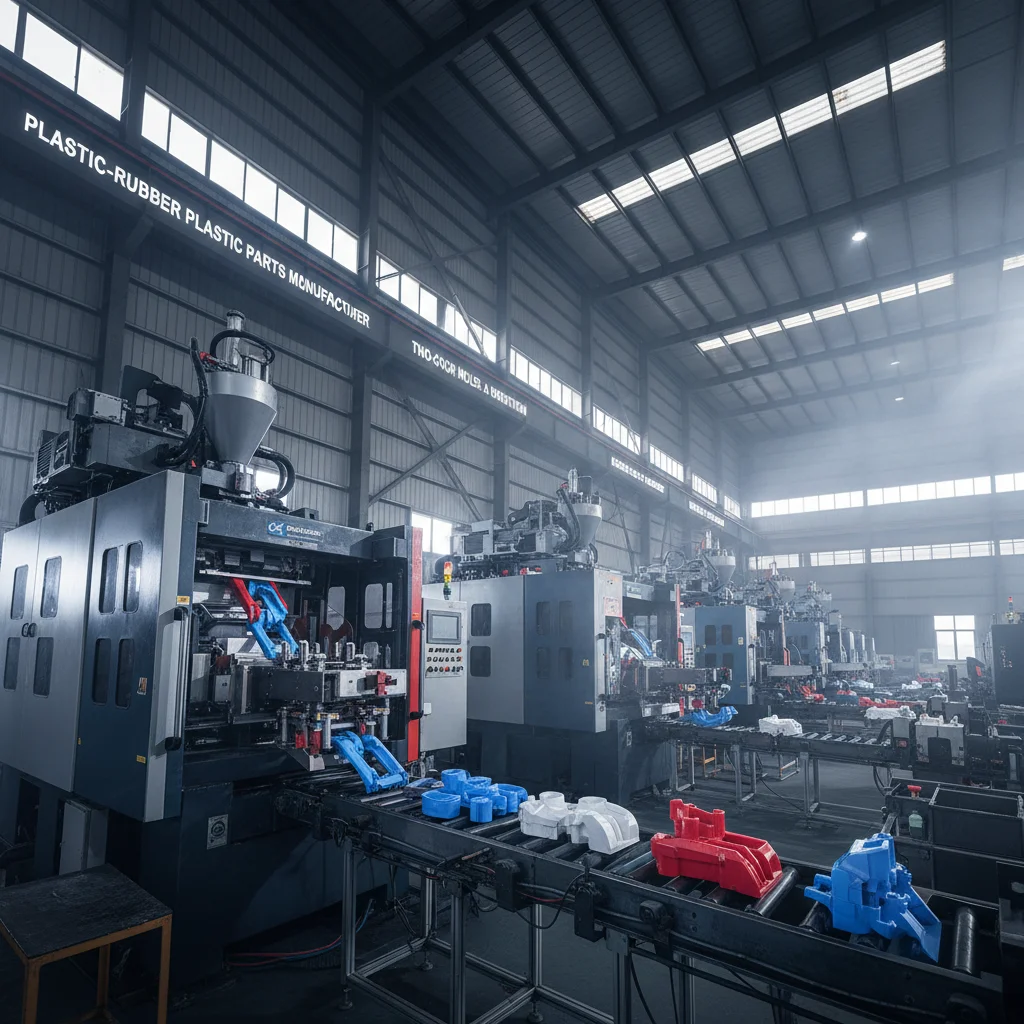
Liquid silicone rubber (LSR) parts molds are becoming increasingly vital across numerous industries, from medical devices and automotive components to consumer goods. These aren’t your grandfather’s molds; we're talking about precision tooling enabling complex geometries and repeatable, high-quality parts. I've seen firsthand how the quality of these molds impacts entire production lines, and frankly, cuts down on a lot of headaches. A good Liquid silicone parts mold means fewer rejects, faster cycle times, and ultimately, a more efficient operation.
The global demand for LSR parts is surging, driven by the material's unique properties—biocompatibility, chemical resistance, and durability, to name a few. This isn't just a trend; it's a fundamental shift in material science impacting everything from healthcare to electric vehicle production. The ability to quickly and reliably produce these parts is paramount, and that’s where high-quality Liquid silicone parts mold solutions come into play. I spend enough time in the field, seeing projects delayed due to subpar tooling – it’s a costly lesson everyone wants to avoid.
I’ve spent years on factory floors, watching parts come off the line. The single biggest bottleneck I see isn’t the silicone itself, but the mold. A well-designed, expertly manufactured liquid silicone parts mold is the cornerstone of any successful LSR molding operation. It's about more than just shape – it's about tooling that can withstand the pressures, temperatures, and repeated use demanded by modern manufacturing.
The Foundation of LSR Molding
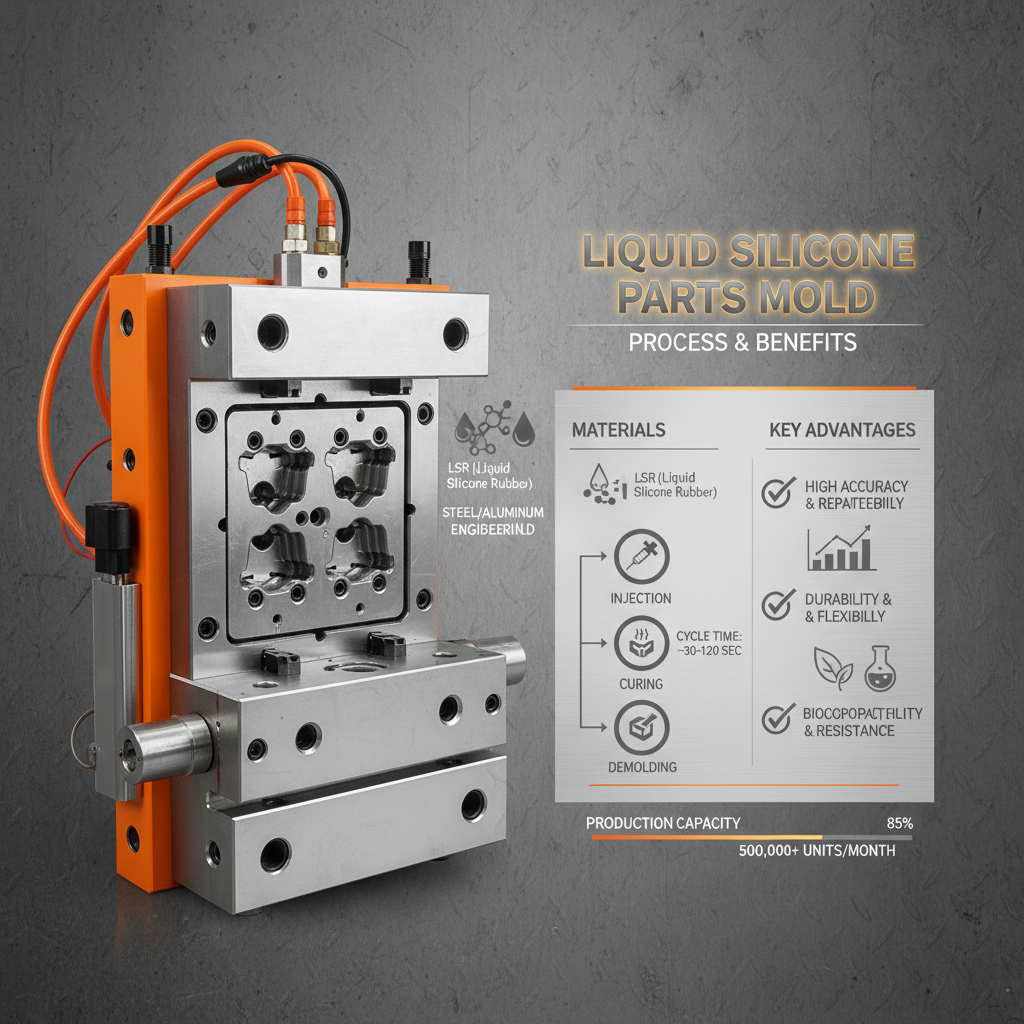
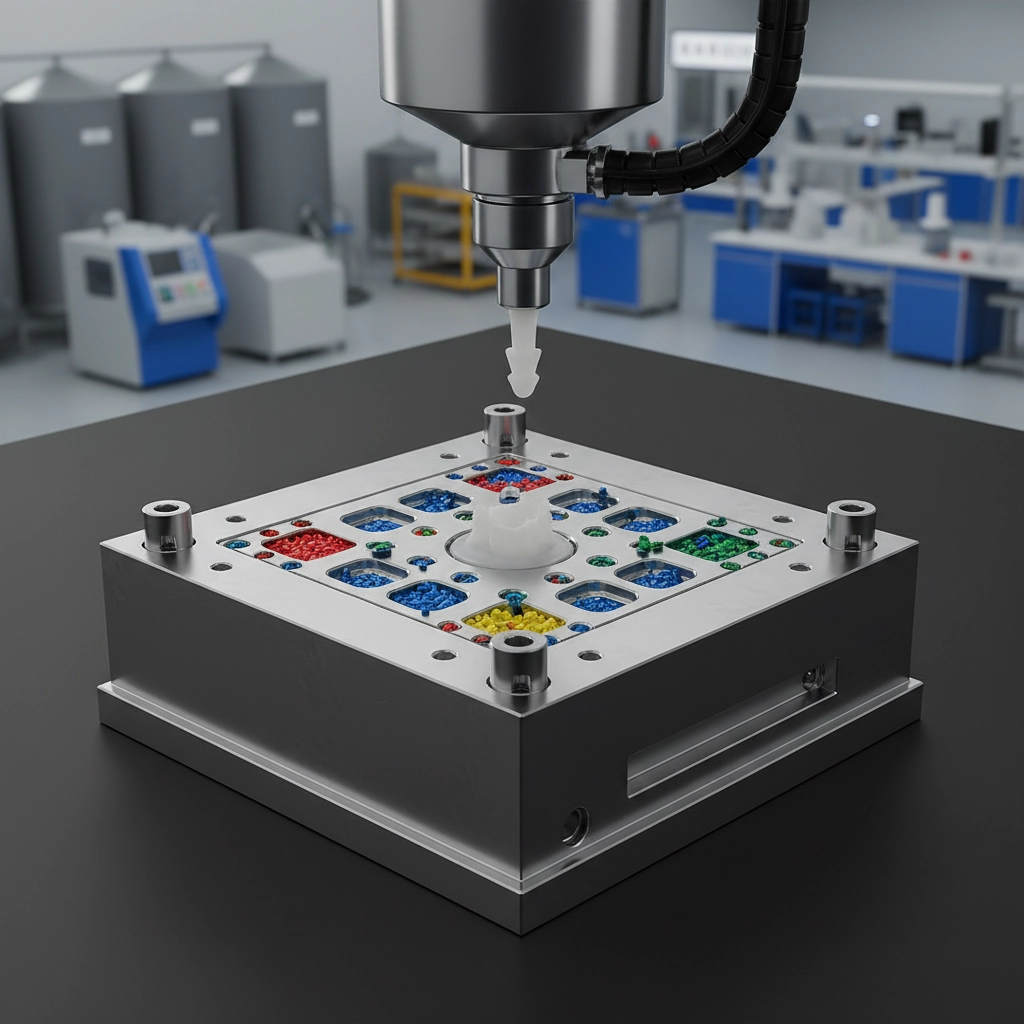
A Liquid silicone parts mold is the cavity or impression used to give shape to liquid silicone rubber during the molding process. It’s not just a simple block of metal. These molds require precision engineering and are typically made from hardened steel or aluminum, depending on production volume and part complexity. I’ve seen cheap molds wear out after only a few thousand cycles, leading to dimensional inaccuracies and increased scrap rates.
The tooling for LSR is a critical investment. It dictates the final part’s quality, dimensions, and surface finish. I always tell folks, “Don’t skimp on the mold; you’ll pay for it down the line.” It’s the foundation of everything else.
FAQS
Lead times vary depending on the complexity of the mold and our current workload, but typically range from 4 to 8 weeks. More complex molds with intricate geometries or tight tolerances will naturally take longer. We prioritize clear communication throughout the process and provide regular updates to keep you informed of the progress. We'll always give you a realistic estimate upfront, and we'll do everything we can to meet your deadlines.
The most common materials are hardened tool steel, aluminum alloy, and stainless steel. Hardened tool steel provides the highest durability for high-volume production. Aluminum is more cost-effective for prototyping and lower volumes. Stainless steel offers a good balance of cost and performance. The best material depends on your specific application, production volume, and budget.
Regular cleaning is essential to remove silicone residue and prevent buildup. We recommend using a mild solvent specifically designed for LSR. Periodic inspection for wear and tear is also important. Pay close attention to the gates, venting, and cooling channels. Address any issues promptly to prevent them from escalating. Proper storage when not in use can also extend the mold’s lifespan.
A well-maintained hardened steel mold can last for millions of cycles – easily exceeding 1 million shots. Aluminum molds typically have a shorter lifespan, ranging from tens of thousands to several hundred thousand cycles. The actual lifespan depends on factors like the abrasiveness of the silicone, the molding pressure, and the frequency of use. Consistent maintenance is key to maximizing the mold’s life.
The cost varies widely depending on the size, complexity, material, and tooling features of the mold. Simple molds can start around a few thousand dollars, while highly complex molds can cost tens of thousands of dollars. We provide detailed quotes based on your specific requirements. It’s crucial to consider the total cost of ownership, including maintenance and potential downtime, when evaluating mold options.
Liquid silicone parts molds, when manufactured using techniques like CNC milling and EDM, can achieve very high precision. Tolerances of ±0.005 inches (0.13mm) are common, and even tighter tolerances are possible for certain applications. This level of precision is essential for producing parts that meet exacting specifications. We specialize in delivering molds that consistently meet the most demanding requirements.
Conclusion
In conclusion, a high-quality Liquid silicone parts mold is the cornerstone of any successful LSR molding operation. From its impact on production efficiency and part quality to its influence on cost and sustainability, the mold is a critical investment that deserves careful consideration. Understanding the key factors that influence mold performance—durability, thermal conductivity, and precision—is essential for making informed decisions.
Looking ahead, the future of LSR tooling will be shaped by advancements in materials, manufacturing processes, and digital technologies. Embracing these innovations will enable manufacturers to produce increasingly complex and high-quality parts with greater efficiency and sustainability. If you’re looking for a partner to help you navigate the world of liquid silicone tooling, visit our website at www.ytlsrmold.com. We’re ready to put our experience to work for you.
-
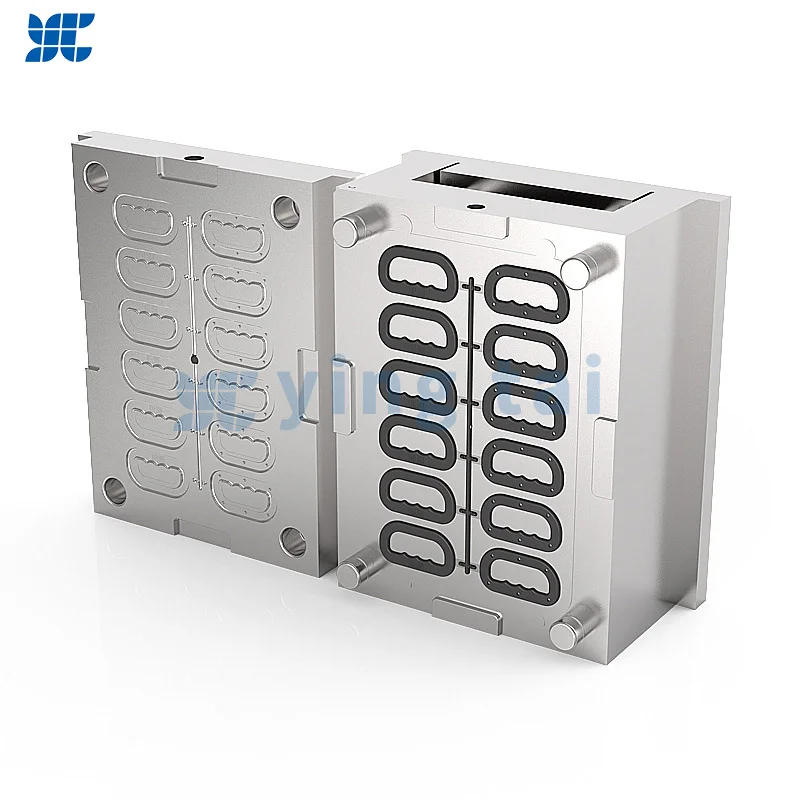
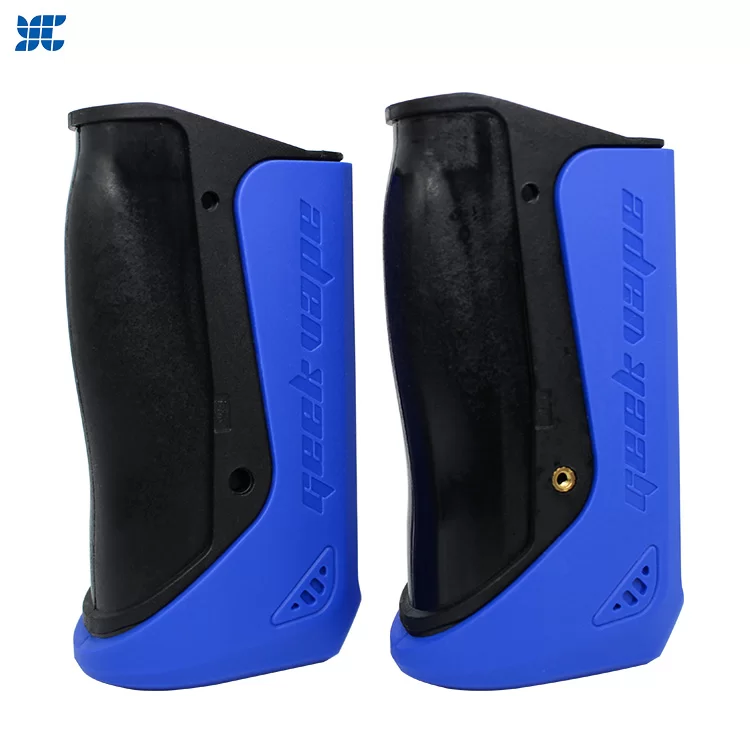
Injection molds are widely used, from daily necessities to automotive, electronic, and medical parts, precision shaping countless products.
-
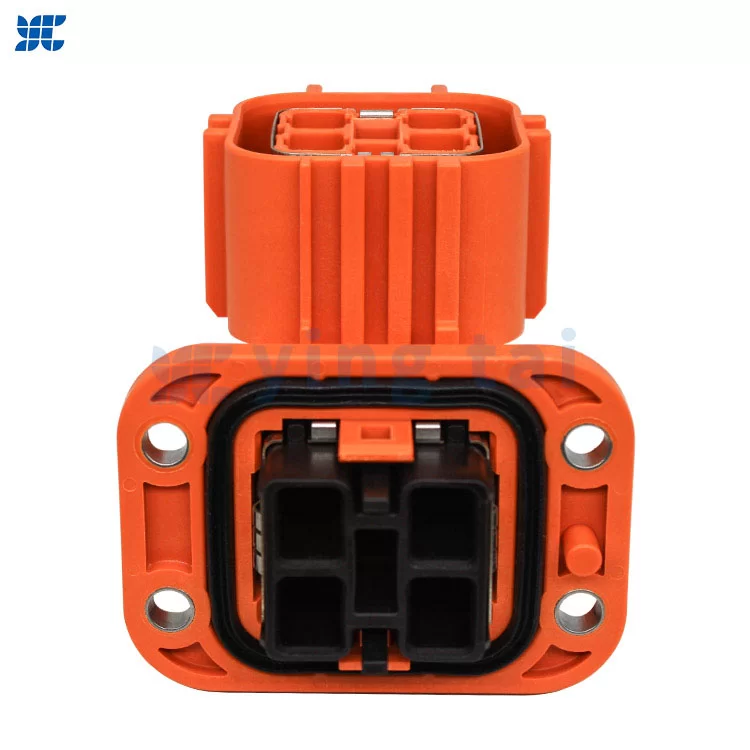
Provide safe and reliable connection solutions for core components of new energy vehicles, helping the industry to develop steadily.
-
Yingtai Factory always provides customers with the best, convenient, timely, and reliable service experience, helping them create great value