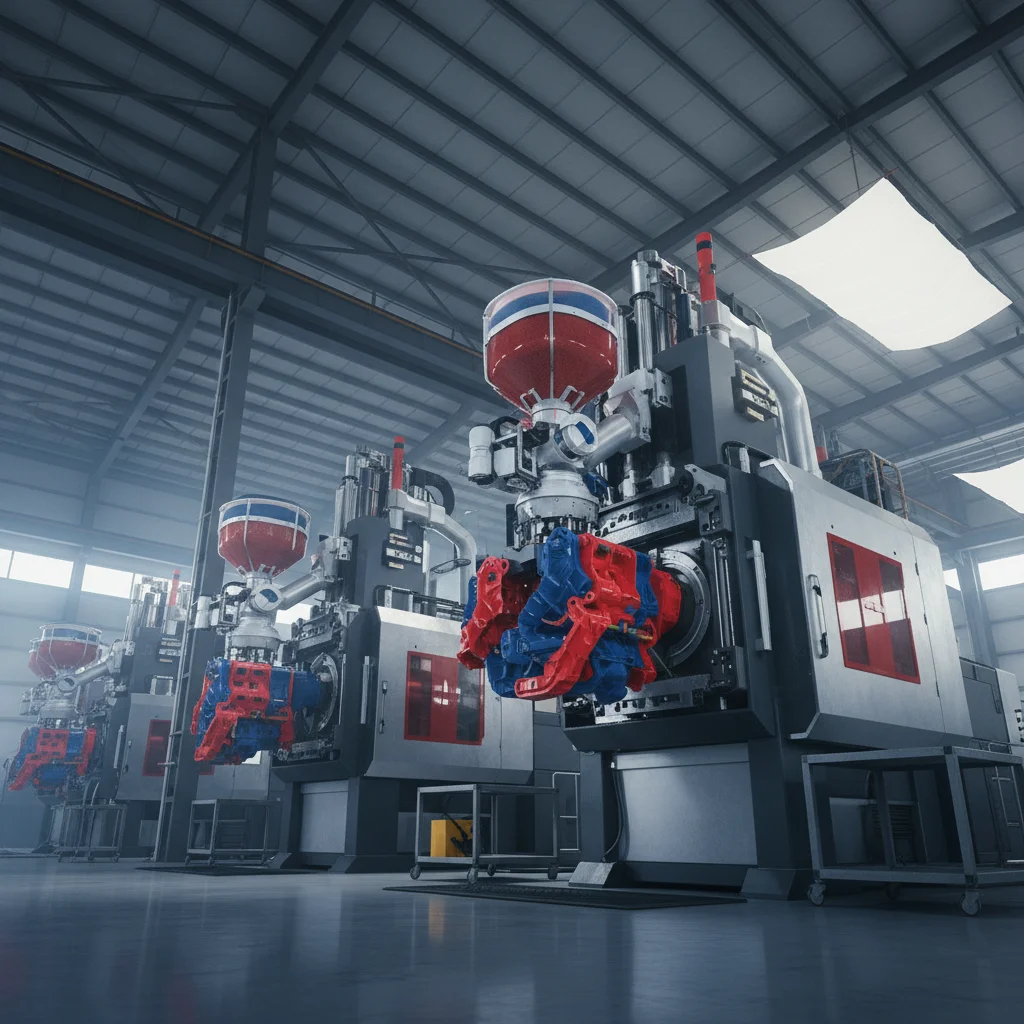
Choosing a Professional Processing Two-Color Plastic Parts Factory
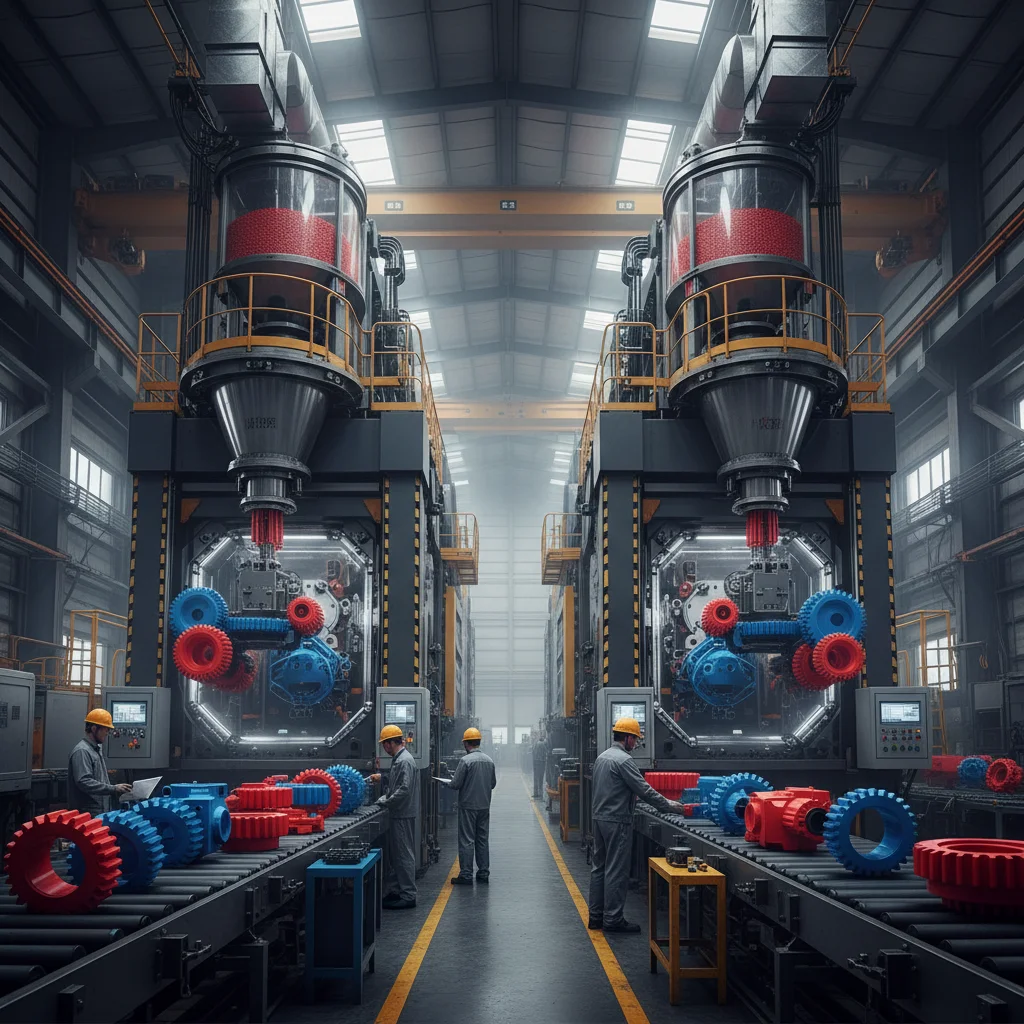
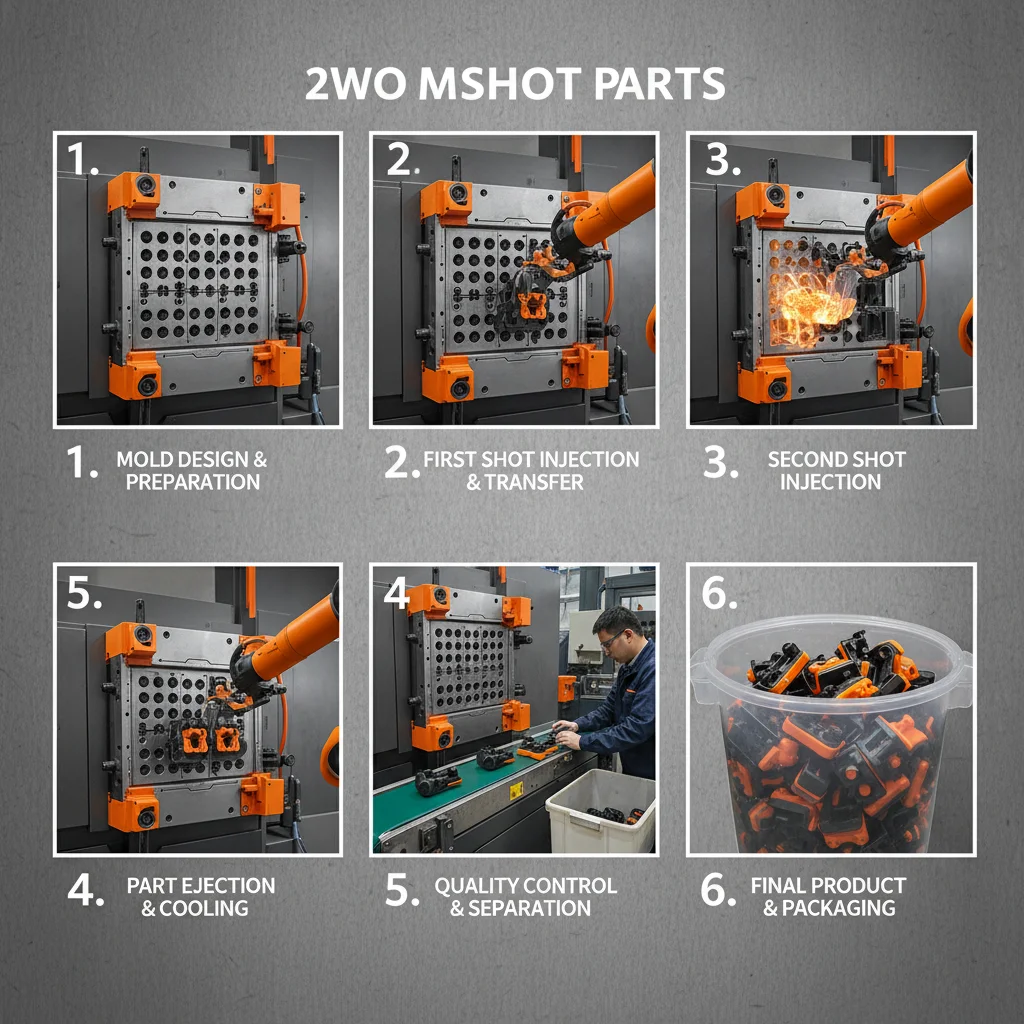
In the modern industrial landscape, aesthetic appeal and functional versatility are no longer optional; they are competitive necessities. This is where the expertise of a processing two-color plastic parts factory becomes indispensable. Two-color molding, also known as multi-shot or 2K molding, allows manufacturers to combine two different materials or colors into a single component, eliminating the need for secondary assembly and painting. Whether it is a soft-grip handle on a power tool or a sophisticated automotive dashboard, the precision of the molding process determines the product's success. In this guide, we will explore the technical advantages, manufacturing processes, and key considerations when partnering with a professional factory to bring your complex designs to life.
The Technical Advantage of 2K Molding
The core strength of a processing two-color plastic parts factory lies in its ability to merge dissimilar materials—such as a rigid polycarbonate and a flexible TPE (Thermoplastic Elastomer)—into one cohesive unit. This process creates a molecular bond between the materials, ensuring that the soft-touch grip will never peel or detach, unlike traditional gluing methods. This enhanced structural integrity reduces waste and significantly lowers labor costs by automating the assembly process. For engineers, this means more freedom to design ergonomic interfaces and waterproof seals without worrying about the failure of adhesives.
Key Benefits: Seamless integration of hard and soft materials, elimination of secondary painting/gluing, reduced assembly time, and superior durability for end-users.
Material Compatibility in a Processing Two-Color Plastic Parts Factory
Not all plastics are compatible. A professional processing two-color plastic parts factory utilizes advanced material science to ensure that the two chosen resins bond correctly. If the chemical properties are mismatched, the part may suffer from delamination. Common combinations include ABS paired with TPU for consumer electronics, or PP paired with TPE for automotive interior parts. Understanding the shrinkage rates of each material is critical, as the factory must calibrate the mold to prevent warping during the cooling phase.
Quality Control in Two-Color Plastic Production
Quality assurance is more complex in multi-shot molding than in single-shot processes. A leading processing two-color plastic parts factory implements rigorous checks at every stage. The most critical point is the interfacial bonding strength; if the temperature or pressure is off by even a few degrees, the two colors may separate. Advanced factories use automated optical inspection (AOI) to detect color bleeding or flash at the boundary lines, ensuring that every single part meets the strict tolerances required for global exports.
Optimizing Costs with a Processing Two-Color Plastic Parts Factory
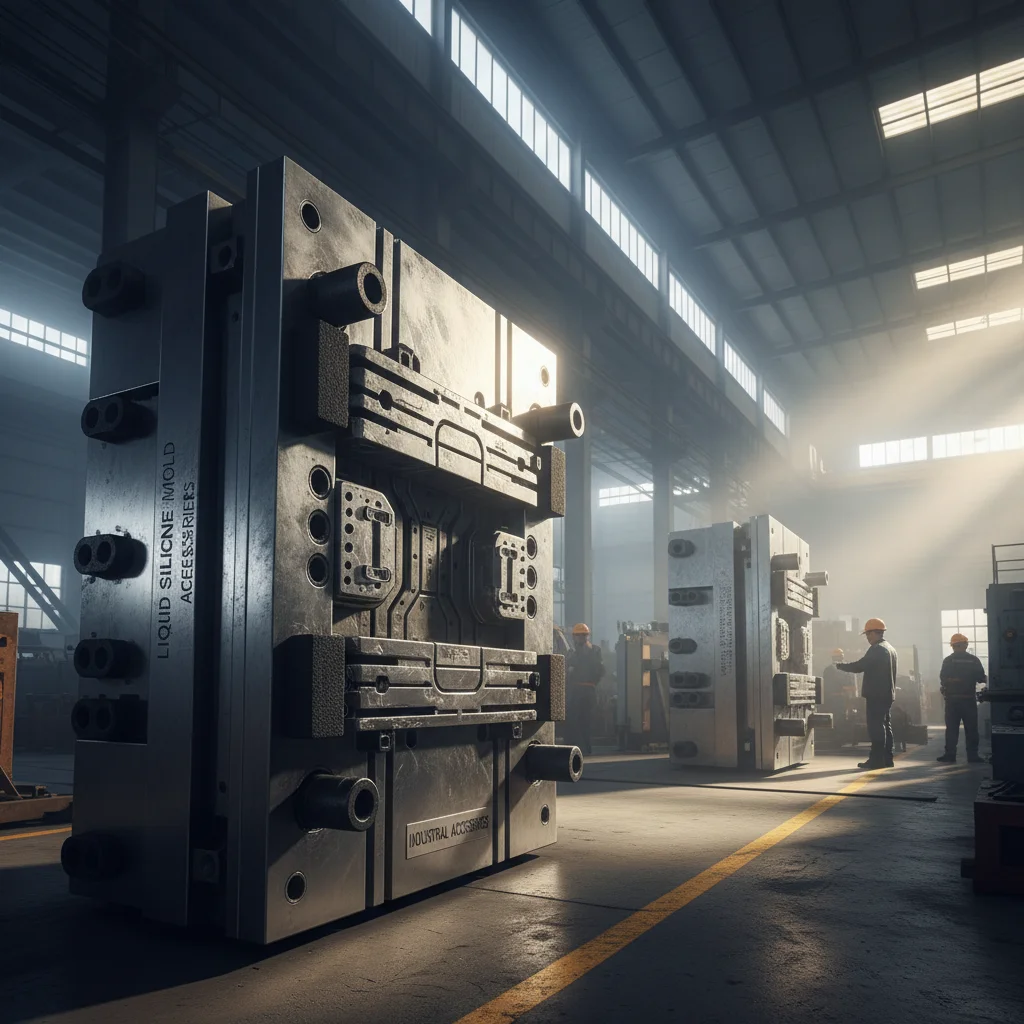
While the initial tooling cost for 2K molds is higher than for traditional molds, the Total Cost of Ownership (TCO) is often lower. By consolidating multiple parts into one, you eliminate the cost of fasteners, adhesives, and manual assembly labor. Furthermore, the reduction in inventory management—tracking one part instead of three—streamlines the supply chain. When working with a professional processing two-color plastic parts factory, DFM (Design for Manufacturing) feedback is provided early to optimize wall thickness and gate placement, reducing cycle times and material waste.
Industry Applications for Multi-Shot Plastics
The versatility of these components makes them essential across various sectors. In the medical field, two-color molding is used to create soft-tipped catheters and ergonomic surgical handles. In automotive design, it is used for buttons and dials that require a tactile feel and high durability. The consumer electronics sector utilizes it for waterproof seals around ports and soft-grip casings for handheld devices. The ability of a processing two-color plastic parts factory to deliver these high-precision parts ensures that products are not only visually stunning but also highly functional.
Conclusion: Elevating Your Product Design
Partnering with a high-caliber processing two-color plastic parts factory is a strategic move for any brand aiming to enhance its product's user experience and manufacturing efficiency. By leveraging 2K molding, you can achieve a level of precision, durability, and aesthetic sophistication that is impossible with single-material processes. From the initial material selection to the final quality inspection, professional expertise ensures that your vision is translated into a market-ready product that stands the test of time. Invest in innovation and streamline your production today.
Frequently Asked Questions (FAQs)
What is the main difference between overmolding and 2K molding?
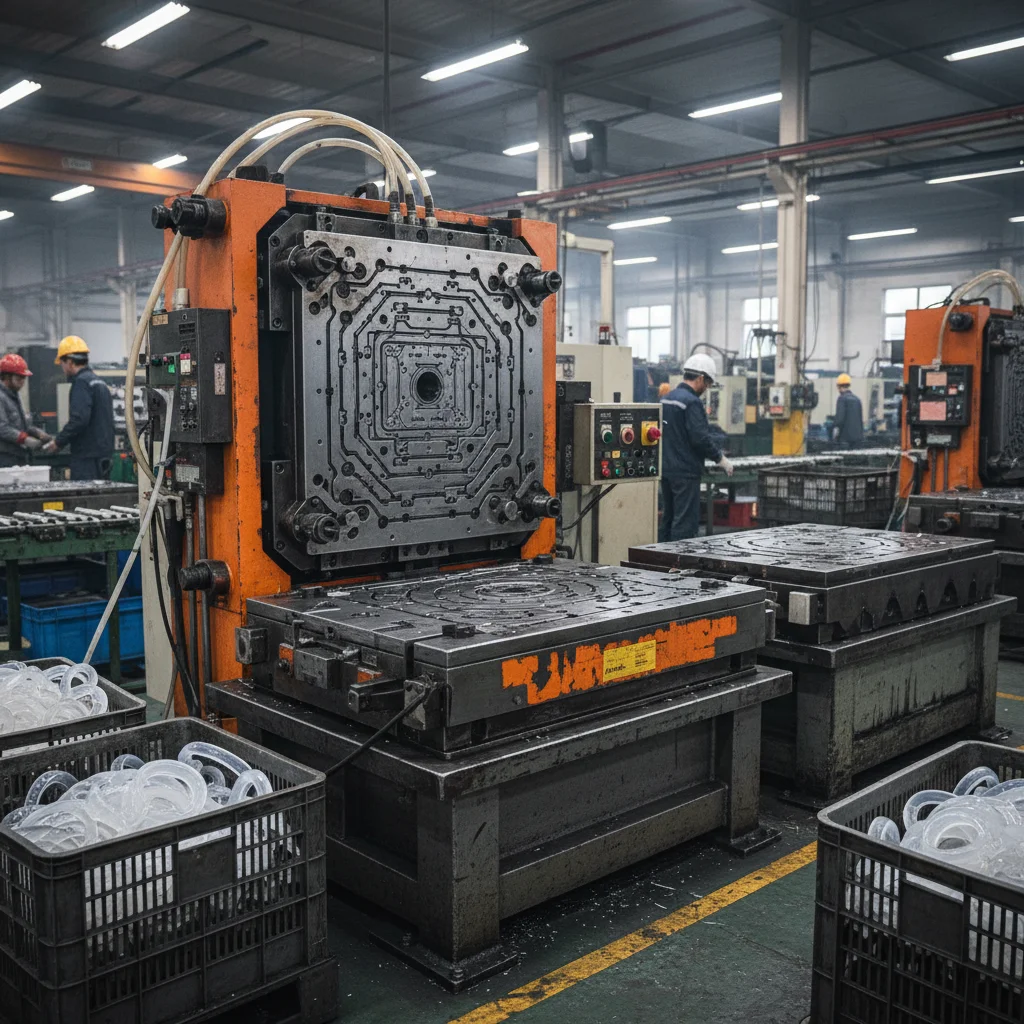
While both involve two materials, overmolding typically involves molding a part and then placing it into a second mold to add the second material (two separate steps). 2K molding, provided by a professional processing two-color plastic parts factory, happens in a single machine using a rotating mold or a transfer system. This makes 2K molding much faster, more precise, and more consistent for high-volume production, although the machinery is more expensive.
How do I ensure the two colors don't separate over time?
The secret to a permanent bond lies in chemical compatibility and temperature control. A skilled factory will perform material compatibility tests and optimize the "melt temperature" of the second shot to slightly melt the surface of the first shot, creating a chemical weld. Mechanical interlocks (small holes or grooves in the base part) are also designed into the mold to provide a physical bond, ensuring the materials remain fused even under extreme stress or temperature changes.
Can any two plastics be used for two-color molding?
No, not all plastics can bond. For example, Polypropylene (PP) is notoriously difficult to bond with other materials unless a specific adhesive grade of TPE is used. A professional processing two-color plastic parts factory will guide you through a material selection matrix to ensure the chosen pair has the correct polarity and thermal properties to bond successfully without peeling.
Is two-color molding more expensive than painting?
In terms of initial tooling, yes—the mold is more complex and expensive. However, in terms of unit cost, 2K molding is often cheaper for high-volume runs. Painting is a labor-intensive process that requires drying time, chemicals, and creates waste. Two-color molding happens in seconds per cycle and produces a part that is ready for shipment immediately, drastically reducing the cost per piece and improving overall quality consistency.
-
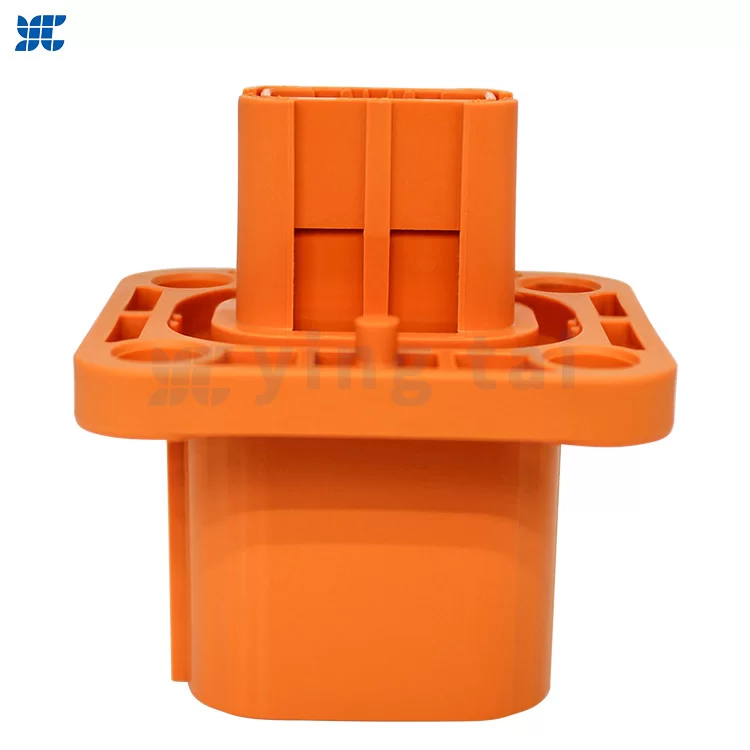
Precision injection molding of plastic connectors for new energy vehicles, reliable and durable, with insulation and leakage prevention.
-
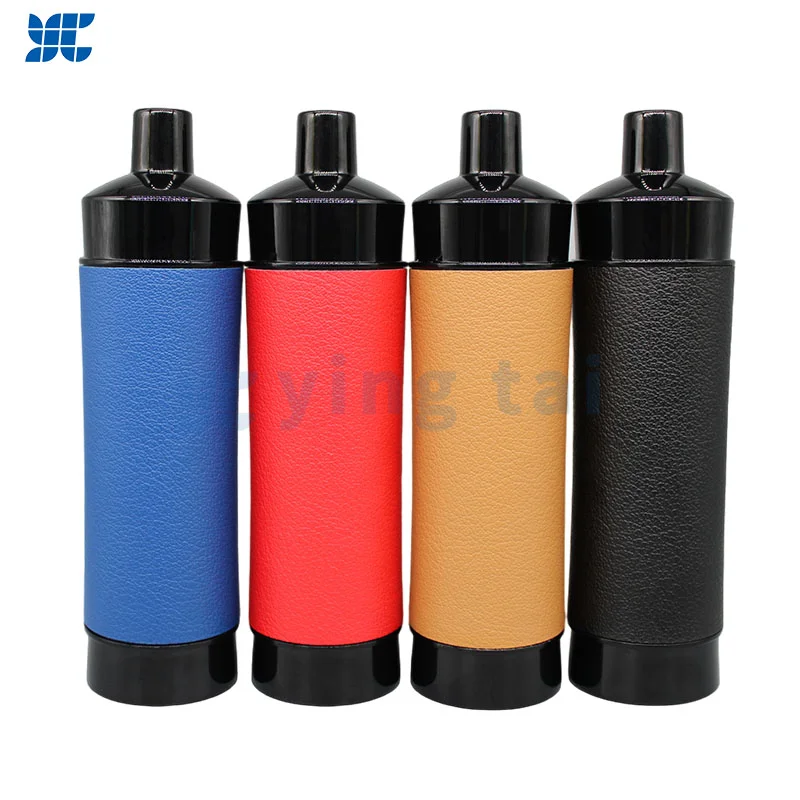
Leather sticker electronic plastic shell bids farewell to cold plastic and reshapes the grip experience of electrical appliances with a warm and flexible leather touch.
-
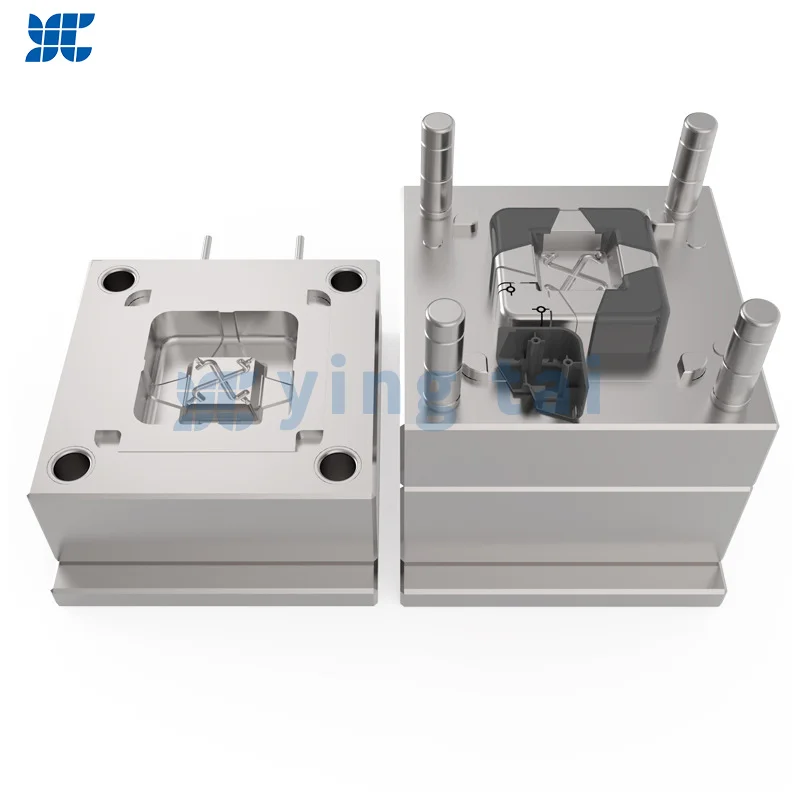
Yingtai Factory has been deeply involved in the field of injection molds for more than 20 years, providing you with stable and reliable mold solutions with professional technology and experience.