Customized Processing of Two-Color Plastic Parts: A Comprehensive Guide
In today's competitive manufacturing landscape, the demand for intricate and aesthetically pleasing plastic parts is constantly rising. Two-color plastic injection molding offers a solution for creating parts with multiple colors, textures, and functionalities in a single process. This article delves into the intricacies of customized processing of two-color plastic parts, exploring the benefits, applications, materials, and what to look for in a reliable manufacturing partner like YTLSR Mold. We'll examine why choosing the right approach to two-color molding is crucial for product success.
Understanding Two-Color Plastic Injection Molding
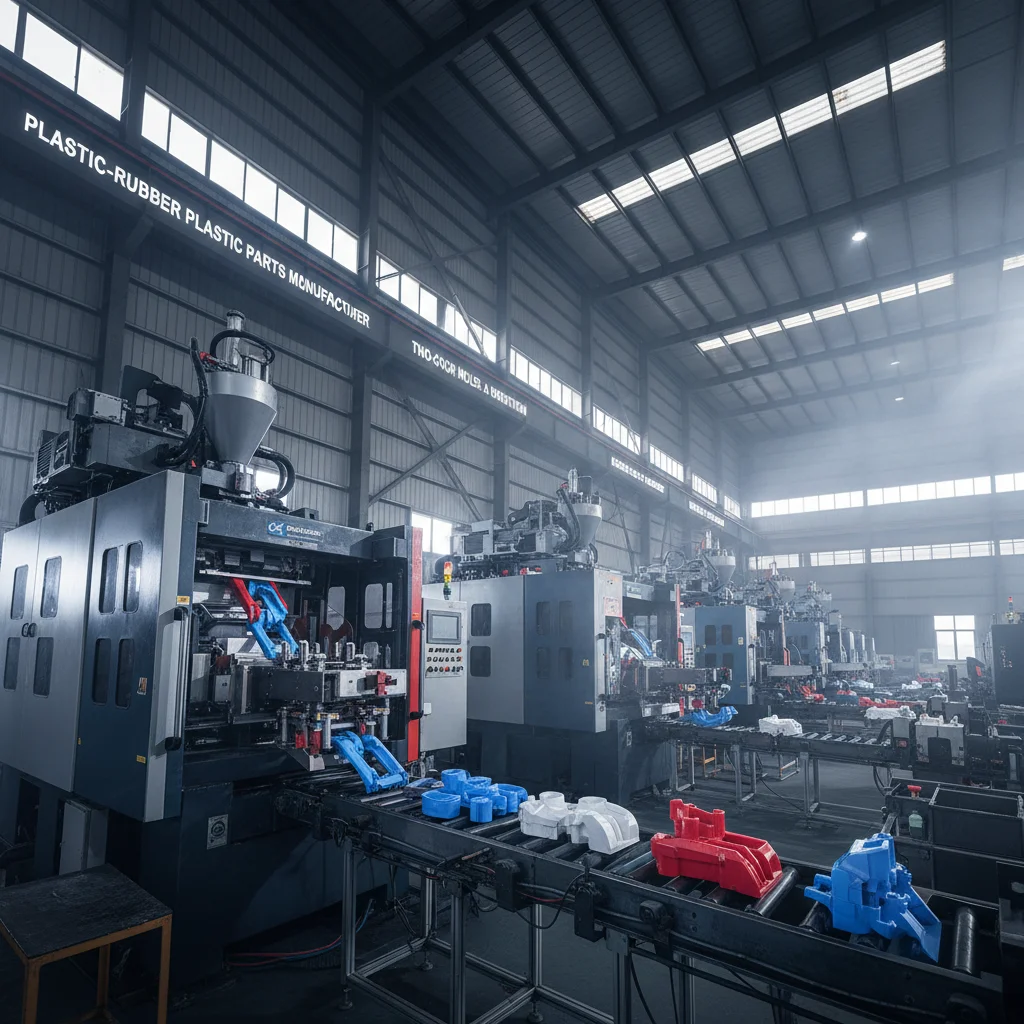
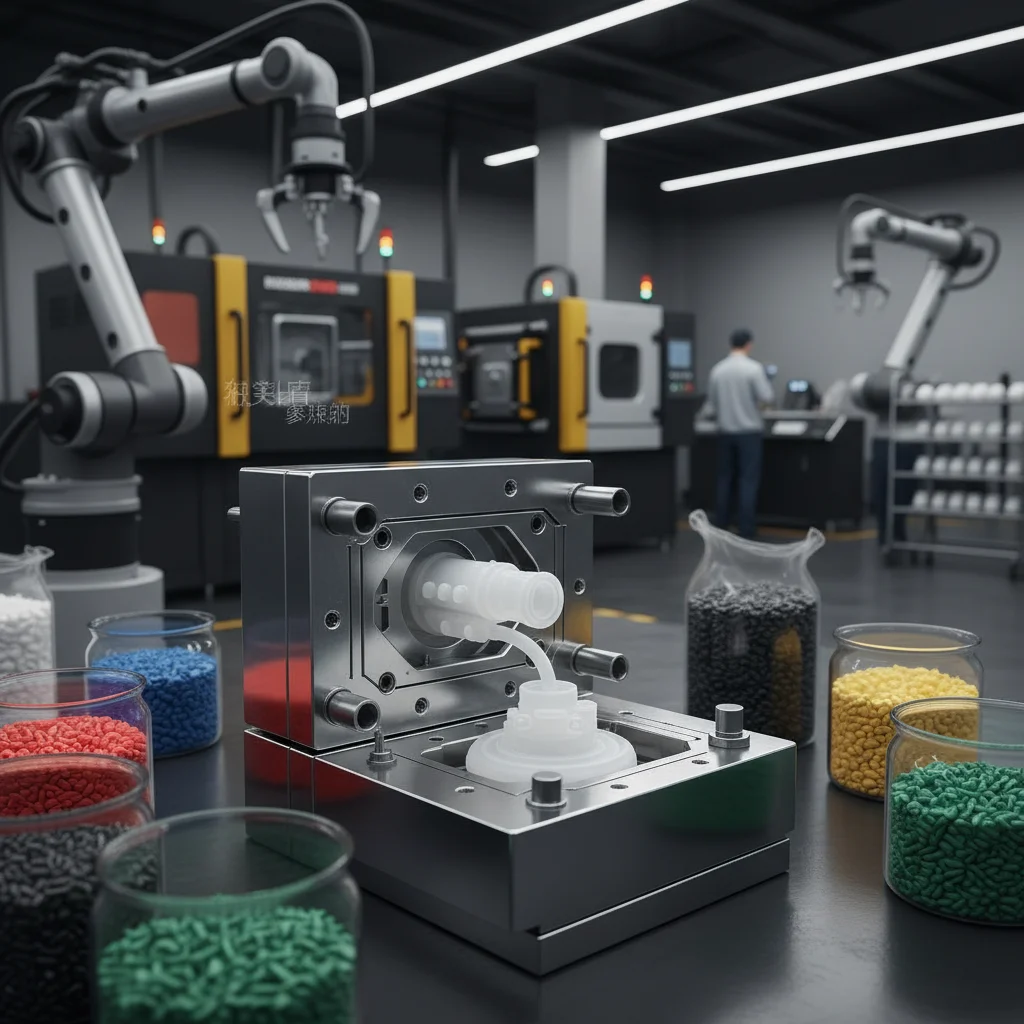
Two-color injection molding, also known as multi-color molding, is a specialized process that involves injecting two different types of plastic resins into a single mold to create a finished part with multiple colors or materials. This technique is ideal for applications where aesthetic appeal, functional differentiation, or a soft-touch grip are required. Unlike painting or assembling separate parts, two-color molding creates a strong, durable bond between the materials, resulting in a higher-quality and more cost-effective product. It’s frequently used in automotive components, consumer electronics, medical devices, and various industrial applications.
Key Benefits: Strong material bond, reduced assembly costs, enhanced product aesthetics, increased design flexibility, and improved functionality.
Materials Used in Two-Color Molding
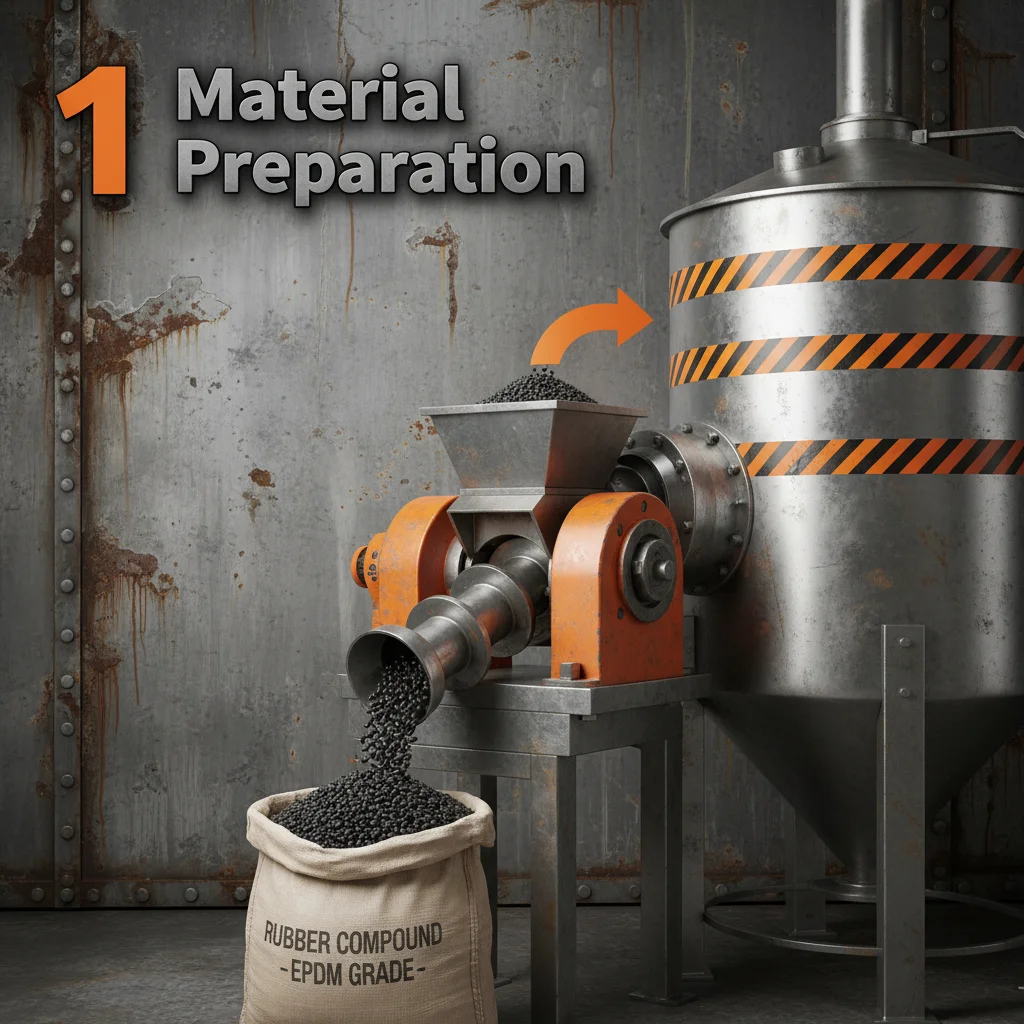
The choice of materials is crucial for successful two-color molding. Compatibility between the resins is essential to ensure proper bonding. Commonly used materials include:
- Thermoplastic Polyurethane (TPU): Often used for soft-touch grips, seals, and gaskets.
- Polypropylene (PP): A versatile and cost-effective material for various applications.
- Acrylonitrile Butadiene Styrene (ABS): Known for its impact resistance and rigidity.
- Polycarbonate (PC): Offers high strength and temperature resistance.
- Thermoplastic Elastomers (TPE): Provide flexibility and rubber-like properties.
Selecting the appropriate material combination requires careful consideration of factors such as chemical compatibility, melting temperatures, shrinkage rates, and desired mechanical properties. YTLSR Mold provides expert material selection guidance to optimize your project.
Customized Processing of Two-Color Plastic Parts: The Process
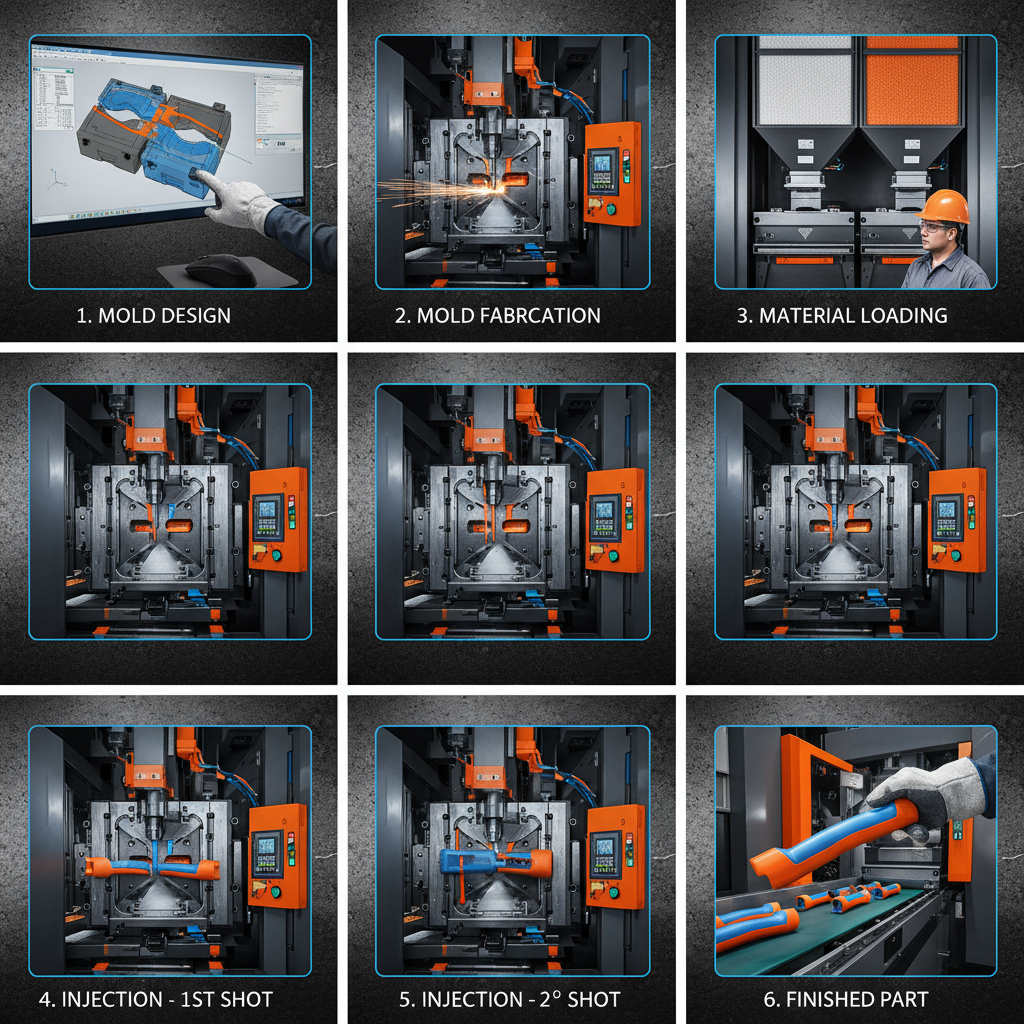
The two-color injection molding process is more complex than traditional single-color molding. It typically involves these steps:
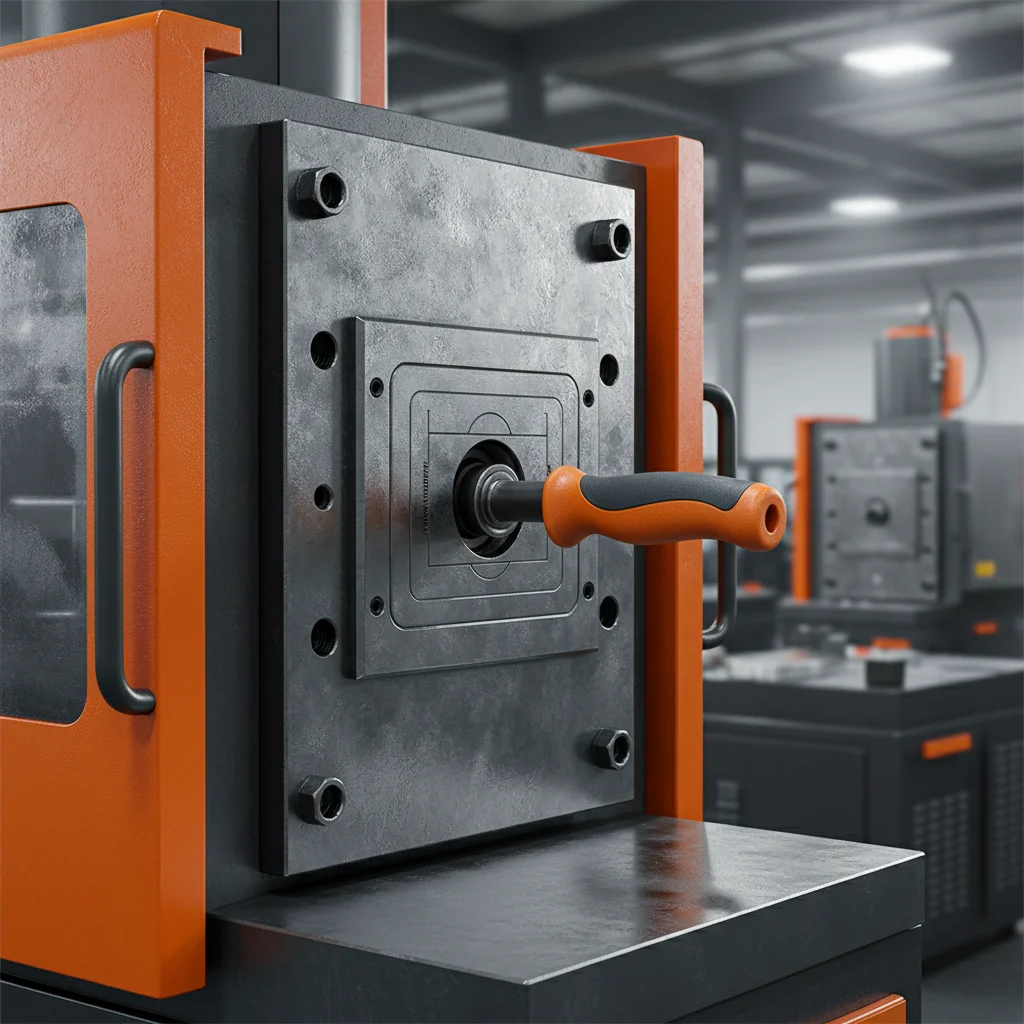
- Mold Design: Creating a specialized mold with two separate injection units.
- First Shot: Injecting the first resin into the mold.
- Rotation: Rotating the mold 180 degrees.
- Second Shot: Injecting the second resin over the first, creating a bonded part.
- Ejection: Removing the finished two-color part from the mold.
Precise control over injection parameters, mold temperature, and cycle time is crucial to achieve consistent quality and minimize defects. YTLSR Mold utilizes advanced molding technology and skilled technicians to ensure optimal process control.
Two-Color Molding vs. Alternative Methods
While several methods can achieve multi-color plastic parts, two-color molding often provides significant advantages over alternatives. Consider the comparison below:
Selecting the Right Manufacturing Partner
Choosing a manufacturing partner with expertise in two-color injection molding is critical for project success. Look for a company with:
- Experienced engineers: Capable of designing molds optimized for two-color processes.
- Advanced equipment: Utilizing state-of-the-art injection molding machines and quality control systems.
- Material knowledge: Understanding material compatibility and processing parameters.
- Quality assurance: Implementing rigorous quality control procedures throughout the production process.
- Communication: Providing clear and timely communication throughout the project lifecycle.
YTLSR Mold offers a comprehensive suite of two-color injection molding services, from design and prototyping to high-volume production.
Conclusion: Achieving Excellence in Two-Color Plastic Parts
Customized processing of two-color plastic parts offers significant advantages for enhancing product design, functionality, and cost-effectiveness. By partnering with a knowledgeable and experienced manufacturer like YTLSR Mold, you can ensure a smooth and successful production process. Invest in quality and innovation – choose the right partner for your two-color molding needs.
Frequently Asked Questions (FAQs)
What is the typical lead time for a two-color injection molding project?
The lead time varies depending on the complexity of the part, mold design requirements, material selection, and production volume. Generally, it can range from 4 to 12 weeks. Initial mold design and fabrication typically take the longest. YTLSR Mold works closely with clients to establish realistic timelines and provide regular updates throughout the process.
What file formats do you accept for part design?
We accept a wide range of file formats, including STEP, IGES, STL, and SolidWorks files. We also work with 2D drawings in PDF or DWG format. Our engineering team can assist with file conversion if necessary. Providing a clear and detailed 3D model is preferred for accurate quoting and mold design.
What quality control measures do you have in place?
YTLSR Mold implements a rigorous quality control system throughout the entire production process. This includes incoming material inspection, first article inspection, in-process monitoring, and final product inspection. We use advanced measuring equipment, such as CMMs and optical comparators, to ensure dimensional accuracy and conformance to specifications. We are committed to delivering consistently high-quality parts.
Can you assist with design optimization for two-color molding?
Yes, our experienced engineers can provide design optimization services to ensure your part is easily and efficiently molded. We can analyze your design for potential issues such as draft angles, wall thickness, and undercuts. We can also recommend material selections and suggest design modifications to improve moldability and reduce costs.
-
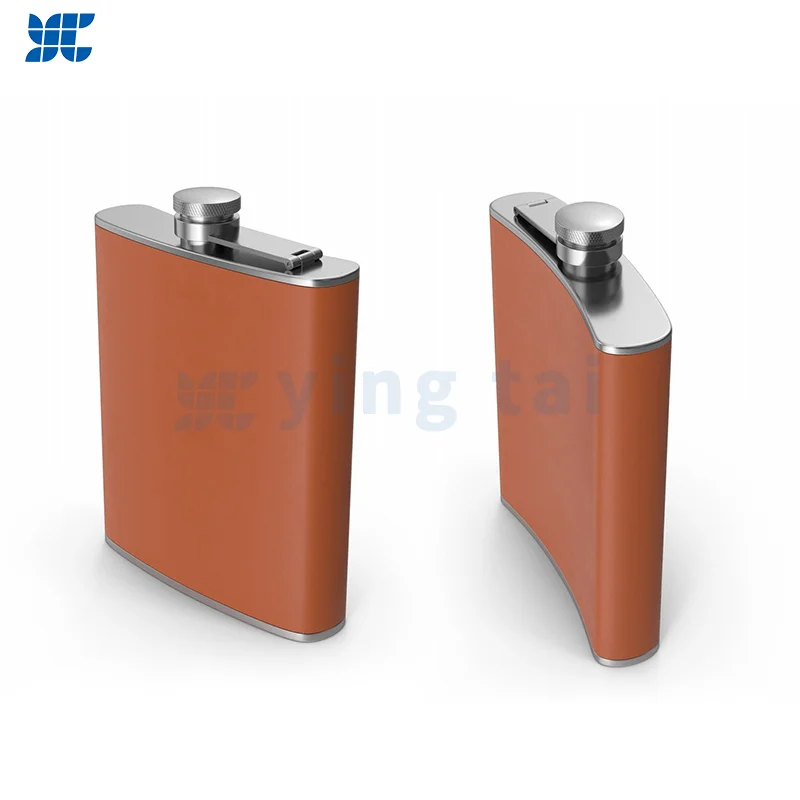
The surface of the small metal wine pot is covered with leather for sturdy protection, with a gentle touch that can be carried around.
-
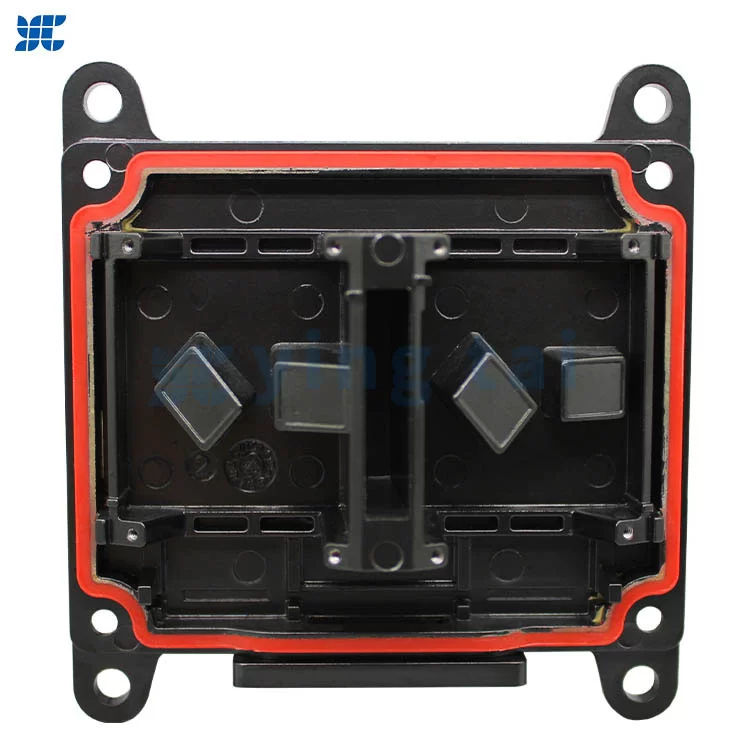
Liquid silicone wraps around the metal edge and is formed as a whole to achieve sealing and waterproofing.
-
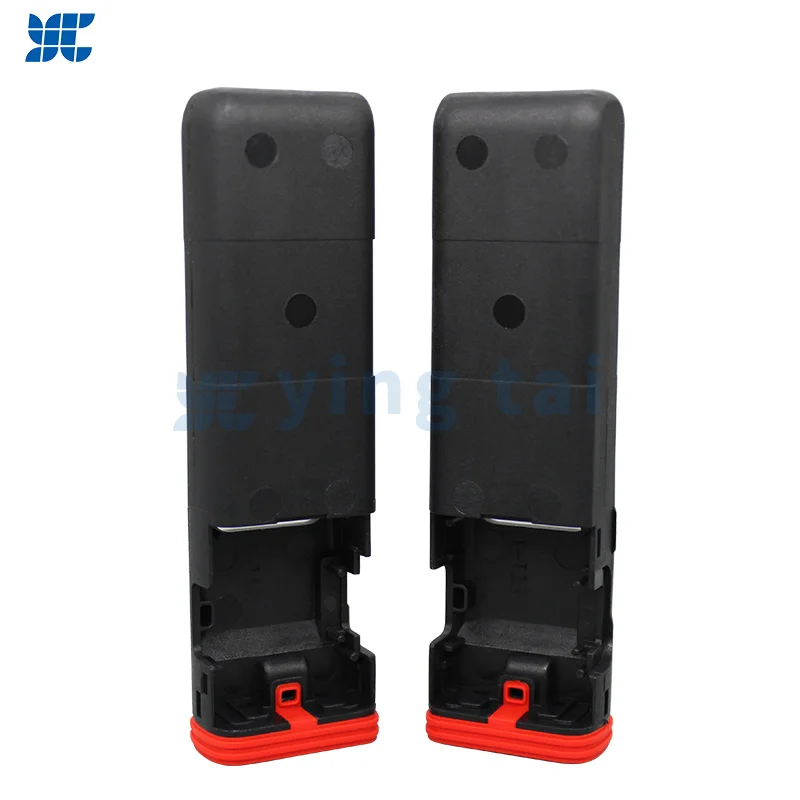
The liquid silicone sealing rings/plastic accessories produced by Yingtai Factory are widely used in various industries such as electronics and electrical appliances, industry, communication equipment, lighting fixtures, and auto parts.