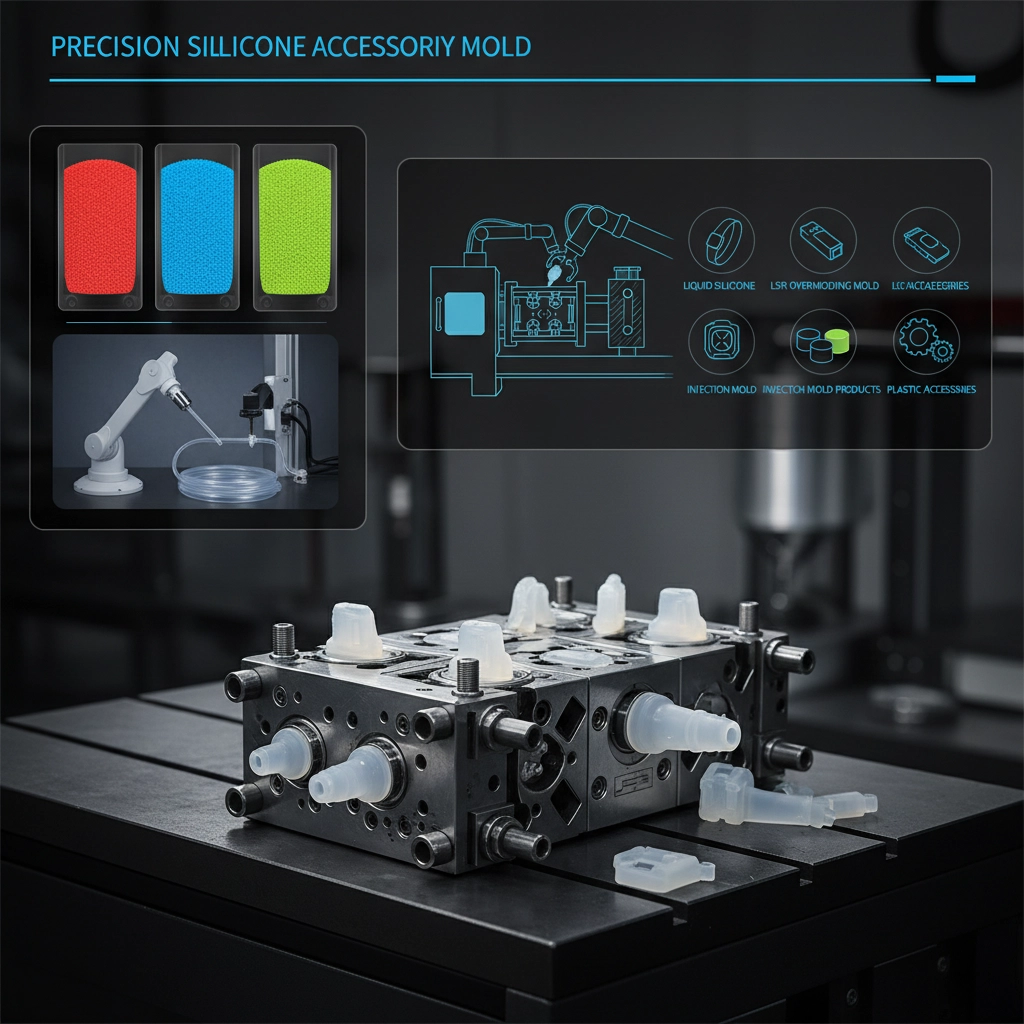
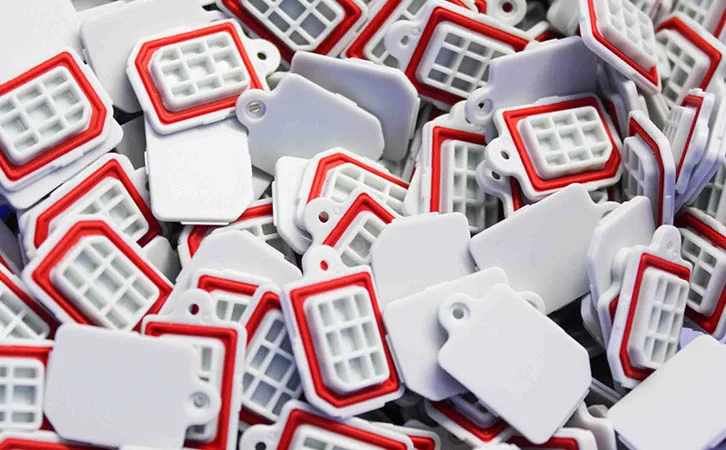
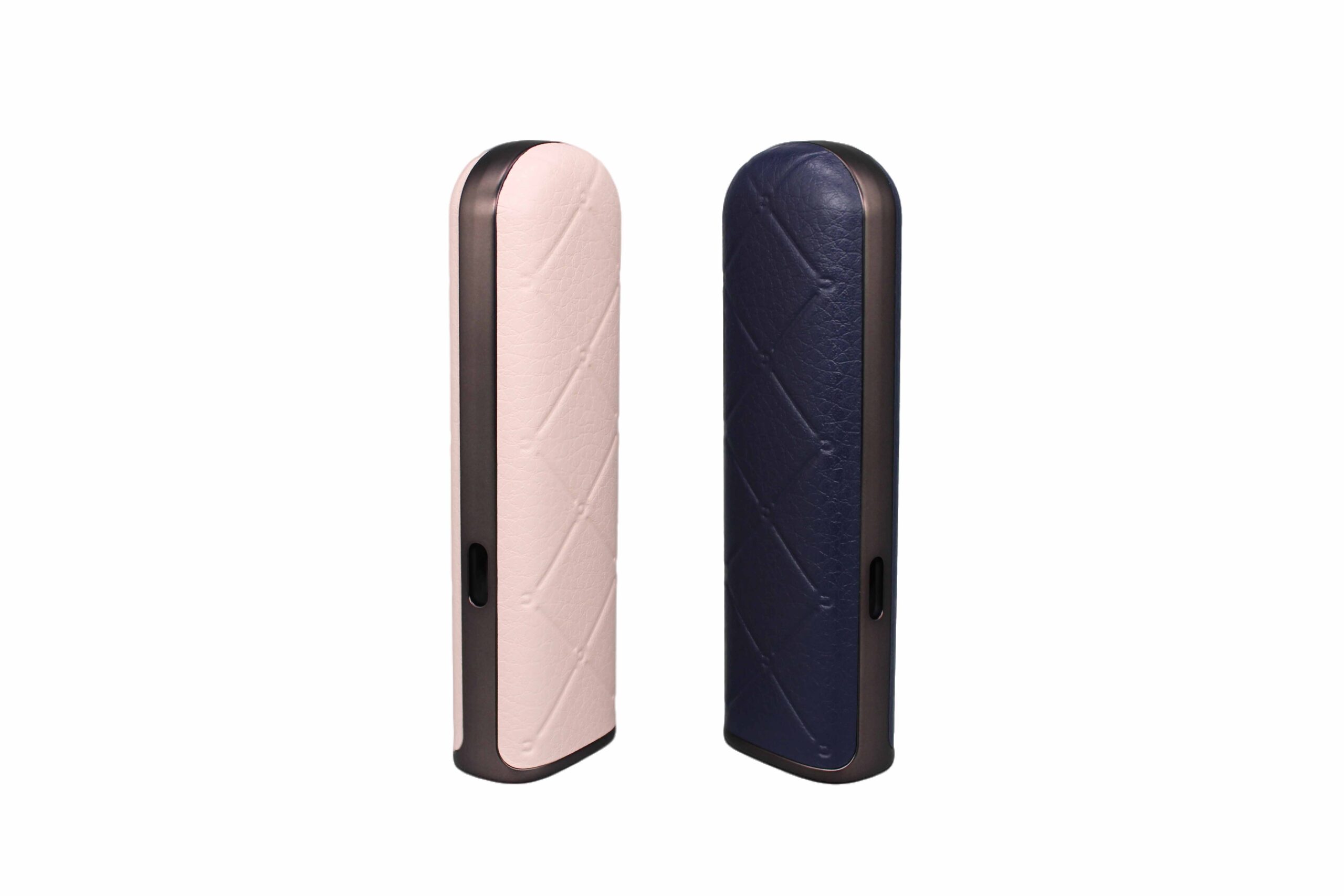
The modern industrial landscape is witnessing a significant shift toward high-performance elastomers, where the Precision liquid silicone accessory mold plays a pivotal role in achieving unmatched dimensional accuracy and surface quality. As industries move toward miniaturization and tighter tolerances, the ability to create complex, medical-grade, or food-safe components relies heavily on the sophistication of the molding tooling.
Globally, the demand for Liquid Silicone Rubber (LSR) is surging due to its exceptional thermal stability, biocompatibility, and chemical resistance. This has placed a premium on the development of a Precision liquid silicone accessory mold that can handle the low-viscosity nature of LSR while ensuring zero-defect production across millions of cycles.
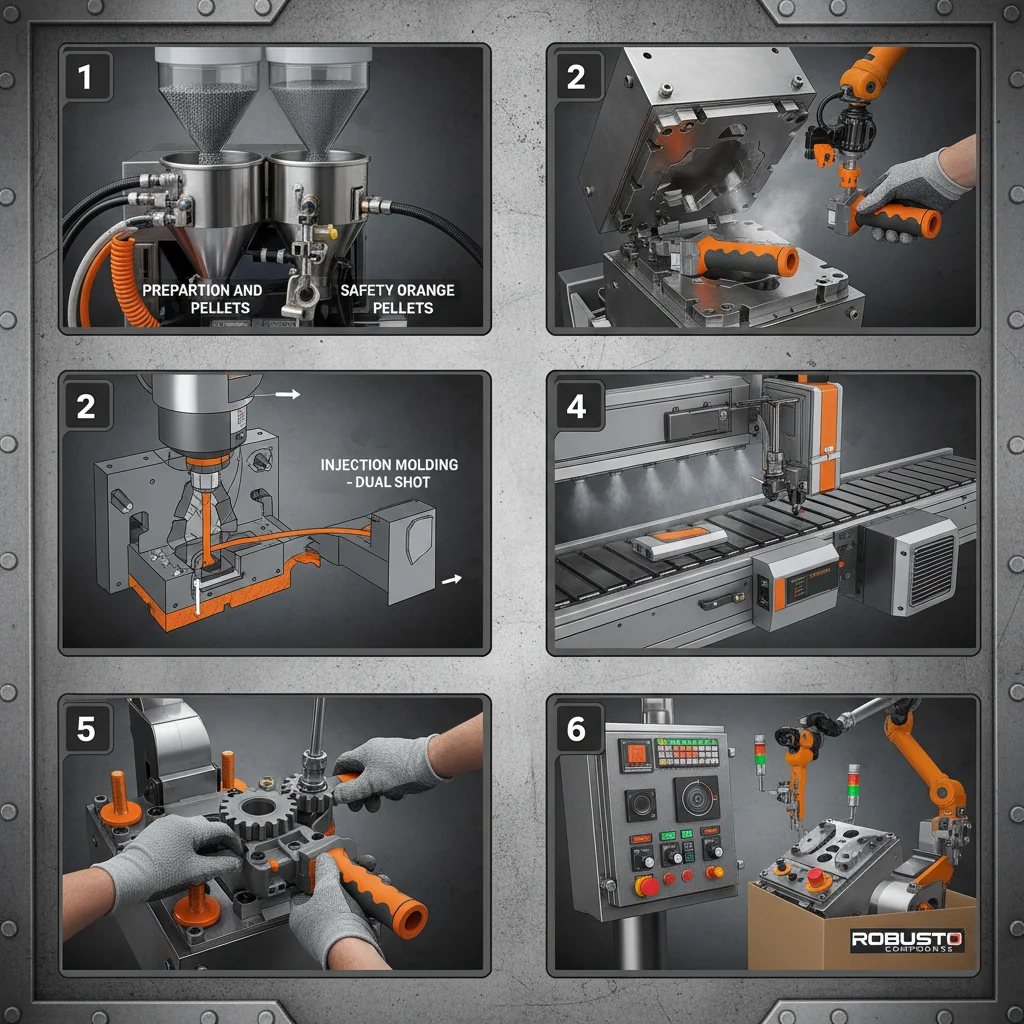
Understanding the nuances of these molds—from vacuum venting to thermal management—is essential for manufacturers aiming to reduce scrap rates and improve the longevity of their finished products. By integrating advanced CNC machining and EDM processes, the Precision liquid silicone accessory mold transforms raw silicone into high-value accessories for the medical, automotive, and consumer electronics sectors.
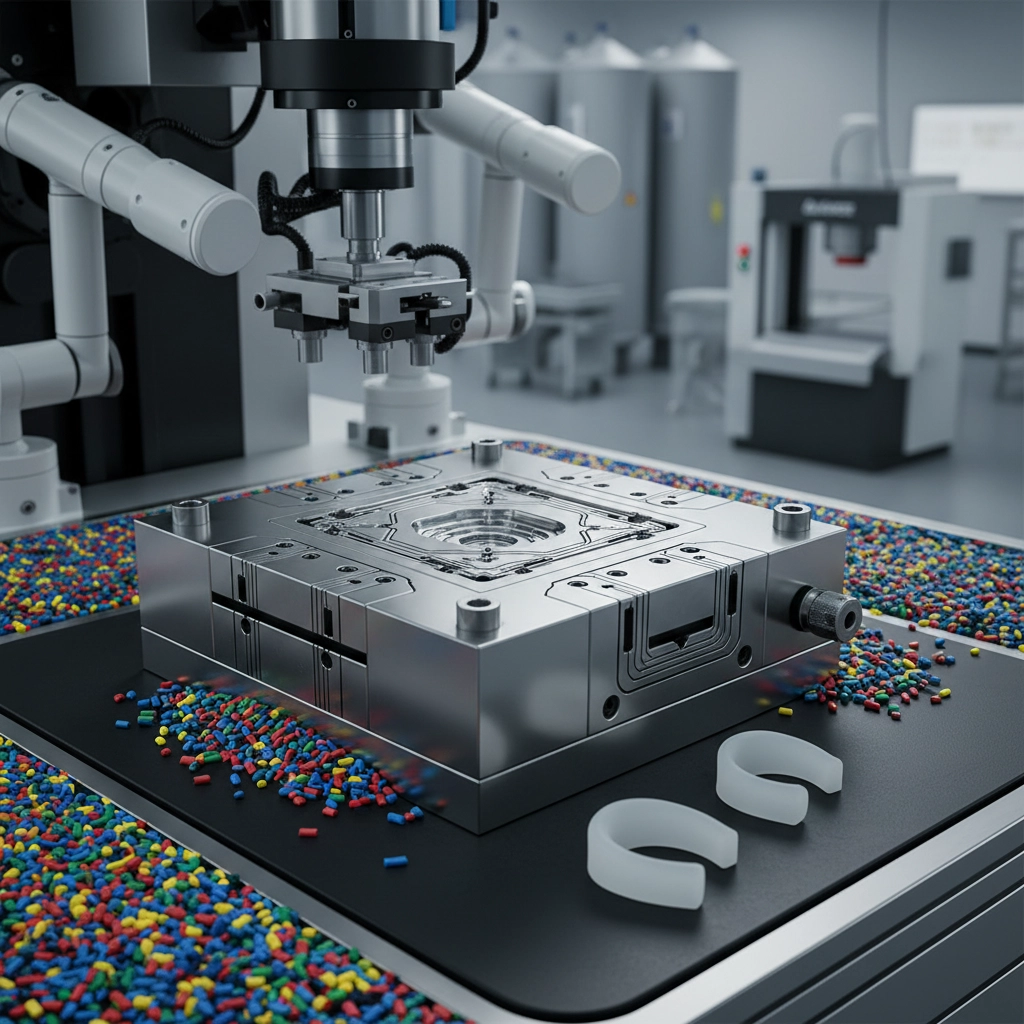
Global Industry Context of Precision Liquid Silicone Accessory Mold
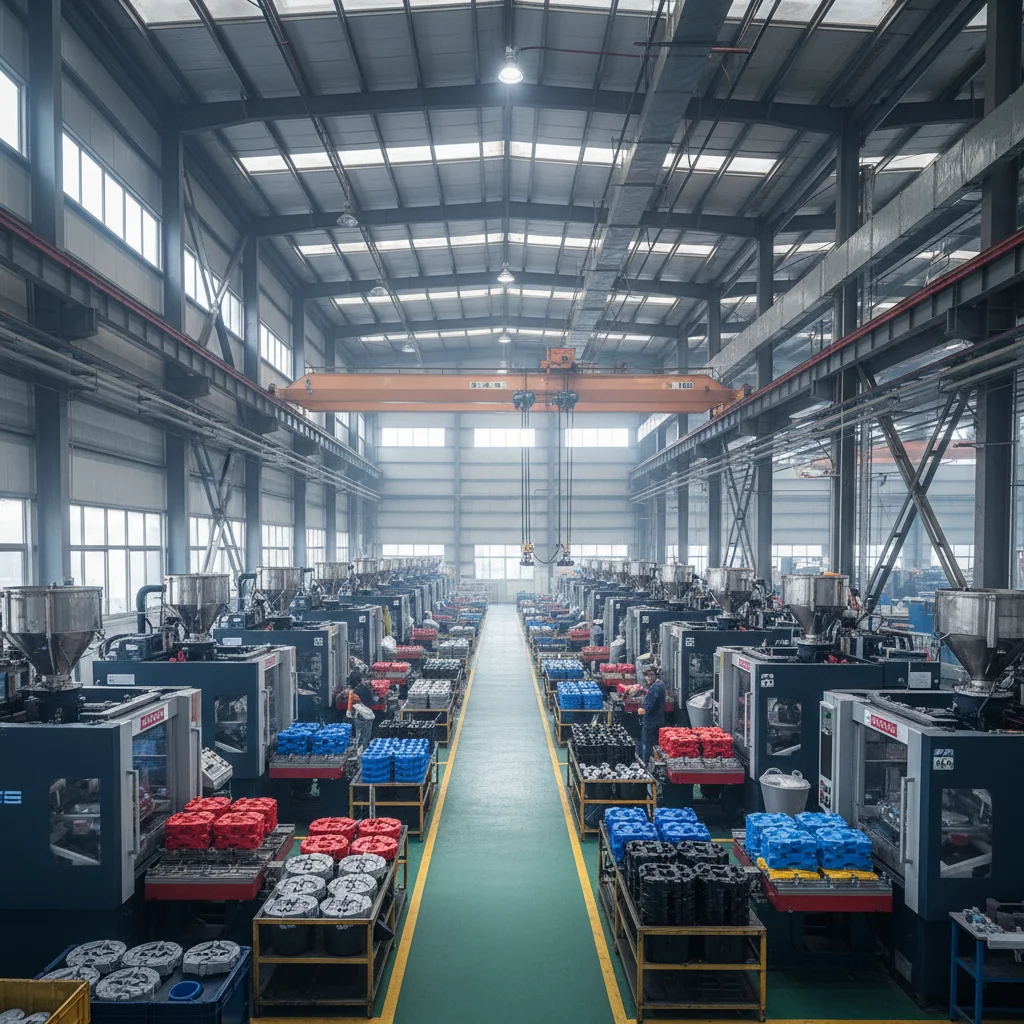
On a global scale, the precision molding industry is governed by stringent standards such as ISO 13485 for medical devices and IATF 16949 for automotive parts. The implementation of a Precision liquid silicone accessory mold is no longer a luxury but a necessity to meet these rigorous international quality benchmarks. As supply chains evolve, there is an increasing reliance on automated LSR injection systems that require molds with extreme thermal stability to maintain consistent cycle times.
The primary challenge facing the industry is the "flash" phenomenon—excess material leaking from the mold parting line. Solving this requires the Precision liquid silicone accessory mold to be engineered with micron-level tolerances. When these molds are optimized, manufacturers can achieve a dramatic reduction in post-processing labor, directly impacting the bottom line and increasing the global competitiveness of the produced accessories.
Defining the Precision Liquid Silicone Accessory Mold
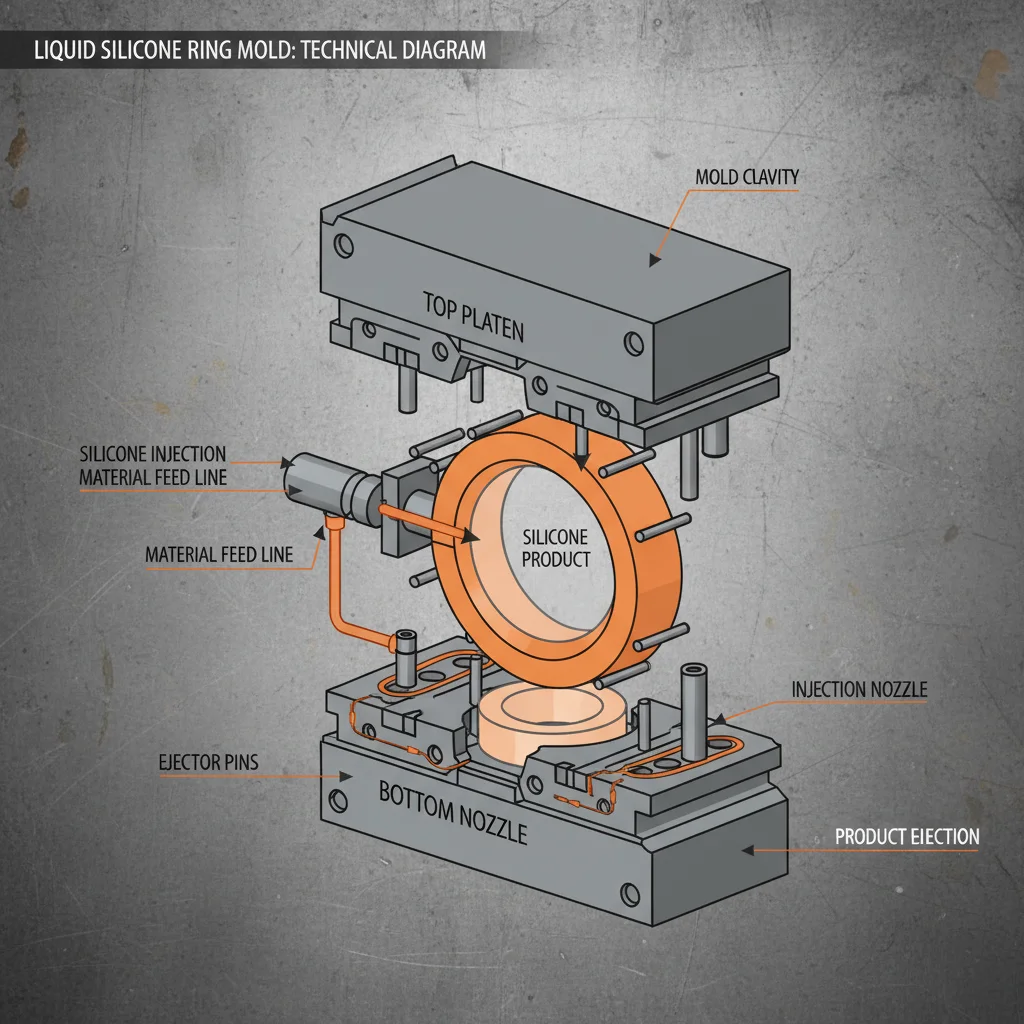
In simple terms, a Precision liquid silicone accessory mold is a highly engineered metal tool, typically crafted from high-grade stainless steel or P20 steel, designed to inject liquid silicone rubber (LSR) under heat and pressure. Unlike traditional compression molding, this precision tooling utilizes a closed-cavity system that ensures the silicone fills every intricate detail of the design, resulting in parts with superior consistency and minimal shrinkage.
This technology is deeply connected to modern humanitarian and industrial needs, particularly in the healthcare sector. For instance, the production of hypoallergenic breathing valves or surgical tubing requires a Precision liquid silicone accessory mold to ensure that there are no microscopic burrs or contaminants that could harm a patient. The "precision" aspect refers to the ability to hold tolerances as tight as ±0.01mm.
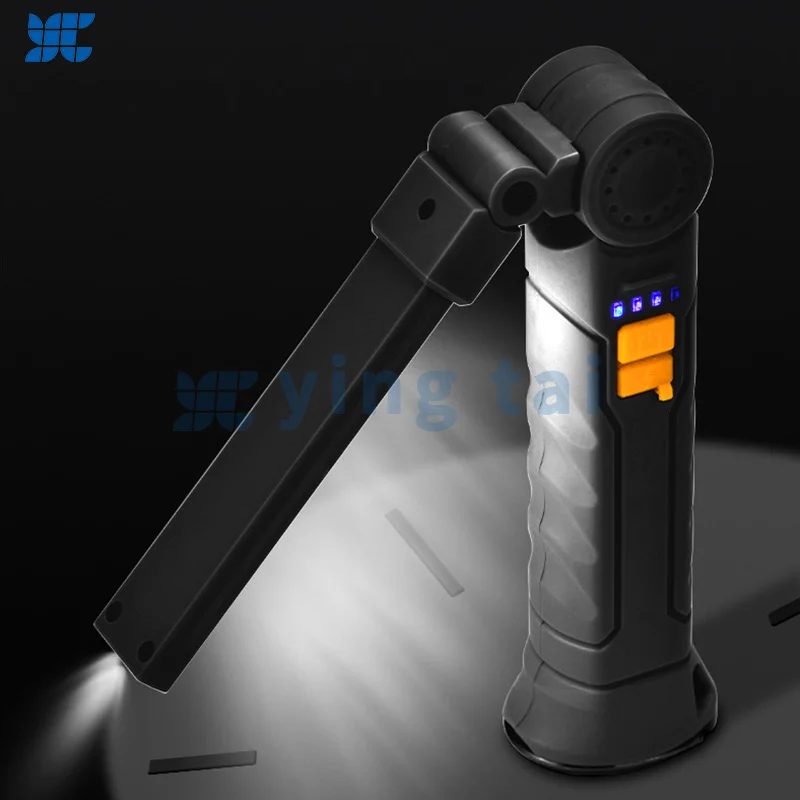
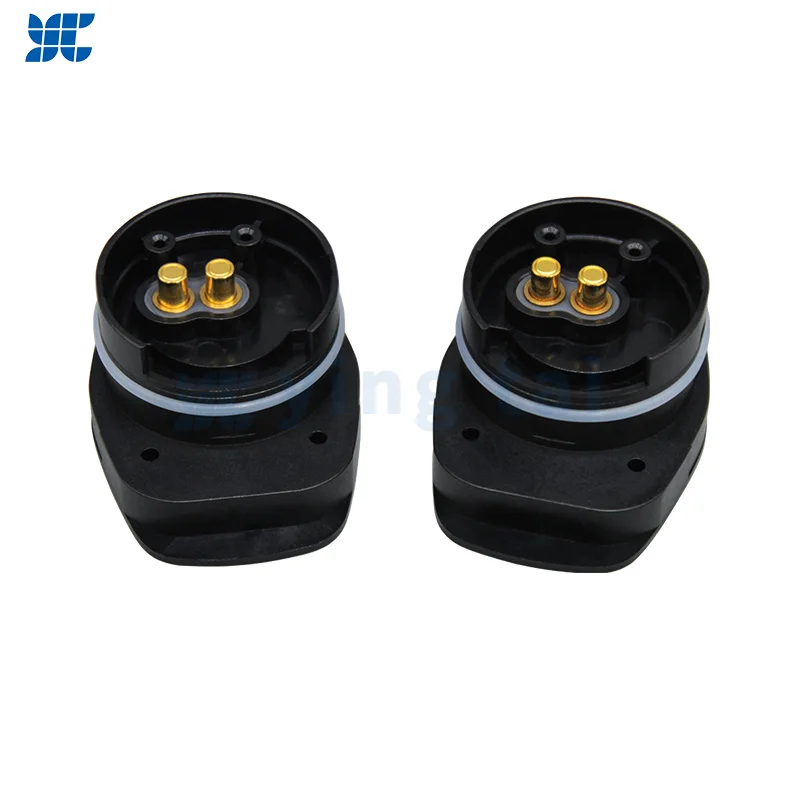
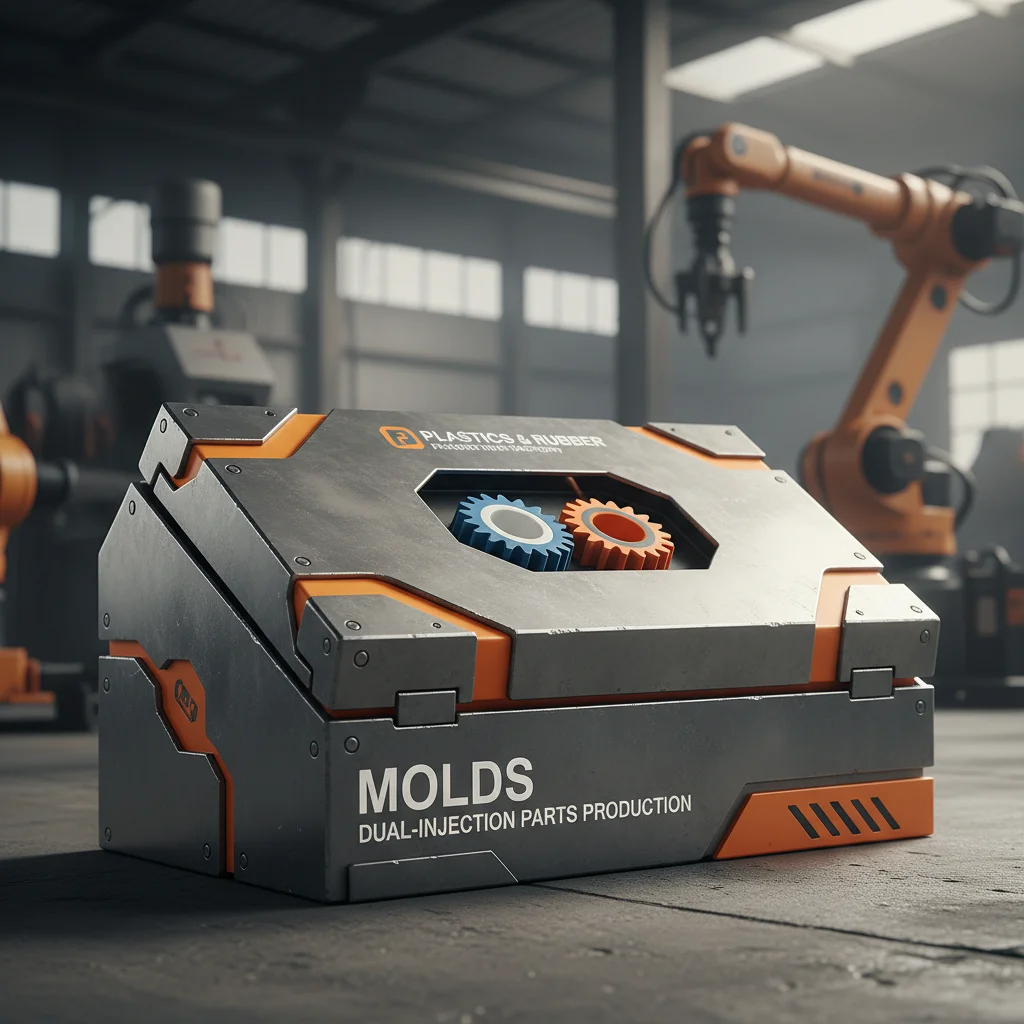
Furthermore, these molds facilitate the creation of "overmolded" components, where silicone is bonded to plastic or metal substrates. This hybrid approach, powered by the Precision liquid silicone accessory mold, allows for the creation of waterproof seals and ergonomic grips that are essential for the durability of modern consumer electronics and wearable medical devices.
Core Components of High-Precision LSR Tooling
Durability is the cornerstone of any Precision liquid silicone accessory mold. Because LSR curing happens at high temperatures, the mold must resist thermal fatigue and corrosion. The use of specialized coatings and hardened steel ensures that the mold can produce hundreds of thousands of parts without losing its dimensional integrity, which is critical for long-term production scalability.
Vacuum Venting is perhaps the most critical technical component of a Precision liquid silicone accessory mold. Since silicone is prone to trapping air bubbles (voids), the mold must be designed with strategic venting paths or integrated vacuum systems. This ensures that the liquid material reaches every corner of the cavity, eliminating structural weaknesses in the final accessory.
Thermal Management systems, including integrated heating channels, allow the Precision liquid silicone accessory mold to maintain a uniform temperature across the entire cavity. This prevents "cold slugs" and ensures that the curing process is homogeneous, which is vital for maintaining the physical properties of the silicone, such as elasticity and tensile strength.
Practical Applications and Global Use Cases
The versatility of the Precision liquid silicone accessory mold allows it to serve a diverse range of industries. In the medical field, these molds are used to create intricate seals for dialysis machines and neonatal care equipment, where failure is not an option. In remote industrial zones, such as offshore oil rigs, silicone accessories produced from these molds provide critical weather-proofing for electronic control panels, resisting extreme UV exposure and salt spray.
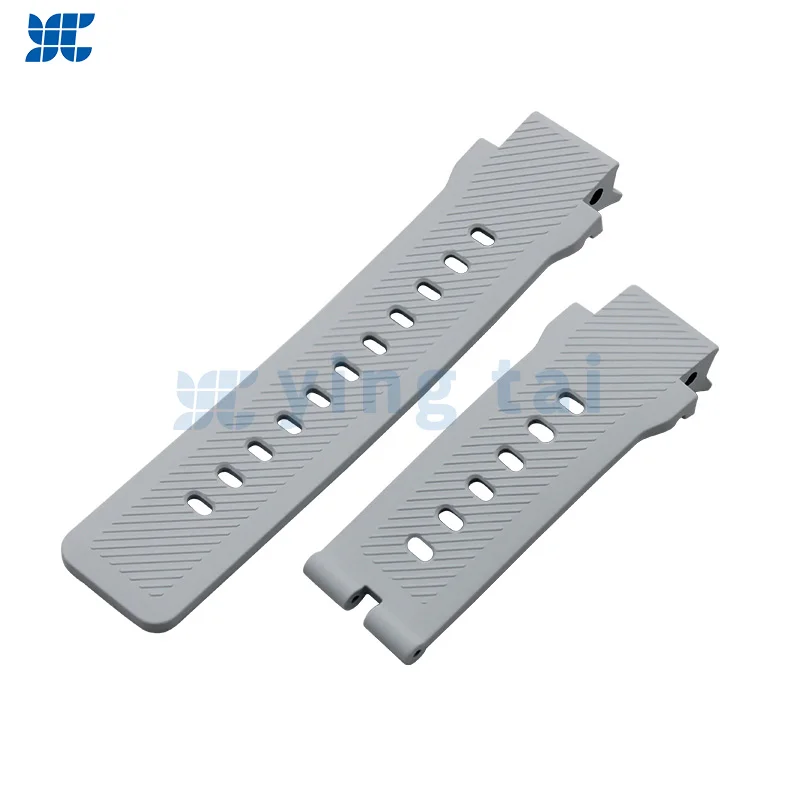
Another significant application is found in the high-end consumer electronics market, particularly in the production of smart-watch bands and earbud tips. The use of a Precision liquid silicone accessory mold ensures a soft-touch feel combined with high durability, meeting the aesthetic and functional demands of global brands. From the precision-engineered gaskets in European automotive engines to the baby bottle nipples manufactured in Southeast Asia, the impact of this technology is truly global.
Performance Comparison of Precision Liquid Silicone Accessory Mold Methods
Long-Term Value and Strategic Advantages
Investing in a high-quality Precision liquid silicone accessory mold provides tangible long-term economic benefits. By reducing the cycle time and eliminating the need for manual trimming (deflashing), manufacturers can significantly lower their cost per part. Moreover, the reliability of a precision mold reduces the risk of batch failures, which is especially critical when using expensive medical-grade silicone materials.
Beyond the financial metrics, there is an emotional and strategic value tied to trust and safety. When a medical device component is produced via a Precision liquid silicone accessory mold, the end-user is guaranteed a product that is safe, hypoallergenic, and consistent. This reliability builds brand equity and trust, positioning the manufacturer as an innovator in their field who refuses to compromise on quality.
Future Trends in Silicone Molding Innovation
The future of the Precision liquid silicone accessory mold is being shaped by the digital transformation. We are seeing the integration of "Smart Molds" equipped with real-time sensors that monitor pressure and temperature during the injection process. This IoT integration allows for predictive maintenance, where the mold can signal when it needs cleaning or repair before a defect actually occurs.
Sustainability is also driving innovation. New mold designs are focusing on reducing material waste and incorporating bio-based silicone alternatives. The Precision liquid silicone accessory mold of tomorrow will likely utilize additive manufacturing (3D printing) for conformal cooling channels, which allows for even faster cooling cycles and a reduced carbon footprint due to lower energy consumption.
Furthermore, the move toward automation is creating a synergy between the mold and the robotic arm. Advanced Precision liquid silicone accessory mold systems are now designed for "lights-out" manufacturing, where parts are injected, cured, and removed by robots with zero human intervention, ensuring maximum hygiene and efficiency.
Challenges and Expert Solutions in Mold Design
One of the most common challenges in the industry is the occurrence of "air traps" in complex geometries. To solve this, expert mold designers use Moldflow simulation software to predict the path of the liquid silicone. By optimizing the gate location and adding micro-vents in a Precision liquid silicone accessory mold, they can ensure a seamless fill and eliminate internal voids that would otherwise weaken the part.
Another hurdle is the wear and tear of the parting line, which leads to increased flash. The solution lies in the use of advanced materials like tungsten carbide inserts or specialized PVD coatings within the Precision liquid silicone accessory mold. These materials increase the surface hardness and reduce friction, extending the mold's lifespan and maintaining the precision of the edges.
Lastly, managing the "cure shrink" is a constant battle. Silicone shrinks as it vulcanizes, which can distort the final shape. Expert engineers overcome this by calculating the precise shrinkage rate of the specific silicone grade and slightly "oversizing" the cavity of the Precision liquid silicone accessory mold, ensuring that the final cooled part meets the exact specifications.
Comparative Analysis of Mold Design Specifications for LSR Accessories
| Mold Grade |
Tolerances (mm) |
Cycle Time (s) |
Expected Life (Cycles) |
| Prototype Mold |
± 0.10 |
60 - 90 |
5,000 |
| Standard Production |
± 0.05 |
30 - 45 |
100,000 |
| Medical Grade Precision |
± 0.02 |
20 - 30 |
500,000 |
| High-Volume Industrial |
± 0.03 |
15 - 25 |
1,000,000 |
| Ultra-Precision Nano |
± 0.01 |
25 - 40 |
300,000 |
| Multi-Cavity Hybrid |
± 0.04 |
10 - 20 |
750,000 |
FAQS
The primary difference lies in the tolerance levels and the venting systems. A precision mold is designed specifically for low-viscosity Liquid Silicone Rubber (LSR), featuring micron-level sealing to prevent "flash" and integrated vacuum channels to eliminate air bubbles. Standard molds often lack these features, leading to higher scrap rates and lower surface quality.
Depending on the material used for the mold (e.g., hardened stainless steel vs. P20), a high-quality precision liquid silicone accessory mold can last from 500,000 to over 1 million cycles. Regular maintenance, such as polishing the parting lines and checking heating elements, is essential to maximize this lifespan.
Yes, that is one of the greatest strengths of the precision liquid silicone accessory mold. Because LSR flows easily before curing, these molds can produce highly intricate internal structures, thin walls, and complex undercuts that would be impossible with traditional thermoplastic injection molding.
Air bubbles are prevented through a combination of vacuum-assisted injection and strategic vent placement. A precision liquid silicone accessory mold is engineered with specific "air paths" that allow gas to escape as the material fills the cavity, ensuring a dense, void-free part.
Absolutely. Precision liquid silicone accessory molds are the industry standard for medical-grade components. They are designed to be compatible with biocompatible silicones and are often manufactured from non-leaching steels to ensure the purity and safety of the final medical device.
Lead times vary based on complexity, but typically range from 4 to 8 weeks. This includes the design phase, Moldflow simulation, CNC machining, EDM precision work, and final sample testing to ensure the precision liquid silicone accessory mold meets all specifications before mass production.
Conclusion
In summary, the Precision liquid silicone accessory mold is an indispensable tool for any manufacturer seeking to merge high-performance material properties with extreme dimensional accuracy. From its role in critical medical applications to its impact on consumer electronics, the precision of the mold directly dictates the quality, safety, and cost-efficiency of the final product. By focusing on durability, vacuum venting, and thermal management, these molds allow for the production of complex, high-value accessories that meet the strictest global standards.
Looking forward, the integration of AI-driven design and smart sensing will further refine the capabilities of silicone molding, pushing the boundaries of what is possible in material science. For companies aiming to scale their production while maintaining a competitive edge in quality, investing in superior tooling is the most strategic move. We invite you to explore how our expertise in high-precision engineering can elevate your product line. Visit our website: www.ytlsrmold.com