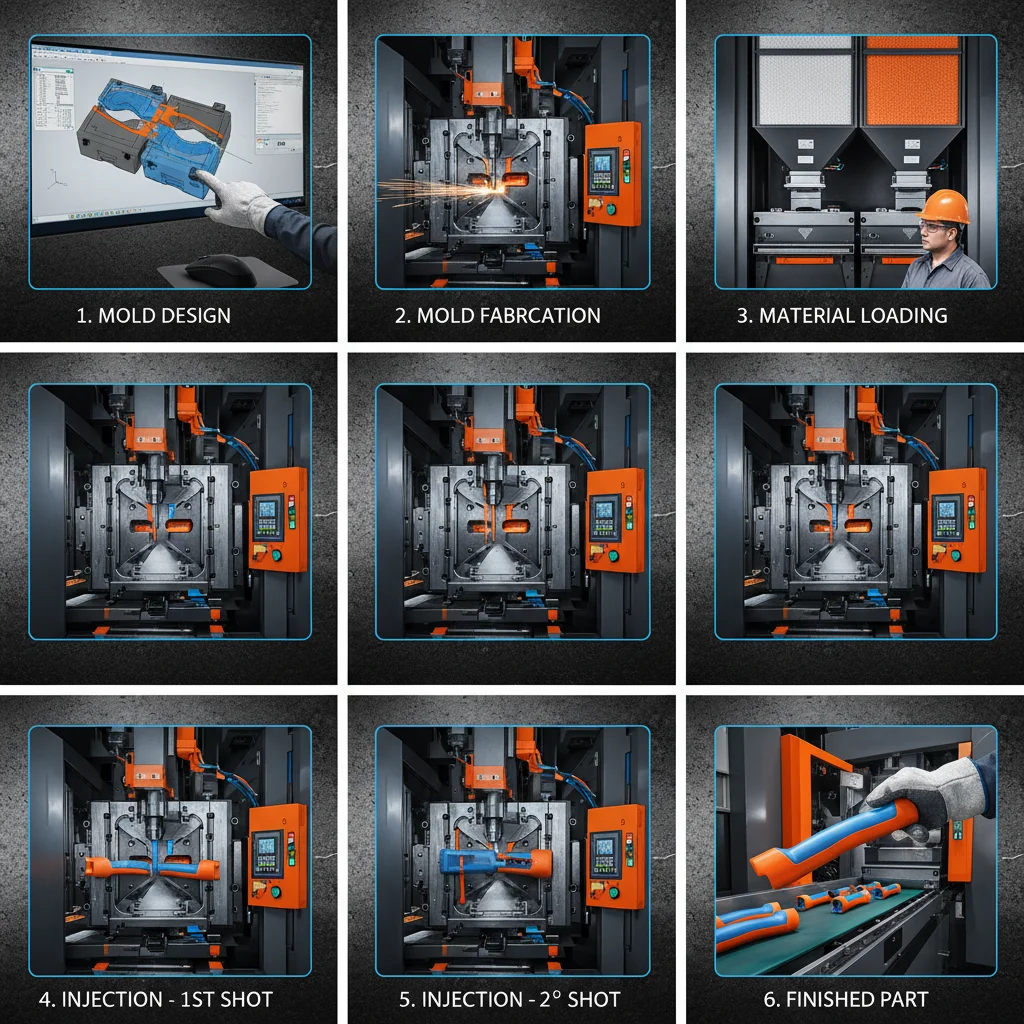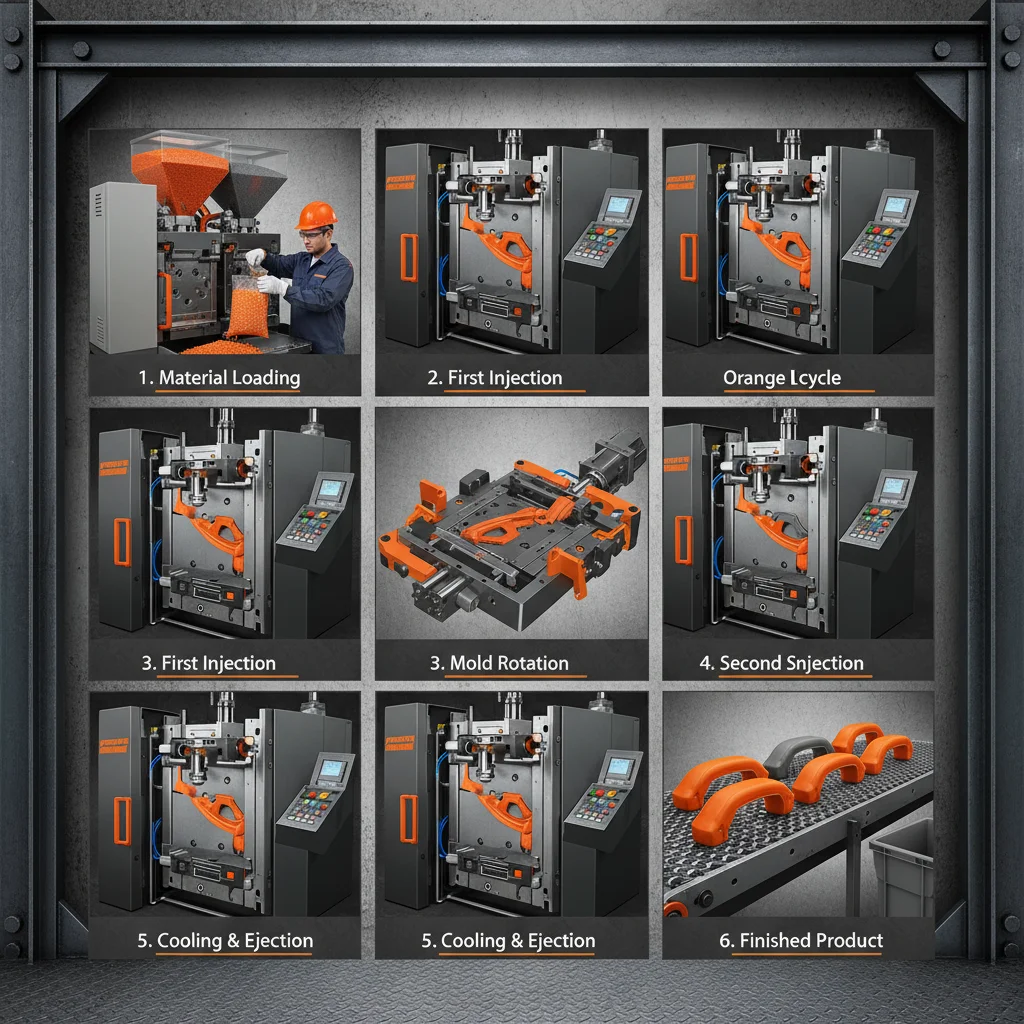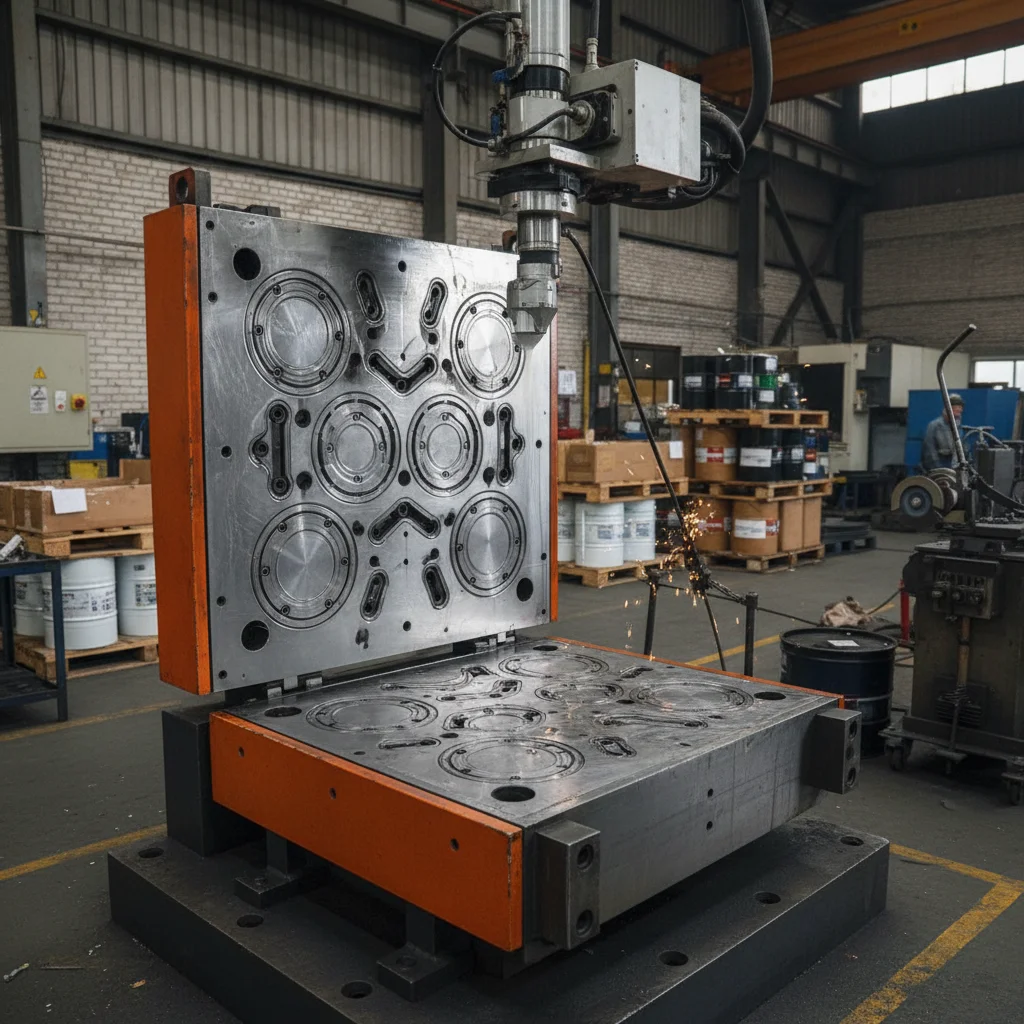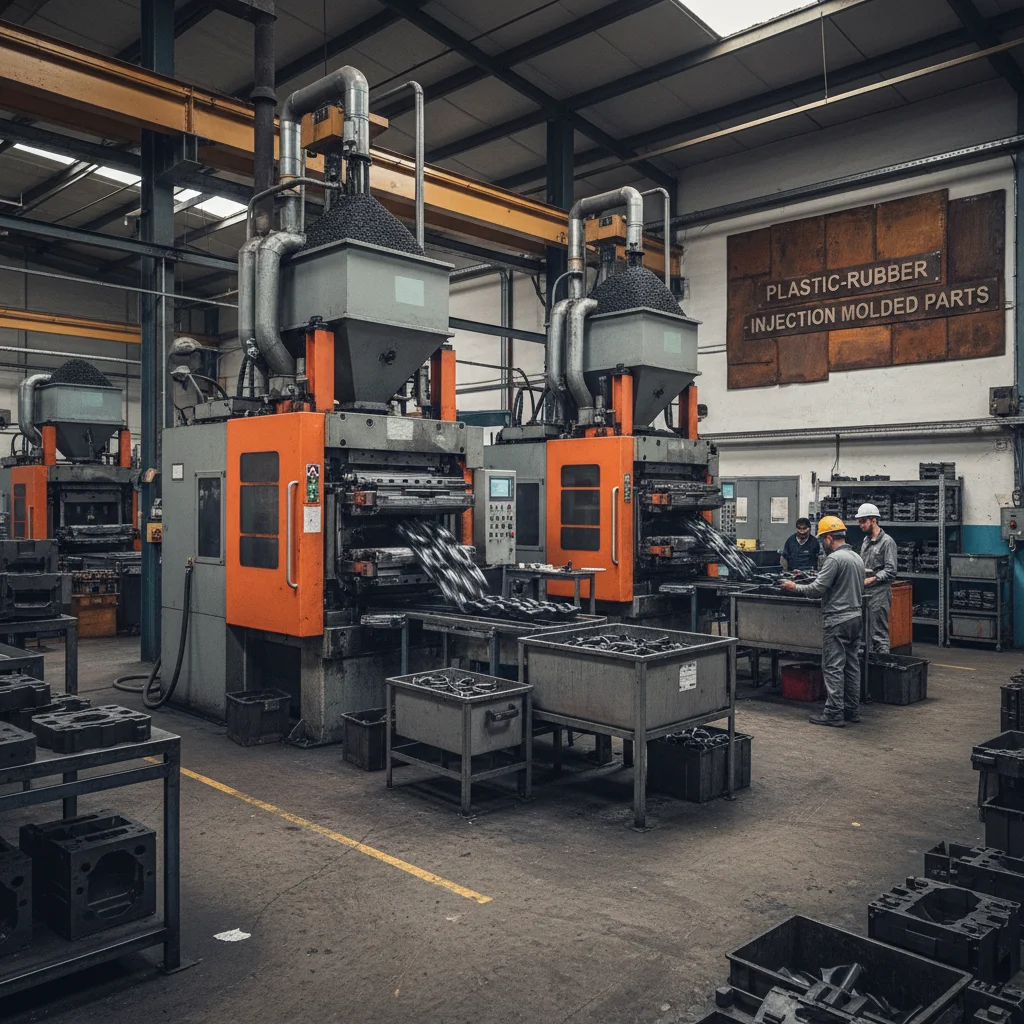
In the rapidly evolving landscape of high-performance manufacturing, the Precision liquid silicone product mold stands as a cornerstone for industries requiring absolute accuracy and biocompatibility. From life-saving medical devices to intricate consumer electronics, the ability to mold Liquid Silicone Rubber (LSR) with micron-level precision ensures that products not only meet strict functional specifications but also maintain long-term durability in demanding environments.
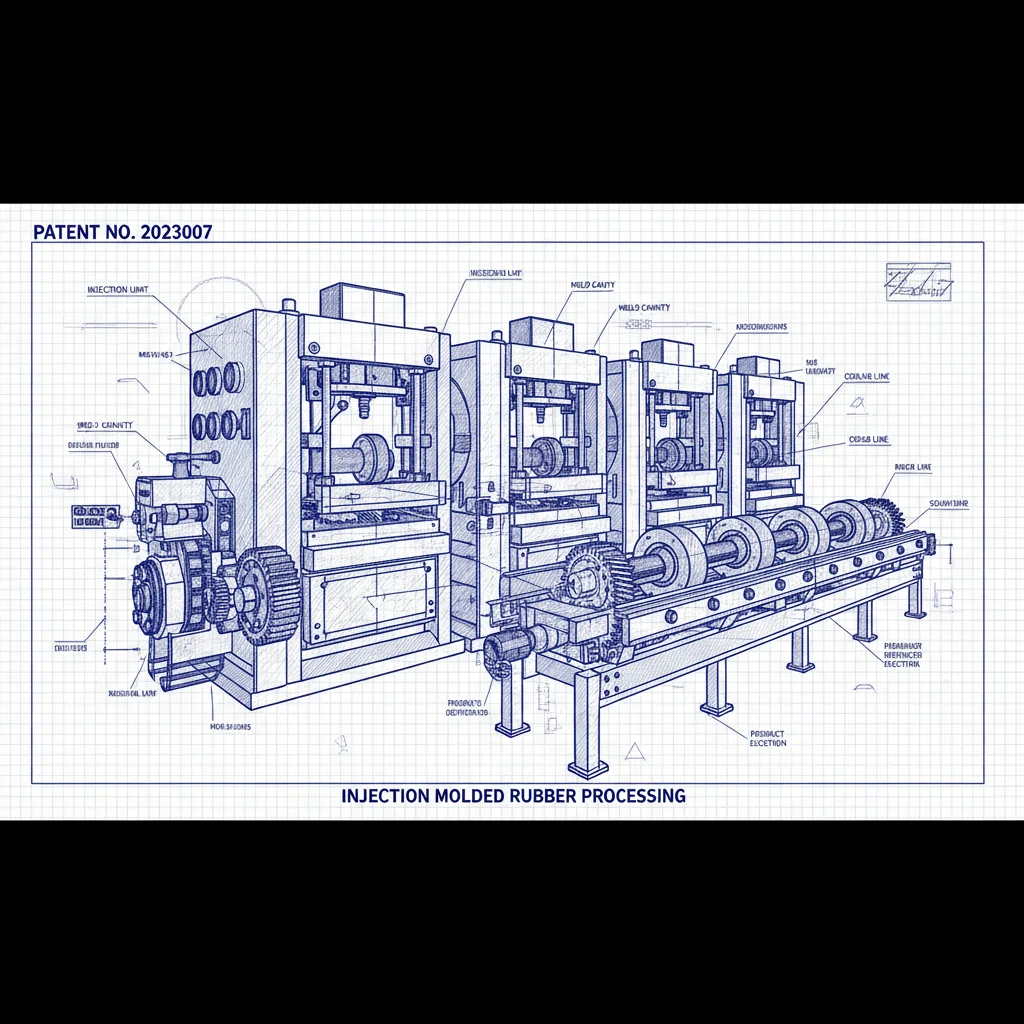
The global shift toward automation and miniaturization has intensified the demand for advanced tooling solutions. A high-quality Precision liquid silicone product mold solves the critical challenge of flashing and dimensional instability, allowing manufacturers to reduce waste and increase throughput. By leveraging state-of-the-art CNC machining and EDM technology, these molds facilitate the production of complex geometries that were previously impossible with traditional rubber molding.
Understanding the intricacies of LSR tooling is no longer just a technical requirement but a strategic advantage. By optimizing the thermal conductivity and venting of a Precision liquid silicone product mold, companies can significantly lower cycle times and improve the consistency of every shot. This guide explores the technical depths, global applications, and future trajectories of precision silicone molding to help you make informed engineering decisions.
The global demand for liquid silicone rubber (LSR) has seen a steady CAGR increase, driven largely by the medical and automotive sectors. According to ISO standards for quality management, the precision of the tooling is the primary determinant of product reliability. A Precision liquid silicone product mold is essential for meeting these rigorous international standards, especially as devices become smaller and more complex.
In regions like Europe and North America, where regulatory bodies such as the FDA and EMA impose strict biocompatibility requirements, the quality of the mold surface and the absence of contaminants are paramount. The industry is currently facing a challenge where traditional tooling cannot keep up with the rapid iteration cycles of wearable tech, making the adoption of high-precision, rapid-prototyped molds a global necessity.
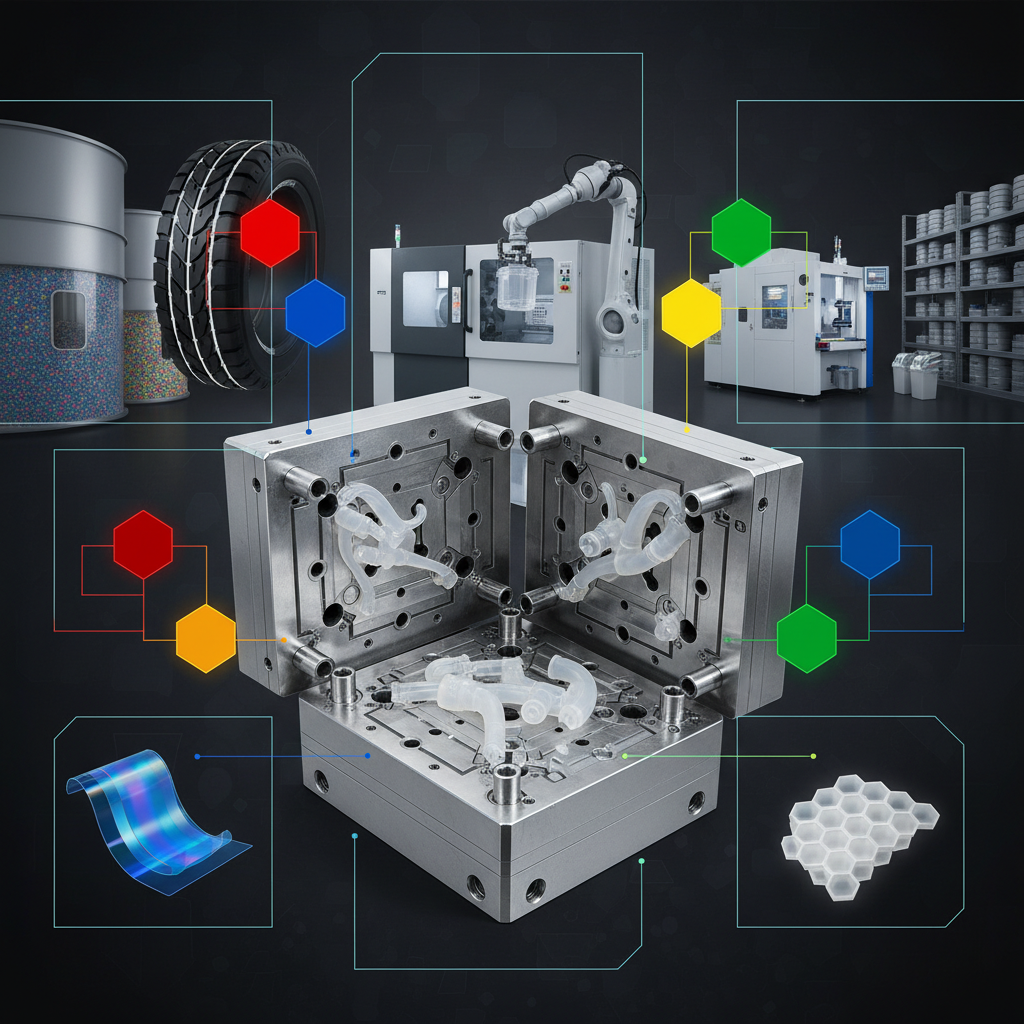
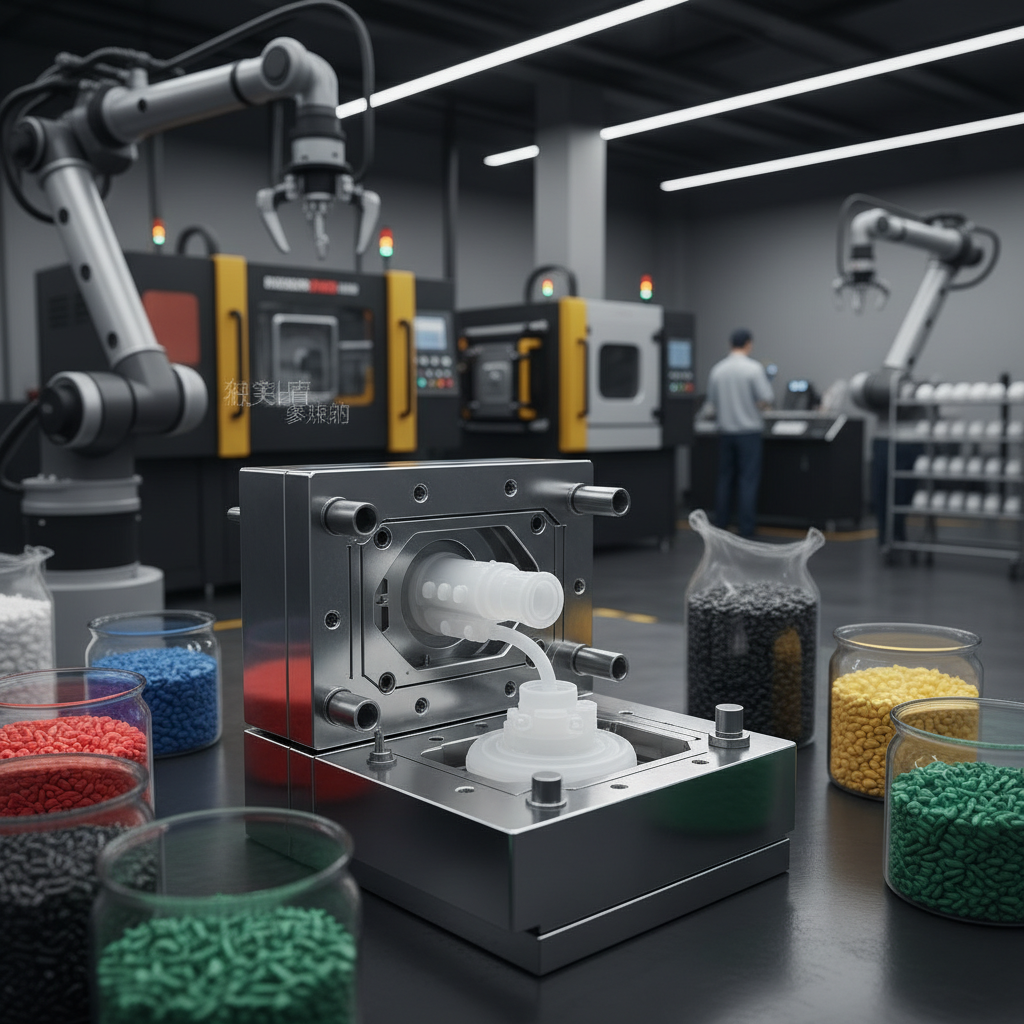
At its core, a Precision liquid silicone product mold is a highly engineered tool typically constructed from high-grade tool steel (such as H13 or S136) designed to inject low-viscosity silicone rubber under heat and pressure. Unlike compression molding, these molds are designed for injection molding, which allows for incredibly tight tolerances and the creation of complex, thin-walled parts with high repeatability.
The "precision" aspect refers to the mold's ability to maintain dimensional stability within microns across thousands of cycles. This involves meticulous attention to the shut-off surfaces to prevent "flash"—the excess material that leaks between mold halves—and the implementation of optimized gating systems to ensure the silicone fills the cavity without trapping air or creating weld lines.
Beyond the technical specs, this technology fulfills a humanitarian need by enabling the mass production of affordable, medical-grade components. From neonatal breathing valves to prosthetic seals, the Precision liquid silicone product mold transforms advanced chemistry into tangible tools that improve human health and safety worldwide.
Durability is the first pillar of a successful Precision liquid silicone product mold. Because LSR molding involves high temperatures and corrosive agents over time, the choice of steel and the application of specialized coatings (like DLC or Chrome plating) are critical to prevent wear and tear, ensuring the mold lasts for millions of cycles without losing its precision.
Thermal Efficiency is equally vital. Since the curing of liquid silicone is a thermal process, the Precision liquid silicone product mold must have a sophisticated heating and cooling system. Uniform heat distribution prevents internal stresses in the silicone part, which would otherwise lead to warping or premature failure of the finished product.
Lastly, Scalability and Design Versatility allow manufacturers to move from prototypes to mass production seamlessly. By utilizing multi-cavity designs in a Precision liquid silicone product mold, companies can drastically reduce the cost per unit while maintaining the same high quality, making high-end silicone products accessible to a broader market.
The versatility of the Precision liquid silicone product mold is evident in its wide adoption across diverse sectors. In the medical industry, it is used to create intricate gaskets for dialysis machines and soft-touch interfaces for surgical instruments. In the automotive sector, these molds produce high-temperature resistant seals and vibration dampeners that are critical for the safety of electric vehicle (EV) battery packs.
Looking at specific use cases, in high-tech industrial zones in Asia, these molds are used to produce waterproof seals for smartphones and wearables, ensuring IP68 ratings. Furthermore, in specialized healthcare settings, precision-molded silicone valves are used in respiratory therapy equipment, where a deviation of even 0.05mm could compromise the patient's oxygen delivery.
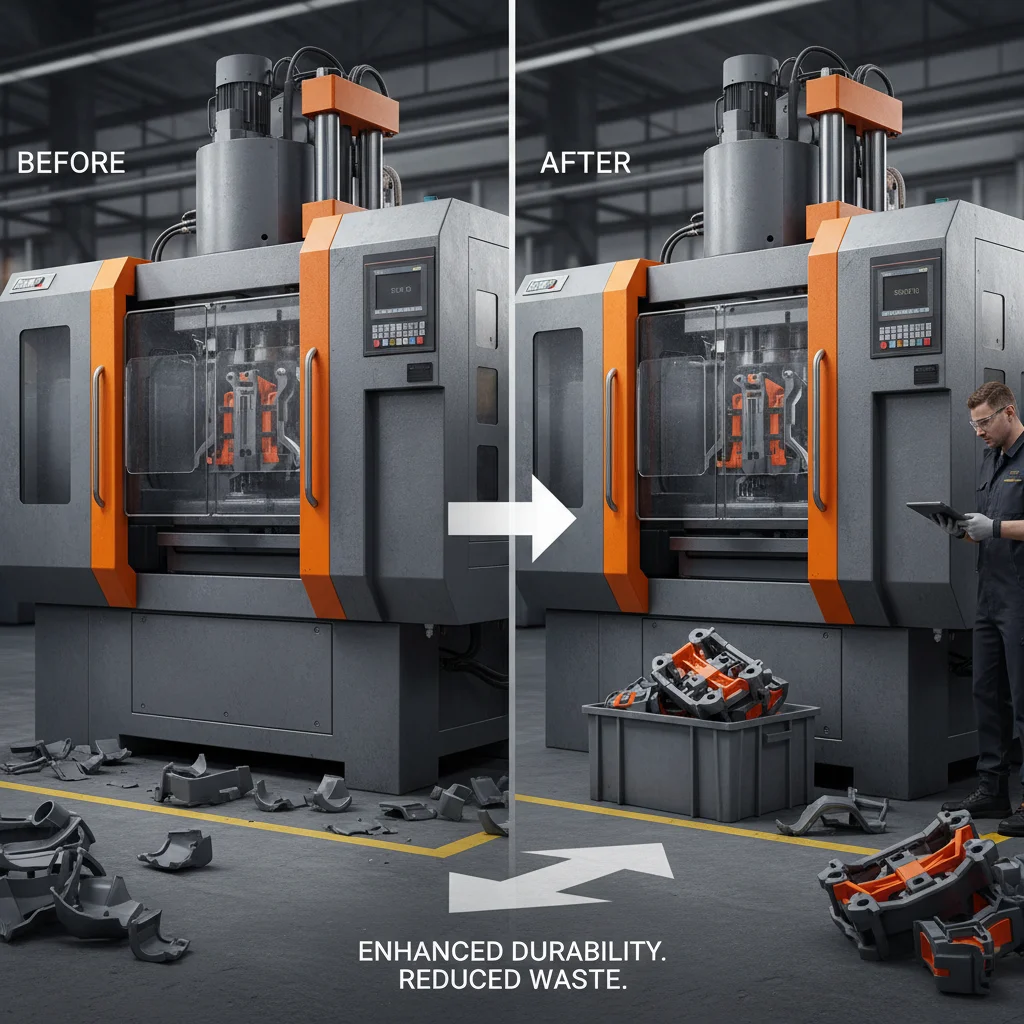
Investing in a premium Precision liquid silicone product mold provides tangible economic benefits through the reduction of scrap rates and the elimination of secondary finishing processes. When a mold is engineered correctly from the start, the resulting parts are "ready-to-use," significantly lowering the overall cost of ownership and increasing the speed-to-market for new product launches.
Beyond the numbers, there is an emotional value rooted in trust and reliability. For a medical device manufacturer, the knowledge that their Precision liquid silicone product mold produces identical, flawless parts every time translates to patient safety and brand integrity. This reliability fosters innovation, as engineers feel confident designing more ambitious products knowing the tooling can handle the complexity.
The future of the Precision liquid silicone product mold is being shaped by the "Industry 4.0" revolution. Smart molds equipped with integrated sensors are now being developed to monitor internal pressure and temperature in real-time. This allow for autonomous adjustments during the molding process, virtually eliminating defects and optimizing cycle times through AI-driven analytics.
Sustainability is also driving innovation. New hybrid materials are being explored for mold construction to reduce the carbon footprint of tool production. Additionally, the integration of additive manufacturing (3D printing) for conformal cooling channels within the Precision liquid silicone product mold is allowing for much faster cooling cycles and more uniform part quality.
Digital transformation is further enabling "digital twins" of the mold. Engineers can now simulate the entire flow of liquid silicone within a virtual Precision liquid silicone product mold before a single piece of steel is cut. This reduces the risk of costly design errors and accelerates the development phase of complex silicone accessories.
One of the most persistent challenges in designing a Precision liquid silicone product mold is managing the "air trap" phenomenon. Because LSR is injected at high speeds, air can become trapped in the cavity, leading to voids or bubbles in the final part. Expert mold engineers solve this by implementing vacuum-assisted venting and precision-calculated overflow wells to ensure a perfect fill.
Another hurdle is the extreme precision required for parting lines. Even a microscopic gap in the Precision liquid silicone product mold can result in flash, which is particularly problematic for medical components where any excess material could be dangerous. The solution lies in using ultra-precision grinding and high-tonnage presses to ensure a perfectly flush seal.
Finally, managing the thermal expansion of the mold steel during high-temperature operation is a complex balancing act. By utilizing advanced simulation software and choosing steels with low coefficients of thermal expansion, manufacturers can ensure that the Precision liquid silicone product mold maintains its tight tolerances even after hours of continuous heating.
| Challenge Factor | Conventional Approach | Precision Engineering Solution | Impact Score (1-10) |
|---|---|---|---|
| Flash Reduction | Manual trimming of parts | Micron-level shut-off surfaces | 10 |
| Air Traps/Voids | Simple venting holes | Vacuum-assisted molding system | 9 |
| Cycle Time | Standard heating plates | Conformal cooling/heating channels | 8 |
| Mold Wear | Basic tool steel | Hardened S136 with DLC coating | 9 |
| Dimensional Stability | Trial and error adjustments | Advanced CAE Flow Simulation | 10 |
| Surface Finish | Standard polishing | Mirror-finish SPI A-1 polishing | 8 |
A precision liquid silicone product mold is specifically designed for Low Viscosity Liquid Silicone Rubber (LSR) and utilizes injection molding rather than compression. This allows for much tighter tolerances (often within 0.01mm), more complex geometries, and a significantly faster production cycle. Additionally, the materials used for precision molds are higher-grade steels capable of withstanding the specific thermal demands of the LSR curing process.
The mold's surface finish and material are critical. A high-quality precision liquid silicone product mold uses medical-grade tool steel and specialized coatings to ensure no metallic contaminants leach into the silicone. Furthermore, a precision-engineered surface prevents the formation of micro-crevices where bacteria could potentially harbor, ensuring the final product meets strict ISO 10993 biocompatibility standards.
Yes, this is known as LSR overmolding. A precision mold designed for this purpose must account for the different thermal expansion rates of the plastic substrate and the silicone. The mold must securely hold the plastic part while injecting the liquid silicone, requiring extremely tight clearances to prevent the plastic from shifting or the silicone from leaking (flashing) around the edges.
Depending on the steel grade and the complexity of the part, a high-quality precision liquid silicone product mold can typically last from 500,000 to several million shots. Lifespan is extended by using premium steels like H13 or S136 and applying protective coatings. Regular maintenance and precision cleaning are essential to prevent residue buildup and maintain the integrity of the parting lines.
Reducing flash requires a combination of high-precision tooling and machine calibration. Ensure your precision liquid silicone product mold has a perfectly matched parting surface with zero gaps. Using a high-tonnage press helps maintain the seal during injection. Additionally, optimizing the injection pressure and speed via simulation can prevent the silicone from forcing the mold halves apart.
While 3D printing is excellent for rapid prototyping and creating "soft" molds for low-volume testing, it cannot replace metal for mass production. However, 3D printing is used inside the metal mold to create conformal cooling channels, which optimize temperature control and improve the overall precision and cycle time of the liquid silicone molding process.
The adoption of a Precision liquid silicone product mold is a transformative step for any manufacturer aiming for the highest standards of quality and efficiency. By integrating advanced material science, micron-level machining, and smart thermal management, these molds enable the creation of products that are not only functional but safer and more durable. From eliminating waste to ensuring biocompatibility in critical medical devices, the value of precision tooling extends far beyond the production line.
Looking forward, the synergy between AI-driven simulation and additive manufacturing will further push the boundaries of what is possible in silicone molding. For companies seeking to remain competitive in a global market that demands both sustainability and extreme precision, investing in superior mold engineering is the only viable path. We invite you to explore our professional tooling solutions and elevate your product standards. Visit our website: www.ytlsrmold.com
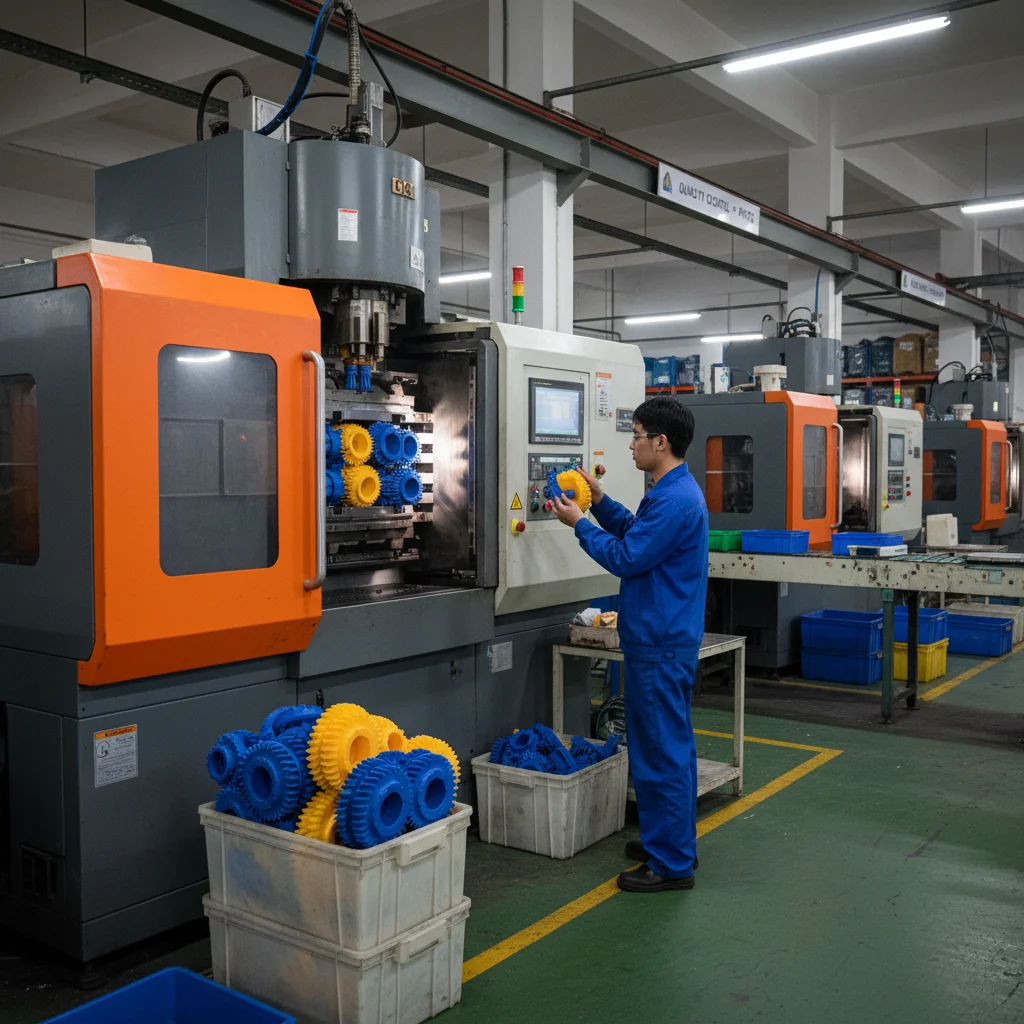
Fully automatic precision injection molding, quality assurance! Diverse products, worry free customization, welcome to Yingtai factory for processing and customization!
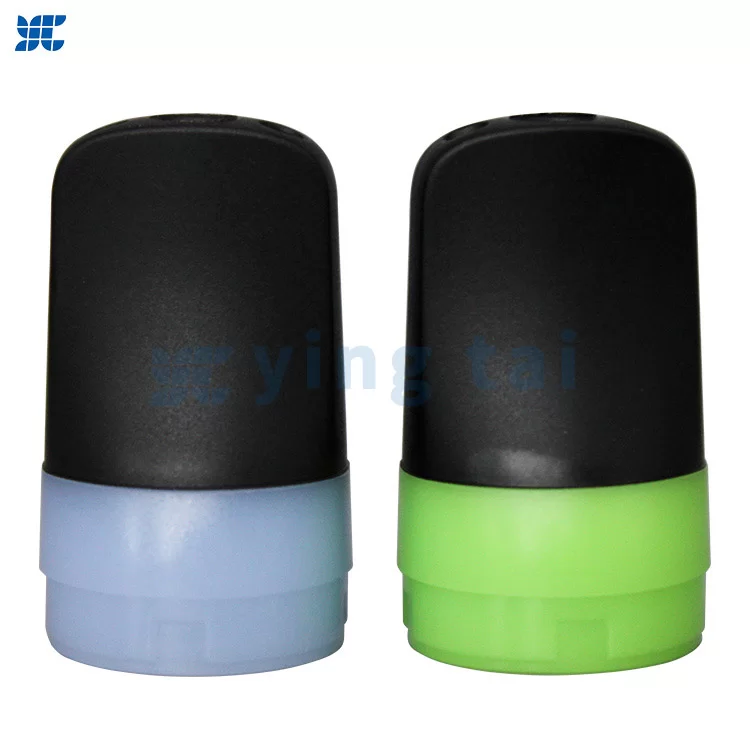
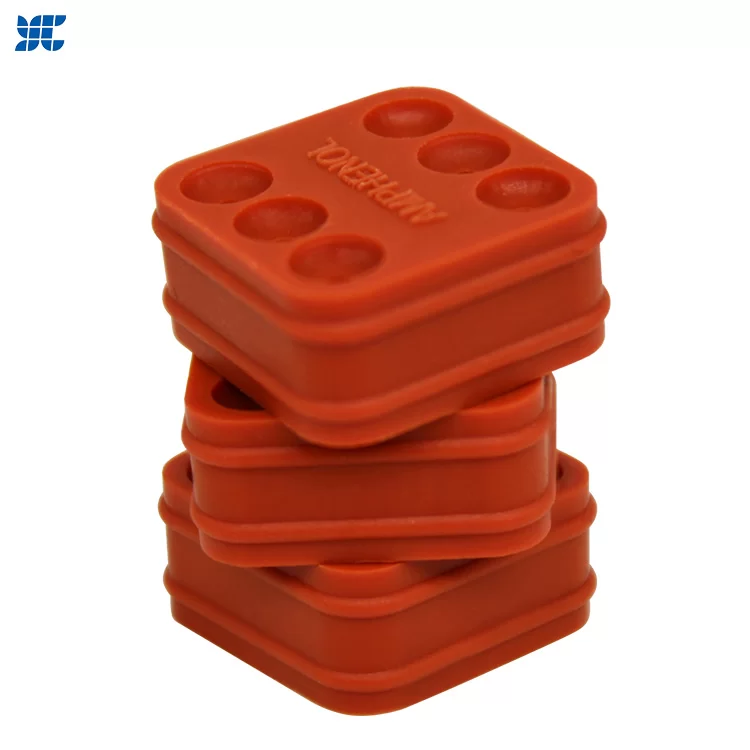
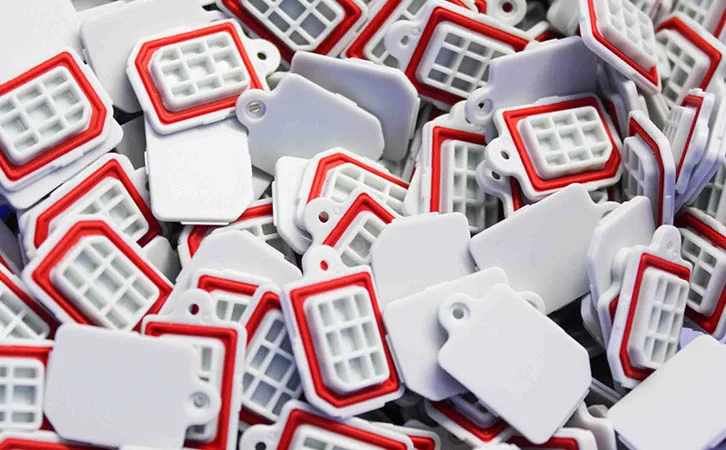
The liquid silicone sealing accessories produced by Yingtai Factory can also serve as seals, buffers, and other functions for various electronic tubes or electrical components, with moisture-proof, dust-proof, shock resistant, and wear-resistant effects
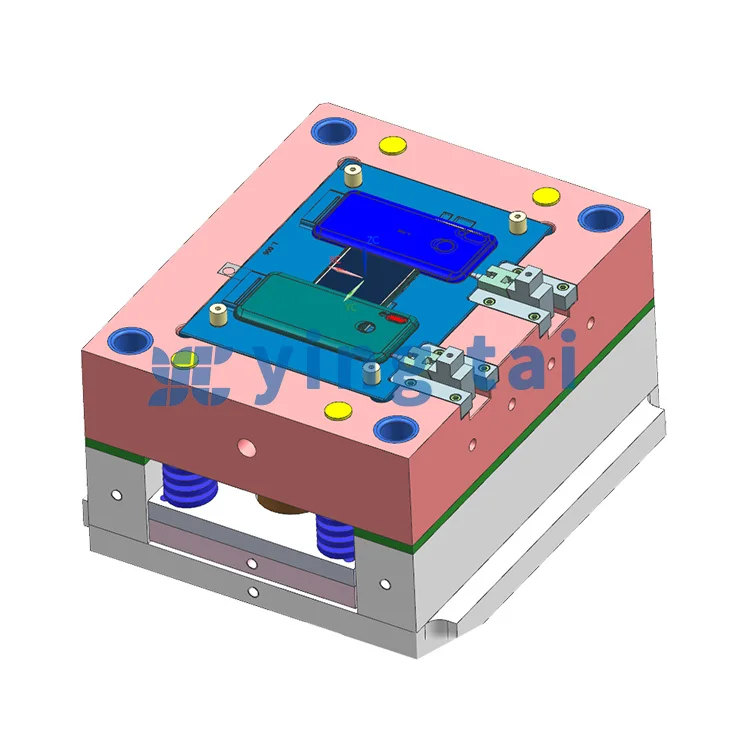
Yingtai factory meticulously creates high-precision injection molds to ensure perfect product quality and consistency.