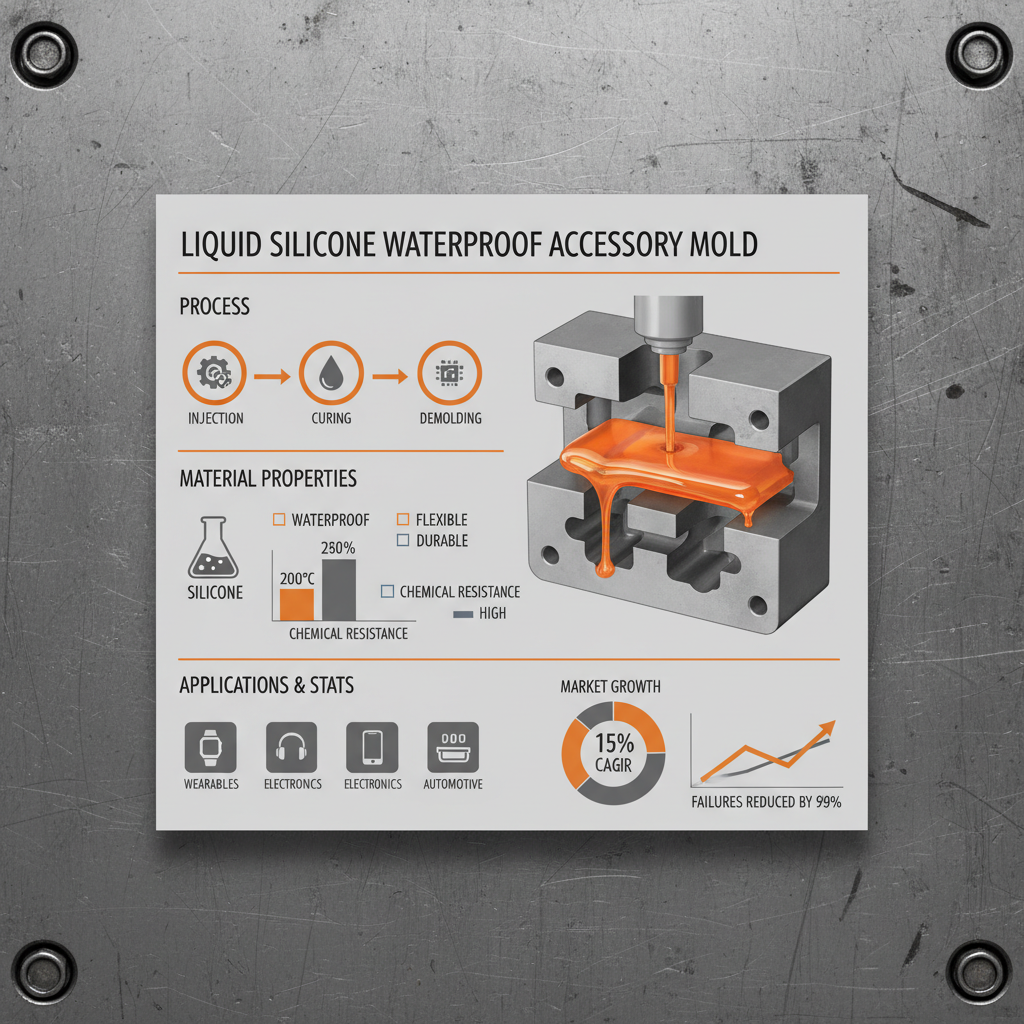
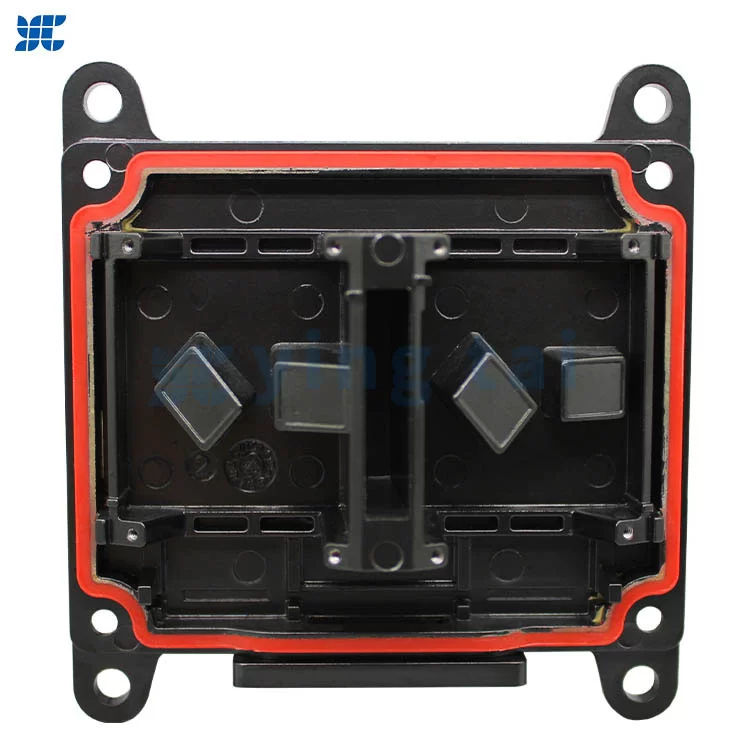
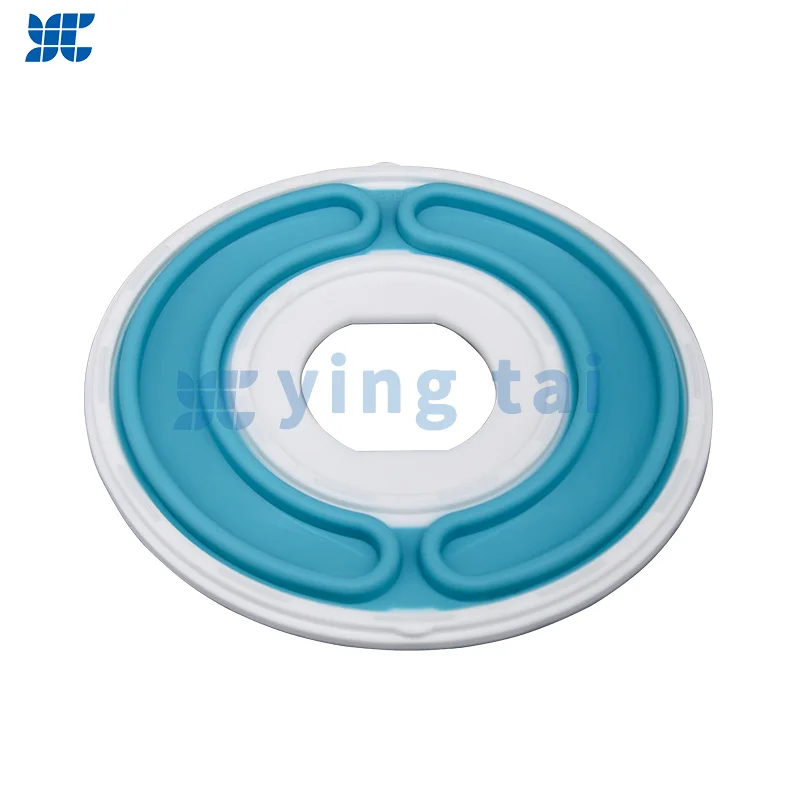
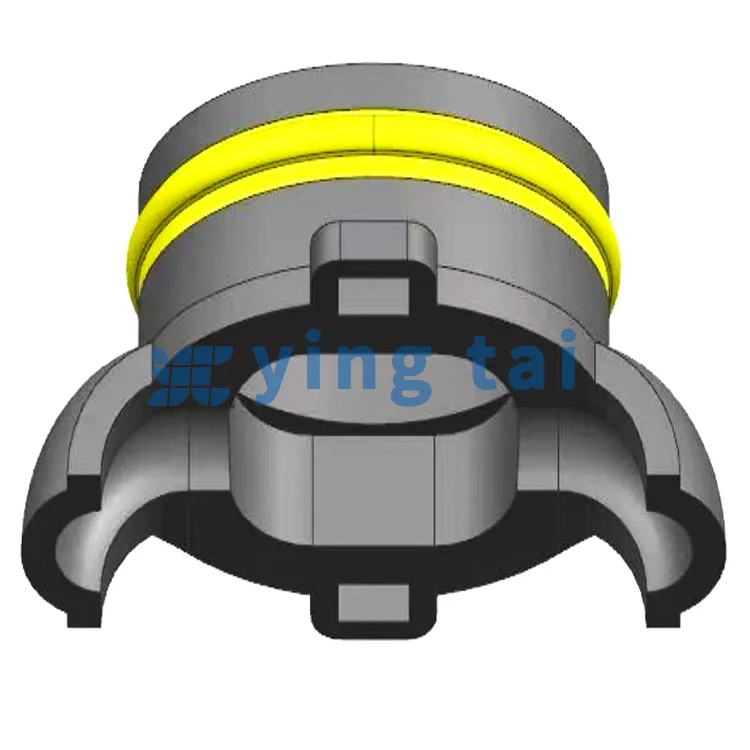
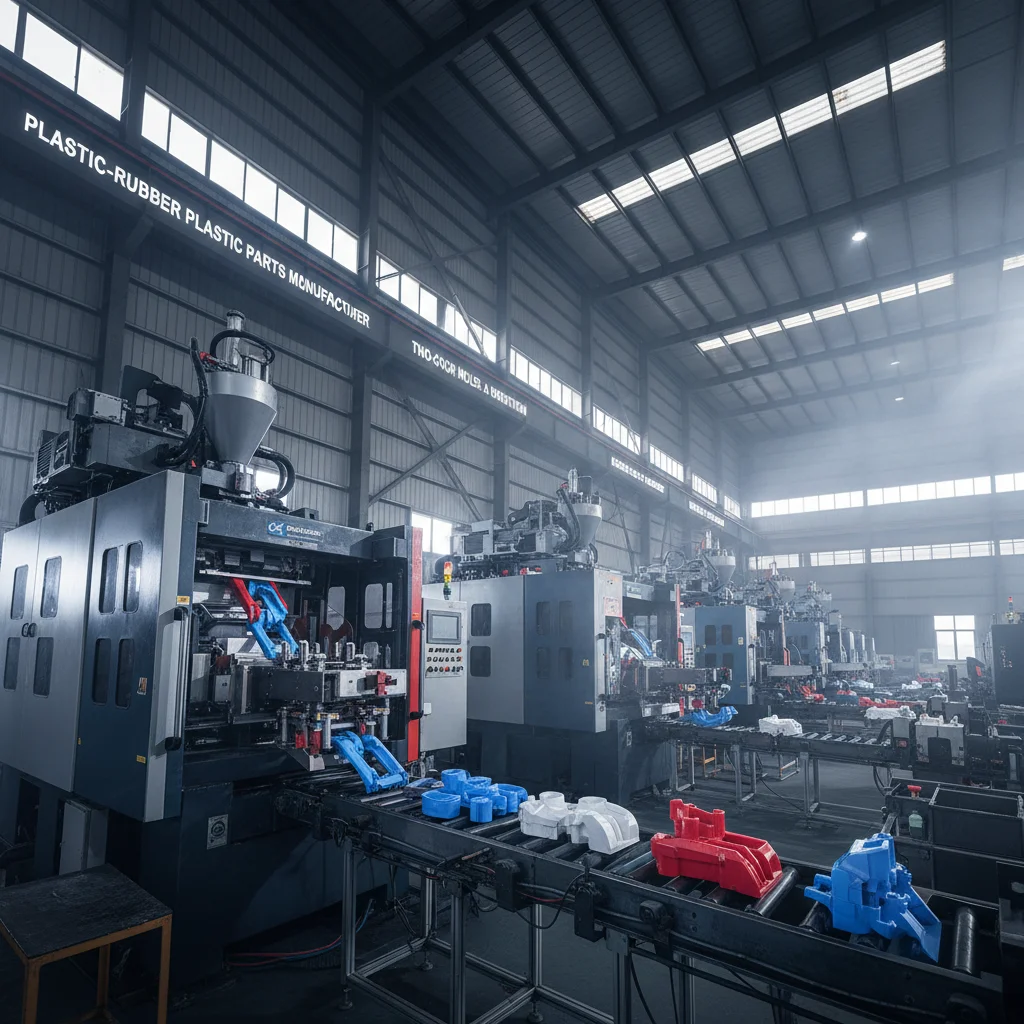
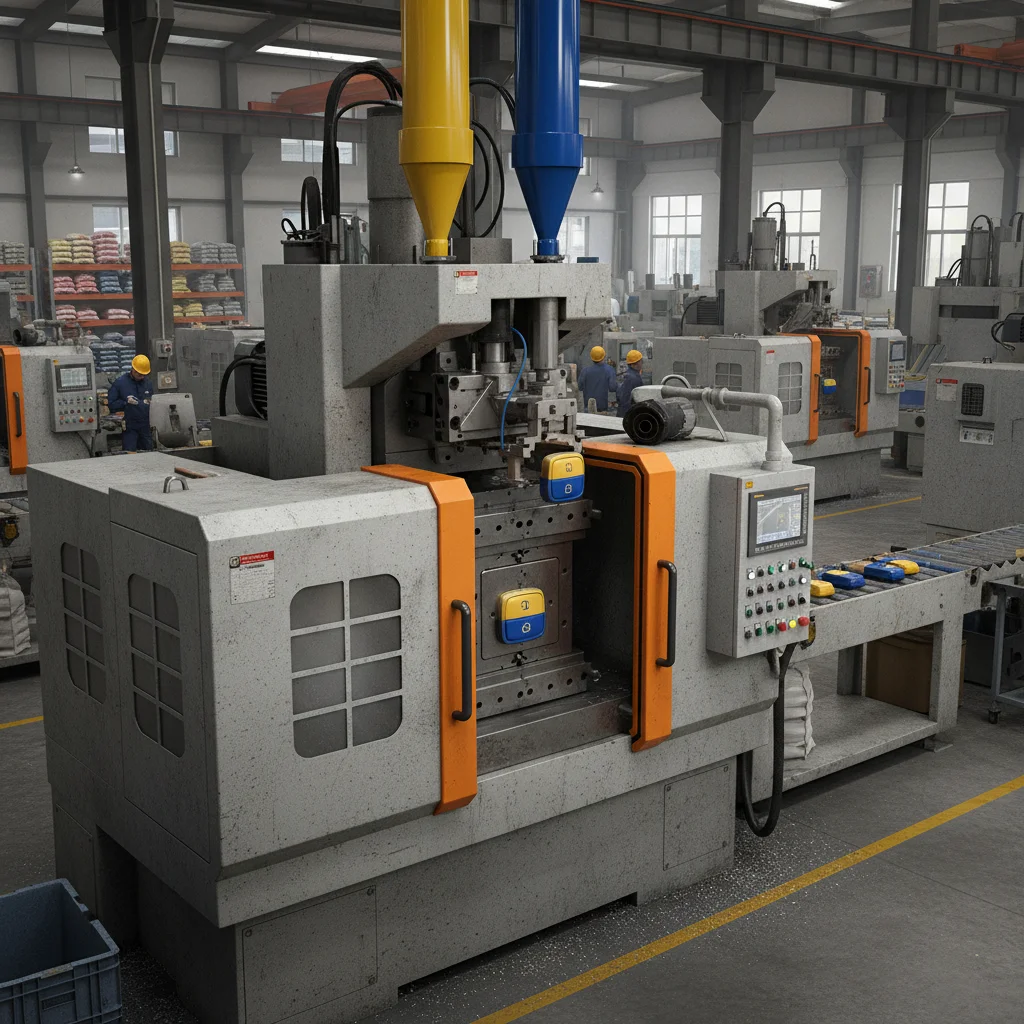
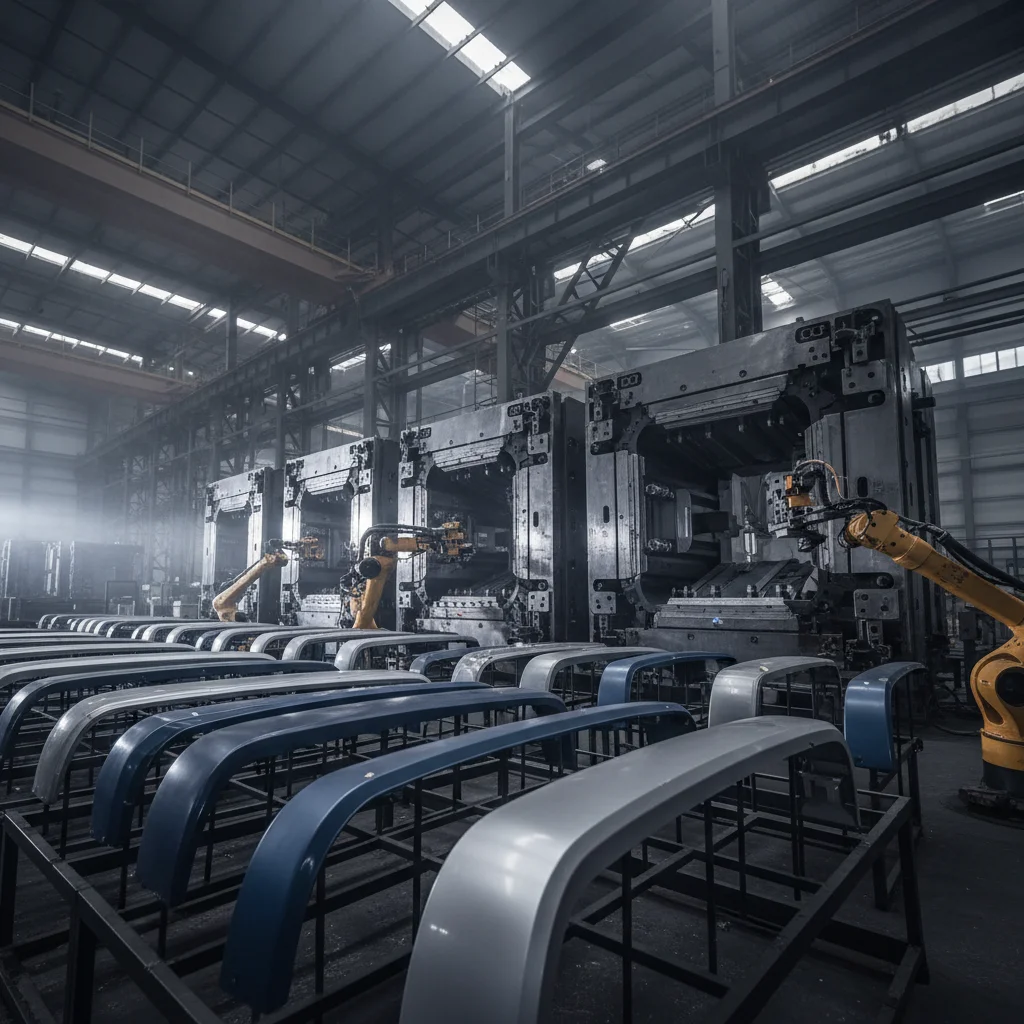
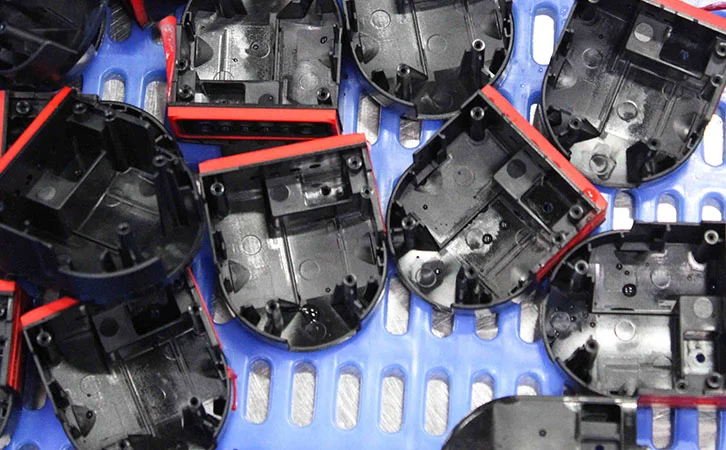
In the modern industrial landscape, the demand for high-precision sealing and protection has led to the rise of the Liquid silicone waterproof accessory mold as a critical tool for manufacturers. These specialized molds allow for the creation of Liquid Silicone Rubber (LSR) components that provide airtight and watertight barriers, essential for everything from wearable electronics to medical devices. By leveraging the unique properties of liquid silicone, companies can achieve an unprecedented level of detail and reliability in their waterproof accessories.
The global shift toward miniaturization and the increasing prevalence of "water-resistant" ratings (such as IP67 and IP68) have placed immense pressure on mold design. A high-quality Liquid silicone waterproof accessory mold ensures that the final product has no flash, minimal shrinkage, and perfect dimensional stability. This precision is not just about aesthetics; it is a functional necessity to prevent moisture ingress that could lead to catastrophic electronic failure or contamination in sterile environments.
Understanding the nuances of LSR injection molding—specifically the design of the waterproof accessory mold—enables brands to reduce waste, shorten production cycles, and enhance the longevity of their end products. As we delve deeper into the technical requirements and global applications, it becomes clear that the intersection of material science and precision engineering is where the most sustainable and durable waterproof solutions are born.

Global Relevance of Liquid Silicone Waterproof Accessory Molds
The global demand for high-performance elastomers has surged as industries transition toward more durable, biocompatible, and weather-resistant materials. According to ISO standards for rubber and plastics, the precision of the molding process directly correlates with the product's ability to withstand extreme environmental pressures. The Liquid silicone waterproof accessory mold serves as the blueprint for this reliability, enabling the mass production of seals and gaskets that protect critical infrastructure.
From the rapid expansion of the IoT (Internet of Things) sector to the stringent requirements of the medical device industry, the ability to create a perfect waterproof seal is a global necessity. In regions with high humidity or extreme temperature fluctuations, the failure of a single waterproof accessory can lead to significant financial loss or safety hazards. Therefore, investing in advanced mold technology is no longer optional but a strategic imperative for global competitiveness.
Defining the Liquid Silicone Waterproof Accessory Mold
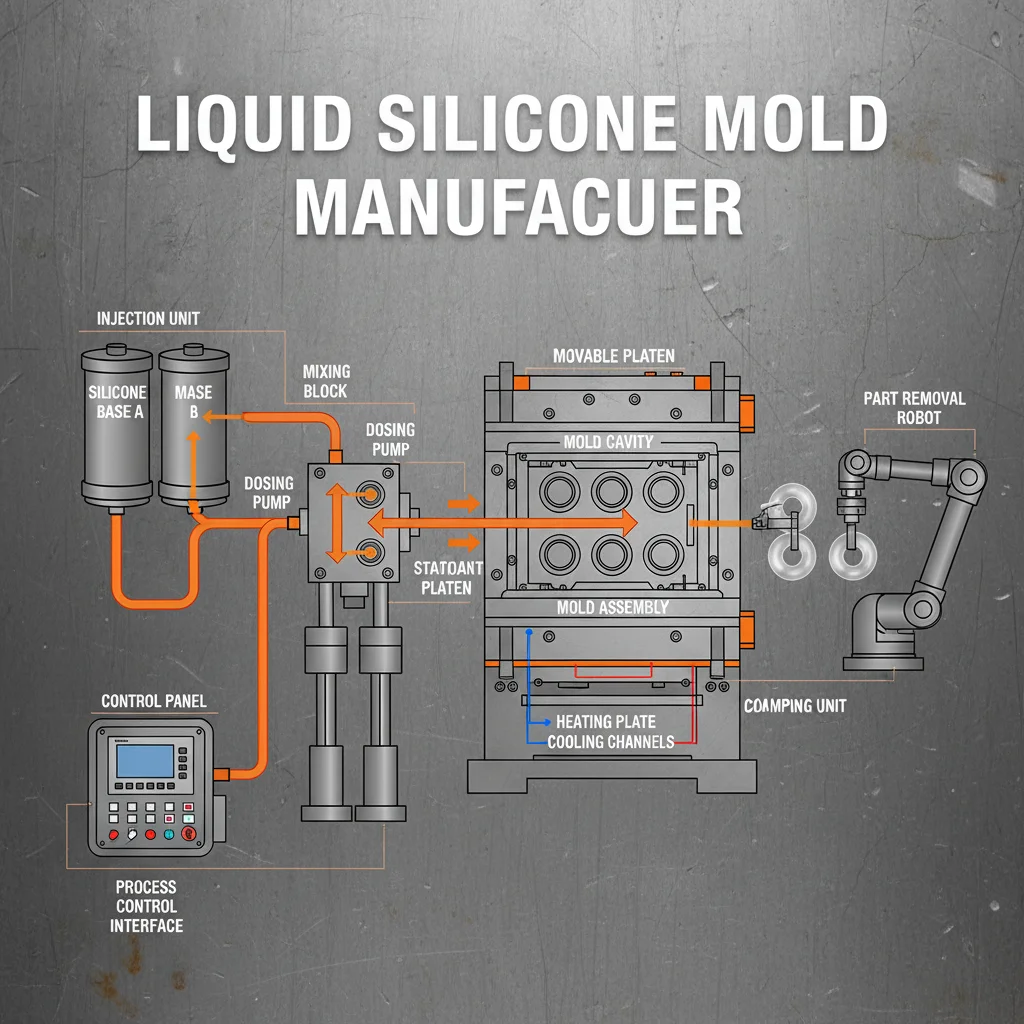
In simple terms, a Liquid silicone waterproof accessory mold is a high-precision engineered tool used to inject Liquid Silicone Rubber (LSR) into a specific cavity to create components that prevent the passage of liquids and gases. Unlike traditional compression molding, these molds are designed for injection processes, allowing for tighter tolerances and the ability to produce complex geometries that are essential for modern waterproof seals.
The connection to modern industry is profound. As we move toward an era of "invisible technology," where sensors and electronics are embedded into clothing, medical implants, or automotive dashboards, the need for seamless waterproofing becomes paramount. These molds allow for the creation of "overmolded" parts, where silicone is bonded directly to plastic or metal, eliminating the need for separate adhesives and reducing points of failure.
Beyond commercial gain, this technology addresses humanitarian needs. For instance, the production of waterproof housings for portable medical diagnostic tools used in remote, rain-heavy tropical regions depends entirely on the precision of the LSR mold. By ensuring that life-saving equipment remains operational regardless of the environment, these molds contribute directly to global health and safety.
Core Components of High-Precision LSR Molds
The durability of a Liquid silicone waterproof accessory mold begins with the selection of tool steel. High-grade stainless steel or hardened alloys are used to resist the corrosive nature of certain silicone additives and to withstand the repetitive thermal cycling of the injection process. This ensures that the mold does not warp over thousands of cycles, maintaining the integrity of the waterproof seal.
Scalability is achieved through multi-cavity design. A professional Liquid silicone waterproof accessory mold is often designed with multiple identical cavities, allowing a manufacturer to produce dozens of waterproof accessories in a single shot. This reduces the unit cost and increases throughput without sacrificing the precision required for a watertight fit.
Thermal management is the final core component. Because LSR is heat-cured, the mold must have integrated cooling and heating channels. Precise temperature control prevents "air traps" and "voids" within the silicone accessory, which would otherwise create leak paths. Efficient thermal distribution ensures a consistent cure rate, leading to a uniform product that meets strict waterproof certifications.
Performance Metrics for Waterproof Mold Design
When evaluating the effectiveness of a Liquid silicone waterproof accessory mold, engineers look at several key performance indicators. These include the "flash rate"—the amount of excess material that leaks from the mold parting line—and the "dimensional deviation." In the world of waterproofing, a deviation of even 0.05mm can be the difference between a product that is waterproof and one that fails under pressure.
Furthermore, the surface finish of the mold cavity determines the sealing surface of the final accessory. A mirrored polish reduces friction during assembly and ensures a more intimate contact between the silicone and the mating surface, significantly enhancing the hydrostatic pressure the accessory can withstand.
Performance Comparison of Liquid Silicone Waterproof Accessory Mold Methods
Global Applications and Sector Use Cases
The versatility of the Liquid silicone waterproof accessory mold is evident across various high-stakes industries. In the medical sector, these molds produce gaskets for dialysis machines and seals for surgical instruments, where sterility and fluid containment are non-negotiable. The biocompatibility of LSR, combined with the precision of the mold, ensures that these accessories do not leach chemicals into the patient's body while remaining completely leak-proof.
In the consumer electronics industry, particularly in East Asia and North America, these molds are used to create the seals for smartwatches and underwater camera housings. For instance, in extreme outdoor gear, LSR accessories molded from these high-precision tools allow devices to operate at depths of 50 meters or more. Even in the automotive sector, the transition to Electric Vehicles (EVs) has increased the need for waterproof battery module seals, which rely on the complex geometries only possible through advanced liquid silicone molding.
Long-Term Value and Sustainability Benefits
Investing in a high-quality Liquid silicone waterproof accessory mold provides tangible long-term financial value. While the initial tooling cost is higher than that of traditional rubber molding, the reduction in scrap rates and the elimination of secondary trimming processes lead to a lower total cost of ownership. Furthermore, the longevity of the mold allows for consistent quality over millions of units, reducing the risk of costly product recalls due to seal failure.
From a sustainability perspective, LSR is often more environmentally friendly than PVC or other petroleum-based elastomers. The efficiency of a well-designed Liquid silicone waterproof accessory mold minimizes material waste through optimized runner systems and cold-runner technology. This means fewer raw materials are consumed and less waste is sent to landfills.
Beyond the balance sheet, there is an emotional angle of trust. When a consumer buys a "waterproof" product, they are buying peace of mind. By utilizing superior molding technology, brands build a reputation for reliability and safety. Whether it's a heart monitor or a high-end smartphone, the invisible work of the LSR mold provides the dignity of a product that works exactly as promised, every single time.
Future Trends in Liquid Silicone Molding Technology
The future of the Liquid silicone waterproof accessory mold is being shaped by the digital transformation of manufacturing. Industry 4.0 is introducing "smart molds" equipped with embedded sensors that monitor pressure and temperature in real-time. This allows for autonomous adjustments during the injection cycle, virtually eliminating defects and ensuring that every waterproof accessory is identical.
Another emerging trend is the use of additive manufacturing (3D printing) to create conformal cooling channels within the mold. Traditional drilling creates straight lines, but 3D-printed mold inserts can have cooling paths that follow the exact contour of the waterproof accessory. This drastically reduces cycle times and prevents thermal stress, leading to even higher precision in the final seal.
Sustainability will continue to drive innovation, with a shift toward bio-based silicones and fully recyclable mold materials. The integration of automation and AI-driven design software will allow engineers to simulate fluid dynamics within the Liquid silicone waterproof accessory mold before it is even built, reducing the prototyping phase from weeks to hours.
Comparative Analysis of Mold Specifications for Waterproof Accessories
| Mold Grade |
Precision Tolerance |
Typical Lifespan (Cycles) |
Waterproof Reliability |
| Entry-Level Tooling |
± 0.15mm |
50,000 |
Moderate |
| Industrial Standard |
± 0.08mm |
200,000 |
High |
| Medical Grade |
± 0.03mm |
500,000 |
Ultra-High |
| Aerospace Grade |
± 0.01mm |
1,000,000+ |
Absolute |
| Rapid Prototype |
± 0.20mm |
5,000 |
Low/Testing |
| Custom Hybrid |
± 0.05mm |
300,000 |
Very High |
FAQS
LSR molds allow for injection molding rather than compression, which means significantly tighter tolerances and the ability to create complex, thin-walled structures. For waterproof accessories, this results in a more consistent seal and virtually eliminates the "flash" that often causes leaks in traditional rubber parts.
The surface finish of a Liquid silicone waterproof accessory mold determines the microscopic smoothness of the seal. A high-polish finish ensures there are no ridges or gaps when the silicone is compressed against a surface, which is critical for achieving IP68 ratings where the product must withstand prolonged submersion.
Generally, yes, provided the different silicone materials have similar shrinkage rates. However, since different shore hardnesses can affect how the material flows into the mold, the injection parameters (pressure and temperature) must be adjusted. A well-engineered mold is designed to accommodate a range of LSR grades.
Maintenance depends on the production volume, but typically, molds should be inspected every 50,000 to 100,000 cycles. Cleaning residue and checking for wear on the parting lines is essential to ensure that the waterproof integrity of the produced accessories remains constant over the life of the tool.
Yes, through a process called overmolding. A Liquid silicone waterproof accessory mold can be designed as a two-shot or multi-shot system where a hard plastic component is placed in the mold first, and then the liquid silicone is injected around it, creating a permanent, chemical bond that is naturally waterproof.
The most common causes are air traps (voids) and flashing. Both are usually a result of poor mold design or incorrect injection settings. Voids create internal leak paths, while flashing prevents the accessory from seating properly against the casing, both of which compromise the waterproof seal.
Conclusion
The Liquid silicone waterproof accessory mold is far more than just a piece of industrial hardware; it is the foundation of product reliability in an increasingly fluid and demanding world. From the critical seals in medical devices to the rugged protection of consumer electronics, the precision of the LSR molding process ensures that technology remains functional in the face of environmental challenges. By focusing on material durability, thermal management, and micron-level precision, manufacturers can deliver products that offer genuine safety and long-term value.
Looking forward, the integration of AI and smart-sensing technology will continue to push the boundaries of what is possible in silicone molding. As sustainability becomes a core driver of industrial growth, the efficiency of these molds will play a pivotal role in reducing waste and enhancing the lifespan of end-user products. For companies seeking to lead in their respective markets, investing in high-precision molding technology is the most reliable path to innovation and consumer trust. Visit our website for expert solutions: www.ytlsrmold.com