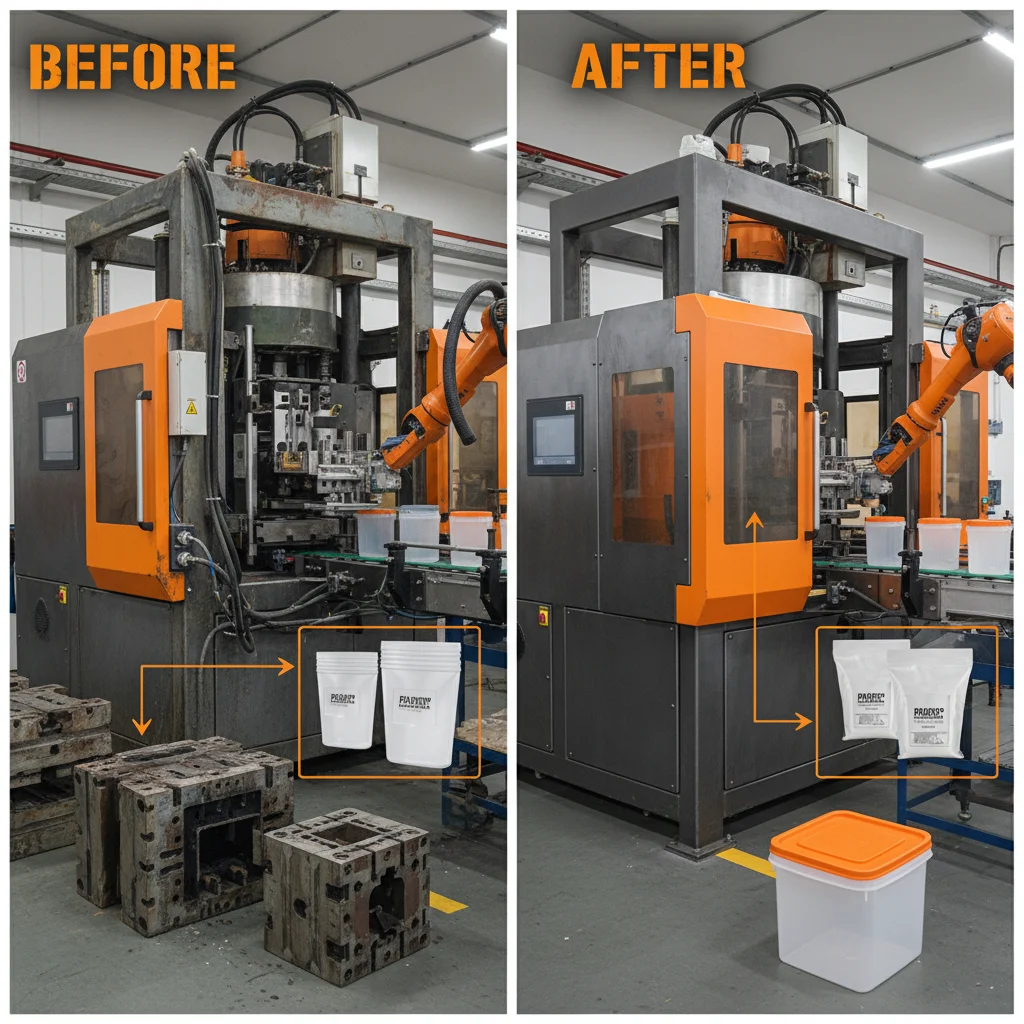
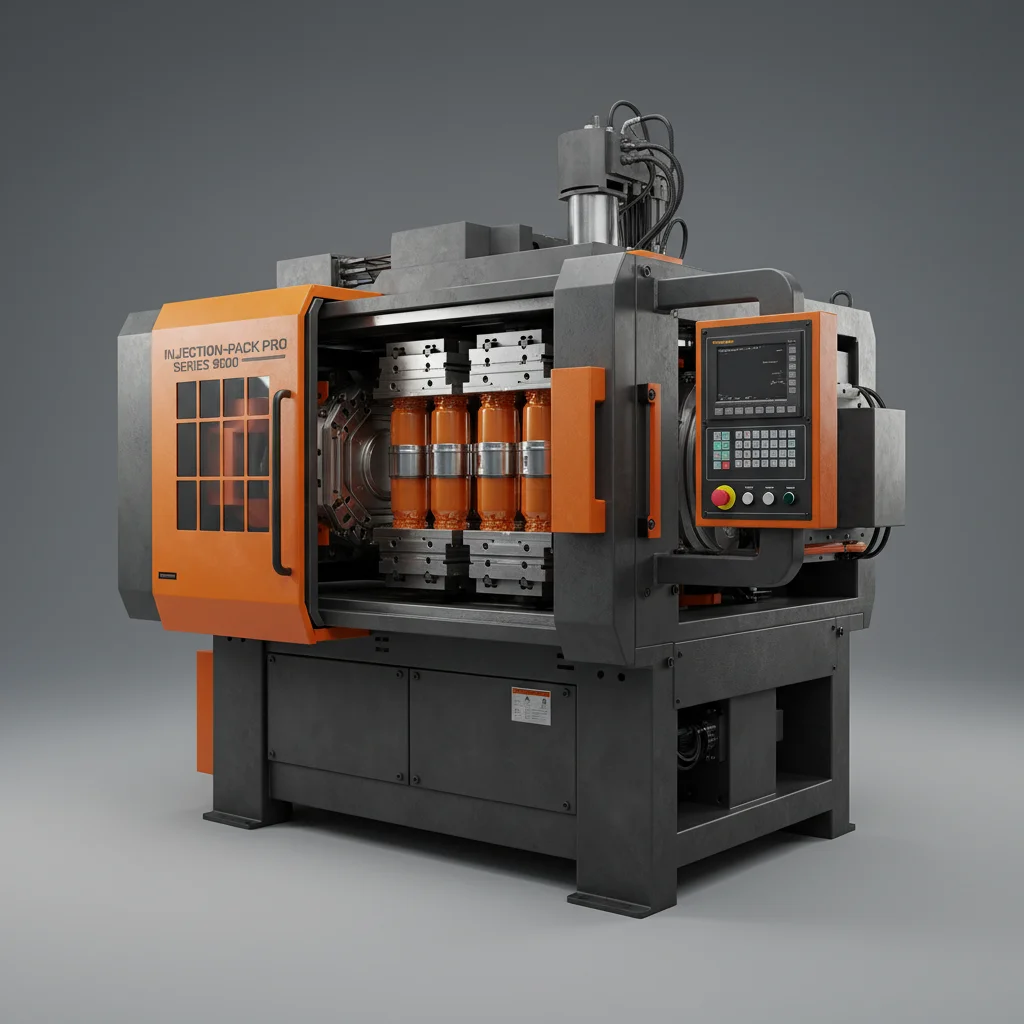
In the modern landscape of high-performance manufacturing, the demand for components that combine aesthetic versatility with extreme functional durability has led to the rise of advanced multi-material integration. Two tone plastic design is not merely about visual contrast; it represents a sophisticated engineering approach where different polymer properties are fused to meet rigorous industrial standards, particularly in the automotive and medical sectors.
The integration of these materials allows for the creation of parts that can offer a hard, structural core alongside a soft, tactile, or sealing outer layer. This synergy is essential for components like the New Energy Vehicle (NEV) Connector (model YT-021314), where the intersection of liquid silicone rubber (LSR) and rigid plastics ensures both electrical insulation and environmental protection.
Understanding the technical nuances of Two tone plastic processing is critical for engineers looking to optimize the lifespan and reliability of their hardware encapsulation. By leveraging injection molding and LSR overmolding, manufacturers can achieve seamless bonds that eliminate the need for secondary adhesives, thereby reducing assembly costs and potential points of failure.

Global Relevance of Two tone plastic in NEV Industry
The global shift toward sustainable transport has placed unprecedented pressure on the production of New Energy Vehicle (NEV) components. As outlined by ISO standards for automotive electrical systems, the need for connectors that provide absolute sealing against moisture and dust while maintaining structural rigidity has made Two tone plastic methodologies indispensable.
The primary challenge in NEV connector design is the thermal expansion mismatch between metal terminals and plastic housings. By employing a dual-material approach—combining rigid plastics like PP, PE, or ABS with flexible LSR silicone—manufacturers can create a buffer zone that absorbs mechanical stress and prevents leakage, ensuring the safety of high-voltage systems.
Defining the Engineering of Two tone plastic
In technical terms, Two tone plastic refers to the process of integrating two different colors or, more importantly, two different materials within a single molded part. In the context of the YT-021314 connector, this typically involves the overmolding of liquid silicone rubber (LSR) onto a plastic or metal substrate. This creates a component that possesses the hardness of plastic and the elasticity of silicone.
This approach is deeply connected to modern industrial needs for "intelligent" materials. Rather than using a single material that attempts to be a "jack of all trades," engineers specify a rigid plastic for the frame and a high-grade LSR for the seal. This division of labor ensures that each part of the connector performs its specific role—be it mechanical support or environmental sealing—to the highest possible standard.
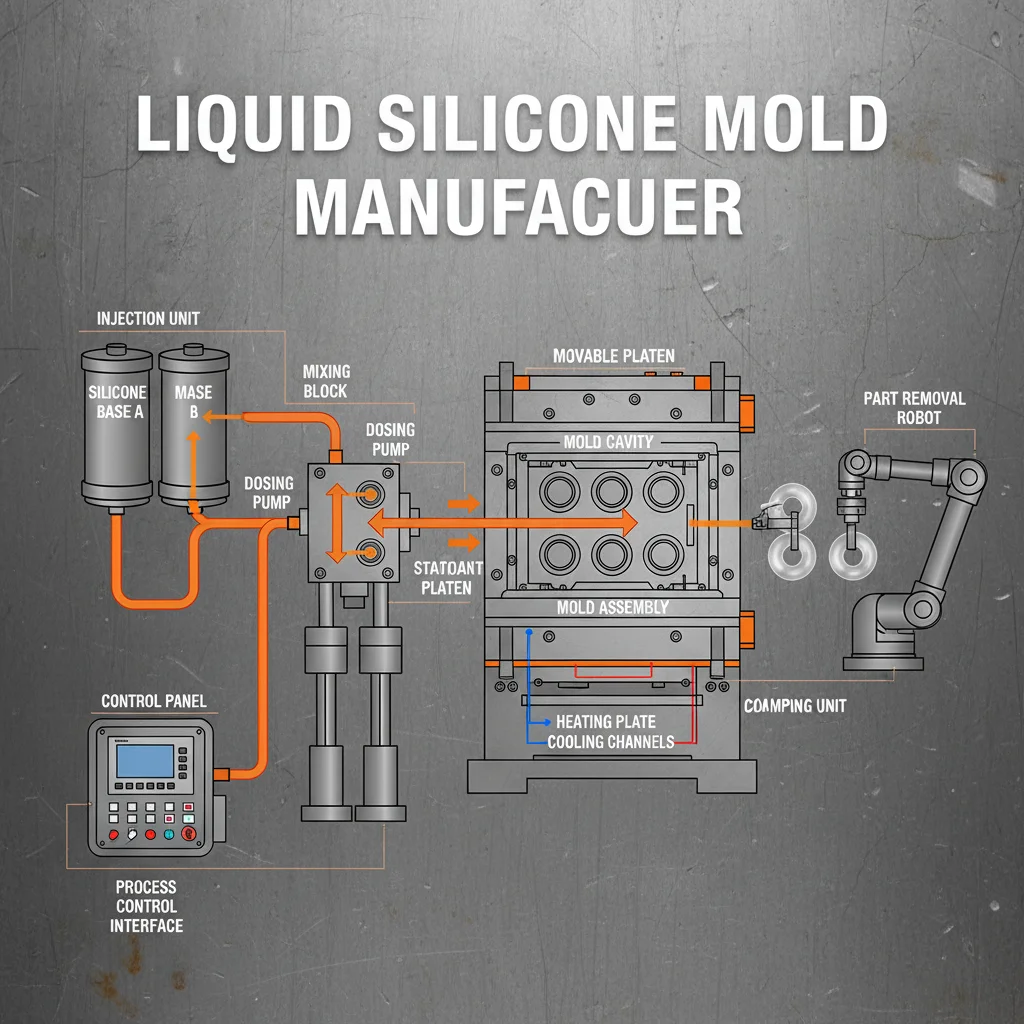
From a manufacturing perspective, this requires precise control over the injection molding process. Whether utilizing liquid silicone injection molding or traditional rubber molding, the goal is to create a chemical or mechanical bond that prevents delamination under extreme temperatures, a common requirement in the harsh environments where EV connectors are deployed.
Core Components for High-Performance Encapsulation
The success of a Two tone plastic component depends heavily on the selection of compatible materials. For NEV connectors, the core usually consists of metal hardware for conductivity, which is then encapsulated in a rigid plastic such as ABS or PP to provide shape and protection.
The secondary layer often employs LSR (Liquid Silicone Rubber), which provides the "soft" tone of the Two tone plastic assembly. LSR is chosen for its exceptional thermal stability and biocompatibility, making it ideal for encapsulation that must withstand the vibration and temperature fluctuations of a vehicle's engine bay or battery pack.
Finally, the precision of the 2D and 3D drawings is the blueprint for success. Customization of length, width, height, and diameter allows these components to fit perfectly into tight automotive architectures, ensuring that the multi-material bond is placed exactly where the mechanical stress is highest.
Technical Factors and Material Synergies
When evaluating the efficiency of Two tone plastic production, the synergy between LSR silicone and engineering plastics is paramount. The bonding process must be calibrated to ensure that the flexible silicone does not peel away from the rigid plastic housing during the connector's operational life, which can span over a decade in automotive applications.
The use of injection molding for the plastic base followed by liquid silicone injection molding for the seal creates a seamless transition. This eliminates the gaps where contaminants could enter, providing a level of reliability that single-material components cannot match.
Performance Metrics of Two tone plastic Materials
Real-World Applications in Hardware Encapsulation
In the realm of New Energy Vehicles, the application of Two tone plastic is most evident in power distribution units and battery management system (BMS) connectors. These parts must be lightweight yet robust, requiring a combination of plastic housings for weight reduction and silicone encapsulation for vibration dampening.
Beyond the automotive sector, this technology is utilized in medical-grade equipment where the "two-tone" nature allows for a hard structural shell combined with a soft-touch, sterilizable silicone interface. This ensures that the devices are both durable for industrial use and safe for patient interaction.
Long-Term Value and Reliability Benefits
The long-term value of investing in high-quality Two tone plastic components lies in the drastic reduction of maintenance costs. By utilizing LSR overmolding, the resulting connectors are virtually impervious to the degradation caused by oil, coolant, and ozone, which typically plague traditional rubber components.
From a logical perspective, the integration of materials reduces the Bill of Materials (BOM) and streamlines the assembly line. Instead of sourcing a plastic shell and a separate rubber gasket, a single overmolded part is delivered, ensuring perfect alignment and a consistent seal every time.
Emotionally, this translates to trust and safety for the end-user. In an electric vehicle, the reliability of the connector is a matter of safety; knowing that the encapsulation is engineered to be leak-proof and heat-resistant provides peace of mind to both the manufacturer and the driver.
Future Innovations in Multi-Material Molding
Looking forward, the evolution of Two tone plastic is moving toward "smart encapsulation." We are seeing the integration of conductive plastics and sensing materials into the overmolding process, allowing connectors to report their own seal integrity or temperature status in real-time.
Sustainability is also driving innovation. The industry is shifting toward bio-based plastics and recyclable LSR variants, ensuring that the high-performance benefits of multi-material molding do not come at an environmental cost. This aligns with global green energy policies and the circular economy.
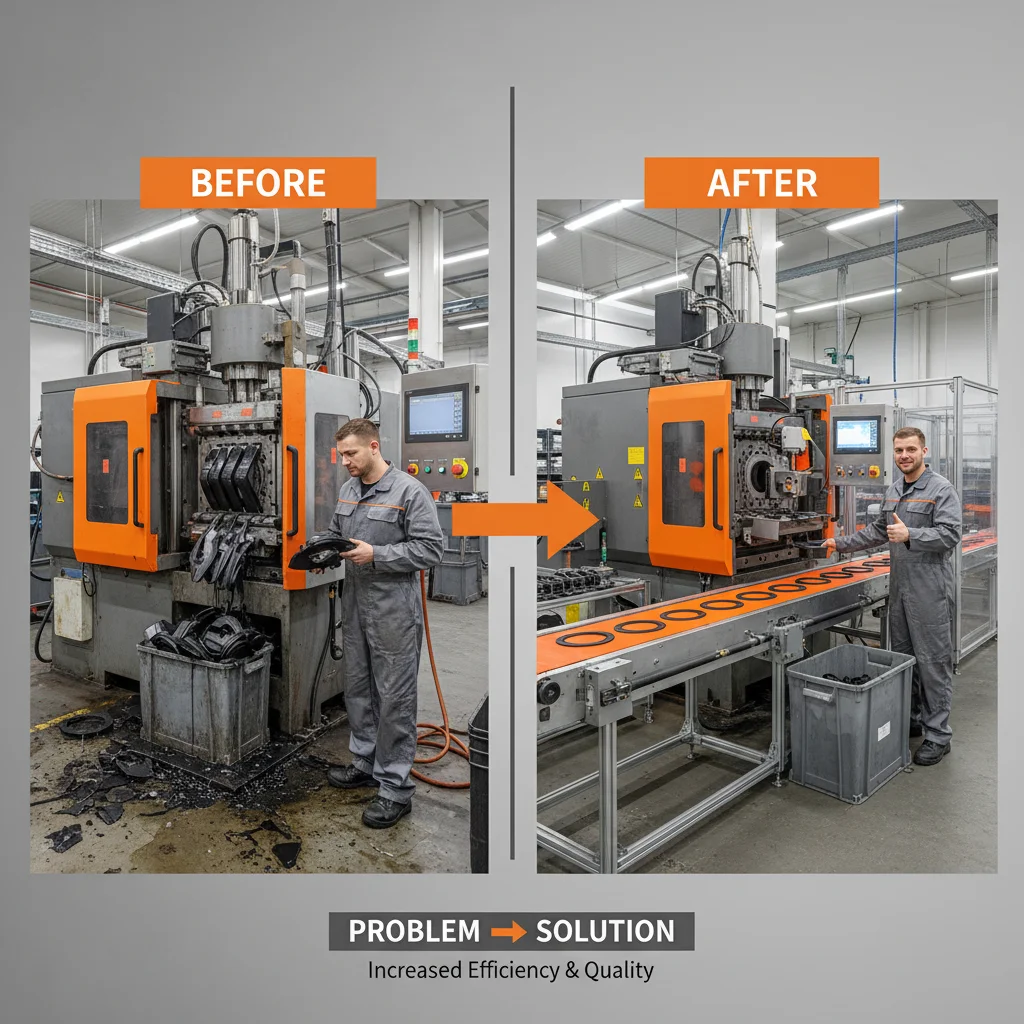
Automation in the molding process, particularly the use of AI-driven pressure and temperature controls, is further reducing defect rates. This ensures that every YT-021314 connector produced is an exact replica of the 3D drawing, regardless of the complexity of the geometry.
Comparison of Encapsulation Methods for Two tone plastic Components
| Encapsulation Type |
Material Bond Strength |
Environmental Resistance |
Production Efficiency |
| Liquid Silicone (LSR) |
Very High |
Excellent |
High |
| Standard Injection Molding |
Moderate |
Good |
Very High |
| Hardware Encapsulation |
High (Mechanical) |
Excellent |
Moderate |
| Rubber Molding |
Moderate |
Moderate |
Low |
| Multi-Shot Plastic |
High |
Good |
High |
| Composite Overmolding |
Very High |
Excellent |
Moderate |
FAQS
The main advantage is the ability to combine two disparate material properties—such as the structural rigidity of ABS and the sealing capabilities of LSR silicone—into a single, cohesive part. This ensures that the connector is both mechanically strong and completely sealed against water and dust, which is critical for the safety of high-voltage automotive systems.
Yes, absolutely. For components like the YT-021314, the length, width, height, and diameter are fully customizable. We work directly from your 2D and 3D drawings to ensure that the final overmolded product fits perfectly within your hardware assembly, maintaining precise tolerances across both materials.
Common combinations include LSR (Liquid Silicone Rubber) for the flexible/sealing tone and engineering plastics such as PP, PE, or ABS for the rigid tone. In many cases, these are overmolded onto metal hardware to create a fully encapsulated, protected electrical connector.
The bond is achieved through a combination of precise thermal control during the injection molding process and the selection of chemically compatible materials. In some cases, mechanical interlocks are designed into the 3D drawings to ensure the materials remain fused even under extreme mechanical stress.
While the initial tooling for multi-material molding is more complex, it is significantly more cost-effective in the long run. It reduces the number of parts in your assembly, eliminates the need for adhesives or fasteners, and drastically lowers the rate of leak-related failures in the field.
Colors are fully customizable to meet your branding or industrial coding requirements. Standard options include black, white, and gray, but we can match specific Pantone colors for both the rigid plastic and the silicone components of the Two tone plastic assembly.
Conclusion
The adoption of Two tone plastic technology, particularly through the integration of LSR and rigid polymers, has revolutionized the way we approach hardware encapsulation for New Energy Vehicles. By focusing on material synergy, precision molding, and customized engineering, manufacturers can produce connectors like the YT-021314 that offer unparalleled reliability, safety, and longevity in the most demanding environments.
As we move toward a future of smarter, greener transportation, the ability to fuse high-performance materials will only become more critical. We recommend that engineers prioritize multi-material overmolding to reduce assembly complexity and enhance product durability. To explore how our custom molding solutions can elevate your next project, visit our website: www.ytplasticmold.com.