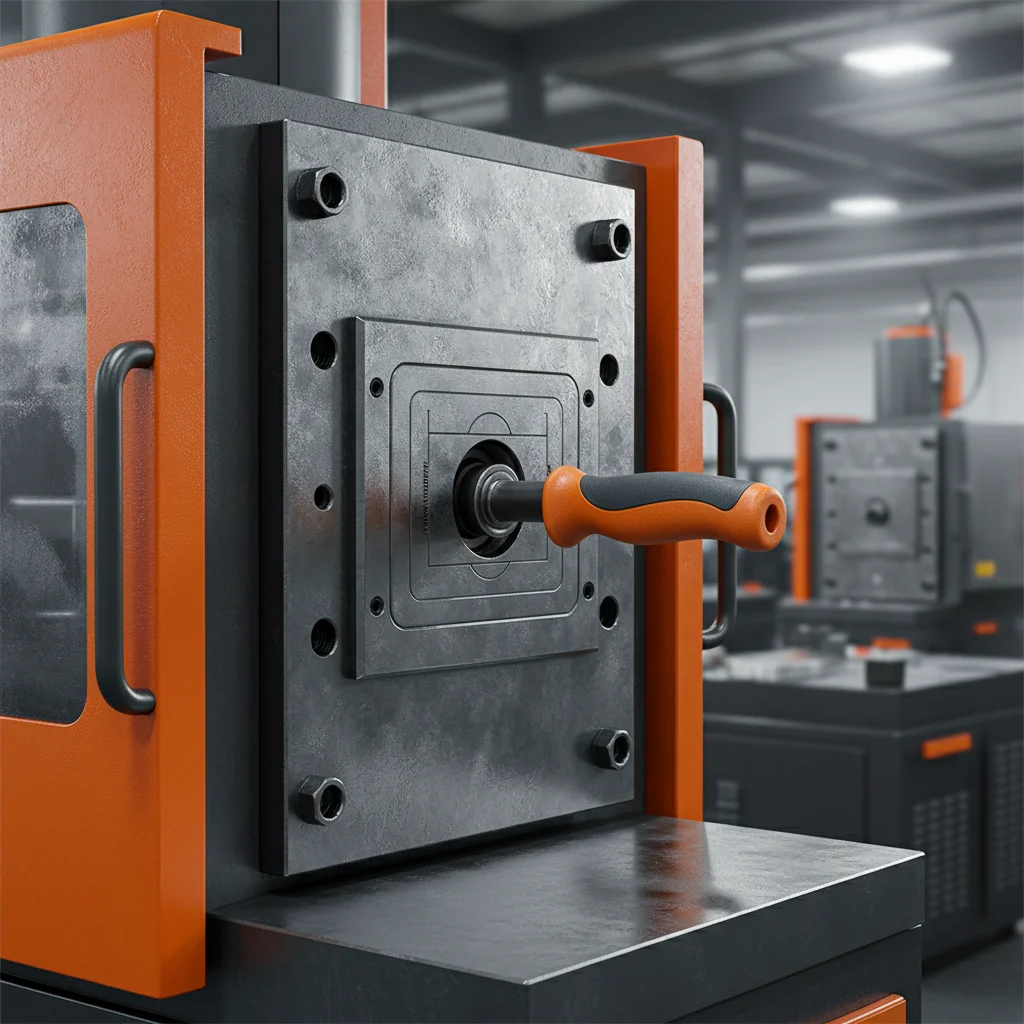
Professional Liquid silicone mold manufacturer for LSR Products

Professional Liquid silicone mold manufacturer for LSR Products

Professional Liquid silicone mold manufacturer for LSR Products
Apr 27, 2026
share:

Finding a reliable Liquid silicone mold manufacturer is a critical decision for companies operating in the medical, automotive, and consumer electronics sectors. The precision of a liquid silicone rubber (LSR) mold directly determines the quality, biocompatibility, and durability of the final product, making the choice of a manufacturing partner a strategic cornerstone for product success.

In an era where miniaturization and high-performance materials are paramount, the role of a specialized liquid silicone mold manufacturer has expanded. From creating complex LSR overmolding accessories to intricate medical-grade valves, these manufacturers blend advanced metallurgy with chemical expertise to ensure that every micron of the mold aligns with strict industry tolerances.

Ultimately, understanding the technical nuances of LSR molding allows brands to reduce waste, shorten production cycles, and enhance the user experience of their finished products. By partnering with a veteran liquid silicone mold manufacturer, businesses can transition from a conceptual design to a high-volume, exquisite finished product with confidence and efficiency.
Liquid silicone mold manufacturer

Global Industry Context of LSR Molding
Liquid silicone mold manufacturer

The global demand for liquid silicone rubber is surging, driven by a shift toward biocompatible and thermally stable materials. According to international industrial standards and market growth trends, the precision provided by a professional Liquid silicone mold manufacturer is essential for meeting ISO 13485 medical device requirements and stringent automotive safety protocols.

However, the industry faces a significant challenge: the gap between rapid prototype design and scalable mass production. Many companies struggle with "flash" (excess material) and air entrapment, which can compromise the integrity of medical-grade silicone products. This is where the expertise of a high-end mold maker becomes the deciding factor in product viability.

Defining the Role of a Liquid Silicone Mold Manufacturer

At its core, a Liquid silicone mold manufacturer is more than just a tool-and-die shop; they are material scientists and precision engineers. Their primary role is to design and fabricate highly specialized steel molds capable of handling the low-viscosity nature of LSR, which requires airtight seals and precise venting to prevent defects.

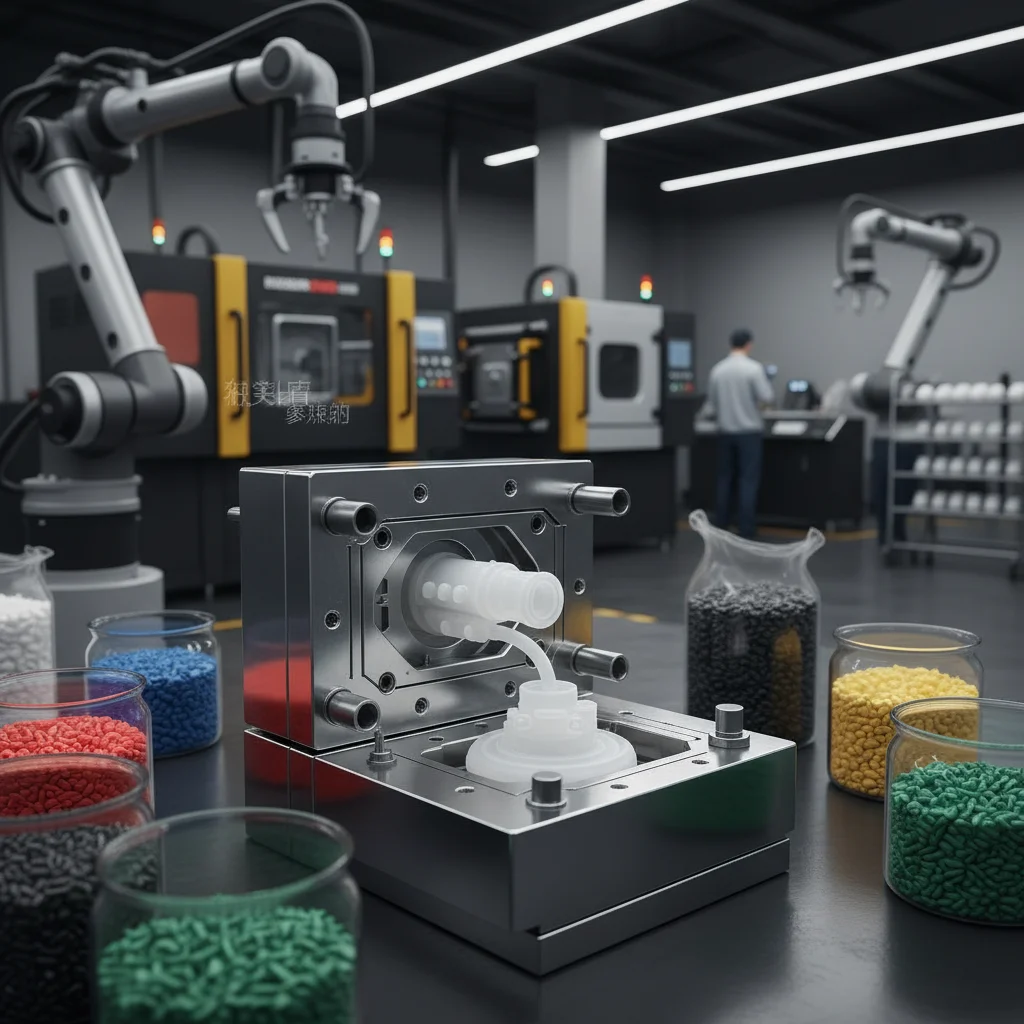
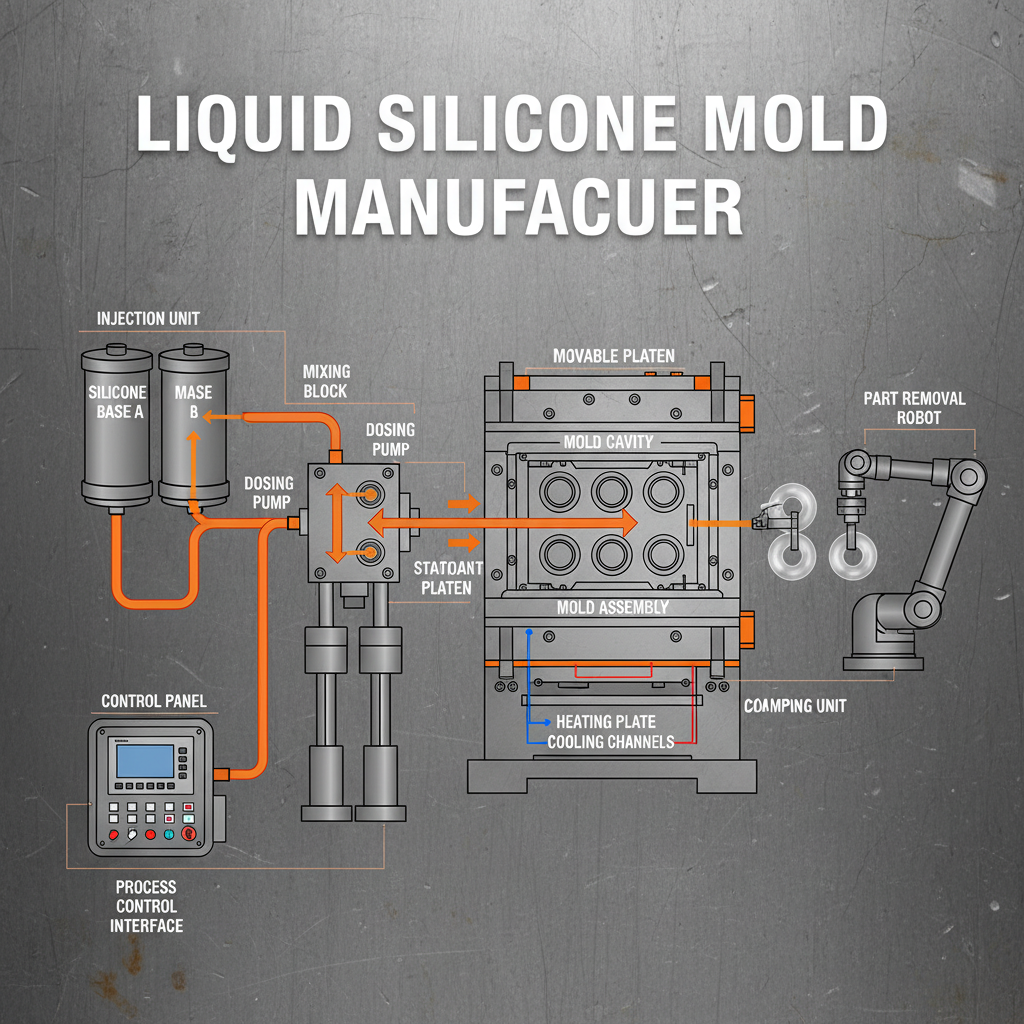
Unlike traditional rubber molding, liquid silicone injection molding (LIM) involves a two-component system that cures rapidly under heat. The manufacturer must ensure that the mold geometry allows for uniform heat distribution and seamless ejection of the cured silicone, often integrating complex sliders and cores to create hollow or multi-layered parts.

This expertise is inextricably linked to modern humanitarian and industrial needs. For instance, in the production of infant care products or breathable medical masks, the manufacturer ensures that the molds are polished to a mirror finish, eliminating any surface irregularities that could harbor bacteria or cause skin irritation.

Core Technical Components for High-Precision Molds

Durability is the first pillar of a quality Liquid silicone mold manufacturer's output. Using high-grade tool steels like H13 or stainless steel ensures that the mold can withstand thousands of thermal cycles without warping, which is critical for maintaining the consistency of LSR Silicone Products.

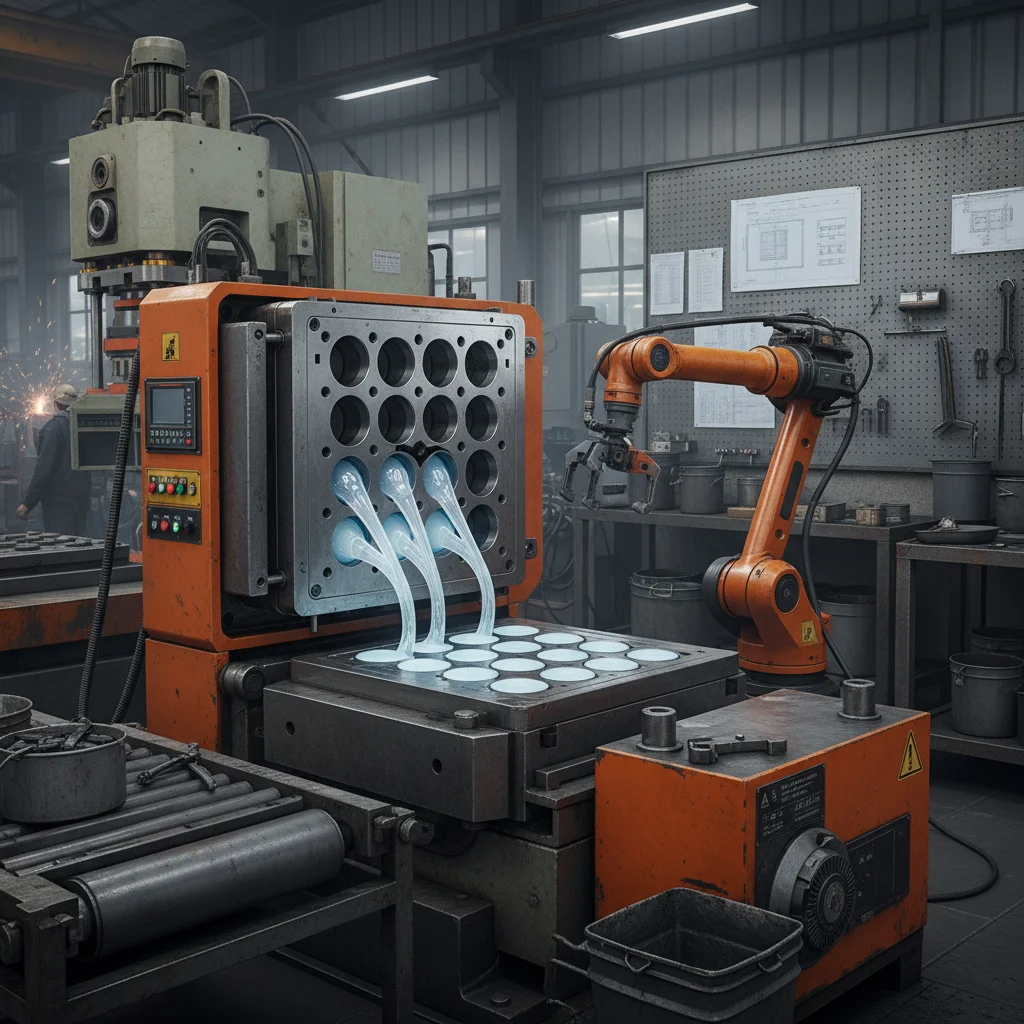
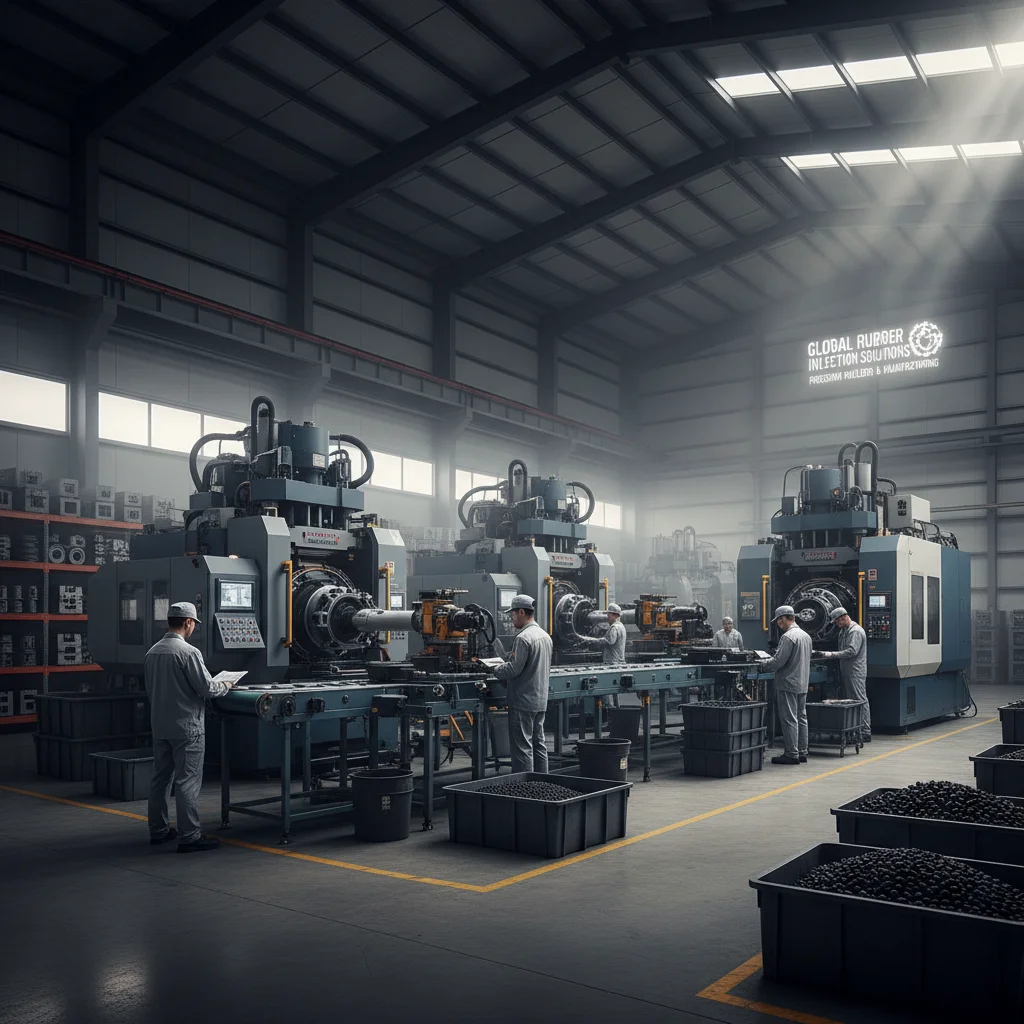
Scalability and efficiency are achieved through multi-cavity designs. A skilled Liquid silicone mold manufacturer optimizes the runner system to ensure that each cavity is filled simultaneously and evenly, reducing cycle times and minimizing material waste in high-volume injection molding products.

Finally, precision venting and sealing are the "invisible" components that define quality. By implementing vacuum-assisted venting, a liquid silicone mold manufacturer prevents air bubbles from forming within the part, which is non-negotiable for high-pressure LSR Overmolding Accessories and medical-grade components.

Global Applications and Industrial Use Cases

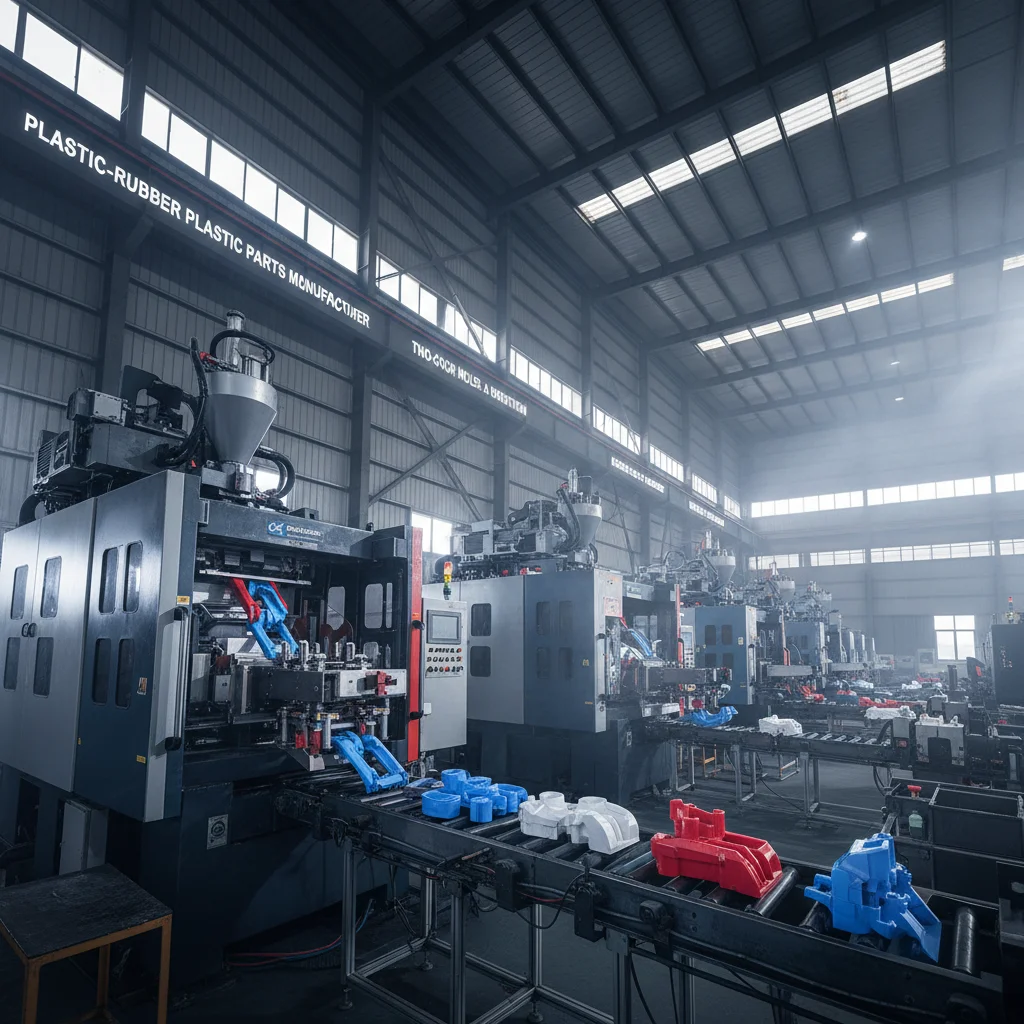
The versatility of a Liquid silicone mold manufacturer is evident across diverse global sectors. In the healthcare industry, LSR molds are used to create respiratory valves and catheters that must be hypoallergenic and sterile. In the automotive world, they produce high-temperature gaskets and seals that maintain integrity under extreme engine heat.

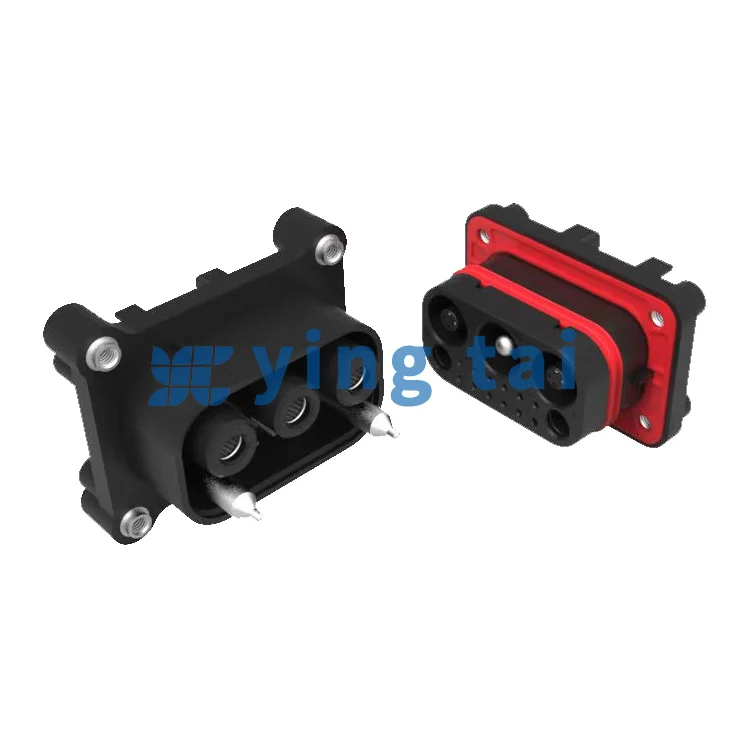
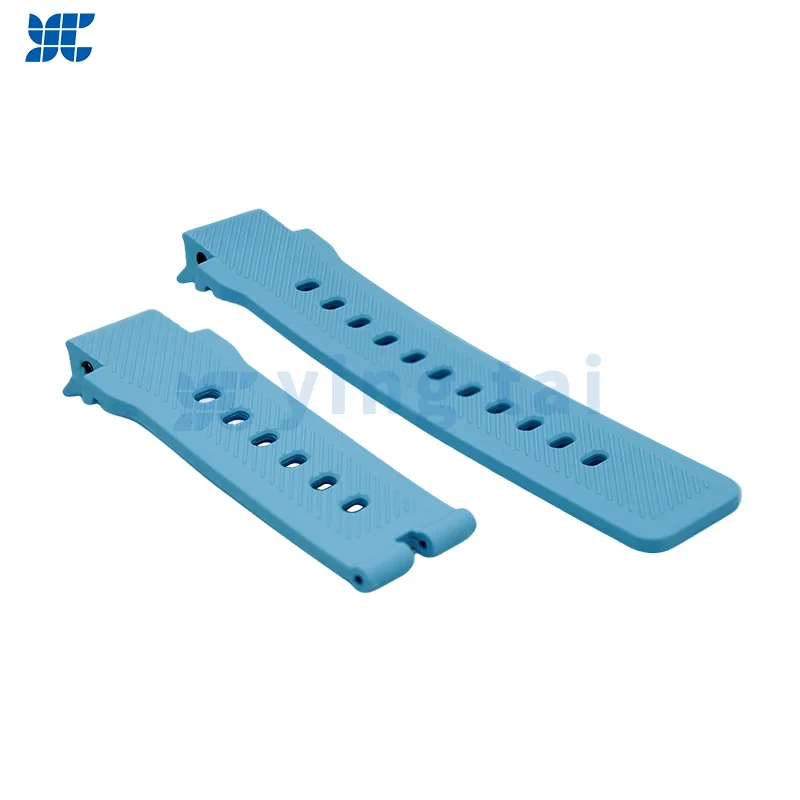
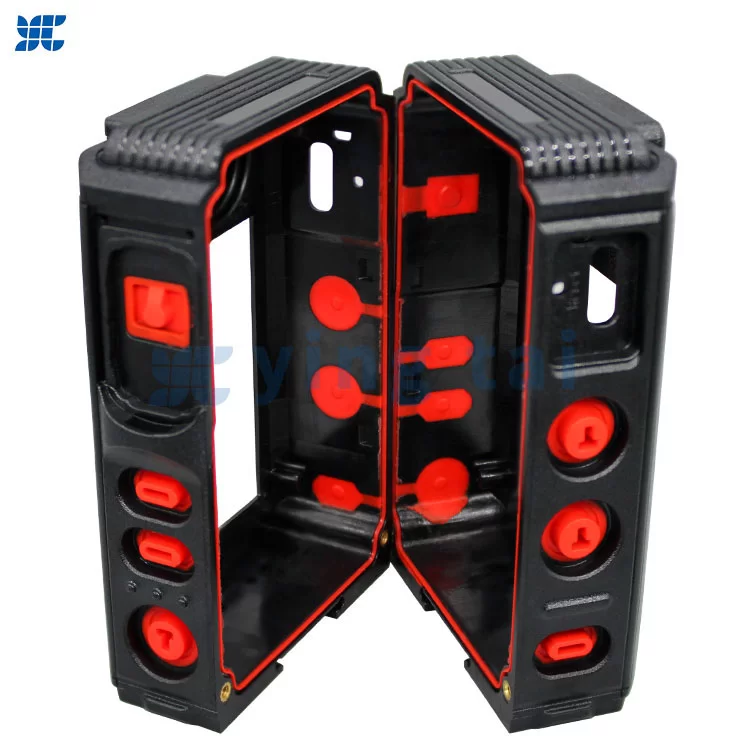
From the high-tech hubs of Shenzhen to the medical manufacturing centers of Germany, these solutions are indispensable. For example, in the creation of "Exquisite Finished Products" for the wearable tech market, LSR overmolding is used to seal electronics against water and dust while providing a soft, ergonomic touch for the wearer.

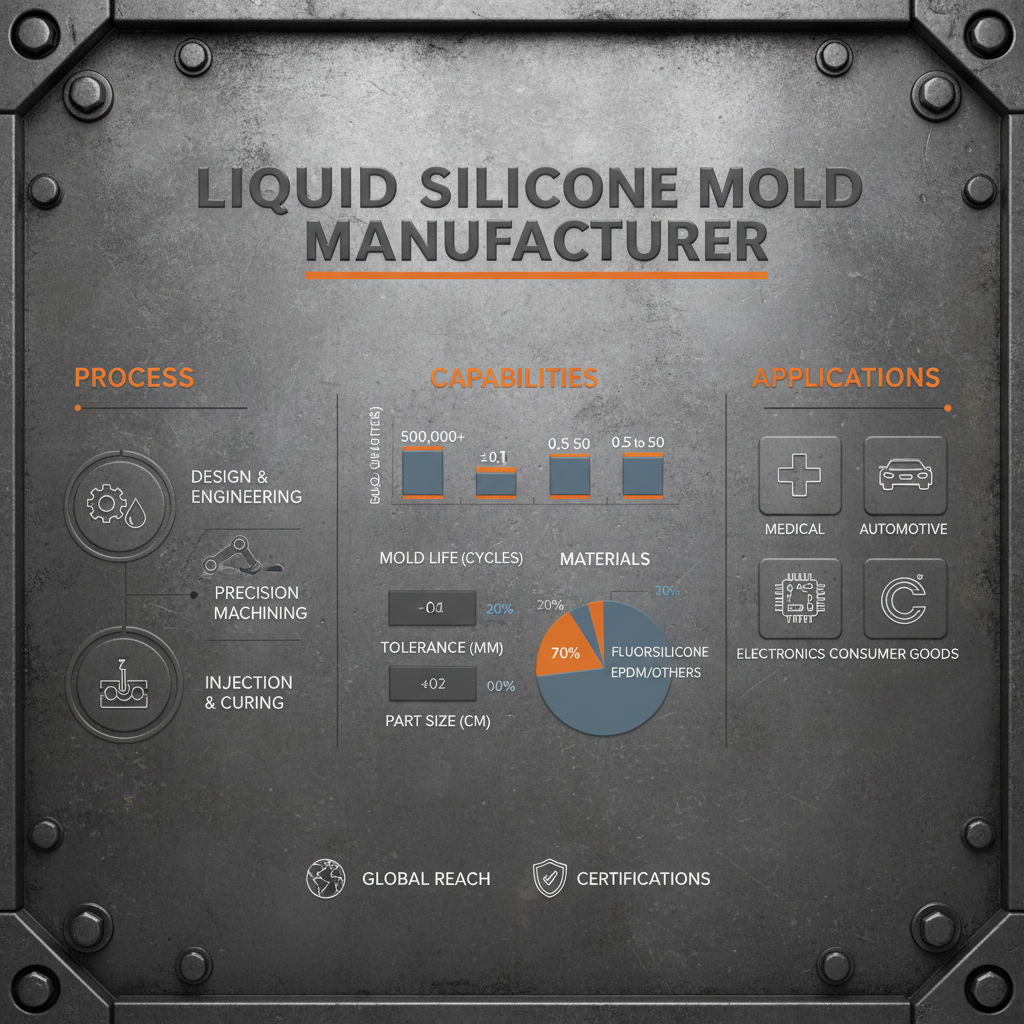
Performance Metrics by Liquid silicone mold manufacturer Specialization

Tangible Advantages and Long-Term Value

Partnering with a top-tier Liquid silicone mold manufacturer offers profound cost-efficiency over the long term. While the initial investment in a high-precision LSR mold is higher than traditional methods, the drastic reduction in scrap rates and the elimination of secondary finishing processes lead to a lower total cost of ownership.

Beyond the numbers, there is the emotional value of trust and safety. For a medical device company, knowing that their Liquid silicone mold manufacturer adheres to strict cleanliness and material traceability standards provides the peace of mind necessary to ensure patient safety and regulatory compliance.

Future Trends in Silicone Mold Innovation

The future of the Liquid silicone mold manufacturer landscape is being reshaped by digital transformation. We are seeing a surge in "Smart Molds" integrated with IoT sensors that monitor temperature and pressure in real-time, allowing for autonomous adjustments that eliminate defects before they occur.

Sustainability is also taking center stage. New advancements in bio-based liquid silicones are requiring manufacturers to adapt their mold coatings and curing temperatures to maintain the same physical properties while reducing the carbon footprint of the production process.

Furthermore, the integration of 3D-printed mold inserts (additive manufacturing) is allowing for conformal cooling channels. This innovation enables a Liquid silicone mold manufacturer to reduce cooling times by up to 30%, significantly increasing the throughput of injection molding products.

Challenges and Expert Solutions in LSR Production

One of the most persistent challenges for any Liquid silicone mold manufacturer is managing the "flash" caused by the extremely low viscosity of LSR. Because the material flows so easily, even a microscopic gap in the mold parting line can lead to excess material that requires manual trimming, increasing labor costs.

To overcome this, expert manufacturers employ ultra-precision CNC grinding and vacuum-clamping systems. By ensuring the parting surfaces are perfectly flat and the clamping force is distributed evenly, the need for post-production trimming is virtually eliminated, enhancing the "Exquisite Products" quality.

Another common issue is the risk of "air traps" in complex geometries. The solution lies in sophisticated flow simulation software. A modern Liquid silicone mold manufacturer uses Moldflow analysis to predict where air will gather and strategically places vents or adjusts the gate position to ensure a void-free part every time.

Comparative Analysis of LSR Molding Technical Approaches

Molding Method Precision Level (1-10) Cycle Time Efficiency Typical Application
Cold Runner LSR 9 Very High Medical Valves
Hot Runner LSR 8 High Automotive Seals
Overmolding (Hybrid) 10 Medium Smart Wearables
Compression Molding 6 Low Large Industrial Pads
Vacuum Injection 9 High Optical Silicone
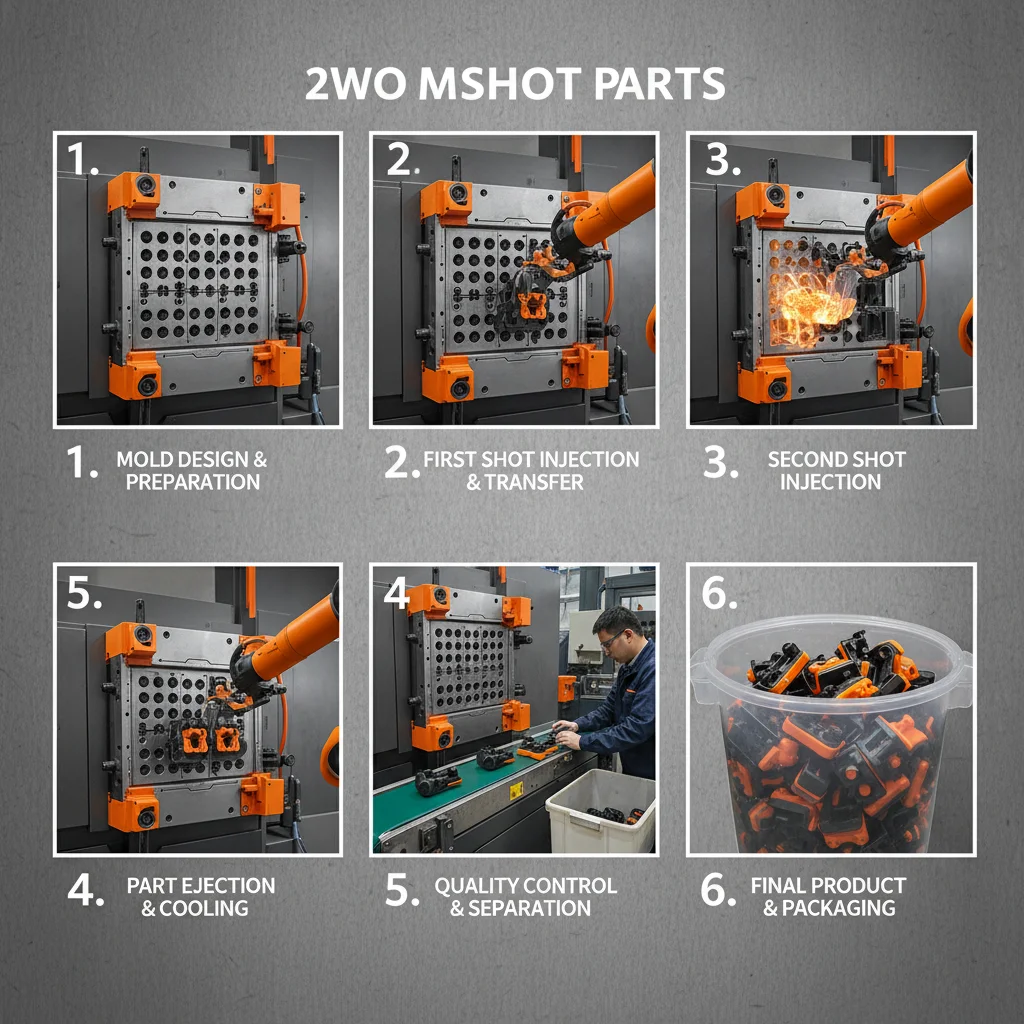
Multi-Shot Molding 10 Medium Complex Medical Kits

FAQS

How do I choose the right liquid silicone mold manufacturer for medical projects?

Look for a manufacturer that is ISO 13485 certified and has a clean-room environment. A qualified Liquid silicone mold manufacturer for medical use should provide material traceability certificates and demonstrate experience in creating biocompatible LSR Silicone Products with zero-defect tolerances.

What is the typical lead time for a custom LSR mold?

Lead times typically vary from 4 to 8 weeks depending on the complexity. A professional Liquid silicone mold manufacturer will spend the first two weeks on DFM (Design for Manufacturing) to ensure the mold is optimized for flow and ejection before cutting steel.

Can a liquid silicone mold manufacturer help with material selection?

Yes, a seasoned manufacturer will guide you on Shore A hardness, tensile strength, and thermal requirements. They can help you decide between standard LSR and specialty grades for LSR Overmolding Accessories to ensure the bond between silicone and plastic is secure.

What causes "flash" in LSR molding and how is it fixed?

Flash is caused by gaps in the mold parting line or insufficient clamping pressure. A high-end Liquid silicone mold manufacturer solves this by using high-precision CNC milling and ensuring the mold plates are perfectly parallel to within microns.

Is LSR molding more expensive than traditional silicone molding?

The initial tooling cost is higher due to the precision required for injection. However, because it is automated and has faster cycle times, a Liquid silicone mold manufacturer can provide a much lower per-unit cost for high-volume production.

How do I ensure my LSR overmolding mold will last?

Ensure your Liquid silicone mold manufacturer uses premium tool steels and applies appropriate surface coatings. Regular maintenance and cleaning of the mold surfaces are essential to prevent buildup and maintain the mirror finish required for exquisite products.

Conclusion

Selecting the right Liquid silicone mold manufacturer is the bridge between a visionary design and a commercially viable product. From the technical rigor of vacuum venting and precision steel selection to the strategic implementation of LSR overmolding, every detail impacts the final product's performance, safety, and cost. By focusing on durability, scalability, and industry-specific certifications, businesses can ensure their silicone components meet the highest global standards.

As we look toward a future of smart manufacturing and sustainable materials, the partnership between designers and mold makers will only become more integrated. We recommend investing in DFM early in the process to maximize the efficiency of your tooling. To experience the pinnacle of precision in liquid silicone rubber molding, visit our website: www.ytlsrmold.com