The modern manufacturing landscape is witnessing a significant shift toward multi-material integration, where the demand for high-precision components like Two tone plastic accessories has grown exponentially. These specialized parts combine aesthetic appeal with functional versatility, allowing engineers to merge the rigidity of plastics with the flexibility of elastomers in a single production cycle.
Across global industries—from medical devices to high-end consumer electronics—the ability to produce seamless, multi-colored, or multi-textured components is no longer a luxury but a necessity for ergonomic design. The evolution of overmolding and two-shot molding technologies has enabled the creation of parts that are more durable, water-resistant, and user-friendly than traditional single-material assemblies.
Understanding the technical nuances of Two tone plastic accessories is essential for companies aiming to reduce assembly costs while improving product longevity. By leveraging advanced materials like liquid silicone rubber (LSR) and thermoplastic elastomers (TPE), manufacturers can achieve a level of precision that meets rigorous ISO standards and enhances the overall end-user experience.

Global Industrial Context of Two tone plastic accessories
The global demand for Two tone plastic accessories is driven by the convergence of medical technology and industrial automation. As outlined by various international manufacturing standards, the transition toward hybrid materials allows for the creation of components that can withstand extreme environments while remaining soft to the touch, which is critical for medical-grade interfaces and high-precision protective gear.
In recent years, the industry has faced the challenge of reducing waste while increasing complexity. The adoption of two-tone molding addresses this by eliminating the need for secondary adhesive bonding, thereby reducing the risk of chemical contamination and mechanical failure at the joints. This systemic improvement ensures that components maintain their integrity under high stress and varying thermal conditions.
Defining Two tone plastic accessories and Materiality
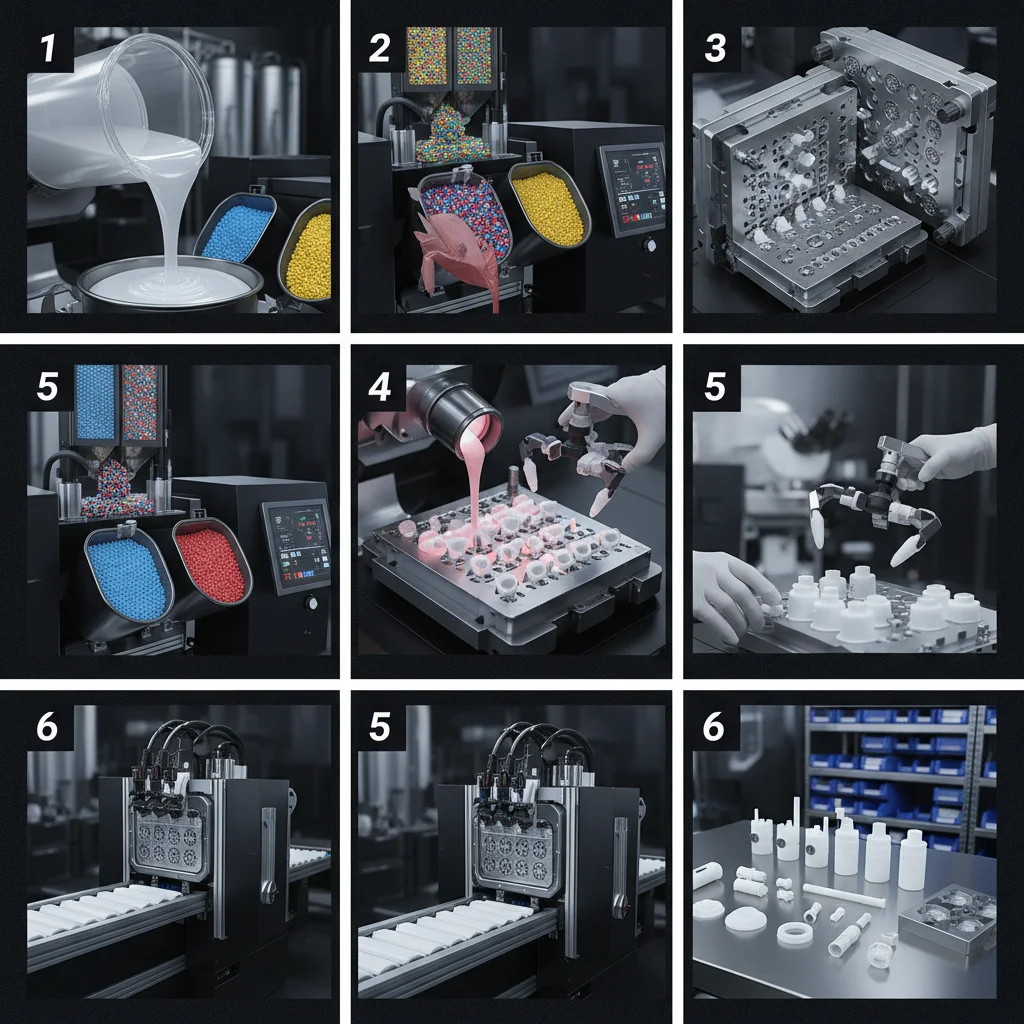
In the simplest terms, Two tone plastic accessories refer to components manufactured using two different colors, materials, or hardness levels within a single integrated unit. This is typically achieved through processes such as overmolding, where a soft material (like silicone) is molded over a rigid substrate (like ABS or PC), or through two-shot injection molding, where two different resins are injected into the same mold cavity.
From a technical perspective, this approach allows for a "best of both worlds" scenario. For instance, a part can have a structural core that provides the necessary mechanical strength and a protective exterior that offers grip, sealing, or vibration dampening. This synergy is particularly vital in the production of the Y-type silicone protective sleeve (YT-021129), where precision dimensions (such as a total length of 63 ± 0.5mm) ensure a perfect fit and optimal protection.
Modern industry relies on these components to solve humanitarian and safety challenges. In medical settings, for example, two-tone designs are used to create intuitive touchpoints that guide users through critical procedures, reducing human error and enhancing the dignity and safety of patient care through superior ergonomic engineering.
Core Components of High-Precision Accessories
Durability is the primary pillar of Two tone plastic accessories. By integrating materials like high-grade silicone, these accessories can resist chemical erosion and temperature fluctuations. The chemical bond formed during the overmolding process prevents the soft layer from peeling away from the rigid core, ensuring long-term structural stability.
Scalability and customization are equally critical. Because Two tone plastic accessories can be tailored according to specific drawings and samples, manufacturers can rapidly pivot their production to meet evolving market needs. Whether it is adjusting the interface width to 12 ± 0.5mm or changing colors to pink, orange, or blue, the process is designed for high-volume repeatability.
Cost efficiency is realized through the reduction of manual assembly. By combining multiple functions into one part, the need for screws, glues, or ultrasonic welding is minimized. This not only lowers the direct labor cost but also reduces the number of potential failure points in the final product, increasing overall reliability.
Performance Metrics in Multi-Material Molding
Evaluating the success of Two tone plastic accessories requires a rigorous analysis of bond strength, dimensional tolerance, and material purity. Precision is paramount; for a component like the YT-021129, a tolerance of ± 0.5mm across various dimensions is the benchmark for quality.
When comparing different production methods, the industry typically looks at cycle time, scrap rates, and the resulting hardness (Shore A/D) of the finished part. The following data represents the performance rating of various multi-material approaches used in the creation of these accessories.
Comparative Efficiency of Two tone plastic accessories Methods
Global Applications and Strategic Use Cases
The application of Two tone plastic accessories spans across diverse geographic and industrial sectors. In the European medical device market, where biocompatibility is strictly regulated, LSR (Liquid Silicone Rubber) overmolding is used to create protective sleeves that are both sterile and durable. These components ensure that delicate interfaces are protected from moisture and debris.
In industrial zones across Asia and North America, these accessories are integral to handheld tools and automotive interiors. By using two-tone designs, manufacturers can create a "soft-touch" grip that reduces operator fatigue and prevents slippage, directly improving workplace safety and productivity in high-intensity manufacturing environments.
Long-Term Value and Sustainability Benefits
Investing in high-quality Two tone plastic accessories offers significant long-term economic value. By consolidating multiple parts into one, the supply chain is simplified, and the risk of assembly errors is virtually eliminated. This leads to a lower total cost of ownership over the product's lifecycle.
From a sustainability perspective, the move toward integrated molding reduces the reliance on hazardous adhesives and glues, which are often difficult to recycle and can off-gas volatile organic compounds (VOCs). The use of recyclable silicone and thermoplastic polymers aligns with global green energy and circular economy initiatives.
Moreover, the enhanced durability of these parts means fewer replacements are needed, reducing the overall volume of plastic waste entering landfills. This intersection of innovation and responsibility creates a trust-based relationship between the manufacturer and the end consumer, emphasizing safety and reliability.
Future Innovations in Plastic Accessory Design
The future of Two tone plastic accessories lies in the integration of "smart materials." We are seeing the emergence of conductive polymers and shape-memory alloys that can be overmolded into silicone, allowing accessories to sense pressure, temperature, or electrical signals without needing bulky external sensors.
Digital transformation, specifically the use of AI-driven mold flow analysis, is allowing engineers to predict bonding failures before the first tool is cut. This reduces development time and ensures that dimensions—like the 15mm length of the Y-type sleeve—are maintained with absolute consistency across millions of units.
As automation continues to evolve, the shift toward fully robotic cell production for two-tone parts will further lower costs and increase precision. The goal is a seamless transition from a digital CAD model to a finished, multi-material product with zero human intervention in the molding process.
Technical Specification Analysis of Two tone plastic accessories
| Component Dimension | Standard Specification | Material Grade | Quality Rating |
|---|
| Total Length | 63 ± 0.5mm | Medical Silicone | 9.5 |
| Interface Width | 12 ± 0.5mm | LSR | 9.0 |
| Interface Length | 15 ± 0.5mm | TPE/Silicone | 9.2 |
| Unit Weight | 2g | Lightweight Polymer | 8.8 |
| Color Range | Pink, Orange, Blue | UV Stabilized | 9.7 |
| Tolerance Level | ± 0.5mm | Precision Molded | 9.4 |
FAQS
The primary benefits include the ability to combine disparate physical properties—such as a hard structural core and a soft, ergonomic exterior—into a single part. This improves user grip, provides environmental sealing, and eliminates the need for secondary adhesives, which increases the overall lifespan and reliability of the component while reducing assembly time.
Dimensional accuracy is maintained through the use of high-precision molds and advanced temperature control during the injection process. For components like the Y-type sleeve, strict tolerances of ± 0.5mm are achieved by calculating the shrink rate of both materials (e.g., silicone and plastic) and utilizing CNC-machined mold cavities to ensure a perfect fit.
Yes, these accessories can be fully customized based on provided drawings and samples. By selecting medical-grade Liquid Silicone Rubber (LSR) and following ISO 13485 standards, manufacturers can create biocompatible, hypoallergenic parts that are safe for patient contact and capable of undergoing rigorous sterilization processes.
While standard options often include high-visibility colors like pink, orange, and blue for easy identification in industrial or medical settings, almost any Pantone color can be achieved. Because the coloring is integrated into the material resin, the color is consistent throughout the part and resistant to fading or peeling.
For high-volume production, overmolding is significantly more cost-effective. Although the initial tooling cost for a two-shot or overmold is higher than for single-shot molding, the drastic reduction in manual labor and the elimination of separate fasteners or glues result in a lower per-unit cost over time.
By using high-grade silicone as one of the materials, Two tone plastic accessories can maintain their flexibility and bond strength across a wide temperature range. Silicone is naturally resistant to both extreme heat and cold, ensuring that the protective sleeve does not crack or lose its seal in harsh environments.
Conclusion
The integration of Two tone plastic accessories represents a critical evolution in manufacturing, blending technical precision with user-centric design. From the rigorous tolerances of the Y-type silicone protective sleeve to the broad applications in global medical and industrial sectors, these components solve complex engineering challenges by merging strength, flexibility, and aesthetics into a single, durable unit.
As we look toward a future defined by smart materials and sustainable production, the importance of high-precision multi-material molding will only grow. Companies that prioritize the adoption of these advanced accessories will not only reduce their operational costs but also enhance the safety and reliability of their products. For professional molding solutions and customized accessories, visit our website: www.ytplasticmold.com.