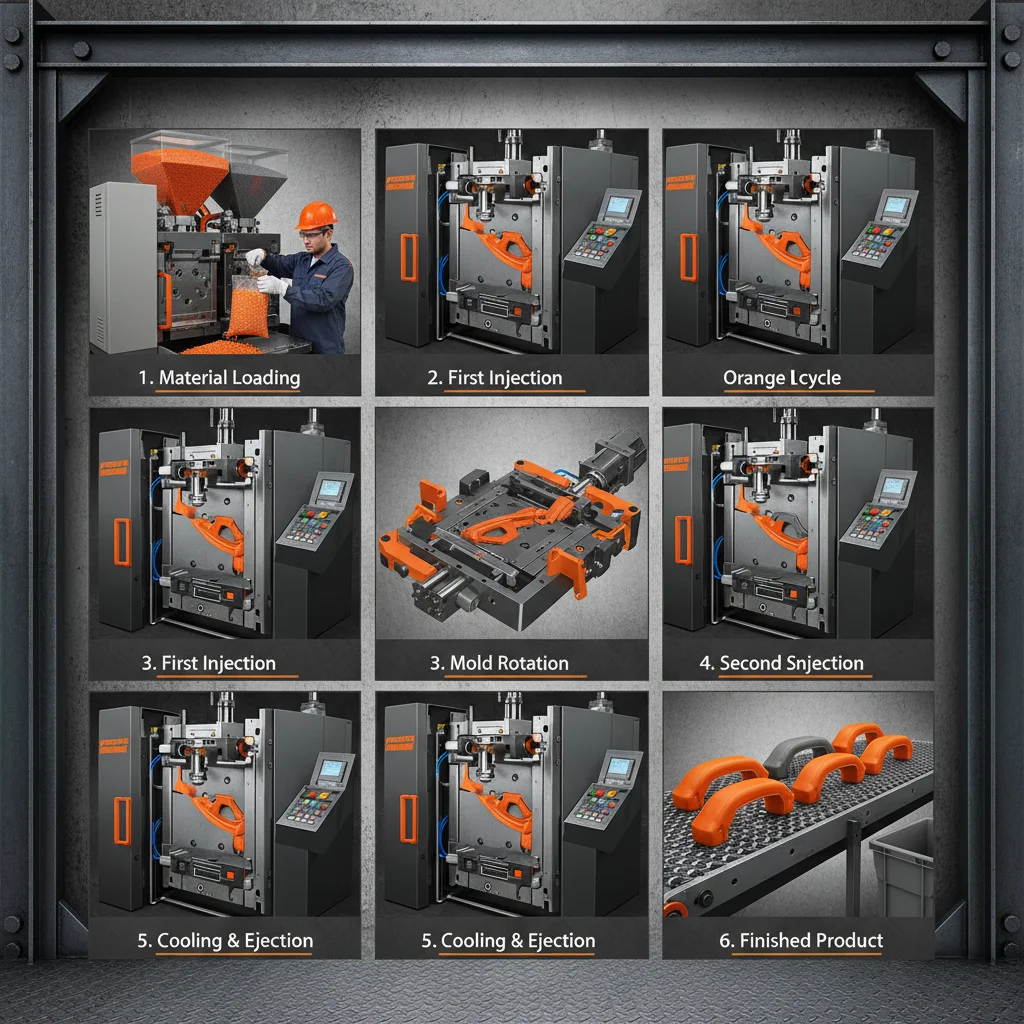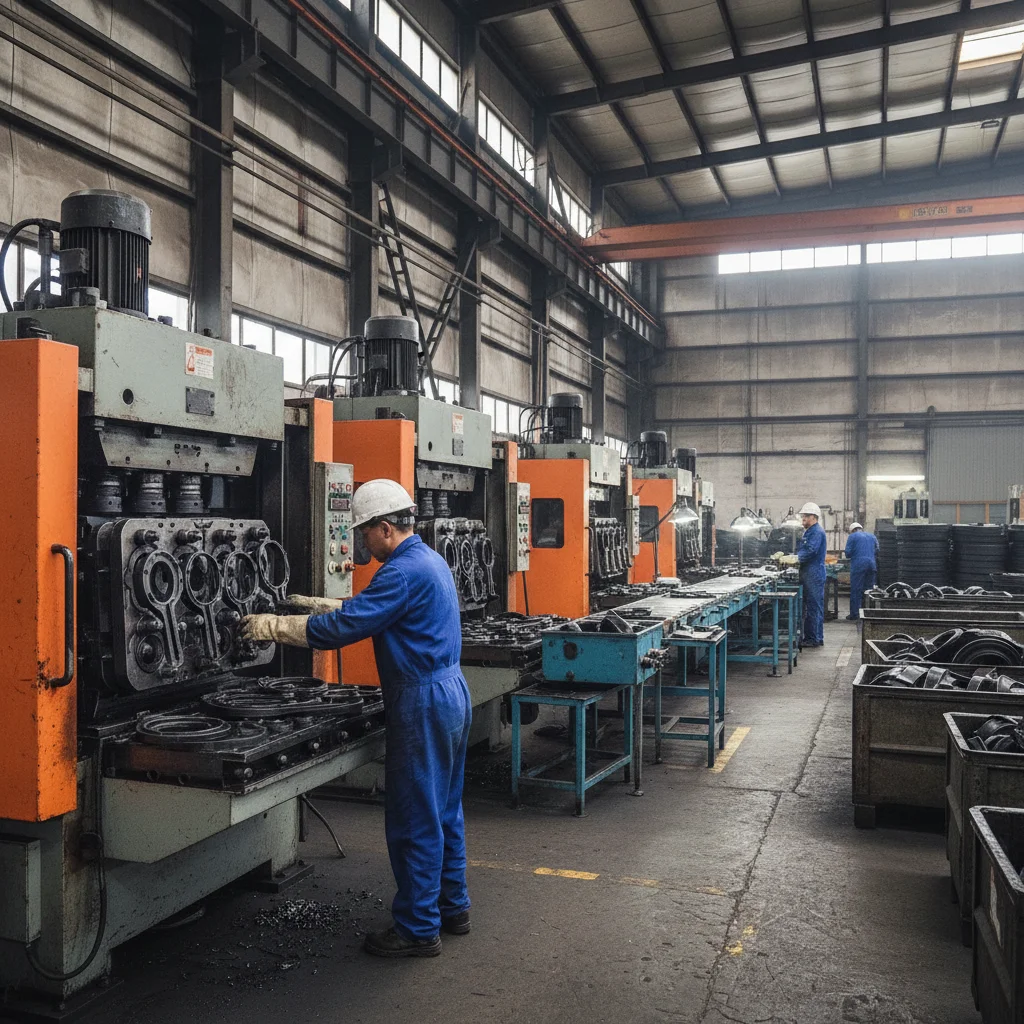
Selecting a Two color plastic parts processing factory is a critical decision for engineers and procurement managers seeking to enhance product aesthetics and functional integration. In the specialized field of rubber and plastic products, dual-material injection molding allows for the seamless combination of different polymers or elastomers, reducing assembly time and eliminating the need for secondary adhesives.
The primary challenge for most buyers is finding a manufacturer that can maintain tight tolerances while ensuring a strong chemical bond between two disparate materials. Poor execution often leads to delamination or structural failure, which is unacceptable in high-precision sectors like consumer electronics or medical device components.
This technical analysis provides a framework for evaluating the capabilities of a dual-material processor, covering mold design, material compatibility, and the quality control standards necessary to ensure high-consistency elastomer and plastic components.

Understanding Dual-Material Injection Molding

Dual-material processing, often referred to as two-shot or overmolding, involves the injection of a second material onto a previously molded part. This process is essential for creating components that require both a rigid structural core and a soft-touch or sealing exterior. A professional Two color plastic parts processing factory utilizes specialized machinery that can rotate the mold or use multiple injection units to achieve precise geometric boundaries between materials.
From an engineering perspective, the integration of liquid silicone rubber (LSR) with hard plastics is one of the most complex variations of this process. It requires precise temperature control, as the curing temperature of the silicone must not deform the rigid plastic substrate. This capability allows for the creation of high-end customized solutions for electronic seals and wearable devices.
Critical Factors for Material Adhesion
The success of a two-color part depends entirely on the interfacial bond between the two materials. When combining plastics with elastomers, manufacturers must account for chemical compatibility. Some materials bond naturally through thermal fusion, while others require chemical primers or mechanical interlocks (such as holes or grooves in the first shot) to prevent the materials from separating under stress.
Surface energy is another pivotal factor. If the first material has low surface energy, the second material will not wet the surface properly, leading to voids or peeling. Advanced factories use precision mold processing to create optimized surface textures that enhance the mechanical grip between the rigid plastic and the overmolded silicone or TPE.
Application Scenarios in High-Precision Industries
Two-color processing creates immense value in industries where ergonomics and sealing are paramount. In the automotive sector, this is seen in interior buttons with soft-touch grips. In consumer electronics, it is used for waterproof seals and smart wearable straps. The ability to produce a part that is both structural and aesthetic in one cycle reduces the total bill of materials (BOM) and eliminates assembly errors.
For example, a liquid silicone wrapped plastic nozzle (such as model YT-021303) demonstrates the practical application of this technology. By combining a precise plastic diameter of 35mm with a specialized silicone nozzle, the product achieves both the rigidity needed for fitting and the flexibility needed for the nozzle's function, all while maintaining a total height of 72mm with high consistency.
Evaluating Manufacturing Capacity and Throughput
When auditing a Two color plastic parts processing factory, the ratio of automatic injection machines to precision mold equipment indicates the facility's ability to scale. A balanced production chain from mold development to finished product intellectual manufacturing ensures that design iterations are handled in-house, reducing the lead time for customized drawings and samples.
The chart above illustrates a conceptual relative importance index for different production capabilities. For high-precision elastomer parts, the synergy between mould processing equipment and advanced testing instruments is often more critical than the raw number of moulding machines, as consistency depends on the precision of the tool.
Mold Design Considerations for Two-Color Parts
Mold design for dual-material parts is significantly more complex than single-shot molds. The designer must manage the "shut-off" areas—the lines where the first material ends and the second begins. If the shut-off is not perfectly sealed, "flash" occurs, where the second material leaks into the first shot's cavity, ruining the part's dimensions and aesthetics.
Additionally, venting is critical. Because two different materials are being injected, air can become trapped at the interface. High-precision factories use vacuum venting or optimized gate placements to ensure that the elastomer fully encapsulates the plastic core without leaving air pockets that could compromise the waterproof seal or structural integrity.
Common Quality Risks and Mitigation
The most frequent failure in two-color processing is sink marks. When a thick section of the second material cools, it can pull the surface of the first material inward, creating a visible depression. This is mitigated by optimizing wall thicknesses and adjusting the holding pressure during the injection cycle to ensure the part remains dimensionally stable.
Another risk is color bleeding or contamination. In a factory producing diverse colors (such as purple and black), strict purging protocols are required. Using a unified force of professional technicians who understand the thermal behavior of different polymers prevents material degradation and ensures that each batch meets the specified color and weight standards.
Supplier Selection Framework
Choosing the right partner requires looking beyond the price per part. Buyers should evaluate the vertical integration of the factory. A supplier that handles the entire chain—from LSR overmolding mold development to finished product testing—can offer better consistency and faster response times for design changes.
| Approach | Bonding Strength | Tooling Cost | Best Use Case |
|---|---|---|---|
| Chemical Bonding | High | Medium | Medical/Electronic Seals |
| Mechanical Interlock | Very High | High | Heavy Duty Industrial |
| Thermal Fusion | Medium | Low | Simple Consumer Goods |
| LSR Overmolding | High | High | High-End Wearables |
| TPE Overmolding | Medium | Medium | Ergonomic Grips |
| Adhesive Assembly | Low | Very Low | Low Volume Prototyping |
As shown in the comparison, the choice between chemical bonding and mechanical interlocks depends on the operational environment of the part. For high-precision elastomer parts, LSR overmolding provides the best balance of seal integrity and aesthetic finish.
Frequently Asked Questions
Two-shot molding uses a single machine with two barrels to inject materials in one continuous cycle. Overmolding involves molding a part in one machine and then placing it into a second mold for the second material. Two-shot is generally faster and more precise for complex geometries.
Bonding is ensured through material selection (choosing compatible polymers), utilizing mechanical interlocks in the design, or applying chemical primers. A professional factory will perform pull tests to verify bond strength before mass production.
Not all plastics bond well with LSR. Specific grades of polycarbonate or nylon are often used. The factory must verify the compatibility of the plastic substrate to ensure a permanent, waterproof bond.
Cost is primarily driven by mold complexity, the cycle time for the second material to cure, and the cost of the materials used. High-precision LSR molds are more expensive than standard plastic molds due to the tighter tolerances required.
Tolerances are managed through precision mold processing and using advanced testing instruments to monitor shrinkage. Because two materials shrink at different rates, the mold must be engineered to compensate for this differential.
Lead times vary based on mold complexity. However, factories with integrated mold development and production capabilities can significantly reduce the time from customized drawings to finished samples.
Conclusion
A successful partnership with a Two color plastic parts processing factory depends on the supplier's ability to manage the technical intersection of material science and precision engineering. By focusing on interfacial bond strength, mold shut-off precision, and vertical integration, companies can produce high-consistency components that meet the rigorous demands of the medical and electronic industries.
For organizations evaluating implementation options for high-precision elastomer and plastic components, detailed technical specifications and capacity audits are recommended. You can review available solution information and customized capabilities at www.ytplasticmold.com.