High Quality Precision liquid silicone parts mold for Industry

High Quality Precision liquid silicone parts mold for Industry

High Quality Precision liquid silicone parts mold for Industry
May 22, 2026
share:

In the rapidly evolving landscape of high-performance manufacturing, the demand for uncompromising accuracy has led to the rise of the Precision liquid silicone parts mold. As industries from medical device engineering to consumer electronics seek materials that combine biocompatibility with extreme durability, the quality of the mold becomes the single most critical factor in ensuring product consistency and performance.

A high-quality Precision liquid silicone parts mold is not merely a piece of hardware; it is a sophisticated engineering tool designed to handle the unique rheology of Liquid Silicone Rubber (LSR). By leveraging advanced CNC machining and EDM (Electrical Discharge Machining) technologies, manufacturers can now achieve tolerances in the micron range, allowing for the production of complex geometries that were previously impossible with traditional compression molding.

Understanding the nuances of these molding systems is essential for any business looking to scale its production while maintaining strict quality controls. From reducing scrap rates to enhancing the structural integrity of the finished part, the investment in a precision-engineered mold pays dividends in long-term operational efficiency and market competitiveness.
Precision liquid silicone parts mold

Global Relevance of Precision liquid silicone parts mold
Precision liquid silicone parts mold

On a global scale, the adoption of the Precision liquid silicone parts mold has been accelerated by the strict mandates of ISO 13485 and other medical-grade certifications. As the healthcare sector expands, particularly in Asia and North America, the need for sterile, hypoallergenic, and precise silicone components has forced a shift away from manual casting toward fully automated injection molding.

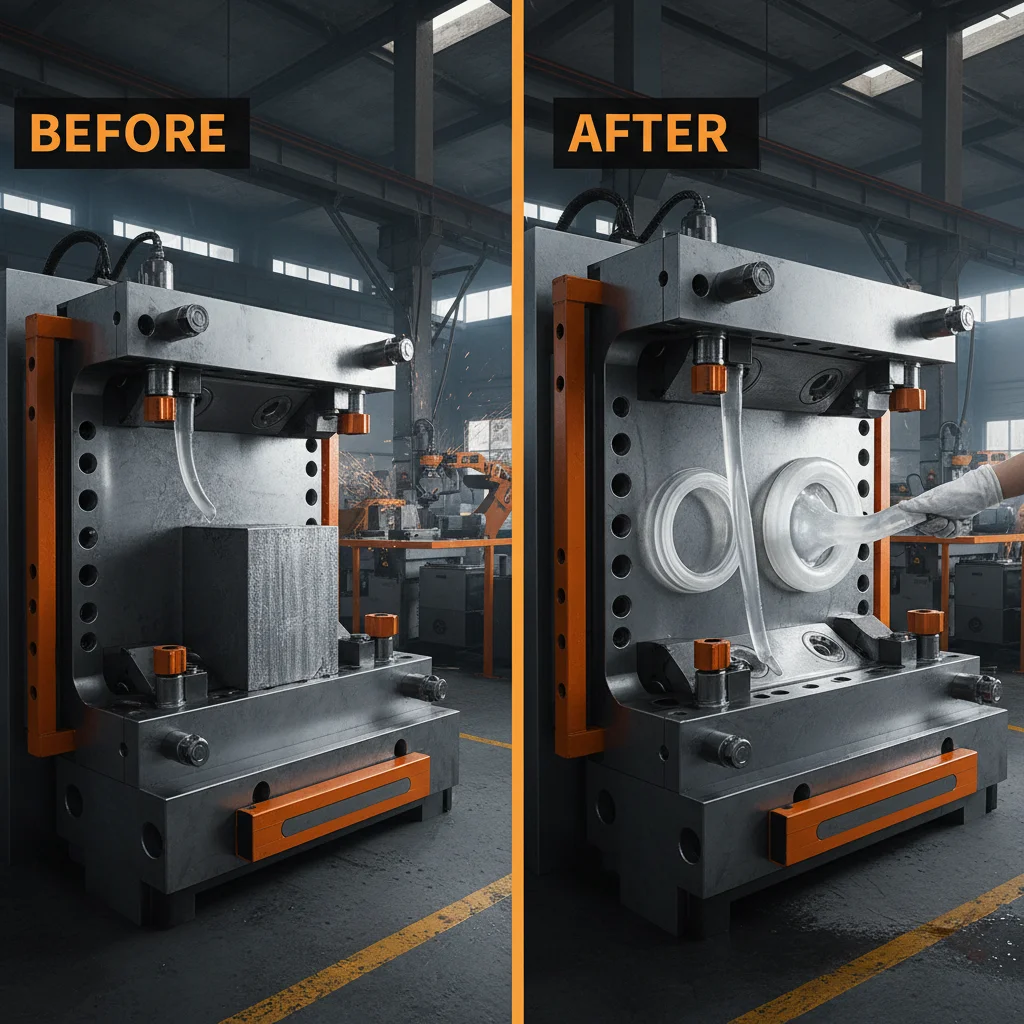
The challenge facing many manufacturers today is the "precision gap"—the difference between a conceptual design and a mass-produced part. Without a high-precision mold, flashing and dimensional instability occur, leading to high rejection rates. By integrating precision molds, companies can reduce material waste by up to 30%, aligning with global sustainability goals and reducing the cost per unit in high-volume production.

Defining the Precision liquid silicone parts mold Mechanism

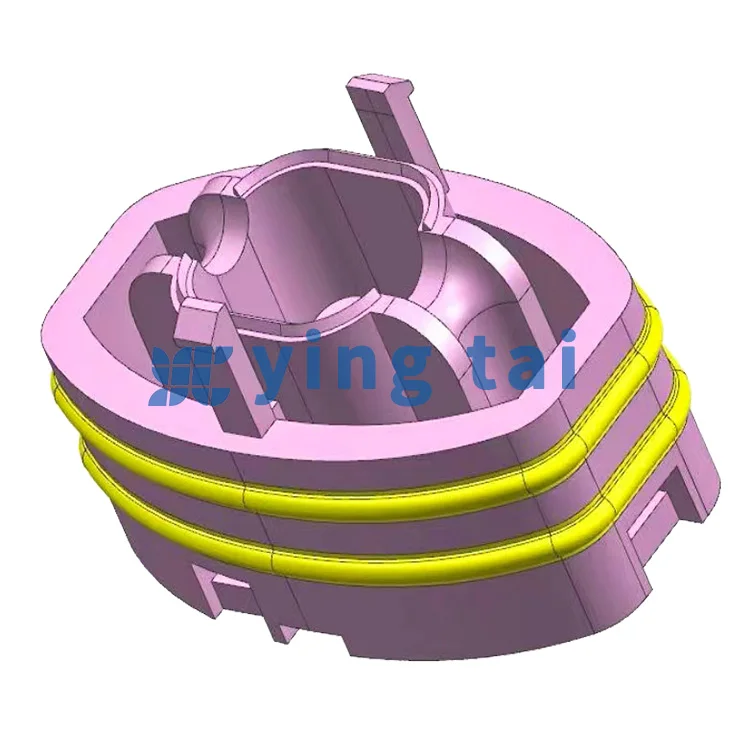
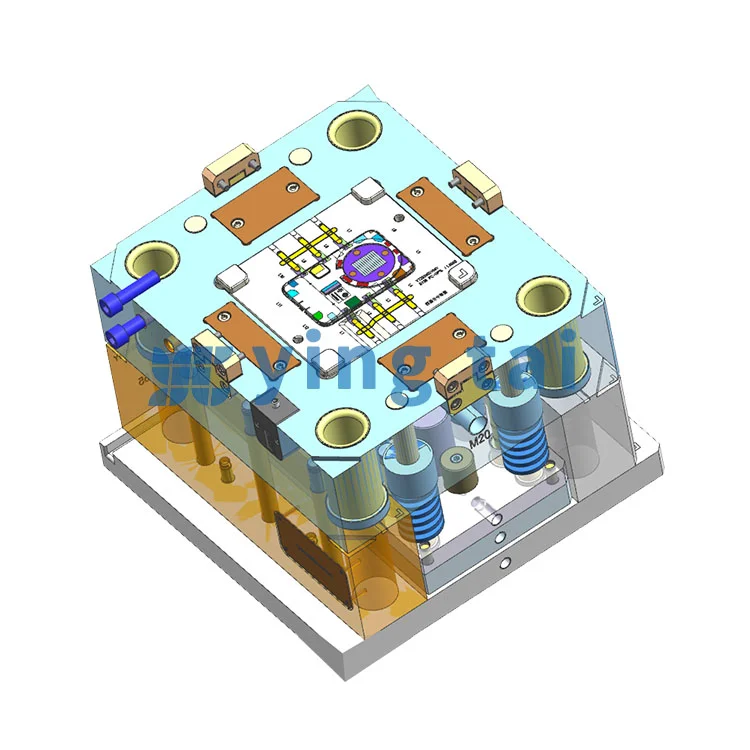
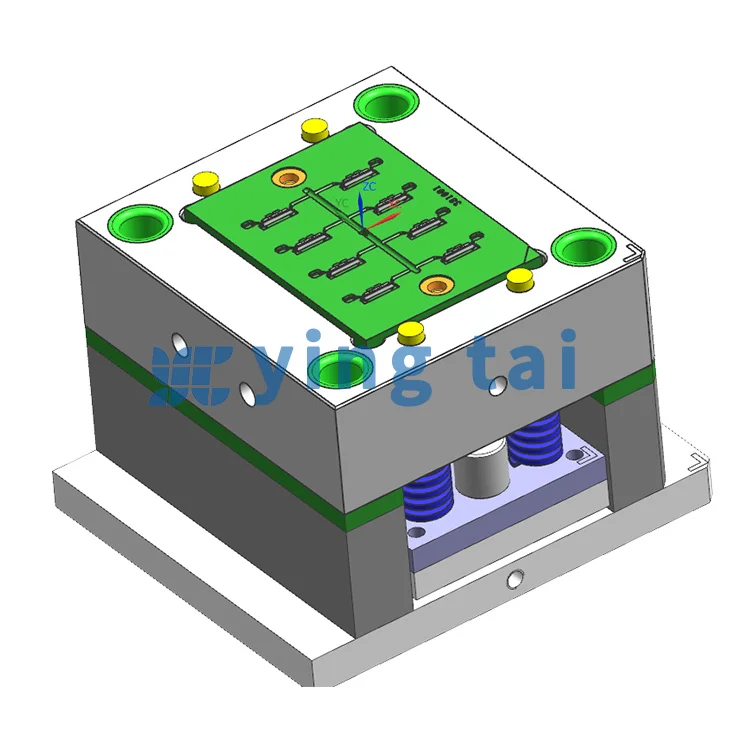
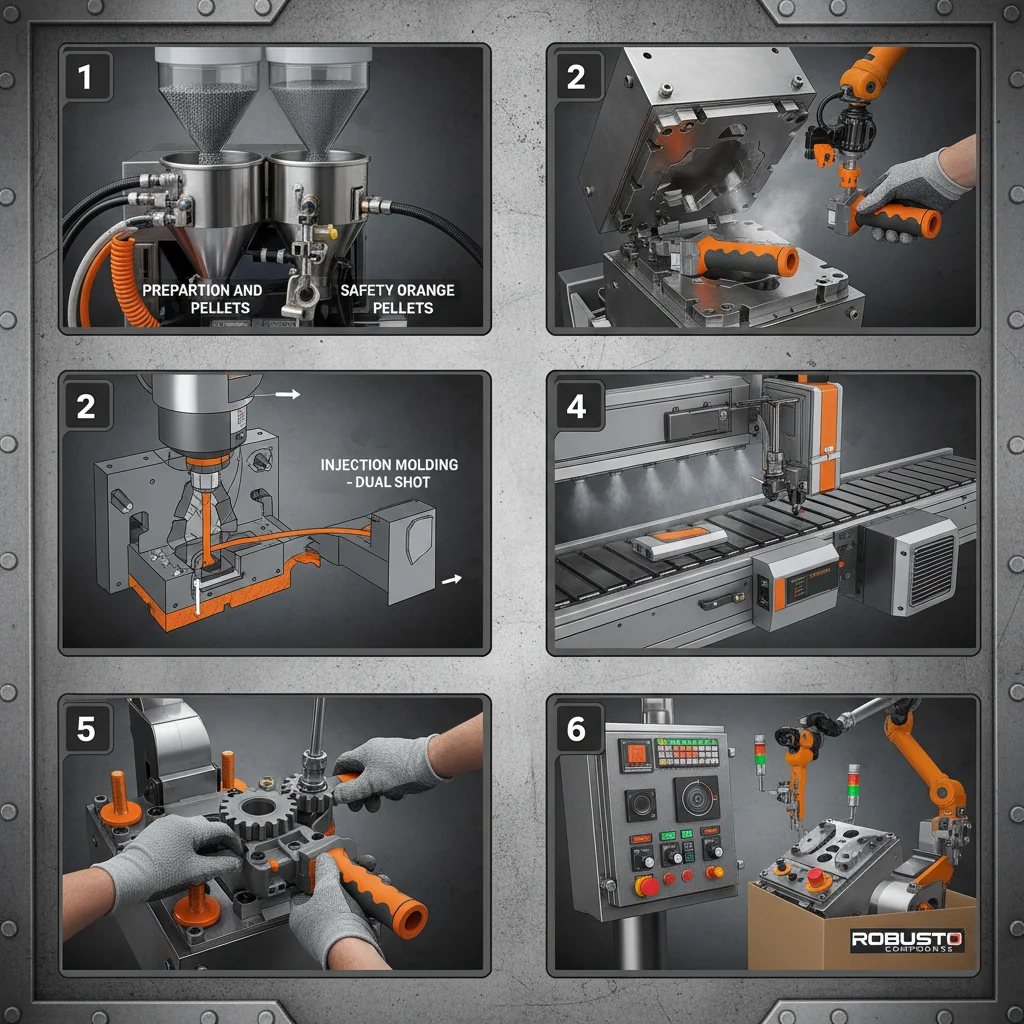
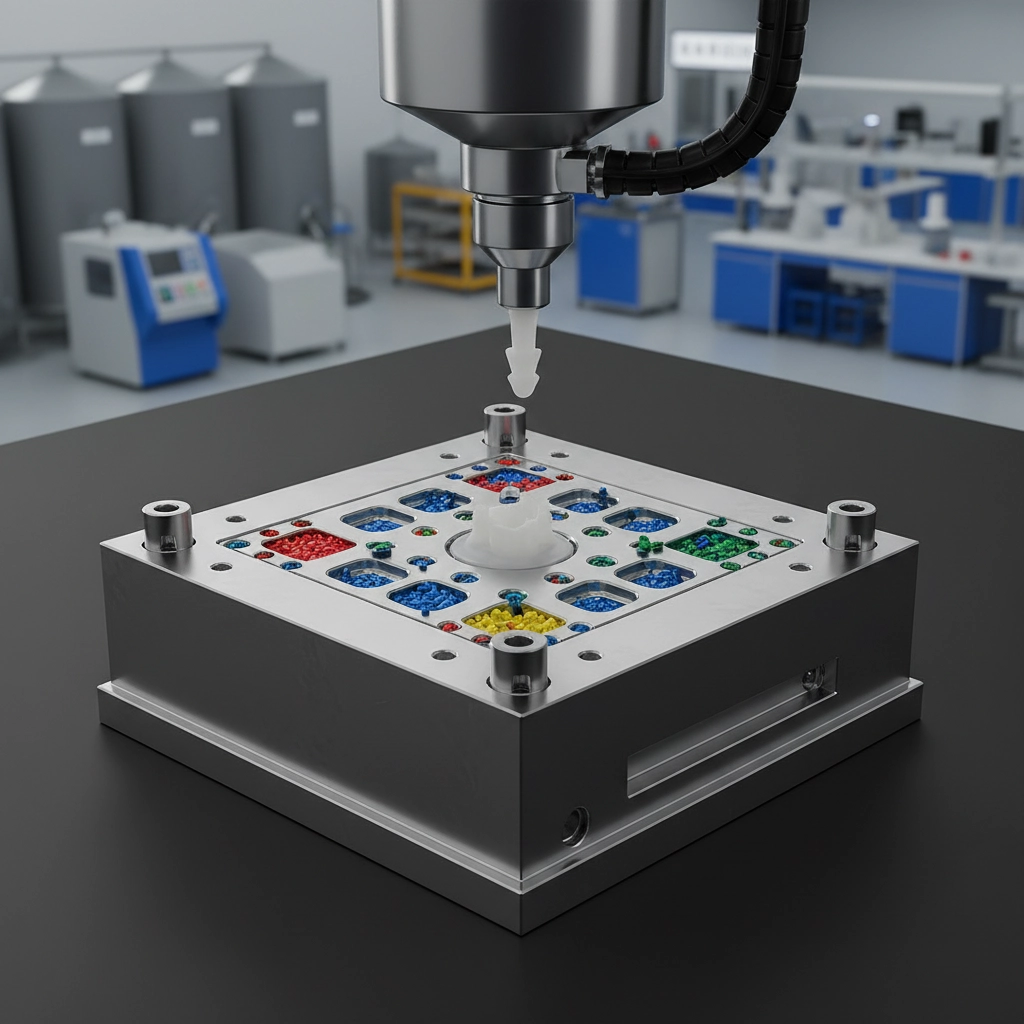
At its core, a Precision liquid silicone parts mold is a specialized tool designed to inject low-viscosity Liquid Silicone Rubber (LSR) into a vacuum-sealed cavity under high pressure and temperature. Unlike traditional rubber molding, which relies on pre-formed "slugs," the precision mold allows the material to flow seamlessly into intricate channels, ensuring that every micro-feature of the design is replicated with absolute fidelity.

This mechanism is vital for modern humanitarian and industrial needs, such as the creation of medical-grade valves or wearable health monitors. Because LSR is biologically inert and thermally stable, the mold must be engineered from high-grade tool steel (such as H13 or S136) to withstand the corrosive nature of the curing process and the immense pressure of the injection cycle without warping.

Furthermore, the "precision" aspect refers to the mold's ability to maintain tight tolerances—often within ±0.01mm. This level of accuracy is what enables the seamless integration of silicone parts with hard plastic housings, a process known as overmolding, which is essential for waterproof electronics and ergonomic medical handles.

Core Technical Factors for Mold Excellence

The longevity and efficiency of a Precision liquid silicone parts mold depend heavily on thermal management. Since LSR cures via a heat-activated process, the mold must have integrated cooling and heating channels that ensure a uniform temperature distribution. Any "cold spots" in the mold can lead to incomplete curing, resulting in soft spots in the final part.

Surface finish is another critical factor. To ensure easy part release and high aesthetic quality, the internal cavities of a Precision liquid silicone parts mold are often polished to a mirror finish or treated with specialized nano-coatings. This reduces the friction during ejection, preventing the delicate silicone walls from tearing and extending the overall lifespan of the tool.

Finally, the venting system must be meticulously designed. Because liquid silicone is injected at high speeds, air trapped in the cavity can cause "burn marks" or voids. A precision mold utilizes vacuum venting to evacuate all air before the material enters, ensuring a dense, bubble-free component that meets the highest industrial standards.

Comparative Performance of Molding Methods

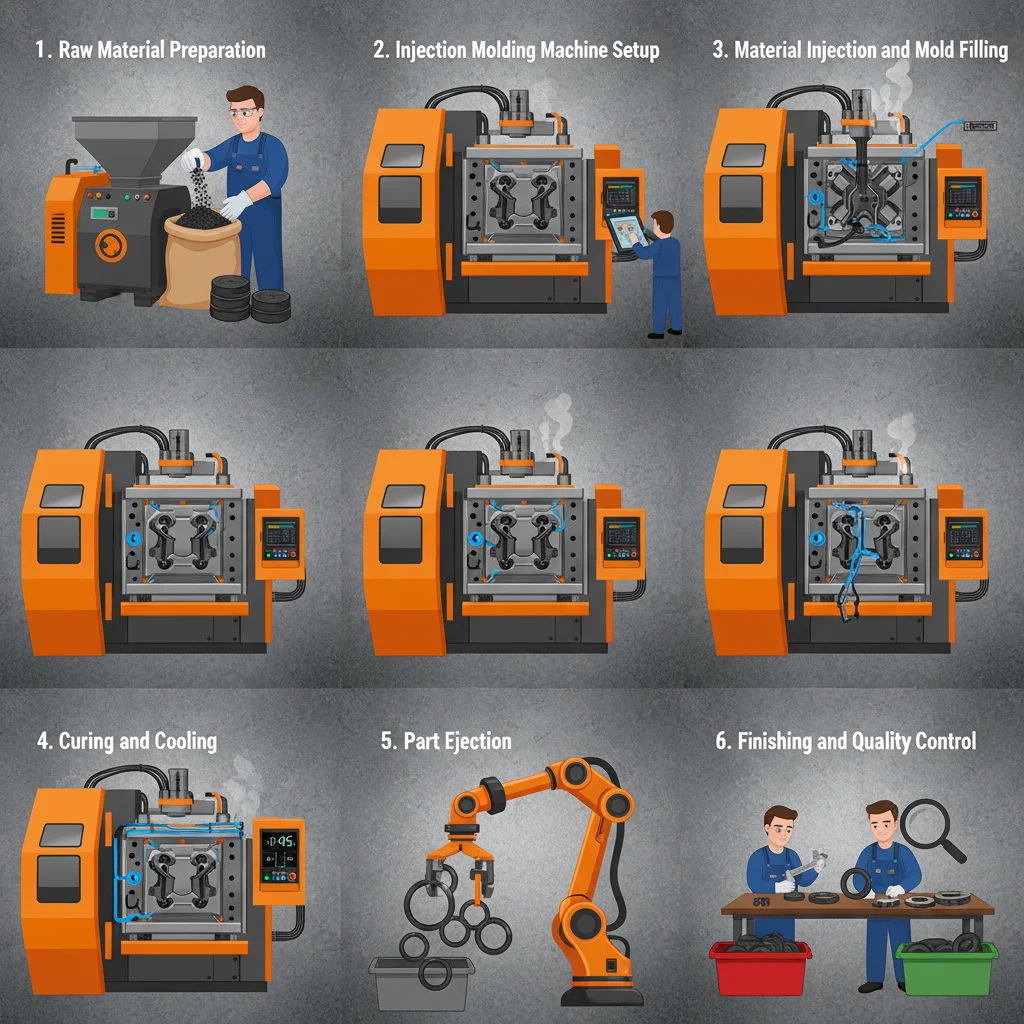
When evaluating the effectiveness of different production paths, the Precision liquid silicone parts mold stands out for its scalability and repeatability. While compression molding may be suitable for low-volume prototypes, it lacks the consistency required for medical or automotive certifications where every single part must be identical.

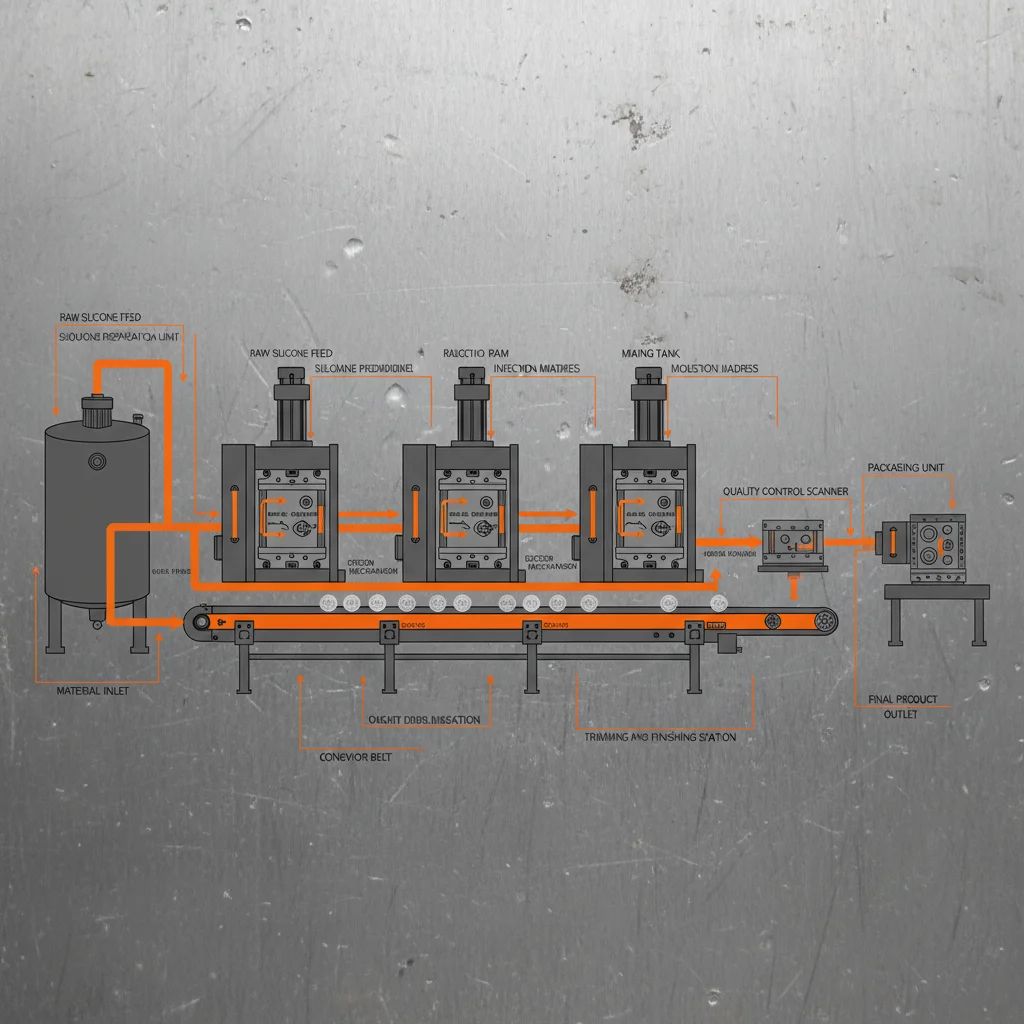
The transition to precision injection molding significantly reduces cycle times. By automating the injection and curing process, manufacturers can increase their output by 5x to 10x compared to traditional methods, making it the only viable choice for high-demand global markets.

Production Efficiency Comparison for Precision liquid silicone parts mold

Global Industrial Applications and Case Studies

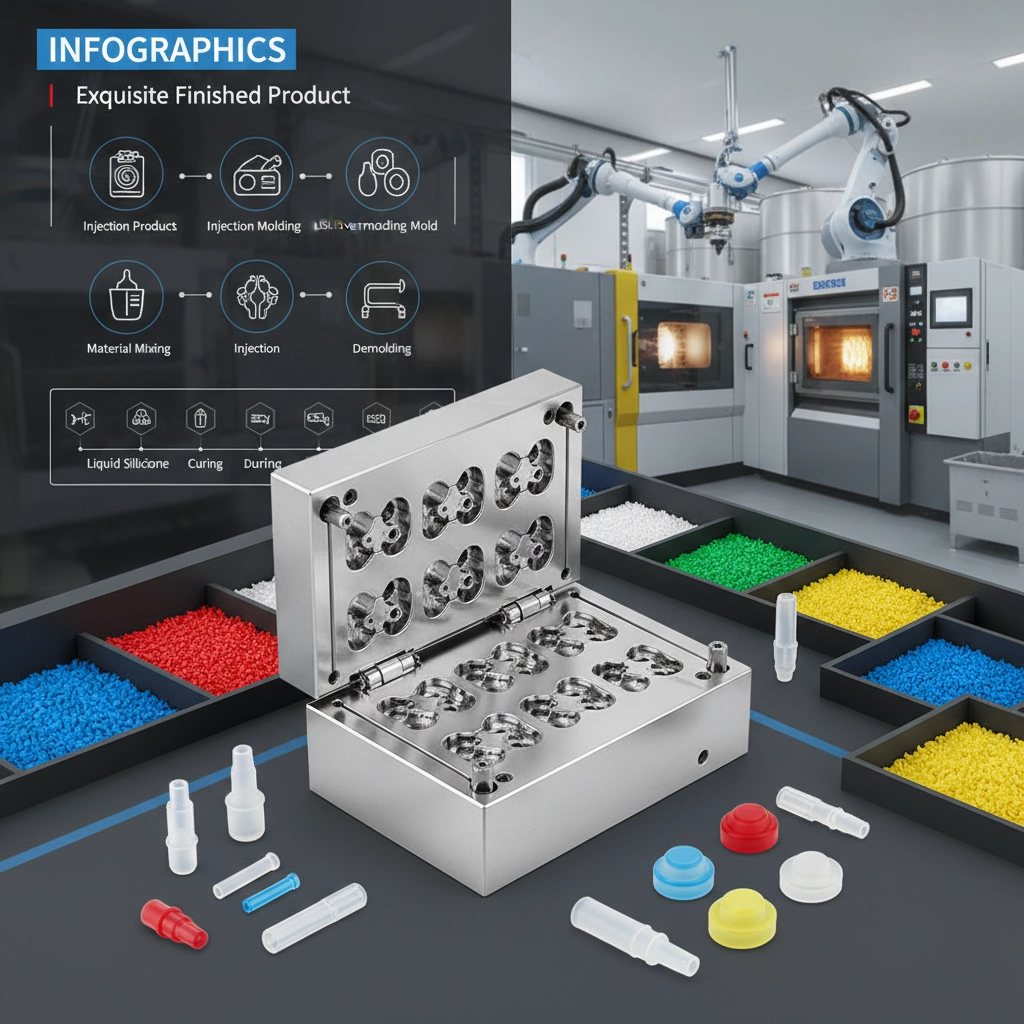
The versatility of the Precision liquid silicone parts mold is best seen in the medical field. For example, in the production of infant feeding nipples or respiratory masks, the mold must ensure a seamless finish to prevent bacterial growth. These "Exquisite Finished Products" require a level of precision that only high-end LSR molding can provide, ensuring patient safety and product hygiene.

In the consumer electronics sector, these molds are used to create LSR Overmolding Accessories for waterproof smartphones and smartwatches. By precisely molding silicone directly onto a plastic or metal frame, manufacturers create an airtight seal that protects internal circuitry from water and dust, proving the mold's critical role in enhancing device durability in extreme environments.

Long-term Value and Sustainability Benefits

Investing in a high-quality Precision liquid silicone parts mold offers significant long-term financial advantages. While the initial tooling cost is higher than traditional methods, the near-zero waste and reduced labor costs lead to a much lower Total Cost of Ownership (TCO). The ability to run millions of cycles without significant degradation ensures that the cost per part drops drastically over time.

From a sustainability perspective, LSR molding is far more eco-friendly than thermoplastic elastomer (TPE) molding. Liquid silicone is highly durable and often lasts longer in the field, reducing the frequency of replacement and the amount of landfill waste. Furthermore, the precision of the mold minimizes "flash" (excess material), which directly reduces the raw material footprint.

Beyond the numbers, there is the emotional value of reliability. In critical applications, such as medical implants or automotive braking seals, the trust placed in the component's performance is paramount. A precision mold provides the psychological certainty that every part will perform exactly as designed, eliminating the risk of catastrophic failure.

Future Innovations in LSR Molding Technology

The future of the Precision liquid silicone parts mold is being shaped by the digital transformation of the factory floor. "Smart Molds" equipped with embedded IoT sensors are becoming a reality, allowing engineers to monitor internal pressure and temperature in real-time. This enables "active compensation," where the machine adjusts the injection speed on the fly to correct for any material variations.

Additive manufacturing (3D printing) is also revolutionizing how these molds are created. Conformal cooling channels—which follow the exact contour of the part—can now be 3D printed into the mold steel. This drastically reduces cooling times and eliminates thermal stress, allowing for even faster cycles and higher precision in complex LSR components.

As we move toward a circular economy, we are seeing the development of bio-based silicone materials. The next generation of molds will be designed to handle these new sustainable resins, which may have different viscosity and curing profiles. The ability to adapt precision molding to green chemistry will be the next great frontier in the industry.

Comparative Analysis of Precision Mold Specifications

Mold Material Tolerance Level Cycle Life (Cycles) Application Suitability
P20 Tool Steel ±0.05mm 50,000 - 100,000 Low-volume Prototypes
H13 Steel ±0.02mm 500,000 - 1M Industrial Components
S136 Stainless ±0.01mm 1M - 5M Medical Grade Parts
Hardened Steel ±0.01mm 5M+ High-Volume Consumer Goods
Alloy Steel (Coated) ±0.03mm 200,000 - 500,000 Specialty Chemical Parts
Beryllium Copper ±0.04mm 100,000 - 300,000 High-Thermal Transfer zones

FAQS

What is the primary difference between a precision LSR mold and a standard rubber mold?

The primary difference lies in the material state and the tolerance. A Precision liquid silicone parts mold is designed for low-viscosity liquid rubber injected under pressure, whereas standard molds often use high-viscosity solid rubber slugs. Precision molds achieve tolerances as tight as ±0.01mm and utilize vacuum systems to eliminate air bubbles, resulting in a far superior surface finish and structural consistency.

How do I extend the lifespan of my Precision liquid silicone parts mold?

To maximize mold life, implement a strict preventative maintenance schedule that includes regular cleaning of the cavities to remove residue and lubricating the ejection pins. Ensuring that the heating and cooling systems are calibrated prevents thermal fatigue of the steel. Additionally, using high-grade S136 stainless steel and applying nano-coatings can significantly reduce wear and tear during high-volume production.

Is it possible to use these molds for medical-grade silicone?

Yes, absolutely. In fact, the Precision liquid silicone parts mold is the industry standard for medical silicone. By using medical-grade tool steel (which prevents contamination) and maintaining cleanroom standards during the injection process, these molds can produce biocompatible parts that meet FDA and ISO 13485 requirements for implants, tubing, and surgical components.

What causes "flashing" in silicone parts, and how does a precision mold fix it?

Flashing occurs when the mold halves do not seal perfectly, allowing liquid silicone to leak into the gaps. A precision mold solves this through high-precision CNC grinding of the parting lines and the use of heavy-duty clamping systems. This ensures a hermetic seal even under the extreme pressures of injection, resulting in parts with clean edges and no waste.

Can I create complex overmolded parts with a single mold?

Yes, through the use of multi-cavity or multi-shot molds. A Precision liquid silicone parts mold can be engineered to hold a plastic insert (like a connector) in place while liquid silicone is injected around it. This creates a permanent mechanical and chemical bond, which is essential for creating waterproof seals and ergonomic grips in a single production step.

How long does it typically take to develop a custom precision mold?

Depending on the complexity, a custom mold typically takes 4 to 8 weeks. This includes the design phase (DFM), CNC machining, EDM cutting, polishing, and sample testing (T1 samples). By optimizing the design through simulation software before cutting steel, we can reduce the number of iterations and bring your product to market faster.

Conclusion

The adoption of a Precision liquid silicone parts mold is a strategic decision that transforms the manufacturing process from a craft into a science. By integrating superior materials, rigorous thermal control, and micron-level tolerances, companies can ensure that their LSR products meet the most demanding standards of the medical, automotive, and electronic industries. The shift toward automation and precision not only reduces waste and costs but fundamentally enhances the reliability and safety of the end products.

Looking ahead, the convergence of IoT-enabled "smart" molds and sustainable bio-silicones will further elevate the capabilities of this technology. For manufacturers aiming to maintain a competitive edge, the focus must remain on investing in high-precision tooling and embracing digital design optimizations. We invite you to explore how our advanced molding solutions can elevate your product quality. Visit our website: www.ytlsrmold.com