Understanding Two Tone Plastic Parts: A Comprehensive Guide
Two tone plastic parts are becoming increasingly popular in a variety of industries, from automotive and consumer electronics to medical devices and packaging. This article will delve into the benefits, manufacturing processes, materials used, and applications of these versatile components. Understanding the intricacies of two tone injection molding can help businesses optimize product design, reduce costs, and enhance aesthetic appeal. YTLSR Mold specializes in providing high-quality two-tone plastic parts to meet diverse customer needs.
What are Two Tone Plastic Parts?
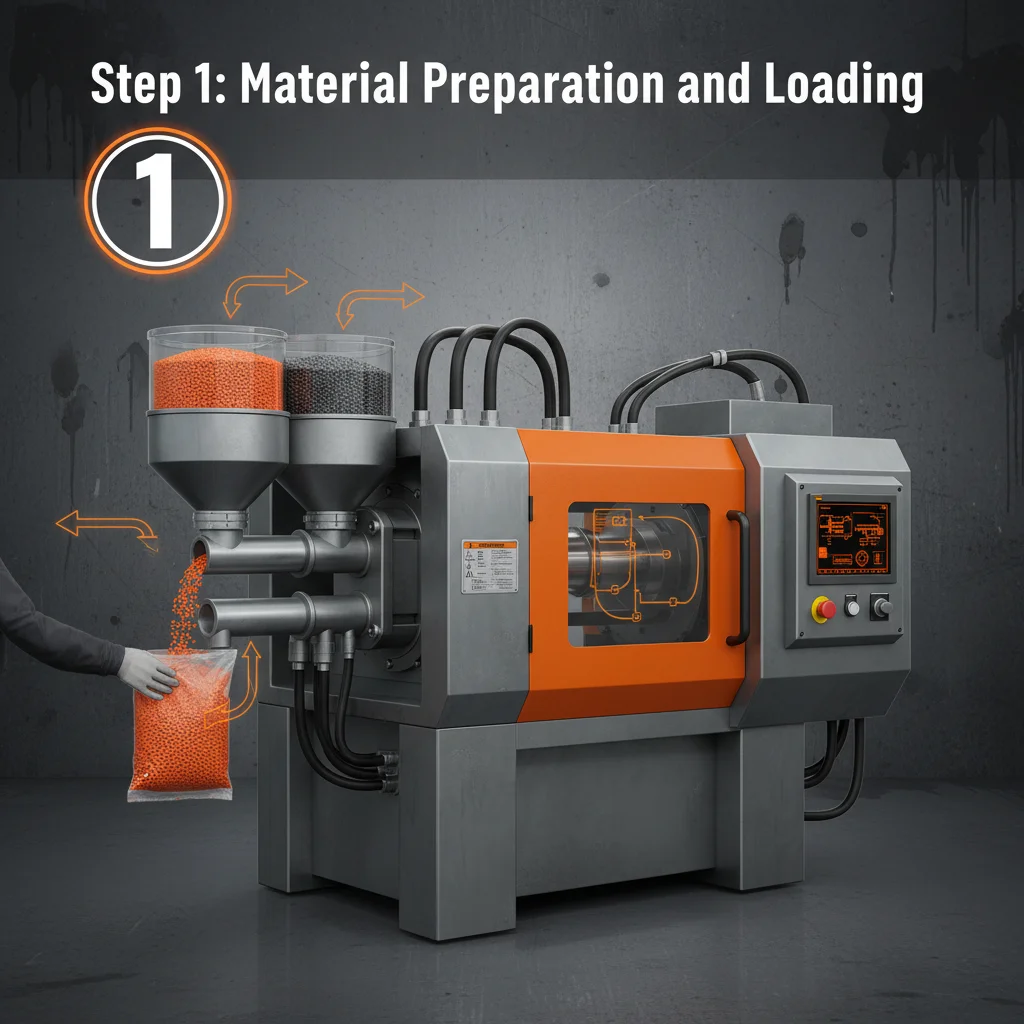
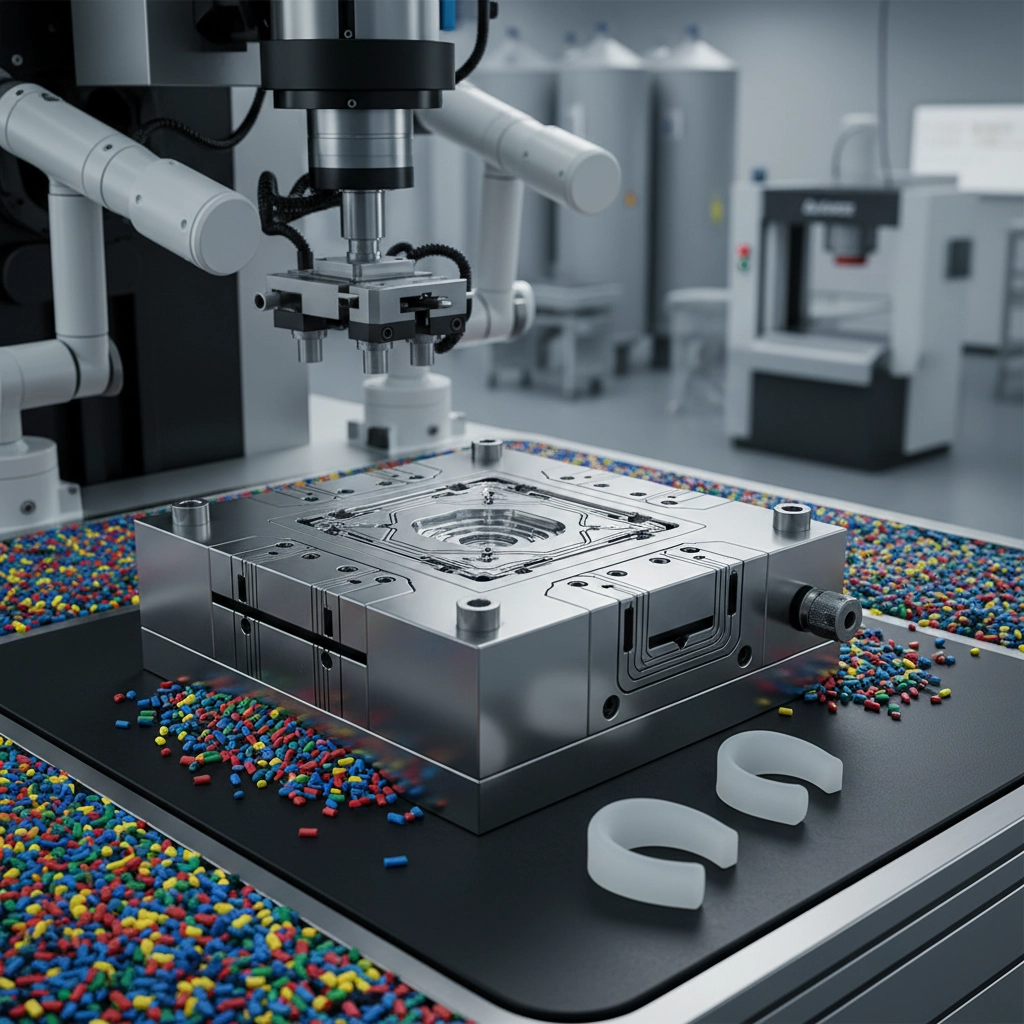
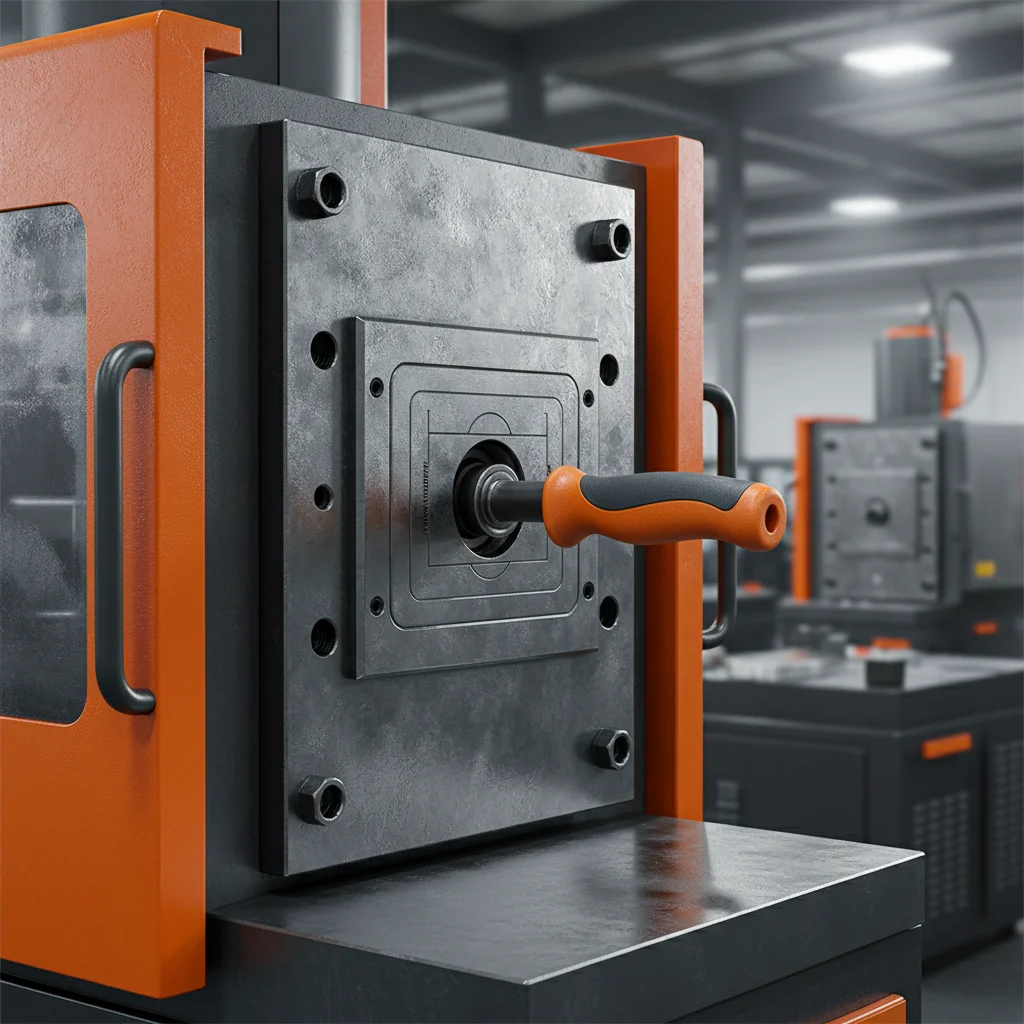
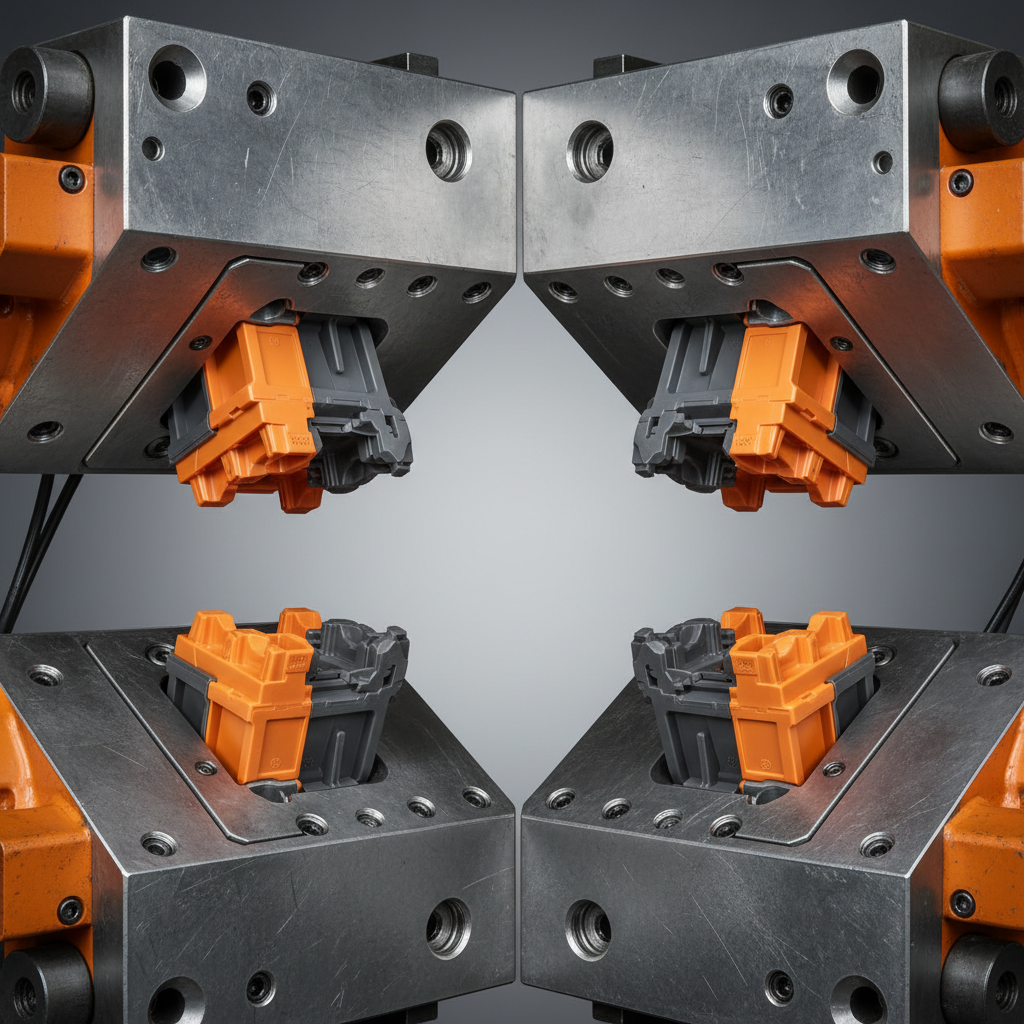
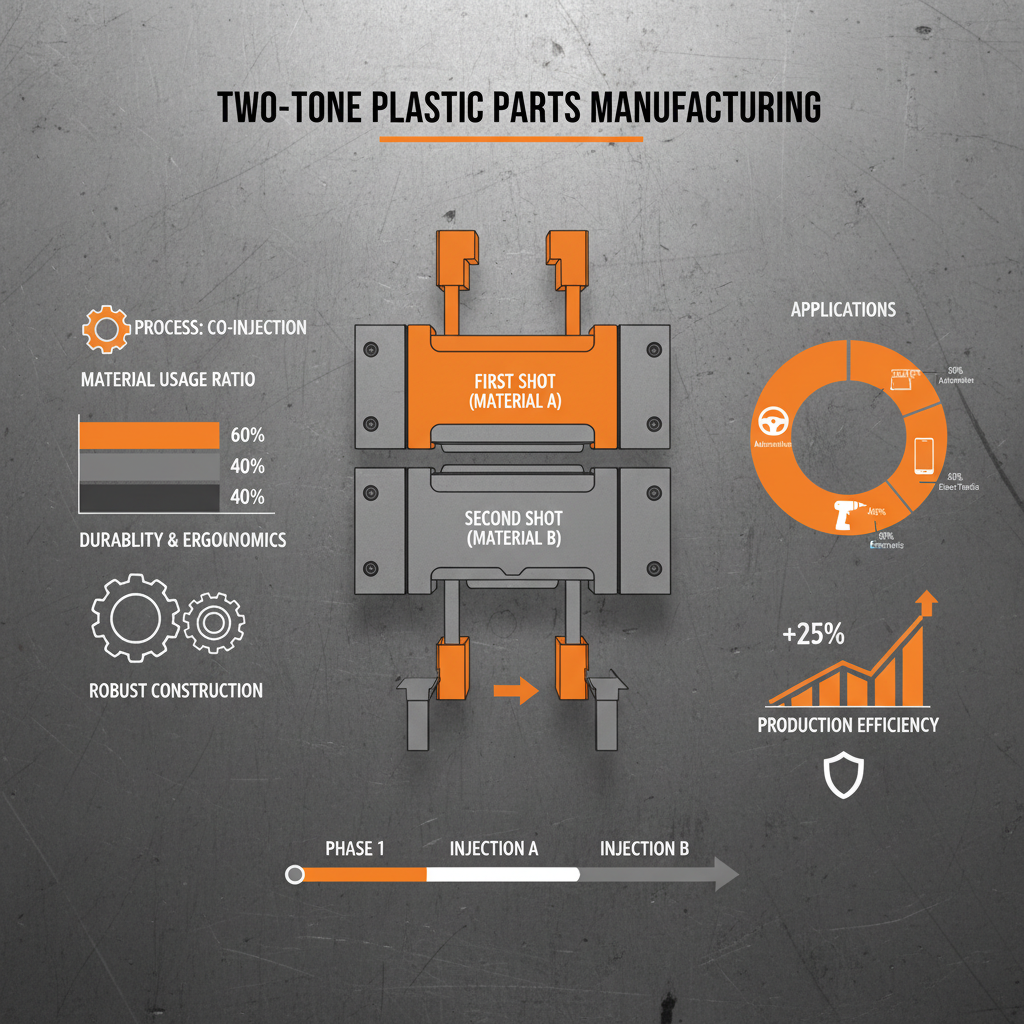
Two tone plastic parts, as the name suggests, consist of two different colors of plastic molded into a single component. This is typically achieved through a specialized injection molding process known as two-color injection molding (also sometimes referred to as overmolding). The process involves two injection molding machines and a rotating mold. One color is molded first, then the mold rotates and a second color is injected over the first, creating a seamless, multi-colored part. This technique is often used for aesthetic purposes, but also to create functional features like soft-grip surfaces or seals.
Key Benefits: Enhanced aesthetics, improved functionality, reduced assembly costs, and increased design flexibility.
The Two-Color Injection Molding Process Explained
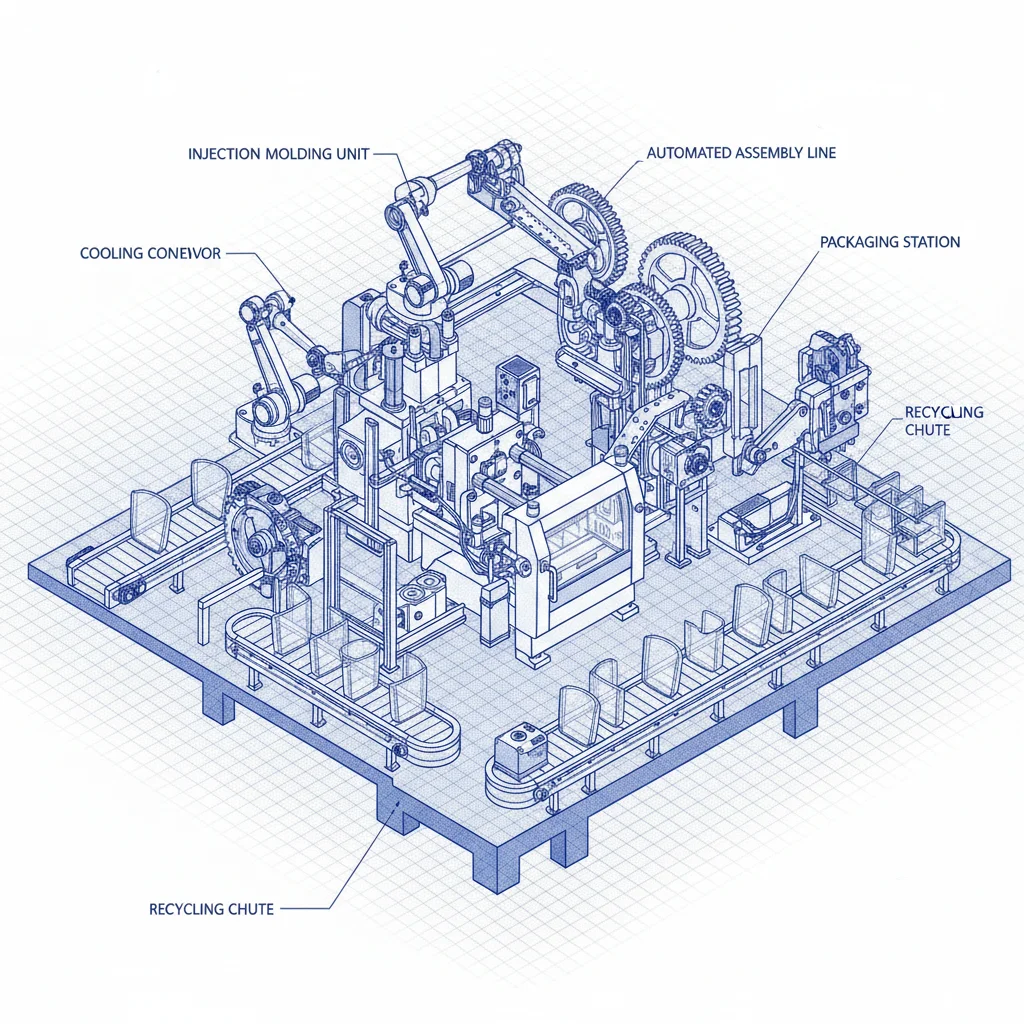
The two-color injection molding process is complex and requires precision. Here's a breakdown of the key steps: First, the base color plastic is injected into the mold. The mold then rotates 180 degrees, positioning the part for the second injection. The second color plastic is then injected, encapsulating or overmolding the first color. Careful control of temperature, pressure, and timing is essential to ensure proper bonding between the two materials. YTLSR Mold utilizes state-of-the-art equipment and experienced technicians to ensure consistently high-quality results.
Process Highlights:
• Precise mold rotation is critical for accurate color alignment.
• Material compatibility is essential for strong bonding.
• Cycle times can be longer than single-color molding.
• Requires specialized tooling and machinery.
Materials Commonly Used in Two Tone Plastic Parts
A wide range of thermoplastic materials can be used in two-color injection molding, but compatibility is key. Common pairings include: Polypropylene (PP) with Thermoplastic Elastomer (TPE) for soft-grip applications; Acrylonitrile Butadiene Styrene (ABS) with TPE for durable and comfortable components; Polycarbonate (PC) with TPE for high-impact resistance and a soft touch. Careful consideration of material properties, such as melt temperature, shrinkage rate, and chemical resistance, is essential to ensure a successful molding process.
Applications of Two Tone Plastic Parts Across Industries
The versatility of two tone plastic parts makes them ideal for a diverse range of applications. In the automotive industry, they are used for interior trim, knobs, and buttons. Consumer electronics benefit from their aesthetic appeal in housings, grips, and control panels. Medical devices utilize them for ergonomic handles and visually distinct components. Packaging uses them for attractive and functional closures and containers. From power tools to toys, two tone plastic parts enhance both form and function.
Key Considerations for Designing Two Tone Plastic Parts
Designing for two tone injection molding requires careful planning. Consider draft angles to facilitate ejection from the mold, wall thickness to ensure consistent cooling, and ribbing for added strength. Proper gate placement is crucial for even material flow. Also, ensure that the colors chosen have a compatible shrinkage rate to prevent warping or distortion. Early collaboration with an experienced mold maker like YTLSR Mold can help optimize your design for manufacturability and cost-effectiveness.
Conclusion: Embracing the Potential of Two Tone Plastic Parts
Two tone plastic parts offer a compelling combination of aesthetic appeal, functional benefits, and cost-effectiveness. By understanding the manufacturing process, material options, and design considerations, businesses can leverage this technology to create innovative and high-quality products. YTLSR Mold is your trusted partner for all your two tone plastic molding needs.
Frequently Asked Questions (FAQs)
What are the typical lead times for two tone injection molding?
Lead times vary depending on the complexity of the part, the tooling requirements, and current production schedules. Generally, expect a lead time of 4-8 weeks for tooling and another 2-4 weeks for production. YTLSR Mold prioritizes efficient project management and clear communication to minimize lead times and ensure on-time delivery.
What is the minimum order quantity (MOQ) for two tone plastic parts?
The MOQ can vary based on the part size, complexity, and material used. Typically, the MOQ is around 1,000-5,000 units, as the initial tooling costs are relatively high. However, YTLSR Mold can work with customers on smaller production runs depending on the specific requirements of the project.
Can two tone injection molding be used with recycled plastics?
Yes, it is possible to use recycled plastics in two tone injection molding, but it requires careful consideration. Recycled materials may have different processing characteristics than virgin materials, and compatibility between the two materials is crucial. YTLSR Mold has experience working with a variety of recycled plastics and can advise on the feasibility of using them in your specific application.
-
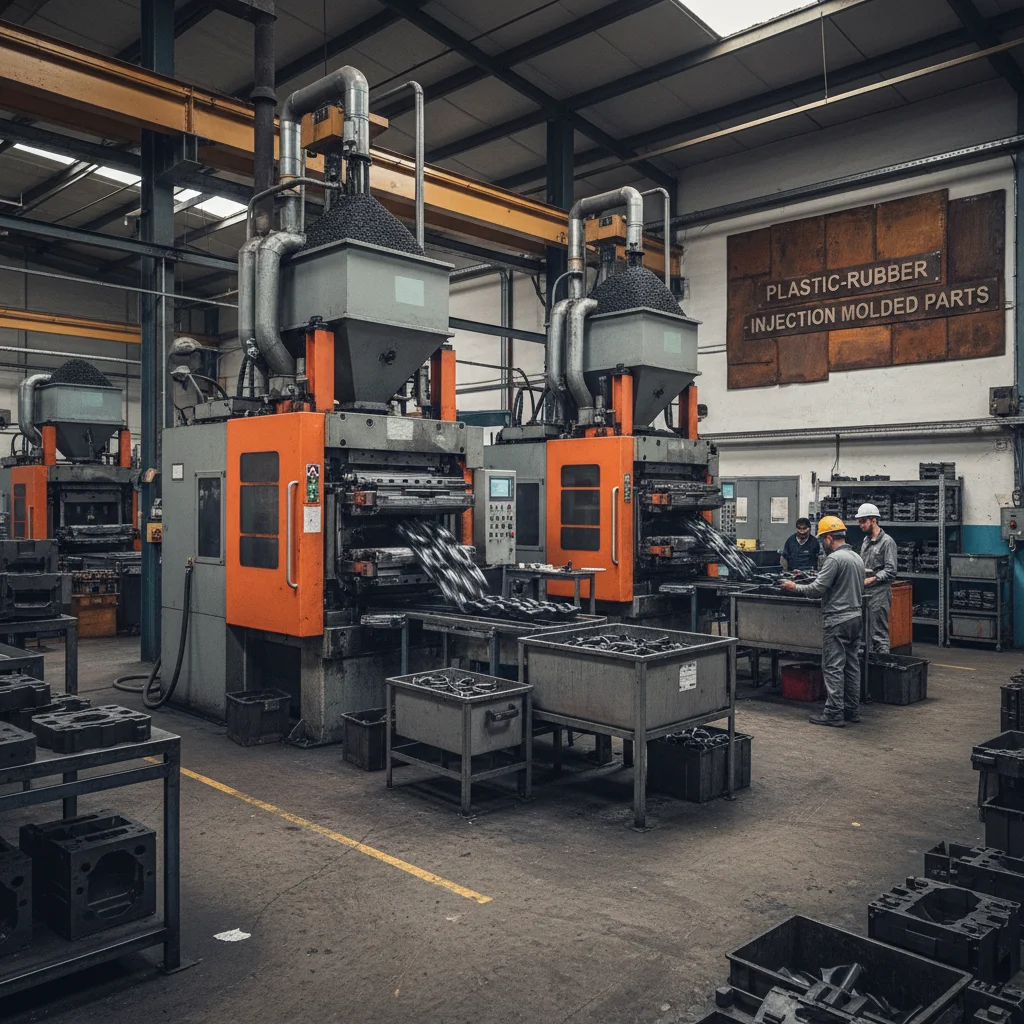
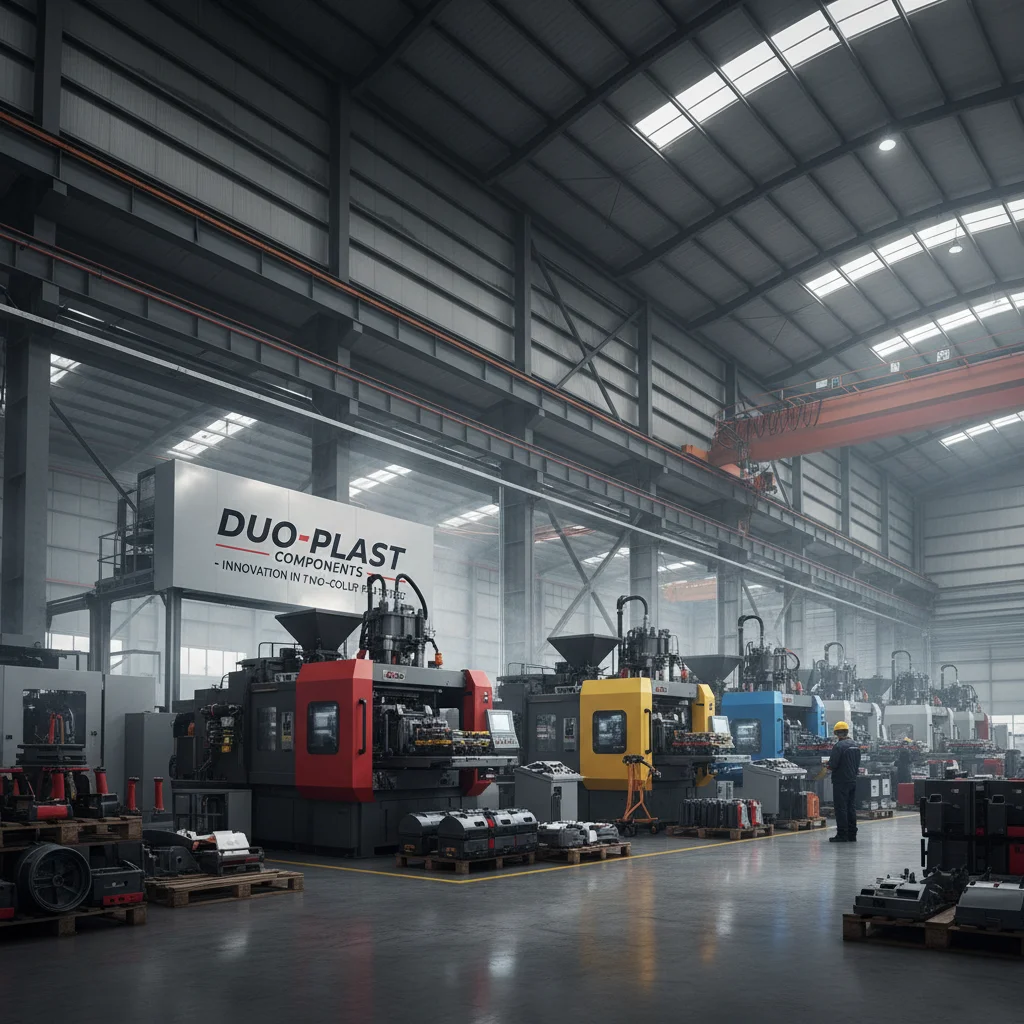
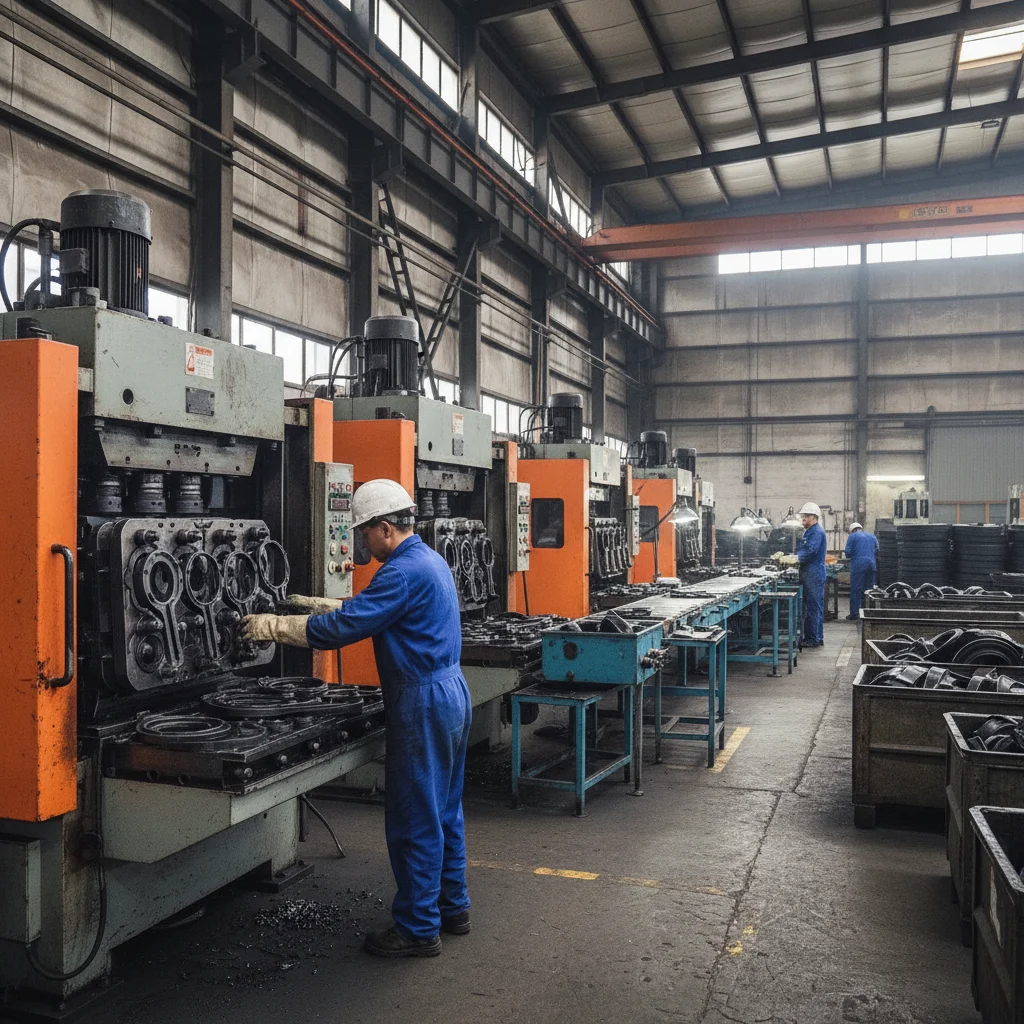
Fully automatic injection molding professional workshop, crafted with ingenuity. Physical display, visible quality, trustworthy.
-
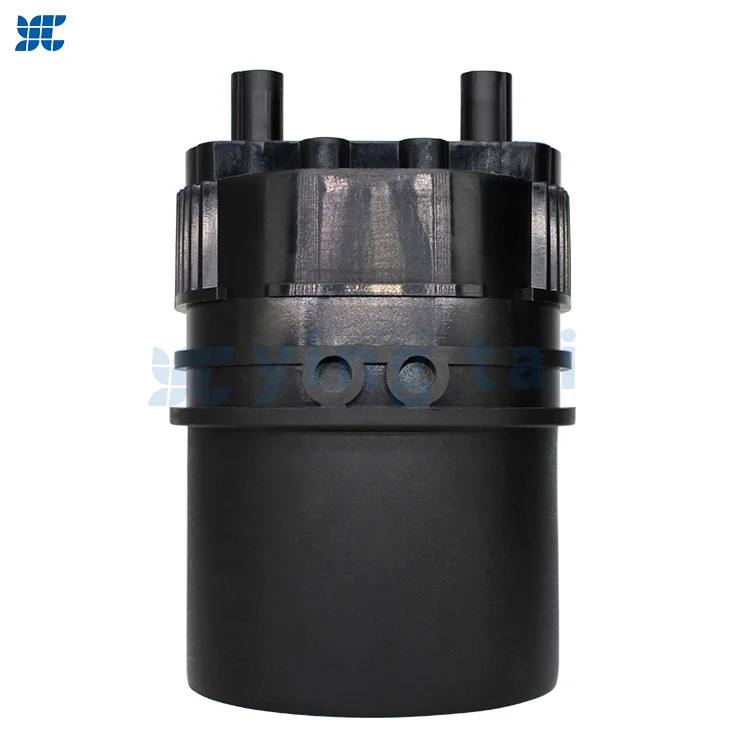
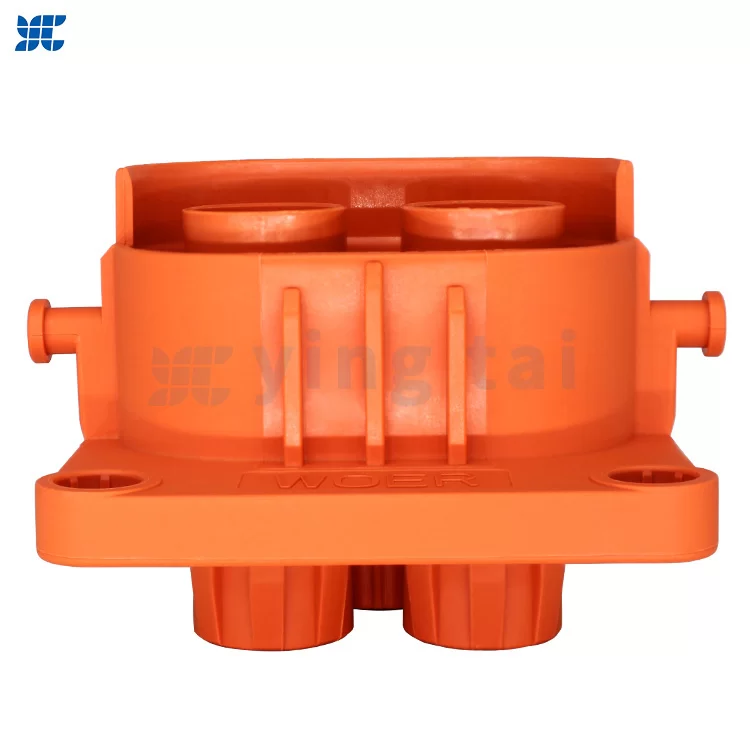
Yingtai Factory specializes in producing small plastic parts for automobiles, such as switch buttons, steering wheel buttons, interior rearview mirror adjustment rods/frames, storage box covers/buckles, cover plates, etc.
-
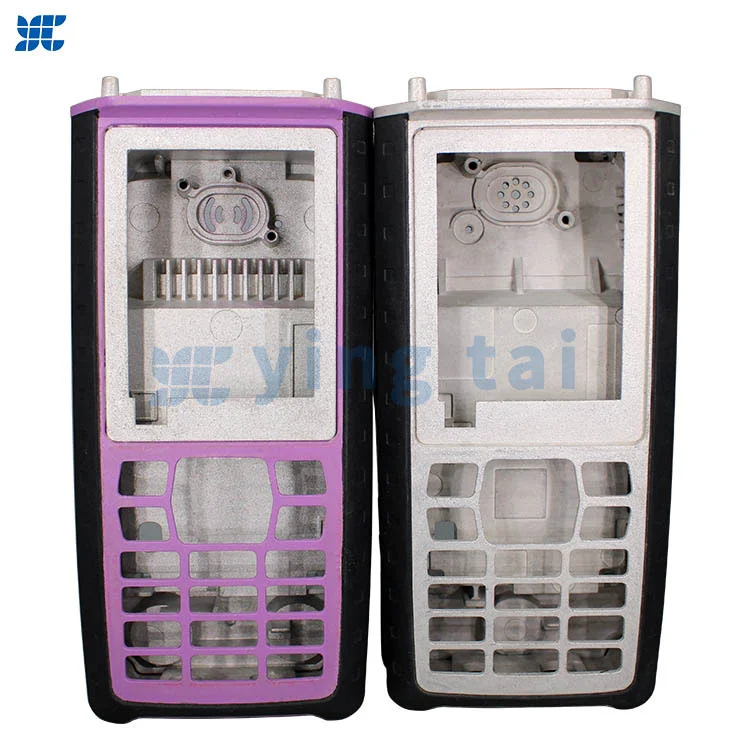
Welcome to Yingtai Factory for processing and producing liquid silicone wrapped hardware shells.