Exploring the Versatility of Two Tone Plastic Parts in Modern Manufacturing

Exploring the Versatility of Two Tone Plastic Parts in Modern Manufacturing

Exploring the Versatility of Two Tone Plastic Parts in Modern Manufacturing
Feb 25, 2026
share:

Two tone plastic parts are increasingly prevalent in modern manufacturing, offering a unique aesthetic and functional advantage across diverse industries. These parts, created through sophisticated injection molding processes, allow for the combination of different colors or materials within a single component. This versatility reduces assembly costs, enhances design possibilities, and often improves the overall product appeal. The rising demand is driven by consumer preference for visually appealing products and the efficiency gains offered to manufacturers.

Globally, the market for injection molded plastics, and specifically two tone plastic parts, is experiencing significant growth. According to recent industry reports, the global plastic injection molding market is projected to reach \$376.8 billion by 2028, exhibiting a CAGR of 4.5% during the forecast period. This growth is fueled by increased demand from automotive, healthcare, packaging, and consumer goods sectors. The trend towards lightweighting in automotive applications, for instance, is driving the adoption of plastic components, many of which benefit from two-tone designs.

The ability to create complex geometries and integrate multiple functionalities into a single part makes two tone plastic parts a critical element in addressing challenges related to product design, cost optimization, and manufacturing efficiency. They aren't just about aesthetics; they’re about streamlining production and creating superior products. You can learn more about advanced plastic manufacturing techniques at Two tone plastic parts.
Two tone plastic parts

The Significance of Two Tone Plastic Parts
Two tone plastic parts

The use of two tone plastic parts is increasingly significant as manufacturers seek to differentiate their products in a competitive market. Beyond aesthetics, the process often simplifies assembly, reducing labor costs and potential failure points. The combination of colors and materials allows for functional marking and branding directly onto the component, eliminating the need for secondary operations like painting or labeling.

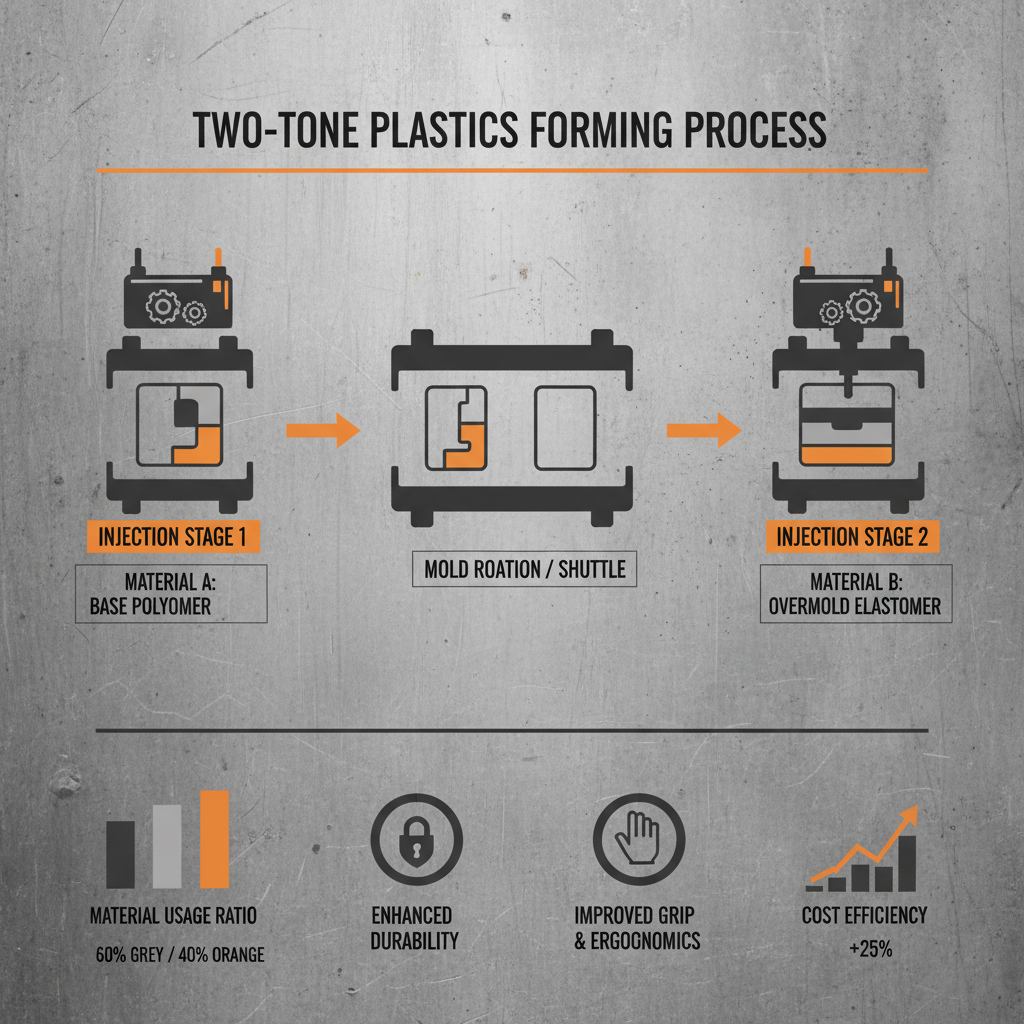
This approach also opens doors for incorporating different material properties within a single part – for example, a rigid core with a softer, more flexible overmold. This is particularly useful in applications requiring both durability and user comfort. Companies like Two tone plastic parts specialize in optimizing these manufacturing processes for peak efficiency.

Global Relevance and Industry Context

The demand for two tone plastic parts is intrinsically linked to the growth of the global manufacturing sector, particularly in Asia-Pacific, where a significant portion of plastic injection molding takes place. Countries like China, Vietnam, and India are key production hubs, driven by lower labor costs and increasing investments in advanced manufacturing technologies. The automotive industry is a major consumer, utilizing these parts for interior components, exterior trim, and functional elements.

The healthcare sector also relies heavily on two tone plastic parts for medical devices, housings, and packaging, demanding stringent quality control and adherence to regulatory standards. The packaging industry benefits from the ability to create visually appealing and functional packaging solutions that enhance brand recognition and product protection. A report by the World Bank highlights the increasing contribution of manufacturing to developing economies, further solidifying the demand for efficient and cost-effective production methods like two tone molding.

However, a critical challenge remains in ensuring sustainable practices throughout the plastic supply chain. Concerns about plastic waste and environmental impact are driving innovation in bio-based plastics and recycling technologies, which will likely influence the future of two tone plastic parts manufacturing.

Defining Two Tone Plastic Parts

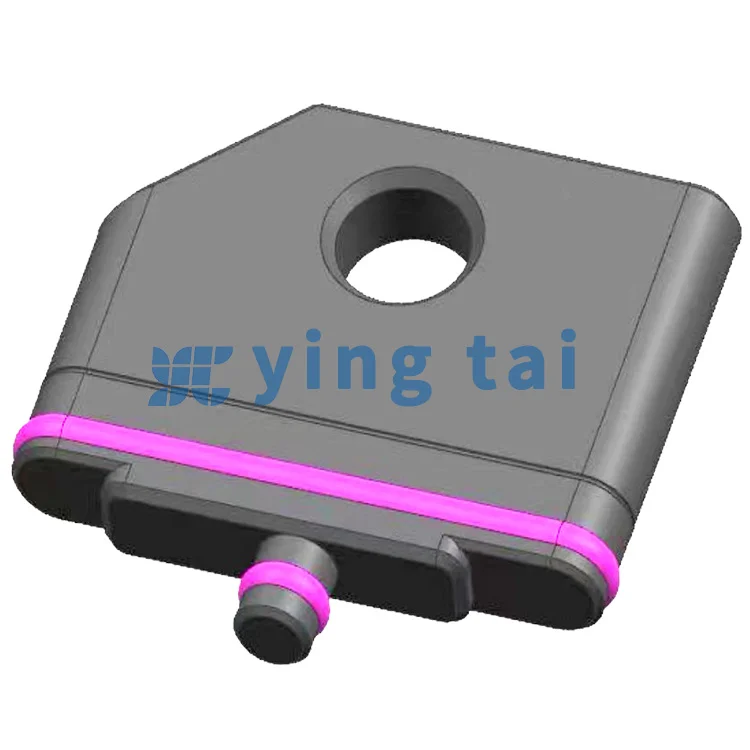
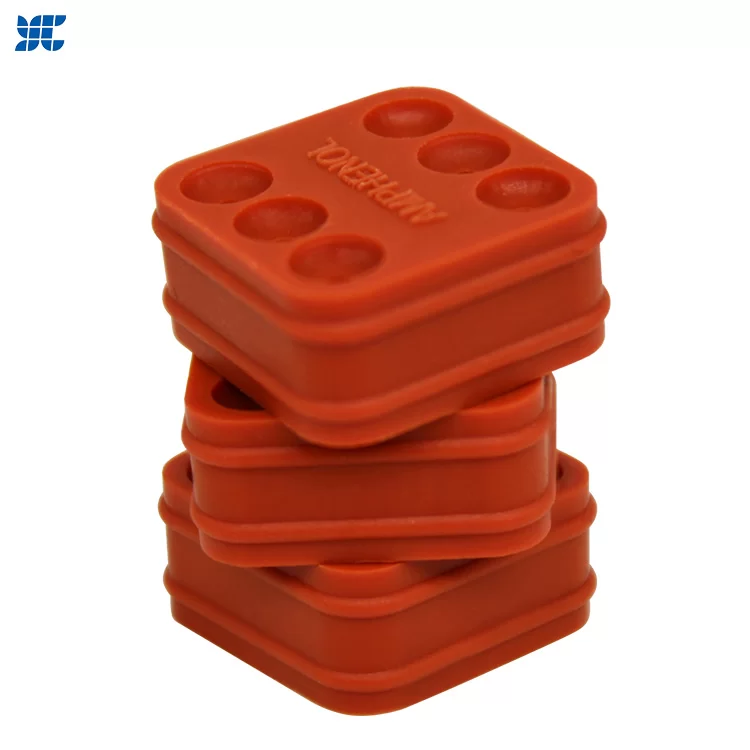
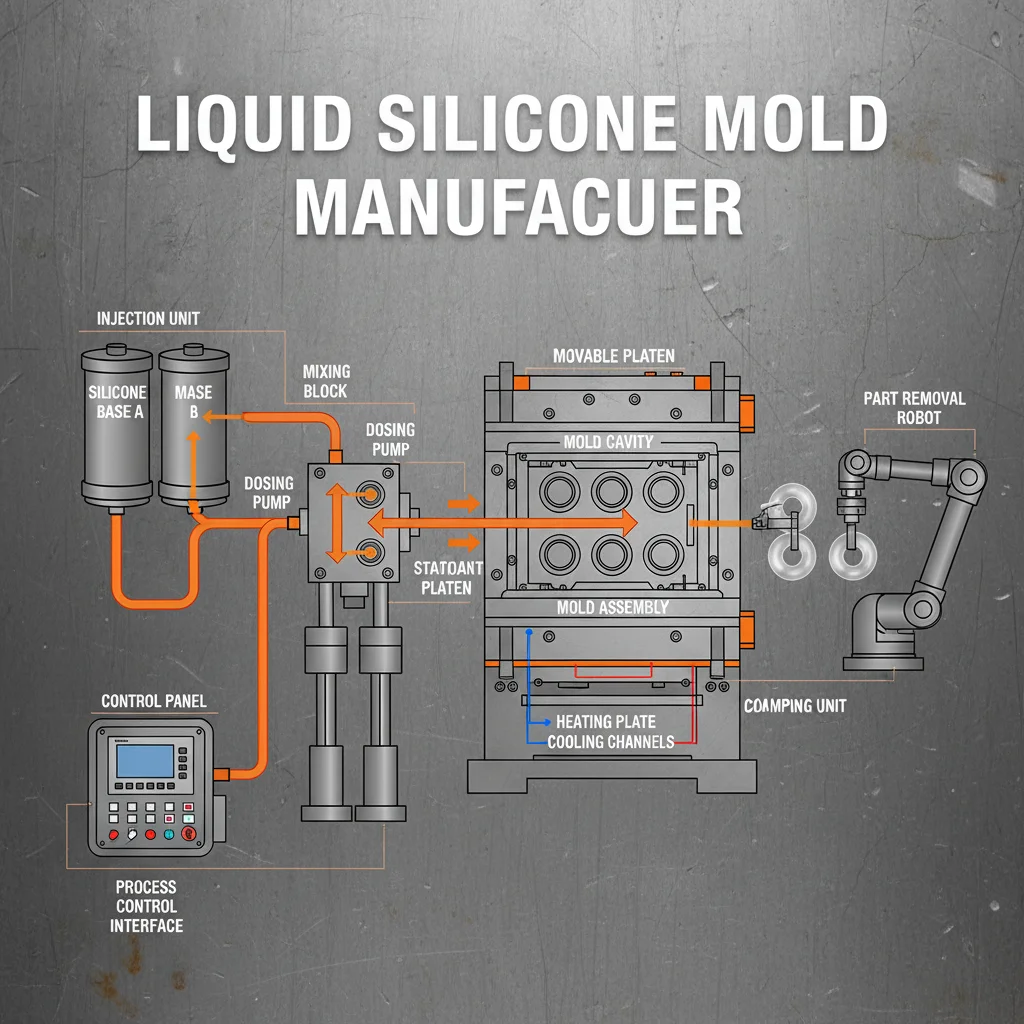
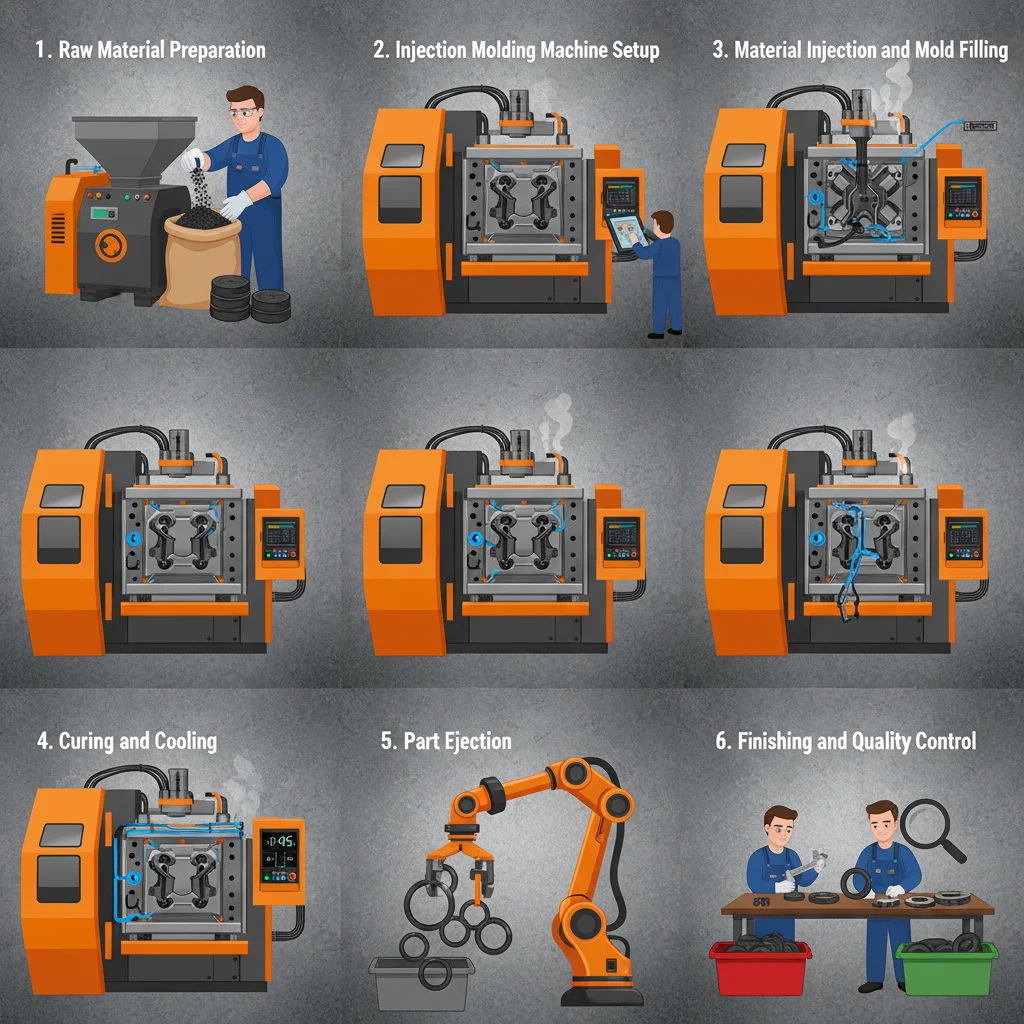
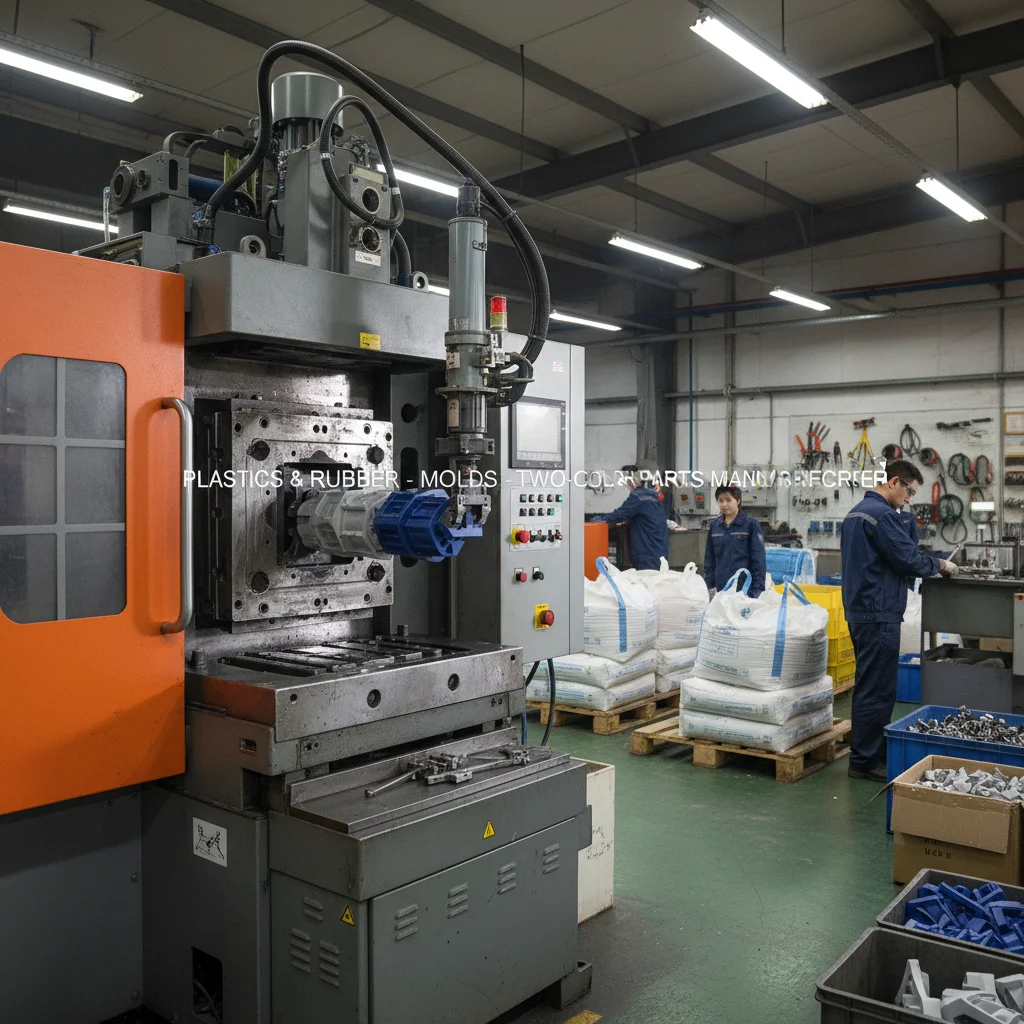
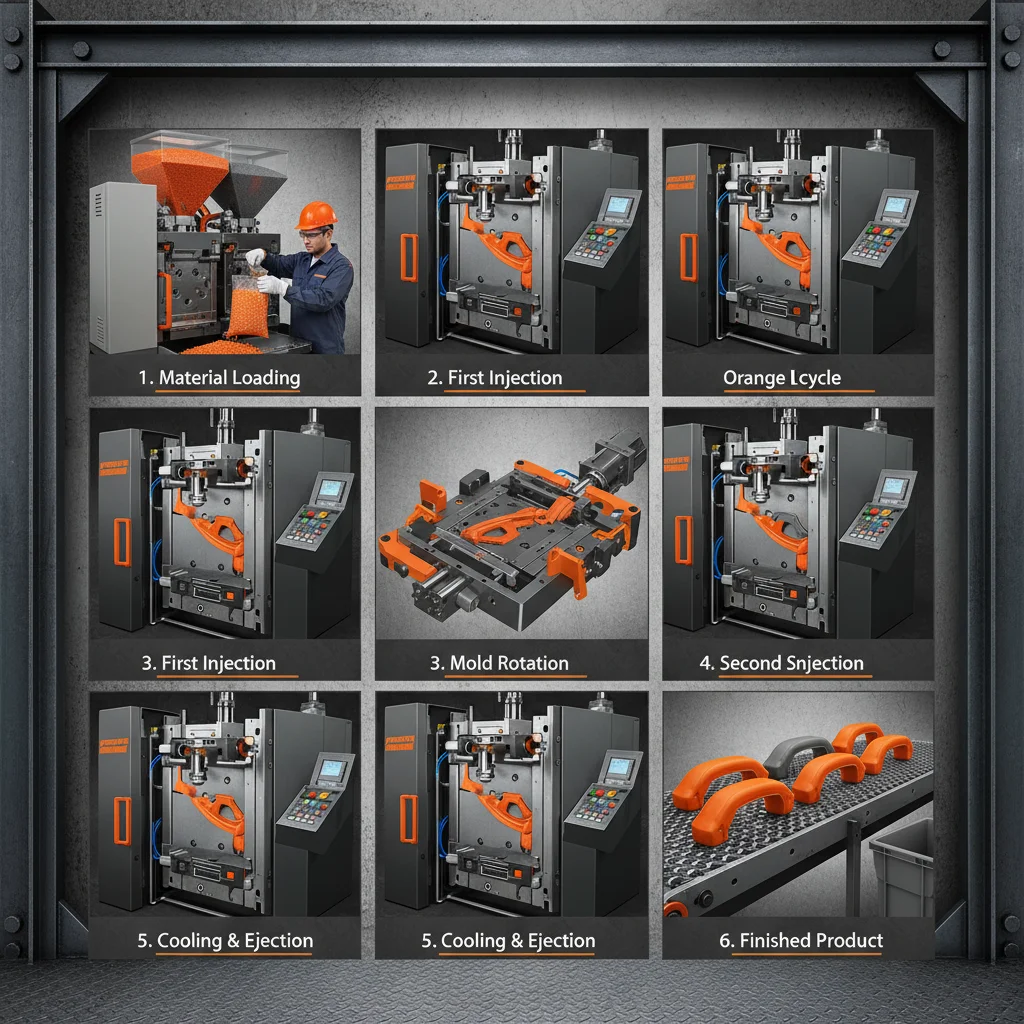
Two tone plastic parts are injection molded components featuring at least two different colors or materials within the same finished product. This is achieved through a process typically involving a rotary injection molding machine, which sequentially injects different molten plastics into a mold. The complexity can range from simple two-color designs to intricate combinations of materials with varying properties.

Unlike simply painting or applying labels, two tone molding creates a permanent, integrated color change or material combination. This is crucial for applications where durability and aesthetic longevity are paramount. The process requires precise control of injection parameters, mold design, and material compatibility to ensure a seamless and high-quality finish. This ensures that the appearance remains vibrant and intact throughout the product's lifecycle.

The connection to modern industry and humanitarian needs stems from the efficiency and versatility it offers. For instance, in medical devices, different materials can be combined to provide both structural integrity and biocompatibility. In consumer products, two tone molding enables creative designs and reduces assembly time, ultimately lowering production costs.

Core Components of Effective Manufacturing

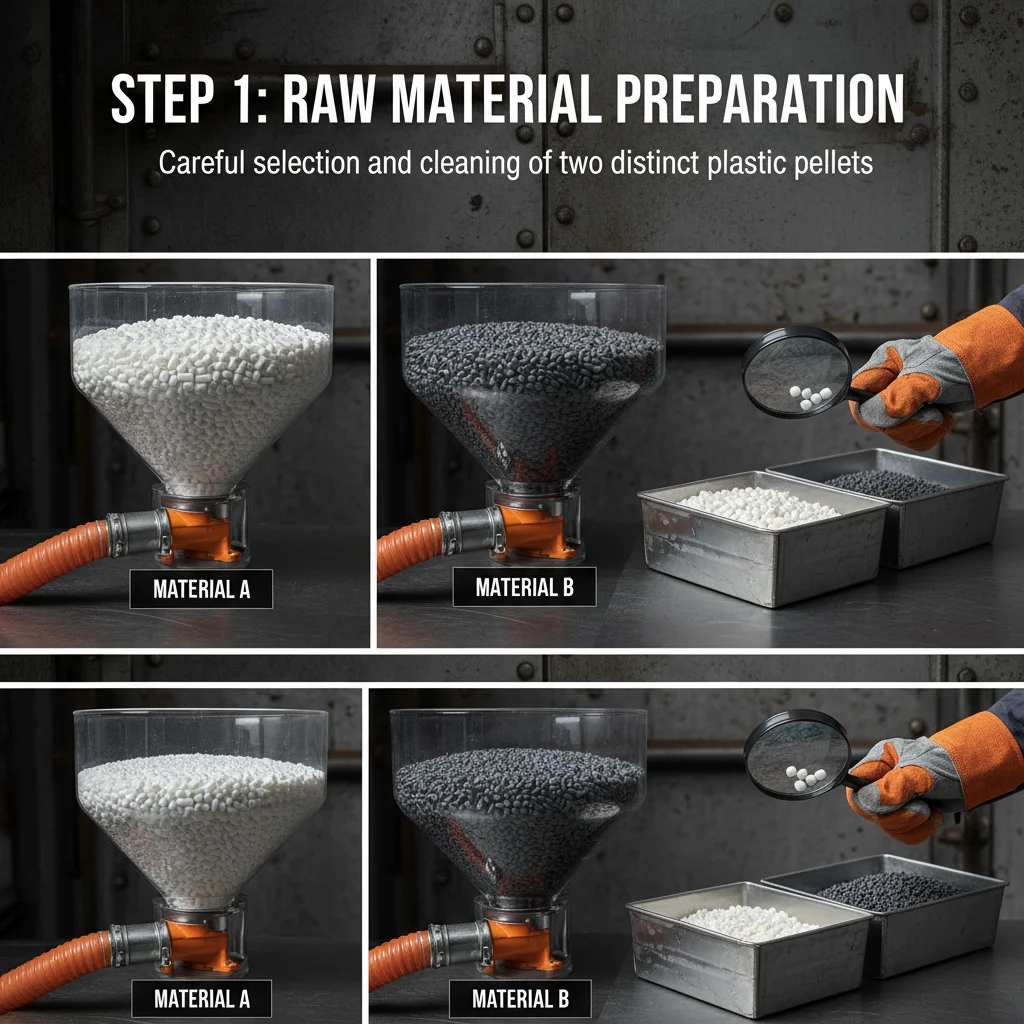
Successful two tone plastic parts manufacturing relies on several key components. Firstly, precise mold design is paramount. The mold must be engineered to accurately position the injection gates and runners for each material, ensuring a clean and consistent color break. Secondly, material compatibility is critical; the materials used must adhere to each other and have similar shrinkage rates to prevent warping or stress cracking.

Thirdly, injection molding machine precision is essential. The machine must be capable of accurately controlling injection speed, pressure, and temperature for each material. Fourthly, quality control measures must be implemented throughout the process, from raw material inspection to final product testing. Finally, skilled technicians with a deep understanding of the process are needed to troubleshoot issues and optimize production parameters.

Two Tone Plastic Parts Production Efficiency Metrics

Real-World Applications & Industries Served

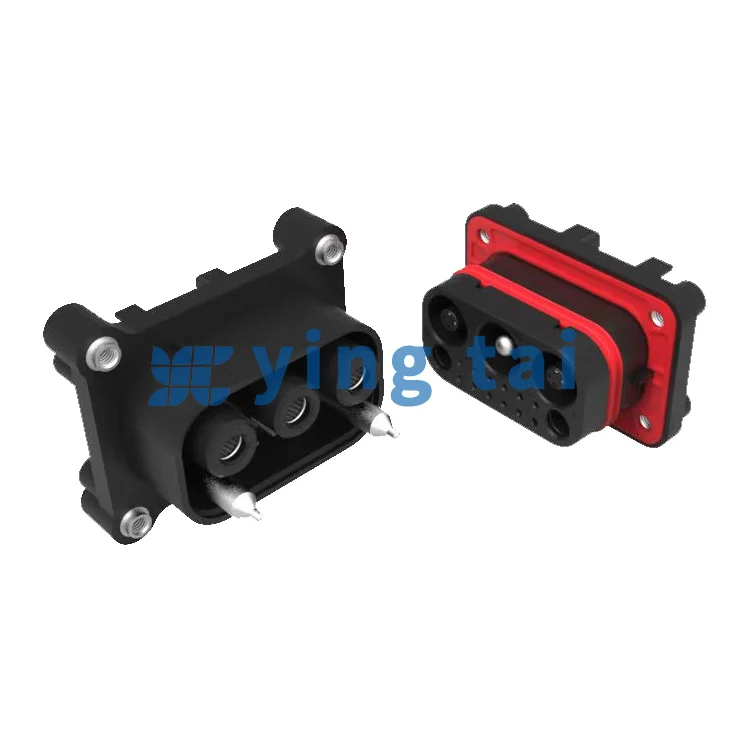
Two tone plastic parts are found extensively in the automotive industry, where they are used for dashboard components, door panels, and steering wheel grips. These parts not only enhance the aesthetic appeal of the vehicle interior but also provide a comfortable and tactile experience for the driver and passengers. The consumer electronics sector utilizes them in mobile phone casings, remote controls, and other housings, prioritizing both visual design and functional ergonomics.

In the medical device industry, two tone molding is employed for syringes, handles for surgical instruments, and housings for diagnostic equipment, requiring high precision and biocompatible materials. Packaging companies leverage the technology for creating branded containers and closures, enhancing shelf appeal and brand recognition. In post-disaster relief operations, durable and easily identifiable two tone plastic parts are incorporated into temporary shelters and water containers.

Advantages & Long-Term Value Proposition

The advantages of two tone plastic parts extend beyond mere aesthetics. Cost savings are a primary benefit, as the process often eliminates the need for separate assembly operations, reducing labor costs and minimizing potential quality issues. Enhanced product design is another key advantage, allowing for greater creativity and differentiation in a competitive market. Increased durability is achieved through the integration of different materials with varying properties.

The long-term value proposition lies in the increased reliability and longevity of the finished product. By eliminating secondary operations like painting or labeling, the risk of scratching or fading is reduced. This translates to a higher perceived value for the consumer and a stronger brand reputation for the manufacturer. The innovation also fosters trust and a commitment to quality.

Future Trends and Innovations in Two Tone Parts

The future of two tone plastic parts manufacturing is closely tied to advancements in materials science and automation. The development of new, high-performance polymers with improved colorability and compatibility will enable more complex and sophisticated designs. Automated inspection systems utilizing AI and machine vision will enhance quality control and reduce production defects.

Sustainability is another driving force, with increasing research into bio-based plastics and recycling technologies. Digital transformation and the adoption of Industry 4.0 principles will optimize production processes and improve data-driven decision-making. The integration of these trends will position two tone plastic parts as a key enabler of sustainable and innovative manufacturing solutions.

FAQS

What are the primary cost factors when considering two tone plastic part production?

The main cost drivers for two tone plastic parts include mold design and fabrication, material costs (which vary depending on the type of plastic used), cycle time, and the complexity of the part geometry. More intricate designs and tighter tolerances will increase mold costs. The price of the materials themselves, especially engineering-grade plastics, can also significantly impact overall cost. Optimizing the part design for manufacturability and minimizing cycle time are crucial for reducing costs.

What materials are commonly used in two tone plastic injection molding?

Commonly used materials include Polypropylene (PP), Polyethylene (PE), Acrylonitrile Butadiene Styrene (ABS), Polycarbonate (PC), and Thermoplastic Polyurethane (TPU). Material selection depends on the application requirements, such as strength, flexibility, chemical resistance, and aesthetic considerations. Ensuring compatibility between the chosen materials is vital to prevent delamination or weak bonding.

What level of design complexity is achievable with two tone molding?

Two tone molding allows for a high level of design complexity. You can create intricate patterns, logos, and functional features with precise color separation. However, the complexity does have limits. Undercuts and extremely tight tolerances may require more complex mold designs, potentially increasing costs. A thorough design review with a manufacturing engineer is recommended.

How does two tone molding compare to painting or labeling plastic parts?

Two tone molding offers superior durability and aesthetic quality compared to painting or labeling. Painted or labeled surfaces are susceptible to scratching, fading, and wear over time. Two tone molding integrates the color directly into the plastic, creating a permanent and high-quality finish. It also eliminates the need for separate assembly steps, reducing costs and improving efficiency.

What quality control measures are used to ensure consistent two tone part production?

Quality control measures include rigorous inspection of raw materials, in-process monitoring of injection molding parameters (temperature, pressure, speed), dimensional checks using calibrated instruments, and visual inspection for defects like color mismatch or surface imperfections. Statistical process control (SPC) techniques are often employed to identify and address any process variations.

What is the typical lead time for producing a two tone plastic part?

The lead time varies depending on the complexity of the part, the quantity required, and the availability of materials and mold-making resources. Typically, it takes 4-8 weeks for mold fabrication, followed by 2-4 weeks for production and delivery. Rush orders may be possible but often incur additional costs. Precise timing depends on collaboration with a reliable partner.

Conclusion

Two tone plastic parts represent a significant advancement in manufacturing technology, offering a compelling combination of aesthetic appeal, functional benefits, and cost efficiency. From automotive interiors to medical devices, these parts are enabling innovative designs and improving product performance across a wide range of industries. The ability to integrate multiple materials and colors into a single component streamlines production and reduces reliance on secondary operations.

Looking ahead, continued innovation in materials science, automation, and sustainability will further enhance the capabilities of two tone molding. Manufacturers who embrace these advancements will be well-positioned to meet the evolving demands of the market and deliver superior products to their customers. For expert guidance and cutting-edge solutions in two tone plastic parts manufacturing, visit our website: www.ytlsrmold.com.