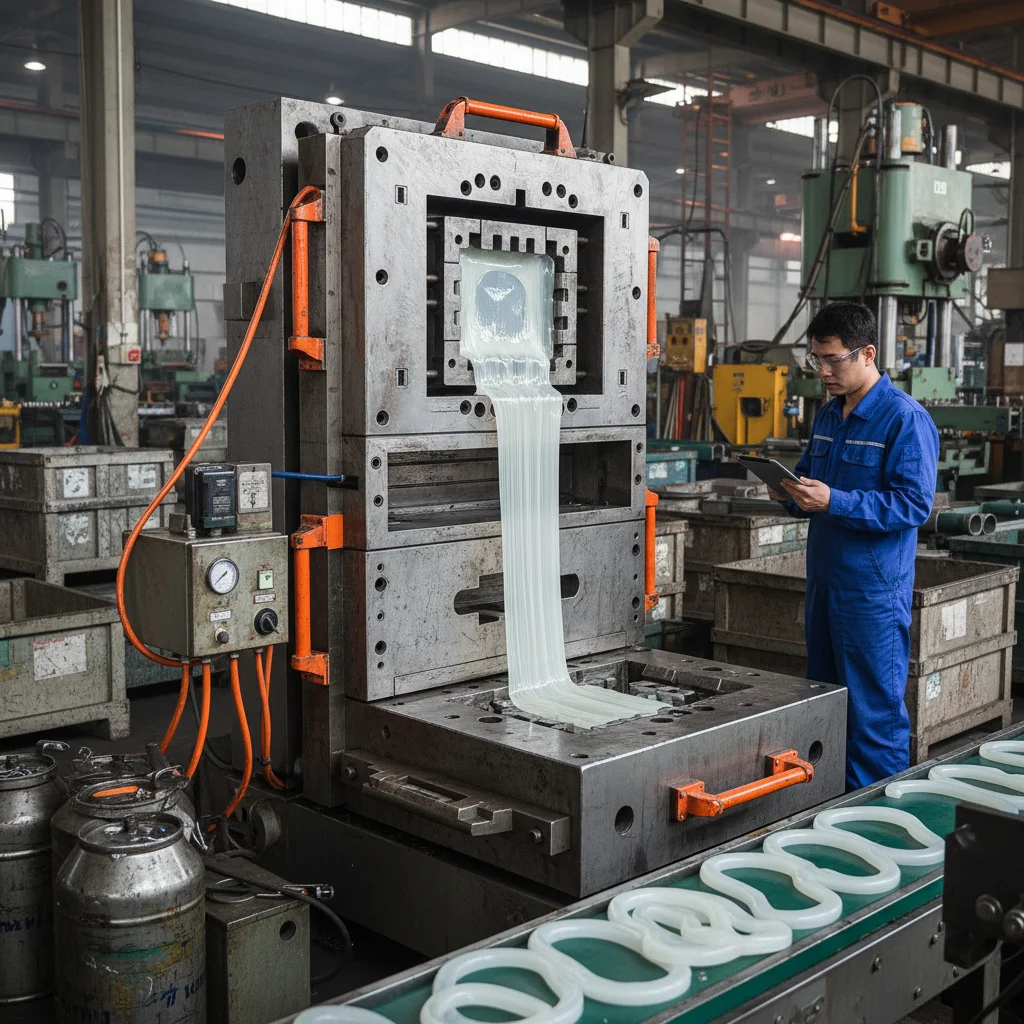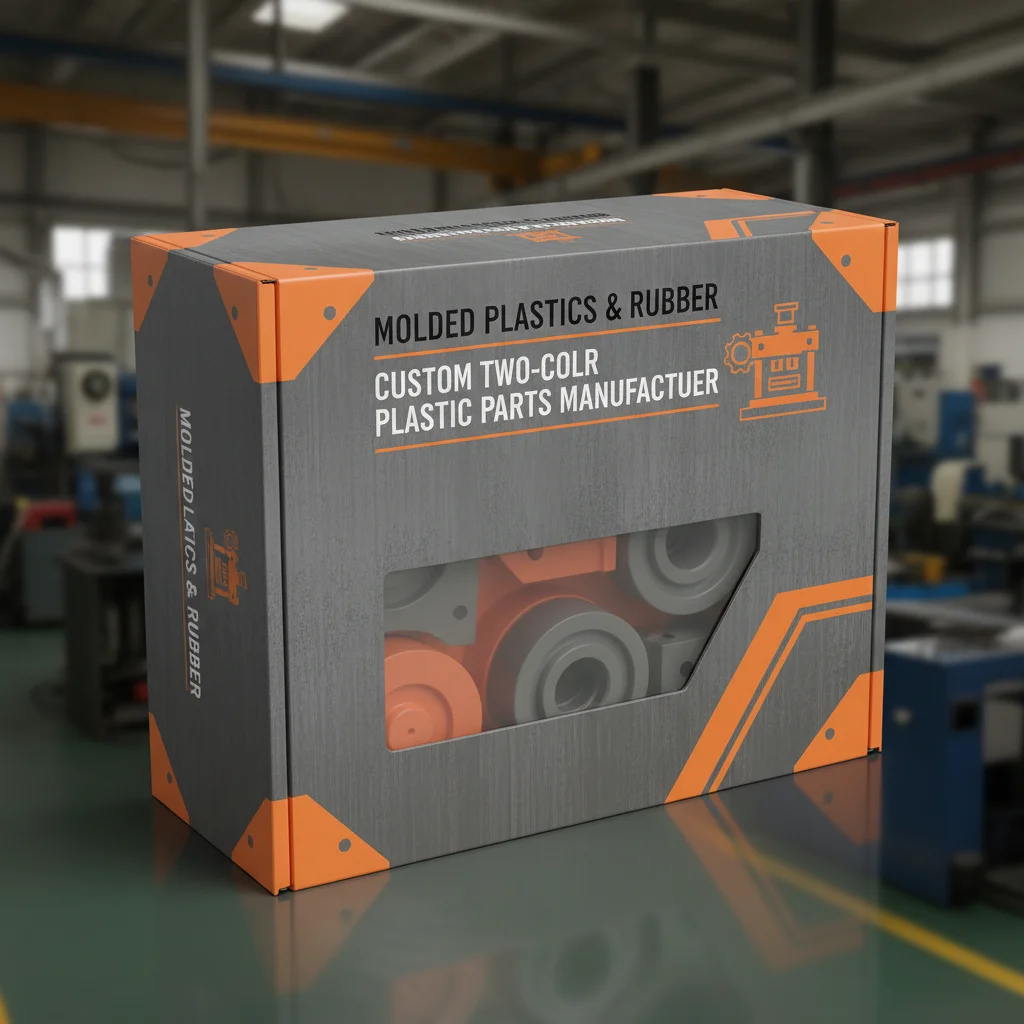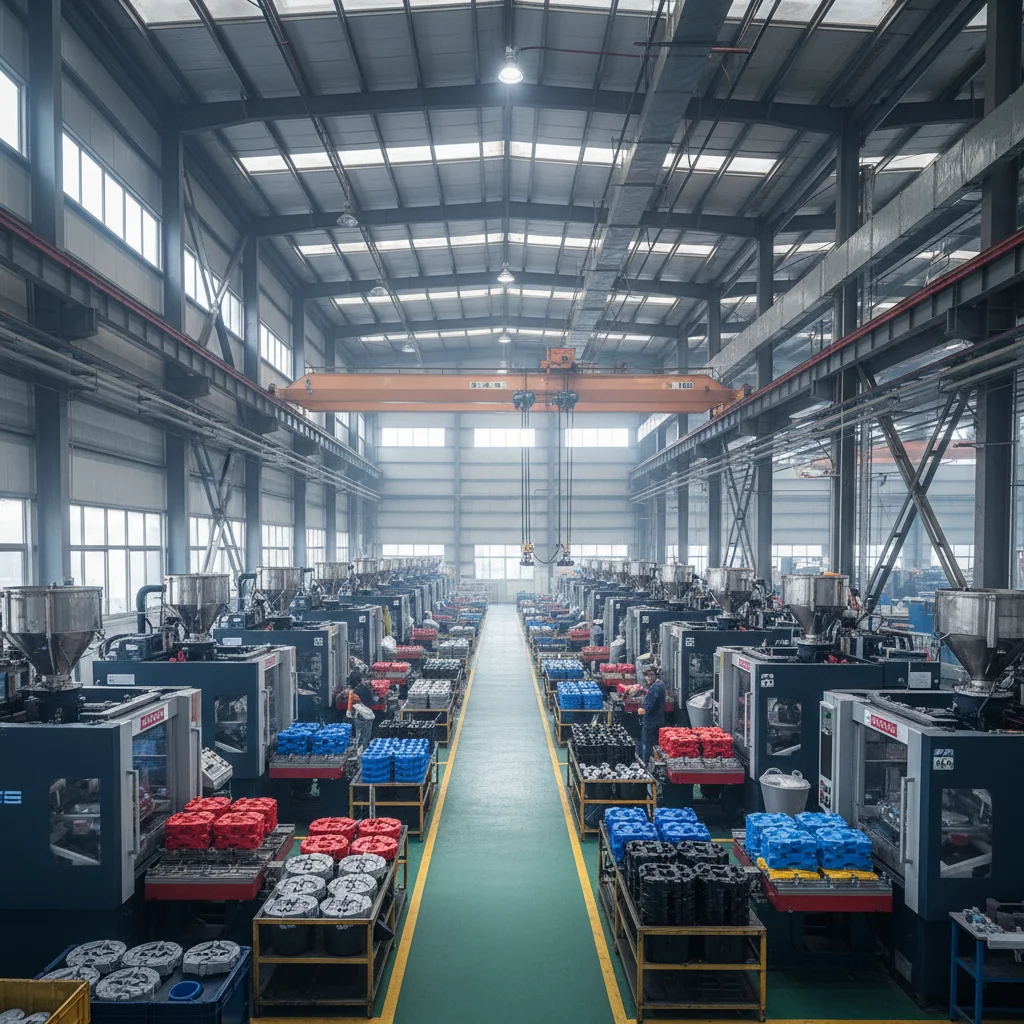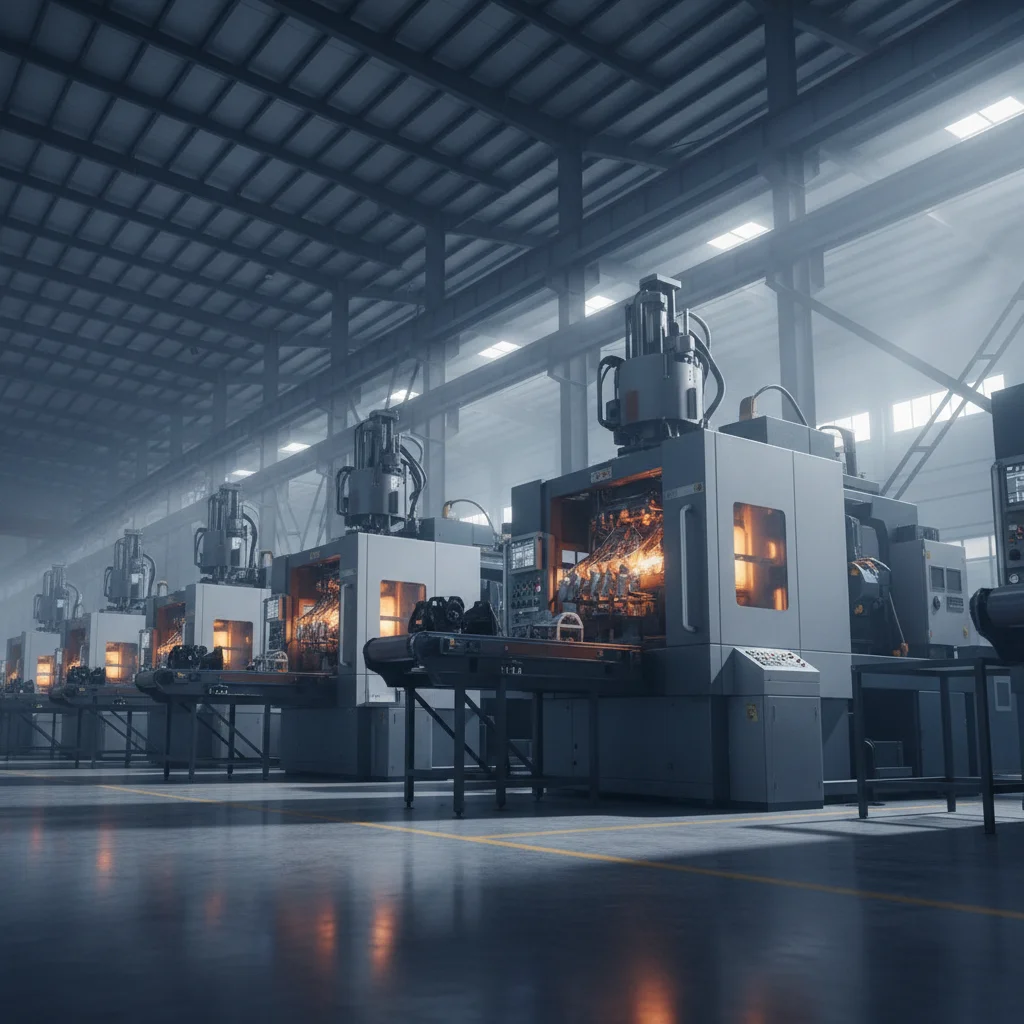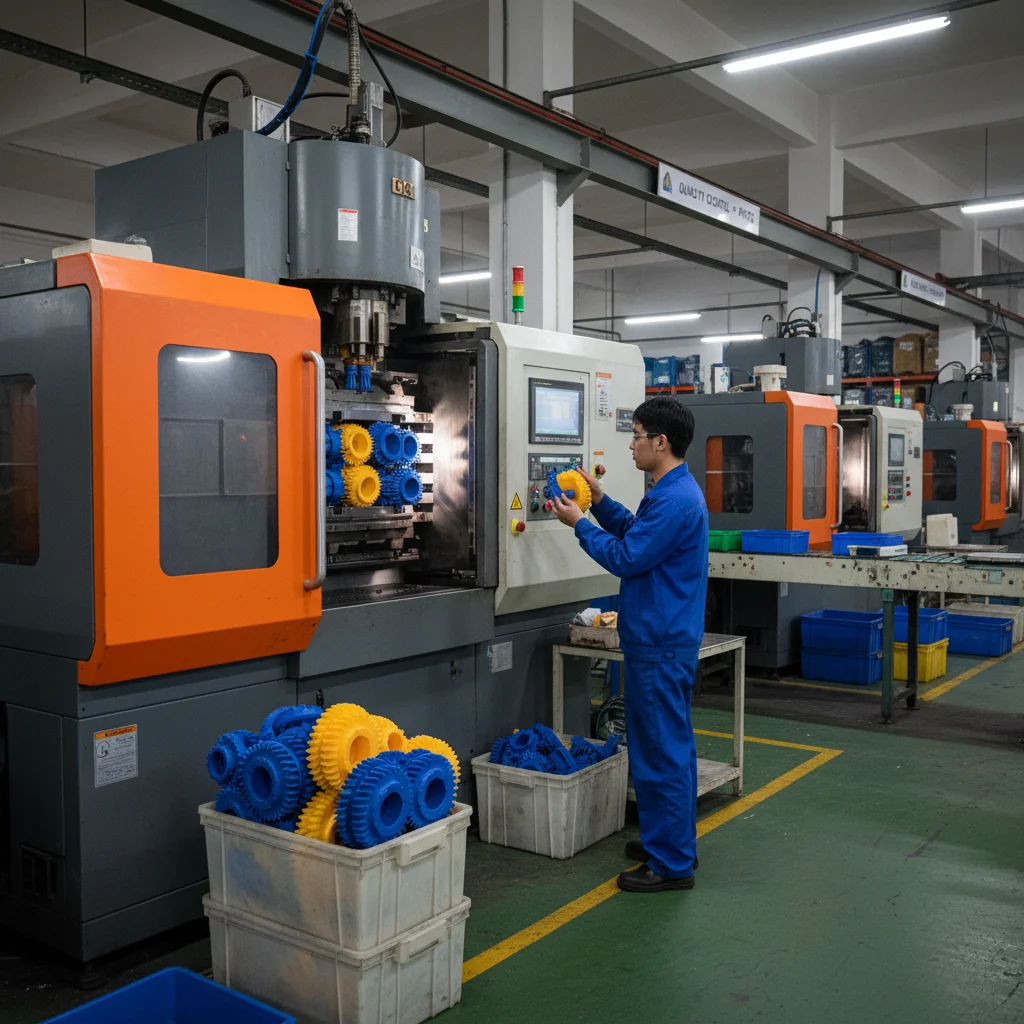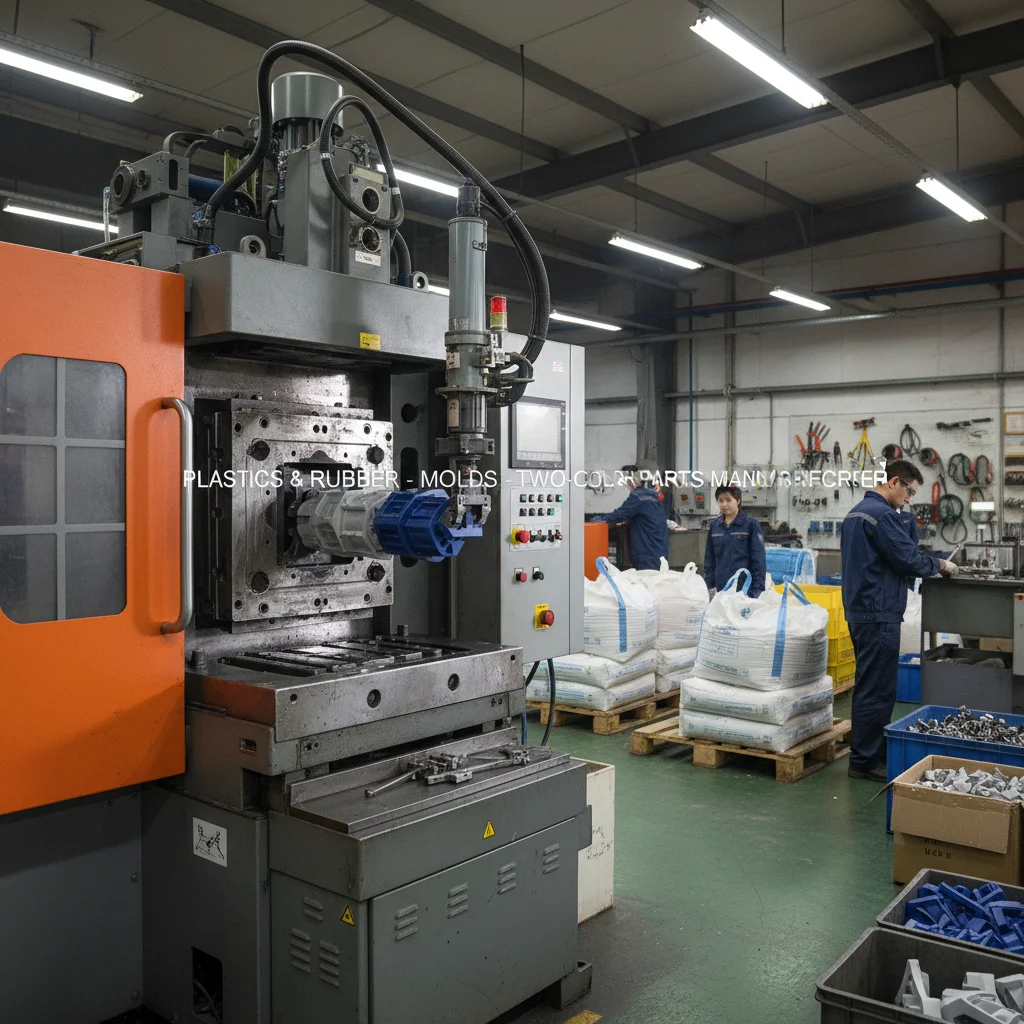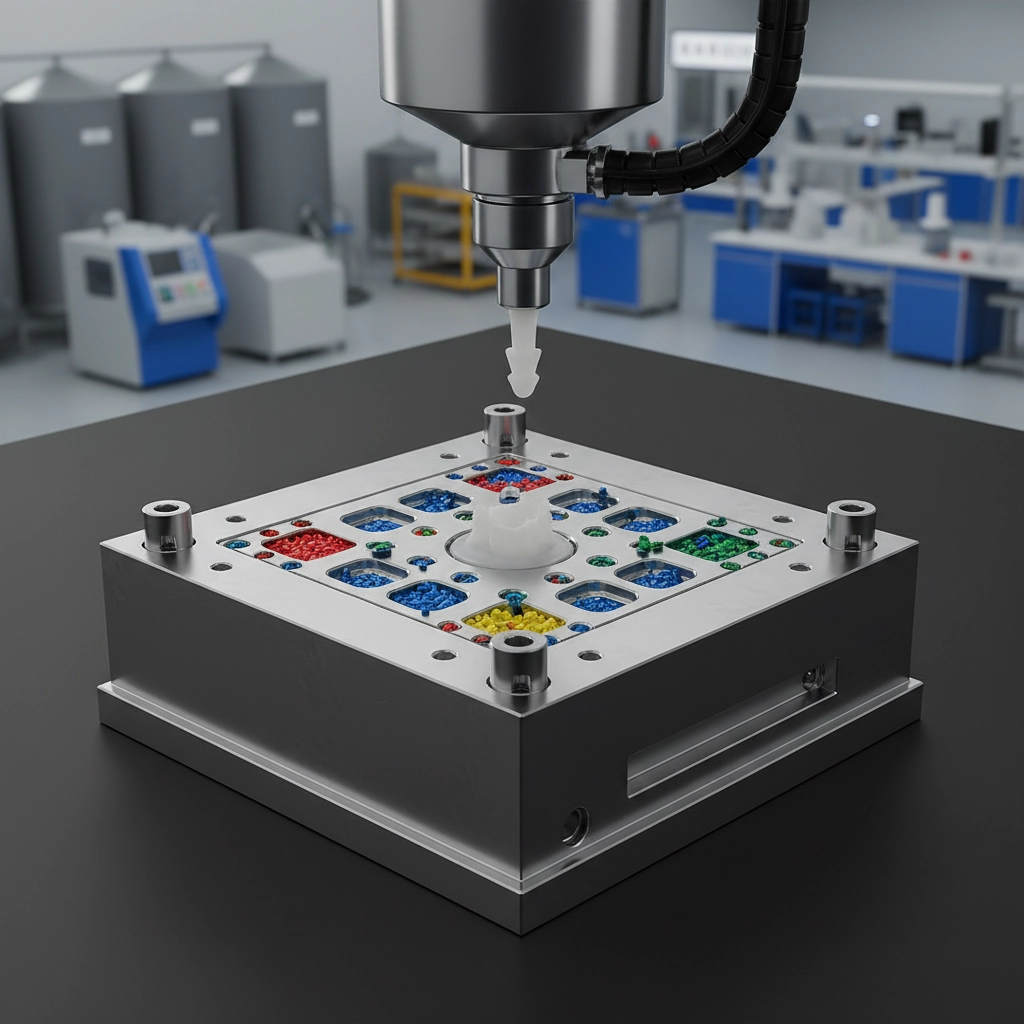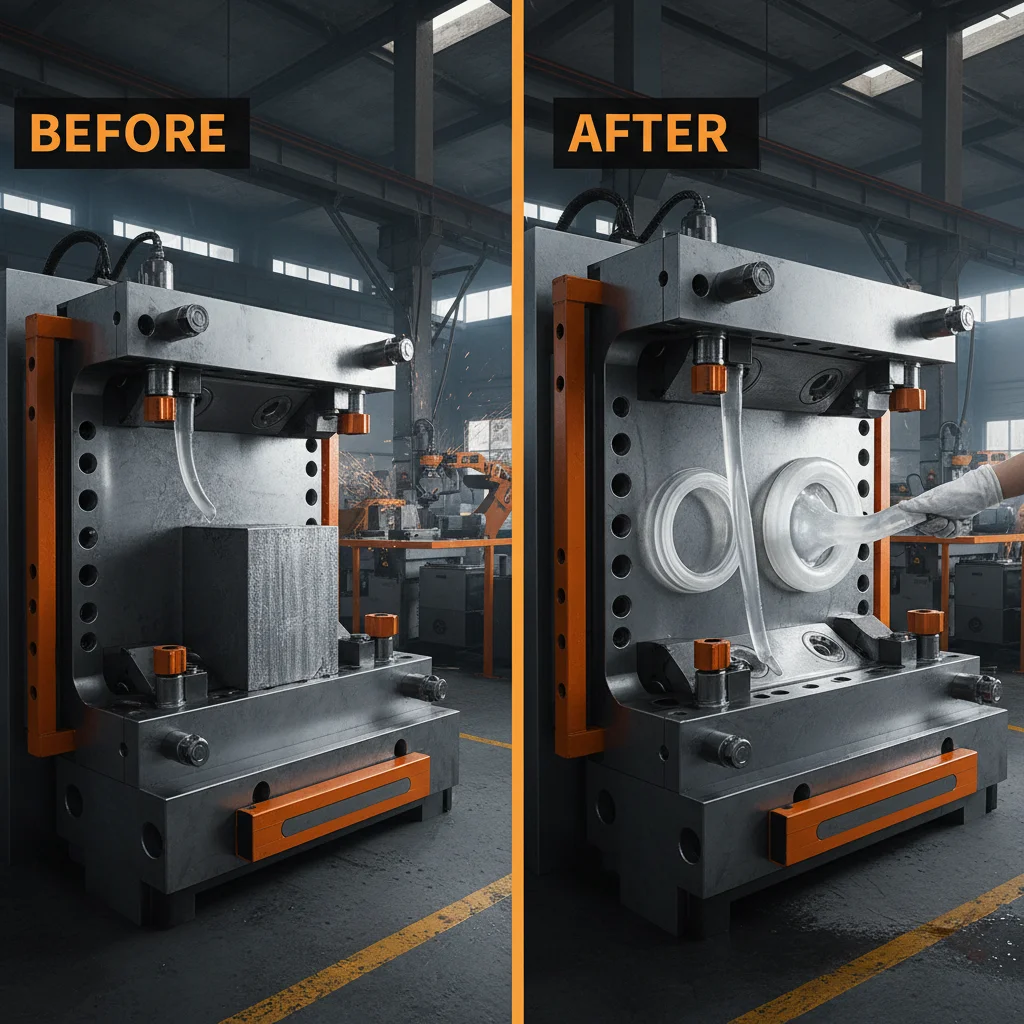
Customized processing of two-color plastic parts is rapidly becoming a cornerstone of modern manufacturing, offering unparalleled design freedom and functional integration. This technique allows for the creation of components with distinct colors, textures, and material properties within a single molded piece, reducing assembly costs and improving product performance. The growing demand for aesthetically pleasing and functionally complex plastic products across industries like automotive, medical devices, and consumer goods fuels the expansion of this specialized processing area.
Globally, the plastics industry is a significant economic driver, with two-color molding representing a high-value segment. The United Nations Sustainable Development Goals (SDGs) increasingly prioritize resource efficiency and reduced waste, making two-color molding – which minimizes material use and assembly steps – an attractive solution. Further, the rise of Industry 4.0 and smart manufacturing pushes for optimized processes and customized products, where customized processing of two-color plastic parts excels. Data from the World Bank shows a strong correlation between industrialization and the demand for advanced plastic processing techniques like two-color molding.
The challenge lies in achieving consistent quality, minimizing material waste, and optimizing cycle times in customized processing of two-color plastic parts. Meeting these demands requires sophisticated mold designs, advanced injection molding machines, and highly skilled technicians. Addressing this challenge leads to innovations in materials, molding techniques, and automation, contributing to a more sustainable and efficient manufacturing landscape.
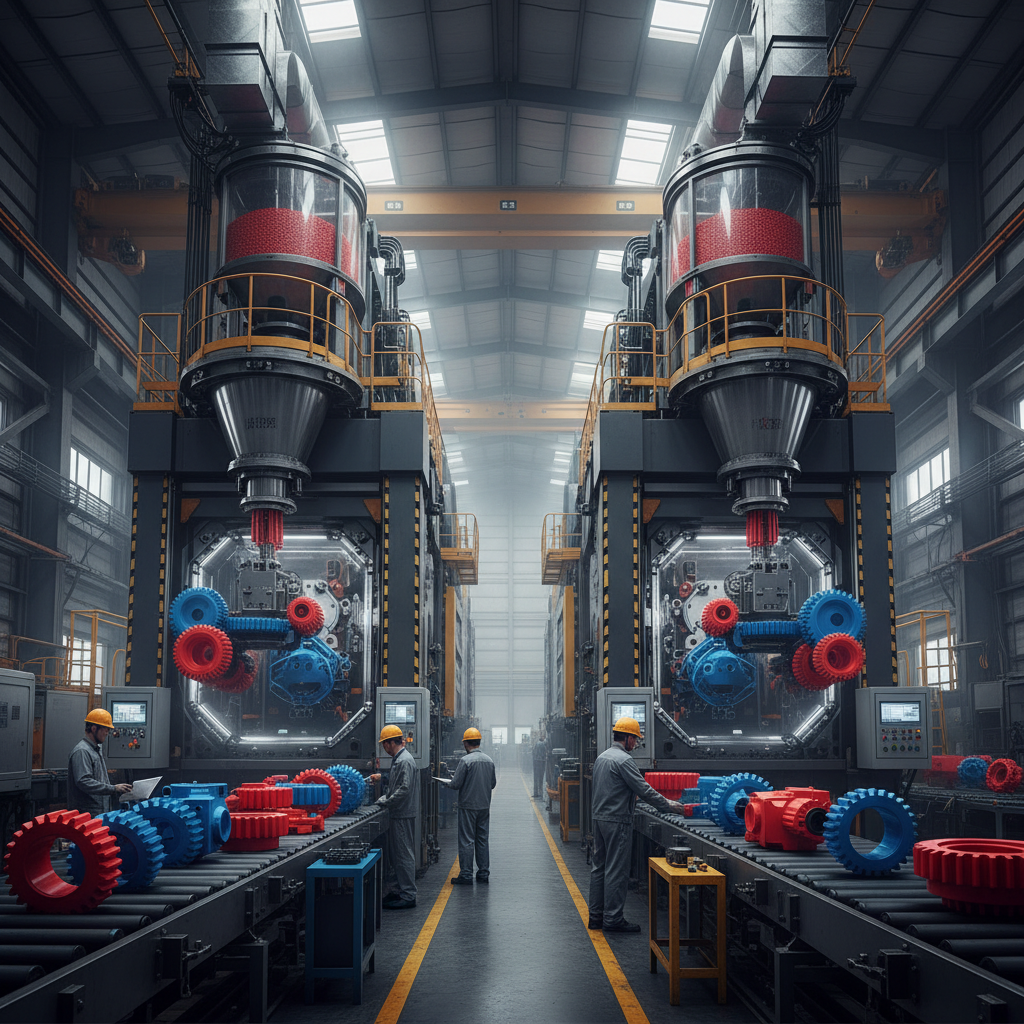
Introduction to Customized Processing of Two-Color Plastic Parts
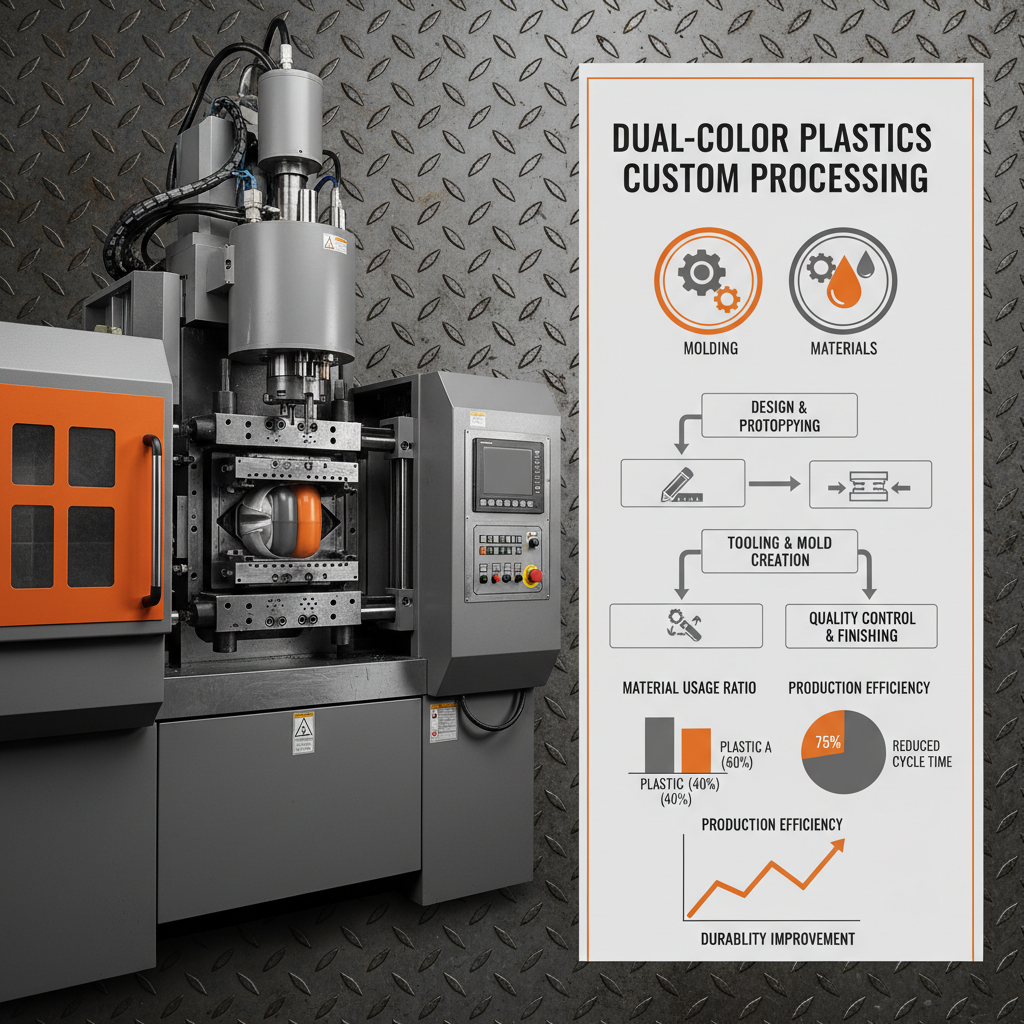
Customized processing of two-color plastic parts addresses the increasing demand for sophisticated plastic components in a variety of industries. It allows manufacturers to integrate multiple colors, materials, or functionalities into a single part, minimizing assembly requirements and improving overall product quality. This specialized technique provides significant advantages over traditional single-color molding, particularly in applications requiring ergonomic grips, seals, or visual branding.
The ability to precisely control the placement of different materials and colors opens up opportunities for innovative product designs and functional integration. This precision, combined with the efficiency gains from reduced assembly, makes customized processing of two-color plastic parts a compelling solution for companies seeking to optimize their manufacturing processes and enhance product appeal. The technology empowers designers to create complex geometries and aesthetic features that were previously difficult or impossible to achieve.
FAQS
Two-color molding offers significant advantages including reduced assembly costs, improved part strength and durability due to the seamless bonding of materials, enhanced aesthetic appeal, and a reduction in potential failure points. It eliminates the need for adhesives or mechanical fasteners, streamlining the manufacturing process and enhancing product reliability. The process is generally more efficient and cost-effective for higher production volumes.
Commonly used materials include polypropylene (PP), acrylonitrile butadiene styrene (ABS), polycarbonate (PC), thermoplastic polyurethane (TPU), and thermoplastic elastomers (TPEs). The key is material compatibility – the materials must bond well during the molding process. Soft-touch TPEs are often combined with rigid plastics like PP or ABS to create ergonomic grips or comfortable surfaces. Selection also depends on the application’s specific requirements for temperature resistance, chemical compatibility, and durability.
The lead time for creating a two-color mold can vary significantly depending on the complexity of the design, the size of the mold, and the mold maker’s capacity. Generally, it takes between 6 to 12 weeks for a complete mold build. This includes the design phase, machining, assembly, and testing. Complex geometries or tight tolerances can extend the lead time. It's crucial to engage with an experienced mold maker early in the design process to accurately estimate the lead time.
The initial investment in tooling for two-color molding is generally higher than for single-color molding due to the increased complexity of the mold. However, the overall cost per part can be lower because of reduced assembly costs and improved production efficiency. For higher production volumes, the cost savings from eliminating secondary operations often outweigh the higher tooling cost. A thorough cost analysis should be conducted to determine the most economical option.
Common defects include poor adhesion between materials, weld lines, sink marks, and dimensional inaccuracies. These can be avoided through careful mold design, material selection, precise process control, and proper venting. Implementing quality control measures throughout the molding cycle, such as regular inspection and monitoring of key parameters, is essential. Regular mold maintenance also helps to prevent defects.
While there's no hard rule, two-color molding is generally most cost-effective for production volumes of at least 5,000-10,000 parts. Below this volume, the high tooling cost may not be justified. However, factors like part complexity, material costs, and labor rates can influence this threshold. A detailed cost-benefit analysis should be conducted considering the specific product and manufacturing scenario.
Conclusion
Customized processing of two-color plastic parts represents a significant advancement in plastic manufacturing, offering a compelling combination of cost-effectiveness, enhanced product quality, and design freedom. By minimizing assembly steps, improving material bonding, and enabling complex geometries, this technique empowers manufacturers to create innovative products that meet the evolving demands of a global marketplace. The technology’s adaptability across diverse industries positions it as a crucial component of modern manufacturing strategies.
Looking ahead, continued innovation in materials science, automation, and sustainable practices will further solidify the role of customized processing of two-color plastic parts. Embracing these advancements will enable manufacturers to optimize their processes, reduce their environmental impact, and deliver superior products to their customers. For more information on how we can assist with your customized two-color plastic part needs, visit our website at www.ytlsrmold.com.
-
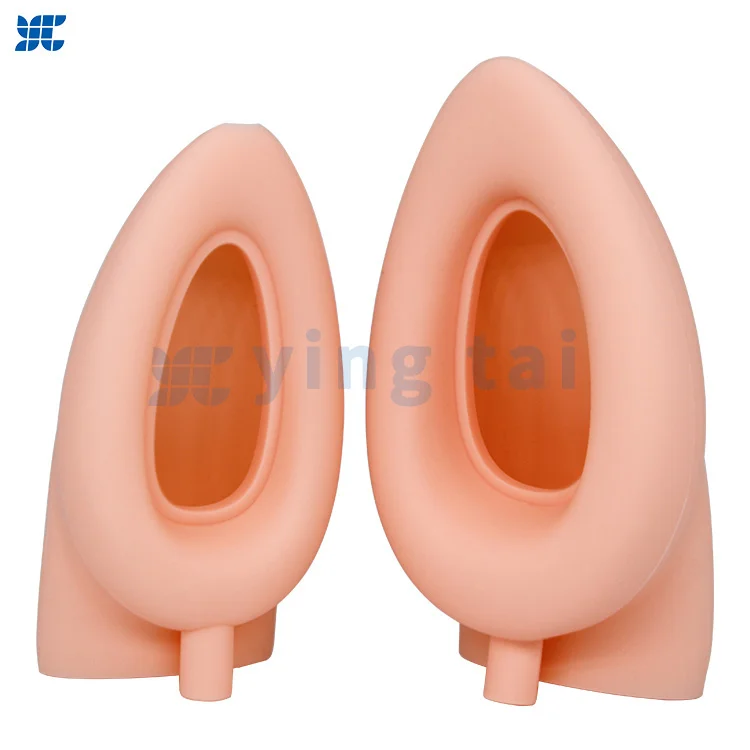
Silicone laryngeal mask, flexible and well sealed, with less stimulation, providing comfortable and safe ventilation guarantee.
-
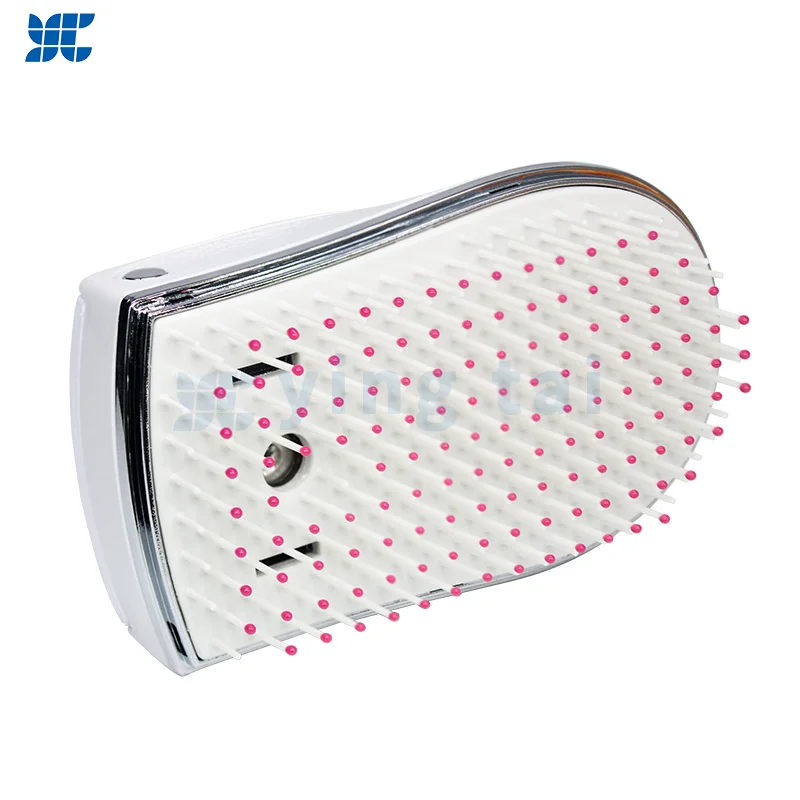
Yingtai factory can process and produce plastic/silicone parts for electronics, new energy vehicles, smart homes, and baby and children's products.
-
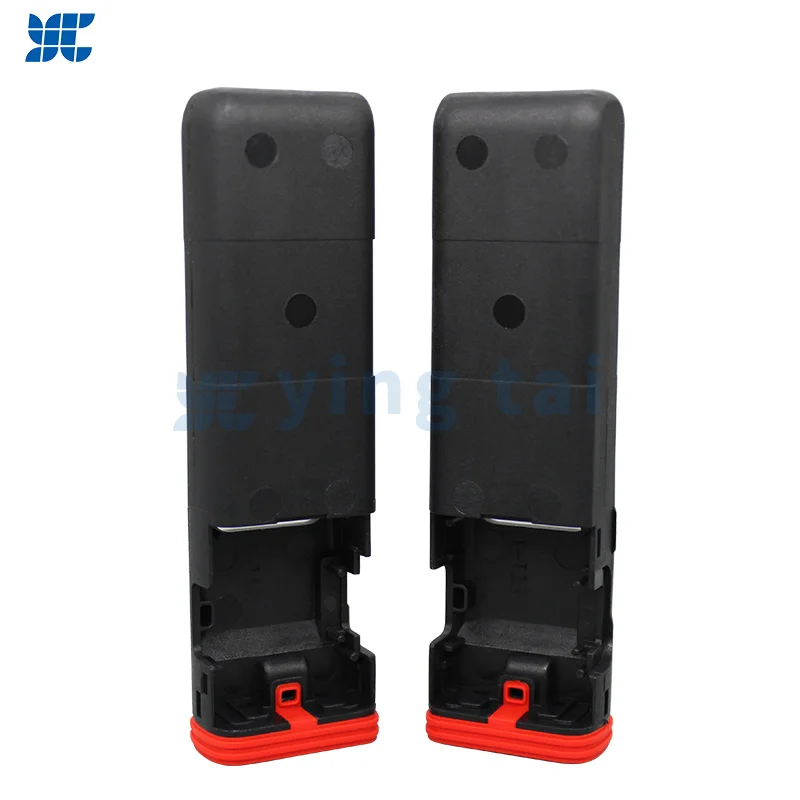
The liquid silicone sealing rings/plastic accessories produced by Yingtai Factory are widely used in various industries such as electronics and electrical appliances, industry, communication equipment, lighting fixtures, and auto parts.