Achieving micron-level precision in elastomer components requires more than just high-grade materials; it demands a sophisticated approach to tooling design and thermal management. In the realm of high-end manufacturing, the transition from traditional molding to advanced liquid silicone injection reveals a critical dependency on the quality of the tooling used.
As industries such as medical device manufacturing and wearable electronics push for smaller, more complex geometries, the demand for tighter tolerances has intensified. The challenge lies in controlling the shrinkage and flow of Liquid Silicone Rubber (LSR), which behaves differently than thermoplastic resins during the curing process.
Selecting the right Precision liquid silicone product mold is therefore not merely a procurement step, but a strategic engineering decision that dictates the consistency, lifespan, and functional reliability of the final part.


Liquid Silicone Rubber (LSR) molding has shifted from simple gasket production to the creation of complex, high-performance components. Early molds relied on basic compression techniques, but the industry has migrated toward high-precision injection systems that allow for intricate wall thicknesses and tight tolerances.
This shift is driven by the need for high consistency in mass production. Modern tooling now incorporates advanced CNC machining and EDM (Electrical Discharge Machining) to ensure that every cavity is an exact replica, reducing part-to-part variance.
The precision of a mold is not defined by a single measurement but by the synergy of several engineering factors. First, the choice of mold steel is paramount; materials with high thermal conductivity and wear resistance are required to withstand the repeated heating and cooling cycles of LSR production without distorting.
Second, the venting system must be meticulously engineered. Because liquid silicone cures rapidly, trapped air can lead to "burns" or incomplete fills. Precision venting allows gas to escape without creating flash, ensuring the structural integrity of the component remains intact.
Third, the alignment of the mold plates must be absolute. Even a few microns of misalignment can cause uneven parting lines, which is unacceptable for medical-grade or high-end consumer electronics components where aesthetic and functional seals are critical.
Unlike thermoplastic injection where the material is melted and then cooled, LSR is injected at room temperature and cured using heat. This inverse thermal process creates unique challenges for mold design, specifically regarding how heat is distributed across the cavity surface.
Uniform heat distribution is the primary determinant of dimensional stability in liquid silicone parts; any thermal gradient within the mold leads to non-uniform shrinkage and internal stress.
To mitigate this, precision molds often incorporate complex conformal cooling and heating channels. By following the contour of the part, these channels ensure that the silicone cures at a consistent rate regardless of the part's thickness, effectively eliminating warpage and ensuring the final product adheres to the specified blueprints.
Evaluating the effectiveness of a mold requires a qualitative and quantitative framework. Engineers look at the relationship between cycle time, scrap rate, and dimensional deviation. A high-performance mold optimizes the balance between fast curing (to increase throughput) and controlled cooling (to maintain precision).
When assessing various tooling strategies, the focus shifts from initial cost to the "cost per quality part." This involves analyzing how different design variables—such as gate placement and runner optimization—impact the overall yield of the production run.
In practical industrial settings, the requirements for a mold vary drastically by sector. For instance, a manufacturer of wearable health monitors needs a mold that can produce an overmolded waterproof seal with extreme consistency to prevent moisture ingress into electronic circuitry. Here, the interaction between the plastic substrate and the liquid silicone—known as LSR overmolding—requires precise timing and temperature control.
Similarly, in the production of specialized hardware, such as the Plastic package hardware screw (Model: YT-021210), the integration of plastic and hardware components necessitates a mold that can securely hold inserts while allowing the silicone or plastic to flow uniformly. With specifications like an inner diameter of 6 ± 0.5mm and a total height of 12 ± 0.5mm, the tooling must maintain these tolerances across thousands of cycles.
The industry is moving toward "intelligent tooling," where sensors are embedded directly into the mold cavity to monitor pressure and temperature in real-time. This allows for closed-loop control, where the injection machine can adjust parameters on the fly to compensate for material batch variations.
Furthermore, the adoption of additive manufacturing for mold inserts is enabling the creation of cooling channels that were previously impossible to machine. These "bio-mimetic" channels drastically reduce cycle times and improve the thermal uniformity of the curing process.
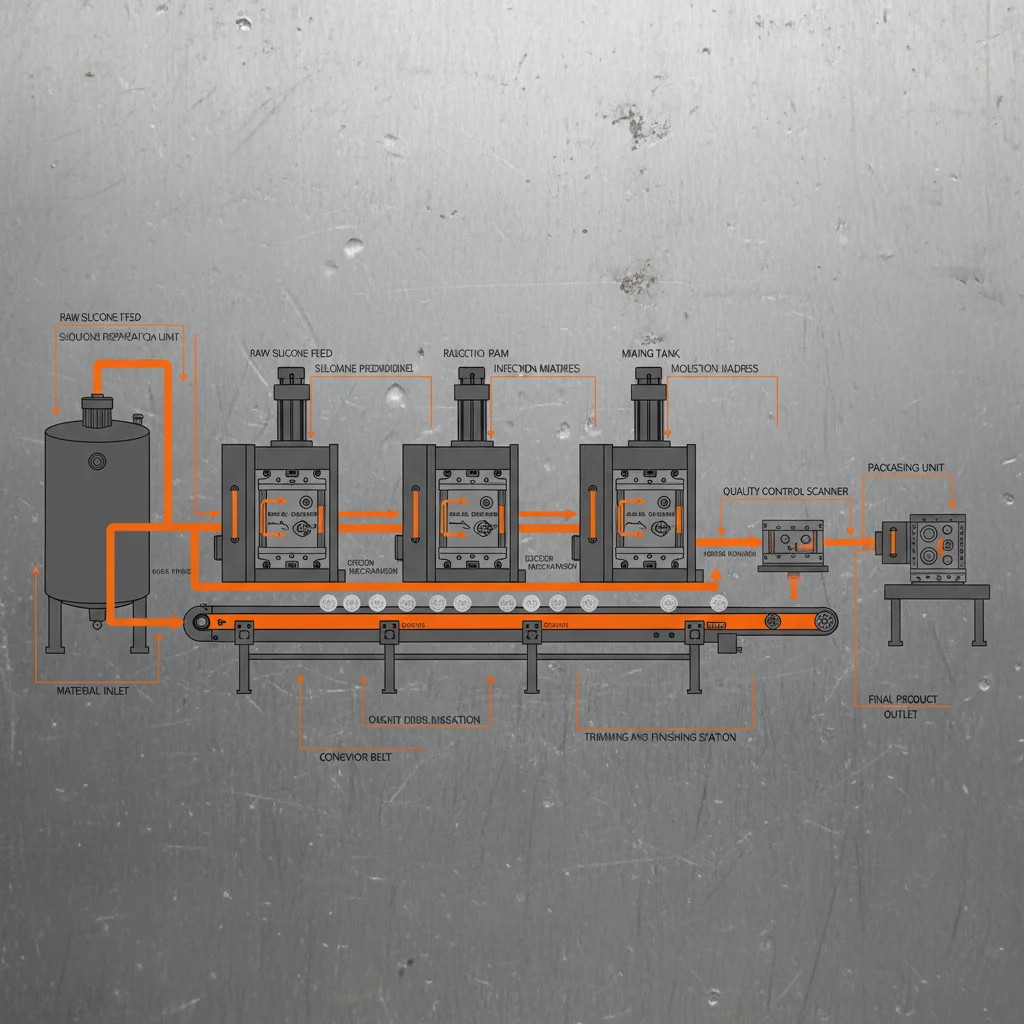
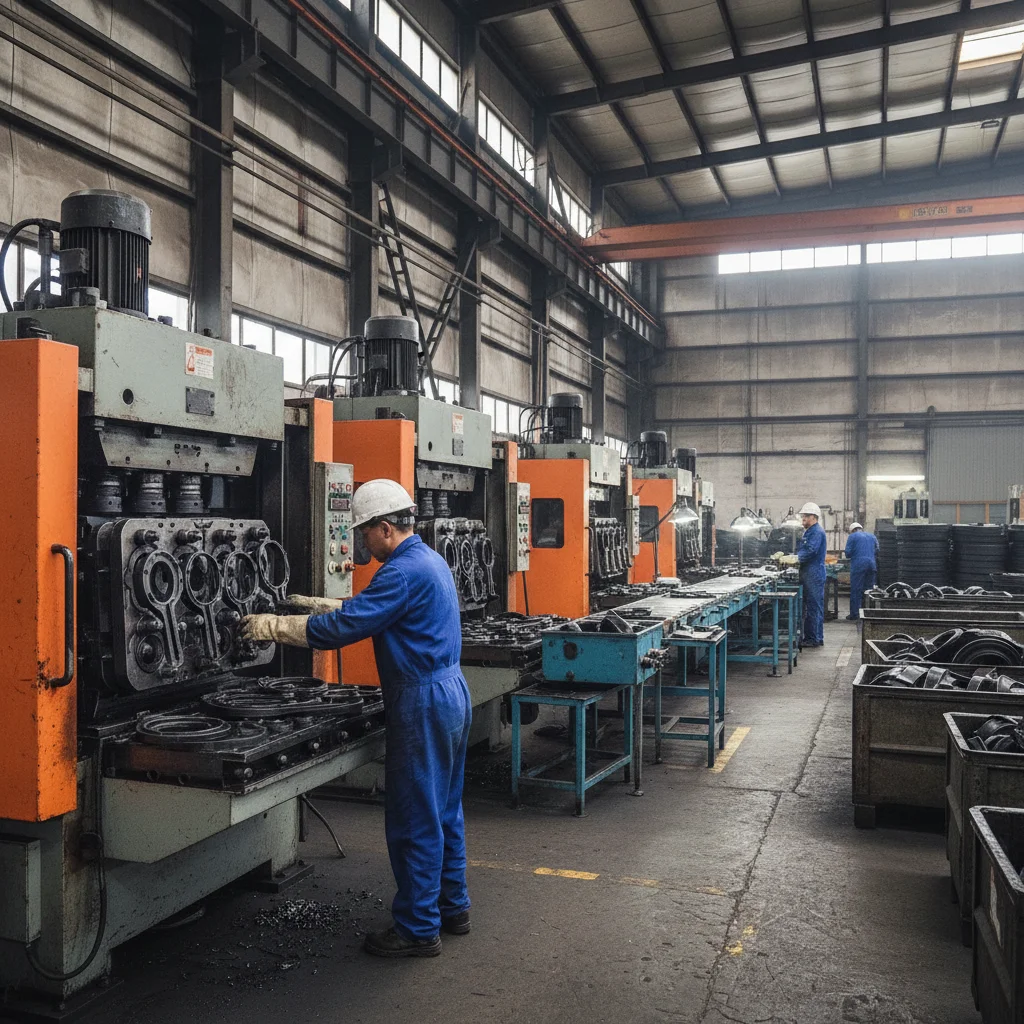
As Guangdong Yingtai High Precision Technology Co., Ltd. continues to refine its intellectual manufacturing system, the integration of 55 sets of liquid silicone moulding machines with advanced testing instruments illustrates a move toward a fully digitized production chain, from initial mold development to the final finished product.
Selecting a tooling partner requires a trade-off analysis between precision, lead time, and long-term durability. A low-cost mold may suffice for prototyping, but for high-volume production, the investment in high-grade steel and precision machining is essential to avoid frequent downtime for mold repair.
The decision-making process should focus on the "total cost of ownership." This includes not only the price of the mold but also the scrap rate and the ability of the manufacturer to customize the tool based on real-world samples and drawings.
The following table provides a conceptual framework for evaluating different mold specifications based on production requirements.
| Production Volume | Tolerance Requirement | Recommended Steel | Cooling Strategy |
|---|---|---|---|
| Low (Prototype) | Moderate (±0.2mm) | P20 / Aluminum | Standard Drilled |
| Medium (Batch) | Tight (±0.1mm) | H13 Hardened | Optimized Channels |
| High (Mass) | Ultra-Tight (±0.05mm) | Premium Stainless | Conformal Cooling |
| Medical Grade | Extreme (±0.02mm) | Cobalt-Based Alloy | Precision Controlled |
| Overmolding | Complex Interface | H13 / Specialty | Differential Heating |
| Industrial Parts | Standard (±0.15mm) | Standard Tool Steel | Basic Circulation |
Liquid silicone rubber (LSR) cures via a heat-activated chemical reaction. If the mold has uneven temperature distribution, the material will shrink inconsistently, leading to dimensional deviations. Therefore, a precision mold must have an engineered thermal management system to ensure uniform curing across the entire part geometry, preventing warpage and ensuring tight tolerances.
The fundamental difference is the thermal cycle. Thermoplastic molds melt the material and then cool it. LSR molds inject material at room temperature and use heat to cure it. This requires different steel selections (higher thermal conductivity) and different venting strategies, as LSR has a much lower viscosity and can seep into tiny gaps, making precision machining of the parting line critical.
Buyers should evaluate the supplier's internal capabilities in mold processing and testing. Key indicators include the availability of precision CNC and EDM equipment, the use of advanced testing instruments for dimensional verification, and the ability to provide a full industry chain solution—from mold development to finished product manufacturing. Experience in high-requirement fields like medical or automotive is also a strong indicator of expertise.
Yes, professional manufacturers can reverse-engineer a mold from an existing sample. This process involves high-precision 3D scanning to capture the exact geometry, followed by an analysis of the material's shrinkage rates to adjust the mold dimensions. The final tool is then customized according to the derived drawings to ensure the reproduced part matches the original sample's specifications.
While the initial investment in ultra-high precision tooling is higher due to premium steel and complex machining, the long-term value is found in the reduced scrap rate and increased production speed. Lower-quality molds often result in higher waste and frequent maintenance stops. For high-volume production, the increased efficiency and consistency of a precision mold typically lead to a lower total cost per part.
Venting is critical because the rapid curing of LSR can trap air and gases within the cavity. If not properly vented, this results in air pockets or "burn marks" on the part. Precision venting involves creating microscopic channels that allow air to escape while being small enough to prevent the liquid silicone from leaking out (flashing), which is a delicate balance achieved through expert tool design.
The pursuit of precision in liquid silicone manufacturing is an exercise in controlling the invisible: heat, air, and micron-level movements. A high-quality tool is the only way to bridge the gap between a conceptual design and a functional, mass-produced reality that meets the rigorous standards of today's technological landscape.
By integrating advanced material science with intelligent manufacturing systems, companies can ensure that their components—whether they are medical seals or intricate electronic accessories—remain consistent, durable, and precise. In the end, the quality of the mold defines the quality of the product.