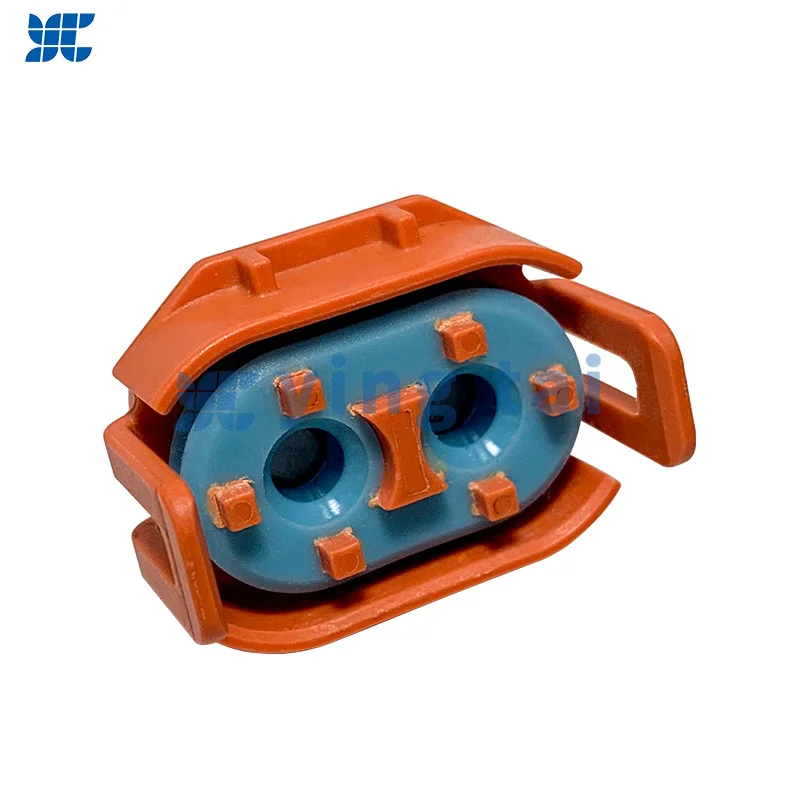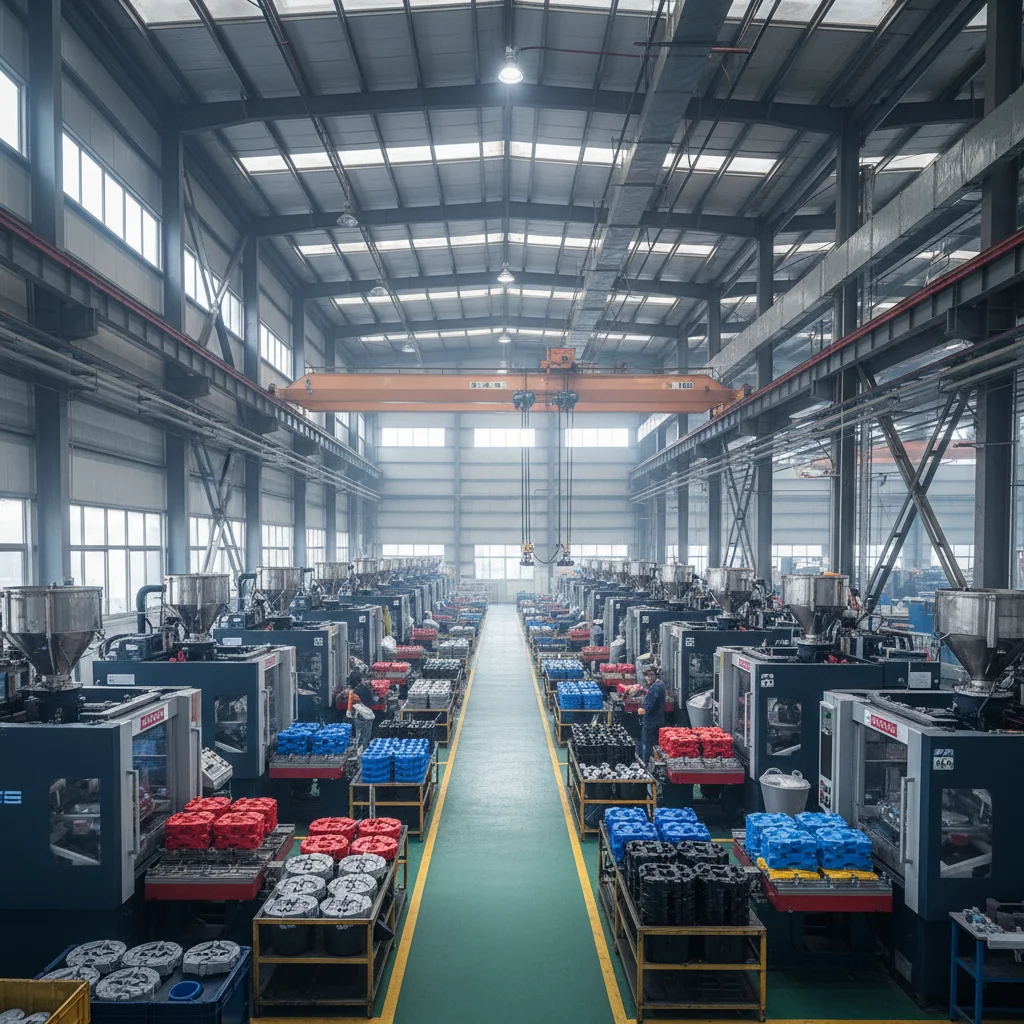
Precision Liquid silicone waterproof pad mold for Industrial Seals

Precision Liquid silicone waterproof pad mold for Industrial Seals

Precision Liquid silicone waterproof pad mold for Industrial Seals
May 4, 2026
share:

In the high-precision world of modern manufacturing, the Liquid silicone waterproof pad mold serves as the critical foundation for creating seals that protect sensitive electronics and medical devices from moisture and contaminants. As industries pivot toward miniaturization and higher durability standards, the ability to produce perfectly consistent, high-performance silicone gaskets has become a competitive necessity for global brands.

Developing a high-quality liquid silicone waterproof pad mold requires a sophisticated blend of material science and precision engineering. Unlike traditional rubber molding, Liquid Silicone Rubber (LSR) injection molding offers unmatched precision, reduced waste, and superior thermal stability, making it the gold standard for components that must withstand extreme environments without degrading.

Understanding the nuances of mold design—from venting strategies to thermal management—is essential for any company aiming to reduce cycle times and eliminate defects. By investing in superior mold architecture, manufacturers can ensure that every waterproof pad produced offers a hermetic seal, thereby increasing the lifespan of the end product and reducing costly warranty claims.
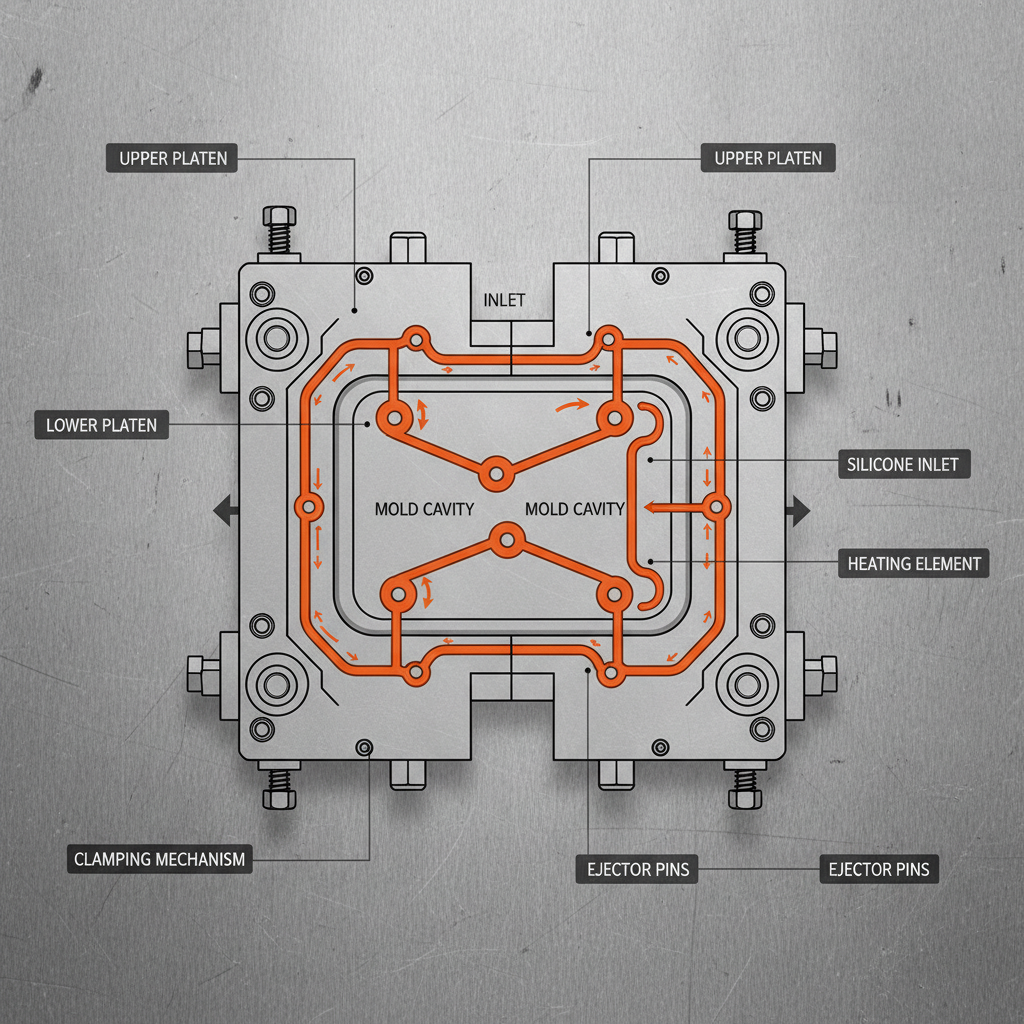
Liquid silicone waterproof pad mold

Global Relevance of Liquid Silicone Waterproof Pad Mold
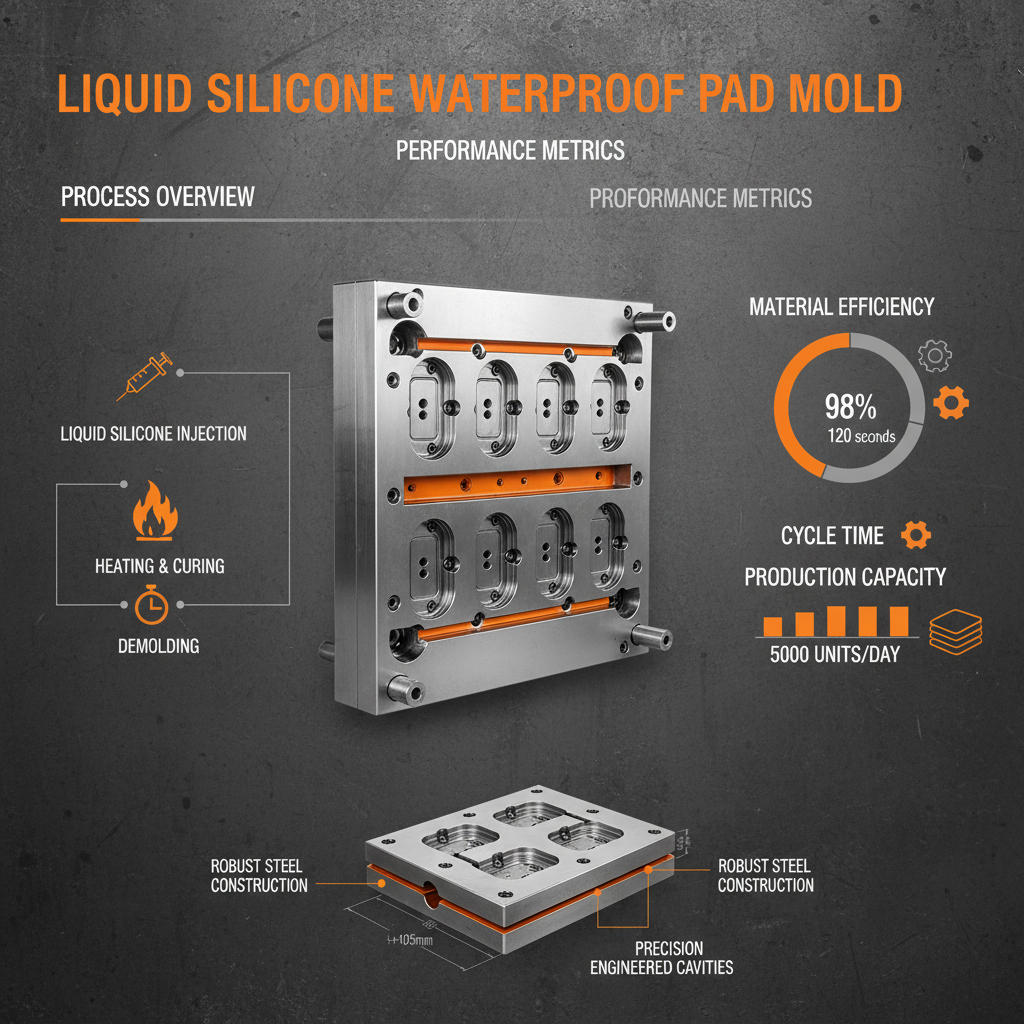
Liquid silicone waterproof pad mold

On a global scale, the demand for waterproof sealing solutions has surged due to the proliferation of wearable technology and medical implants. The Liquid silicone waterproof pad mold is central to this growth, as it allows for the mass production of biocompatible and chemically resistant seals that meet strict ISO and FDA standards.

As urban centers expand and the reliance on smart infrastructure grows, the need for reliable protection against water ingress becomes paramount. From underwater sensors in the North Sea to medical ventilators in Asian hospitals, the precision of the mold determines whether a device will survive its operational environment or fail prematurely due to moisture seepage.

Defining the Liquid Silicone Waterproof Pad Mold Process

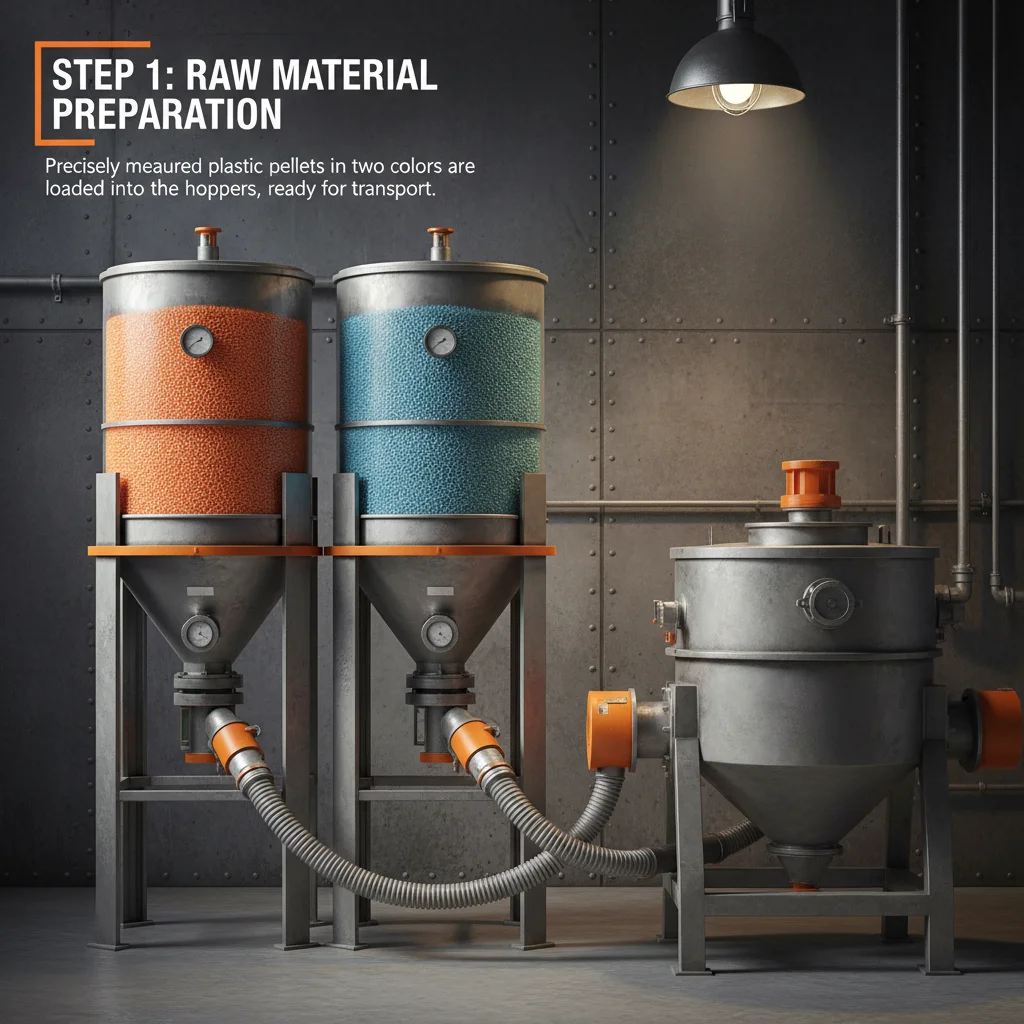
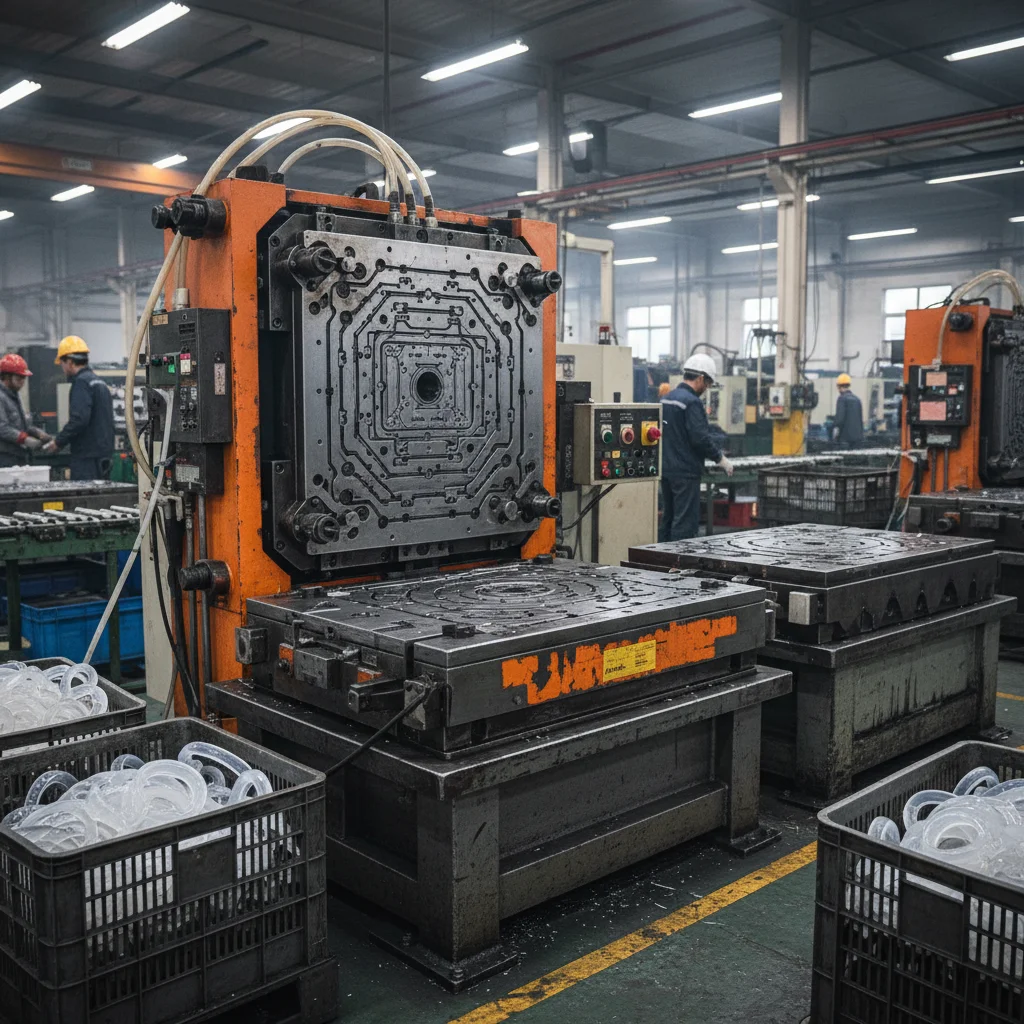
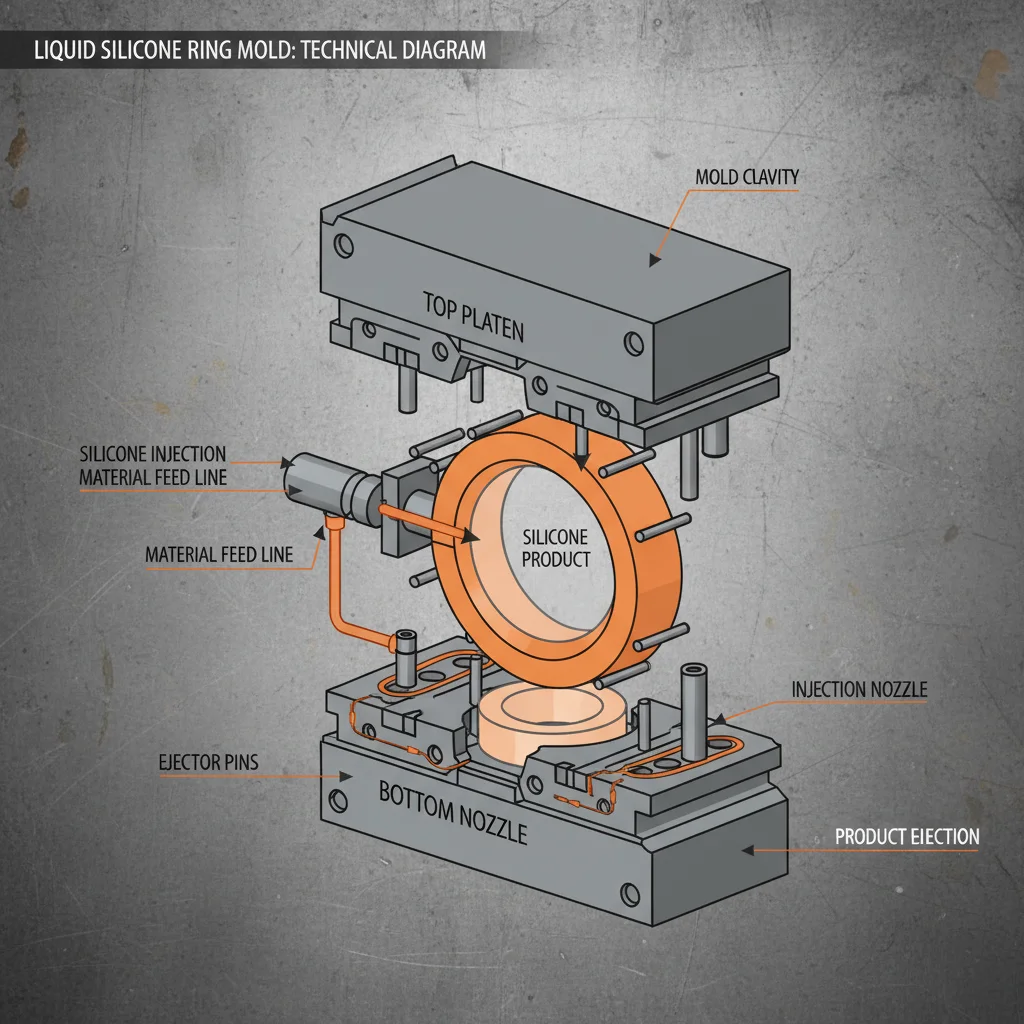
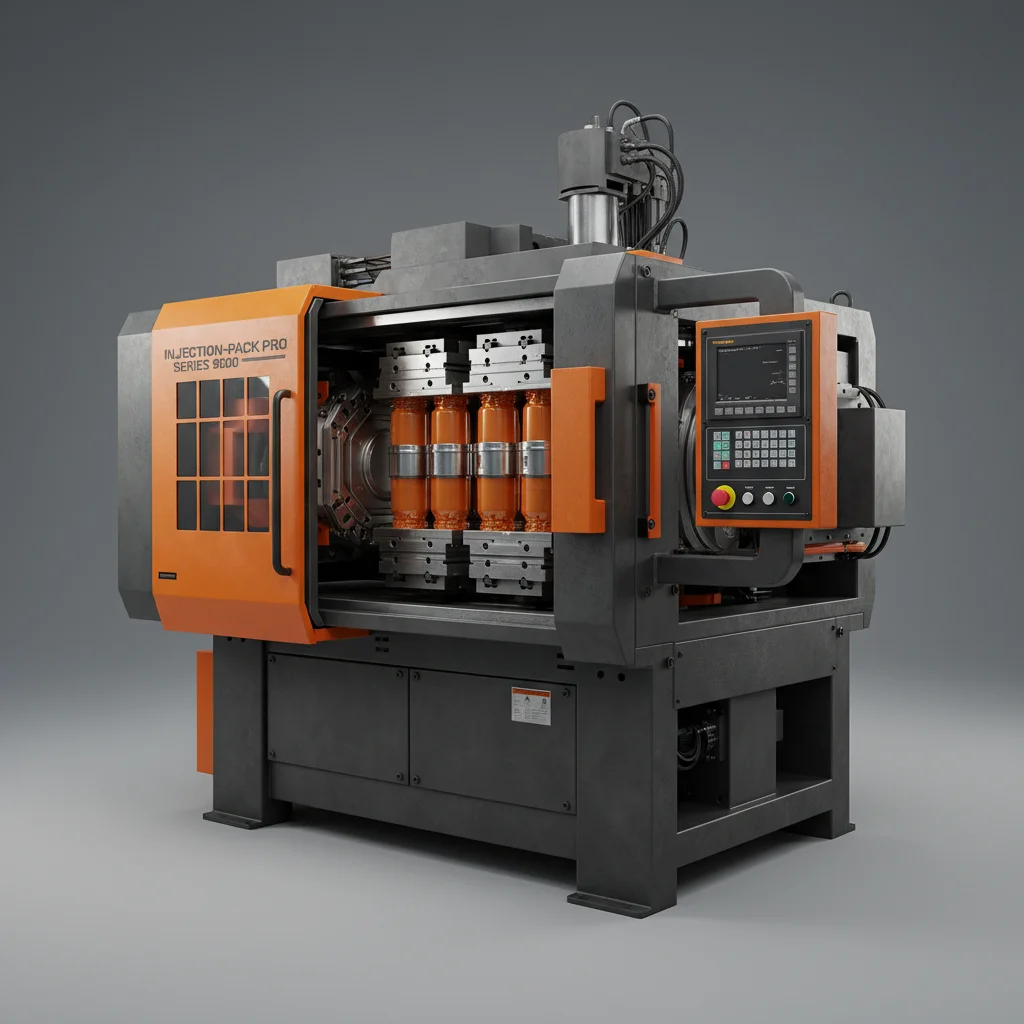
A Liquid silicone waterproof pad mold is a precision-engineered tool, typically crafted from high-grade stainless steel or hardened tool steel, designed to inject liquid silicone rubber (LSR) under heat and pressure. Unlike traditional compression molding, this process uses a cold-runner or hot-runner system to deliver the material, ensuring a highly efficient and repeatable production cycle.

The primary goal of this molding process is to create a part with absolute dimensional stability. Because waterproof pads often act as the sole barrier between a device's internals and the external world, even a micron-level deviation in the mold's cavity can lead to a failure in the seal's effectiveness, emphasizing the need for extreme tolerances.

Beyond mere shape, the process integrates advanced curing technologies. The mold is heated to trigger the vulcanization of the silicone, transforming the liquid polymer into a durable, flexible elastomer. This rapid transition allows for high-volume output without compromising the molecular integrity of the waterproof pad.

Core Engineering Components for Maximum Seal Integrity

Precision venting is the first critical factor in any Liquid silicone waterproof pad mold. Without adequate air escape paths, trapped gas can create "burns" or air pockets within the silicone pad, which act as leak points and compromise the waterproof rating of the final assembly.

Thermal homogeneity is equally vital. A high-performance Liquid silicone waterproof pad mold utilizes integrated heating channels to ensure the temperature is uniform across the entire cavity. This prevents uneven curing, which can cause the pad to warp or shrink inconsistently, ruining the seal.

Surface finish and polishing are the final pillars of quality. To ensure easy release and a smooth interface that minimizes friction during assembly, the mold surfaces are polished to a mirror finish. This ensures that the resulting waterproof pad has a seamless surface, leaving no room for capillary action to pull water into the device.

Performance Metrics in Mold Efficiency

Measuring the success of a Liquid silicone waterproof pad mold involves analyzing cycle times, scrap rates, and the consistency of the shore hardness across thousands of units. An optimized mold reduces the "cure time" while maintaining the structural integrity of the silicone, directly impacting the cost per unit.

Furthermore, the longevity of the mold itself—its resistance to corrosion and wear—determines the total cost of ownership. By using premium coatings and high-grade alloys, manufacturers can extend the lifespan of the mold, ensuring that the thousandth pad is as precise as the first.

Efficiency Comparison of Liquid Silicone Waterproof Pad Mold Variations

Industrial Applications Across Global Sectors

The versatility of the Liquid silicone waterproof pad mold makes it indispensable in the medical field. For instance, in the production of surgical instruments and wearable monitors, these molds create seals that are not only waterproof but also hypoallergenic and capable of surviving repeated autoclave sterilization cycles.

In the automotive and aerospace industries, these molds are used to create gaskets for electronic control units (ECUs) and sensor housings. These components must survive extreme temperature swings and vibrations, meaning the mold must be designed to produce pads with a very specific compression set to maintain a tight seal over decades of use.

Long-Term Value and Sustainability Benefits

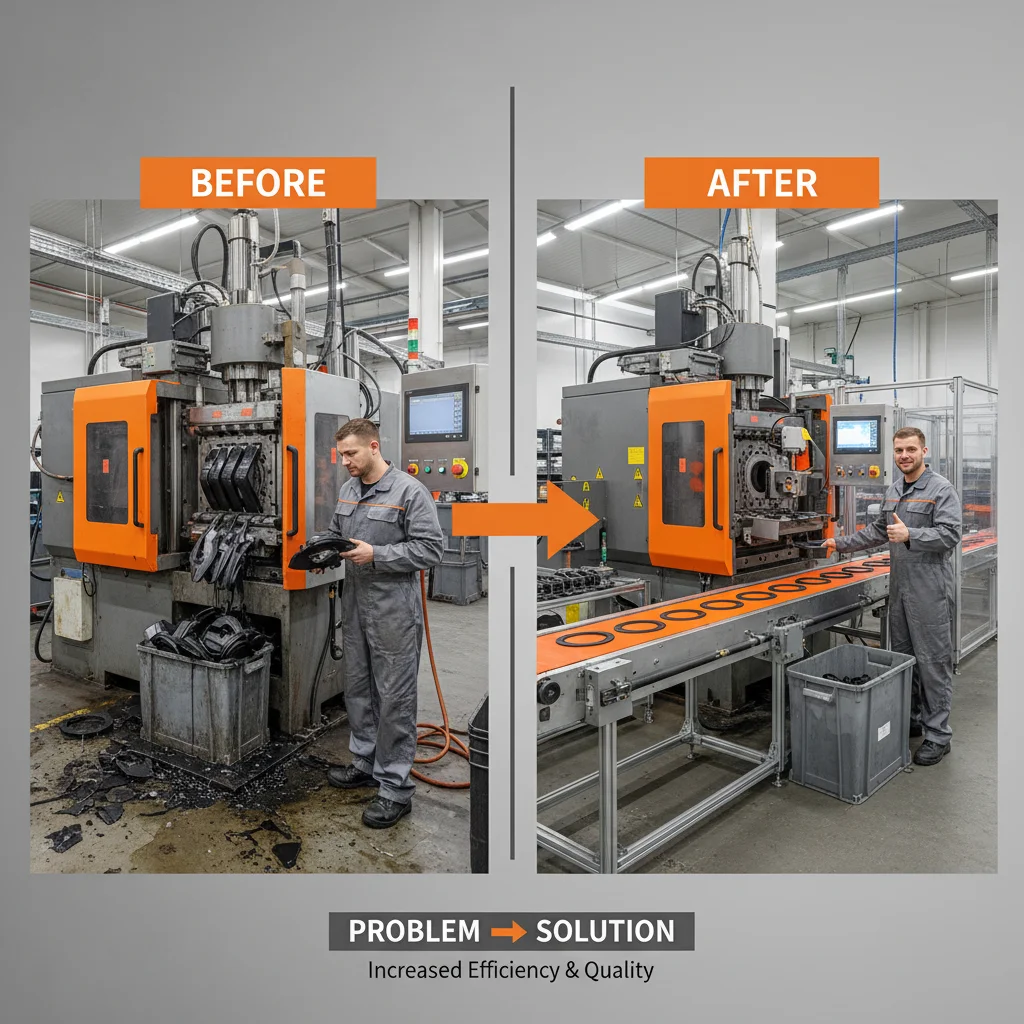
Investing in a high-precision Liquid silicone waterproof pad mold provides significant long-term economic value. By reducing the scrap rate and minimizing material waste through optimized runner systems, companies can drastically lower their production costs while increasing their profit margins.

From a sustainability perspective, LSR molding is far more eco-friendly than traditional rubber processing. The process is nearly waste-free, as excess material can often be recycled or minimized. Furthermore, the durability of the resulting waterproof pads means fewer replacement parts are needed, reducing the overall environmental footprint of the end product.

Beyond the numbers, there is a value of trust. When a company utilizes a world-class mold, they are ensuring the safety and dignity of the end-user. Whether it is a life-saving medical device or a critical communication tool in a disaster zone, a reliable seal provided by a quality mold prevents failure when it matters most.

Future Trends in Silicone Mold Automation

The future of the Liquid silicone waterproof pad mold is being shaped by Industry 4.0. We are seeing the integration of smart sensors directly into the mold base, allowing for real-time monitoring of pressure and temperature. This "intelligent molding" enables the system to automatically adjust parameters to prevent defects before they occur.

Additive manufacturing is also revolutionizing mold creation. 3D-printed metal inserts are now being used to create complex conformal cooling channels that were previously impossible to machine. This results in faster cooling cycles and even more precise temperature control for the silicone waterproof pads.

As we move toward a greener economy, the development of bio-based silicone materials will require a new generation of molds. These molds will need to handle different viscosity profiles and curing rates, pushing the boundaries of mold design and material science to maintain the high standards of waterproofing.

Analysis of Liquid Silicone Waterproof Pad Mold Technical Specifications

Mold Material Grade Precision Tolerance Cycle Time Efficiency Seal Reliability Score
Standard Tool Steel ± 0.05mm Moderate 7/10
Hardened H13 Steel ± 0.02mm Fast 8/10
Premium Stainless 420 ± 0.01mm Very Fast 9/10
Nano-Coated Alloy ± 0.005mm Ultra-Fast 10/10
Composite Inserts ± 0.03mm Fast 8/10
Custom Hybrid Steel ± 0.01mm Fast 9/10

FAQS

What is the main advantage of using a liquid silicone waterproof pad mold over traditional rubber molds?

The primary advantage is precision and repeatability. Liquid silicone injection molding allows for much tighter tolerances and complex geometries that are impossible with compression molding. This ensures that every waterproof pad provides a consistent, airtight seal, significantly reducing the failure rate in high-stakes applications like medical devices or underwater electronics.

How does mold venting affect the quality of the waterproof pad?

Venting is crucial because trapped air can create voids or "bubbles" in the silicone. In a waterproof pad, even a tiny air pocket can become a leak path, compromising the entire device's IP rating. A professionally designed mold incorporates strategic venting to ensure the LSR fills the cavity completely and uniformly.

Can these molds be used for biocompatible medical grade silicone?

Yes, absolutely. By using medical-grade stainless steel (like 316L or 420) and ensuring the mold is free of contaminants and release agents, these molds are ideal for producing biocompatible pads. This is essential for products that come into contact with human tissue or fluids, meeting strict FDA and ISO 10993 standards.

How long does a typical liquid silicone waterproof pad mold last?

The lifespan depends on the material used. A standard tool steel mold might last for 100,000 cycles, while a premium hardened steel mold with specialized coatings can exceed 1 million cycles. Regular maintenance and professional cleaning are required to maintain the mirror finish and precision tolerances over time.

What causes warping in the final waterproof pad, and how is it fixed in the mold?

Warping is usually caused by uneven cooling or curing. If one part of the mold is hotter than another, the silicone cures at different rates, leading to internal stress and deformation. This is solved by implementing conformal cooling channels and high-precision thermal controllers to ensure a uniform temperature throughout the cavity.

Is LSR molding more cost-effective than other methods for small pads?

While the initial cost of a Liquid silicone waterproof pad mold is higher than a compression mold, the cost per part is significantly lower at scale. The automation, reduced scrap rates, and faster cycle times make LSR the most cost-effective choice for medium to high-volume production of precision seals.

Conclusion

The Liquid silicone waterproof pad mold is far more than a simple production tool; it is the engineering cornerstone that enables the reliability of countless modern technologies. By integrating precision venting, thermal homogeneity, and high-grade materials, manufacturers can produce seals that offer unparalleled protection and durability across the medical, automotive, and electronic sectors.

Looking forward, the fusion of smart sensing and additive manufacturing will only further elevate the capabilities of silicone molding. Companies that prioritize investment in high-precision mold architecture today will find themselves better positioned to meet the rigorous demands of tomorrow's innovation. For those seeking to elevate their product sealing and manufacturing efficiency, visiting our experts is the first step toward excellence. Visit our website: www.ytlsrmold.com