The evolution of modern manufacturing has placed a significant premium on precision and material purity, leading to the rise of the specialized Liquid silicone product mold factory. These facilities are no longer just production hubs but are centers of engineering excellence where Liquid Injection Molding (LIM) technology is leveraged to create high-performance components for medical, automotive, and consumer electronics industries. Understanding the nuances of mold design and material behavior is critical for any business aiming to scale its production while maintaining zero-defect quality standards.
Globally, the demand for Liquid Silicone Rubber (LSR) is surging due to its biocompatibility, thermal stability, and exceptional durability. A professional Liquid silicone product mold factory addresses the complex challenge of achieving tight tolerances and seamless finishes that traditional molding cannot provide. By integrating advanced CNC machining with sophisticated thermal management systems, these factories ensure that the liquid silicone cures uniformly, eliminating voids and structural weaknesses.
Choosing the right manufacturing partner is a strategic decision that impacts everything from time-to-market to the long-term reliability of the end product. A high-tier Liquid silicone product mold factory provides a holistic ecosystem—ranging from initial prototype design and LSR overmolding accessories to the final delivery of exquisite finished products. This synergy between mold engineering and material science is what allows brands to innovate with confidence in highly regulated sectors.
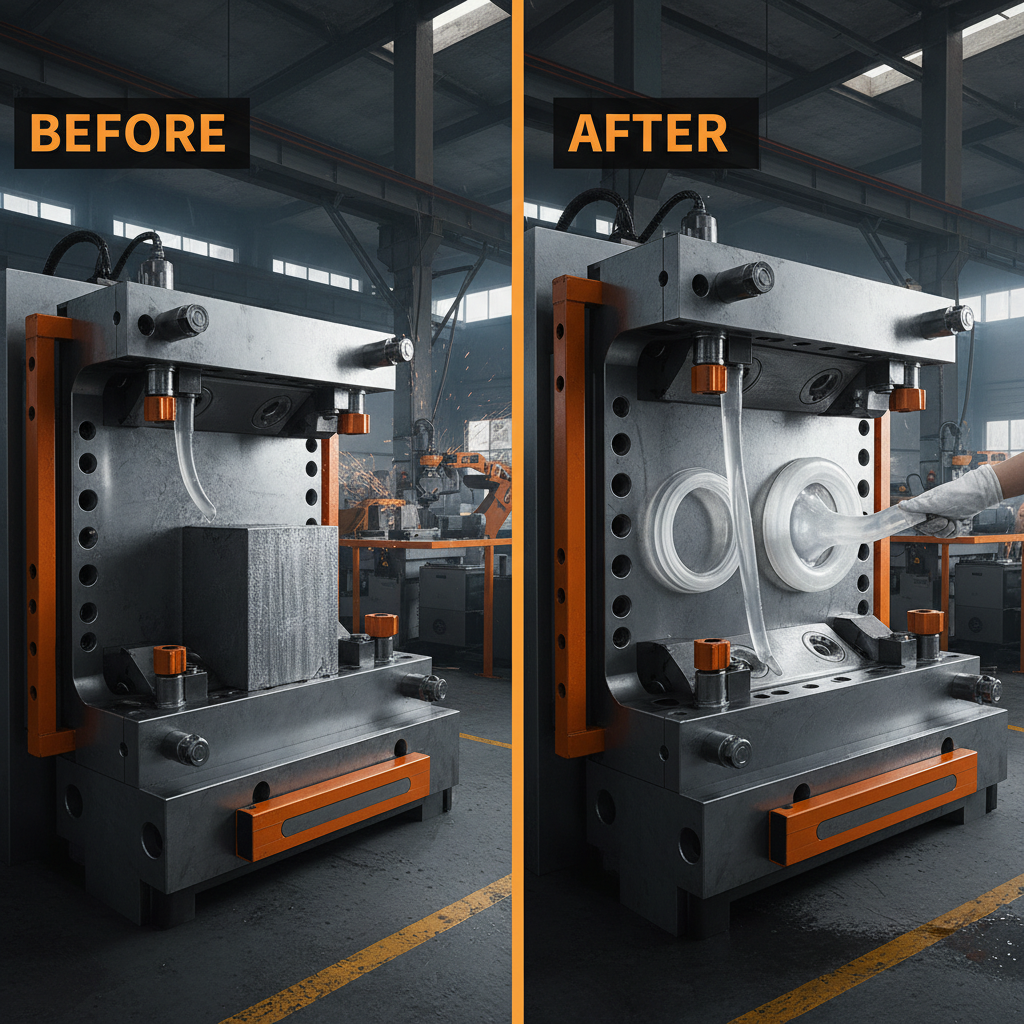
On a global scale, the shift toward biocompatible and high-heat resistant materials has propelled the Liquid silicone product mold factory into a position of critical importance. According to ISO standards and industry trends, the medical device sector alone has seen a dramatic increase in the adoption of LSR due to its ability to withstand repeated sterilization without degrading. This transition is not merely a material change but a systemic upgrade in how precision components are engineered and manufactured.
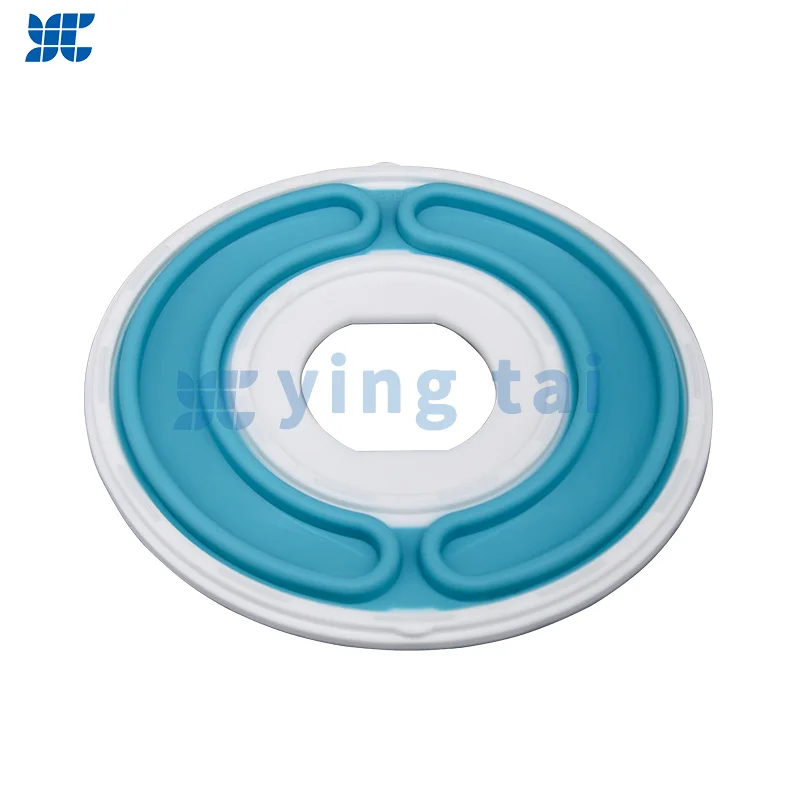
The ability of a specialized factory to handle complex geometries—such as those found in LSR overmolding accessories—allows for the creation of hybrid products that combine the strength of plastics with the flexibility of silicone. This industrial synergy is driving innovation in wearables, automotive gaskets, and life-saving medical valves, making the expertise of a professional mold house indispensable for global supply chain resilience.
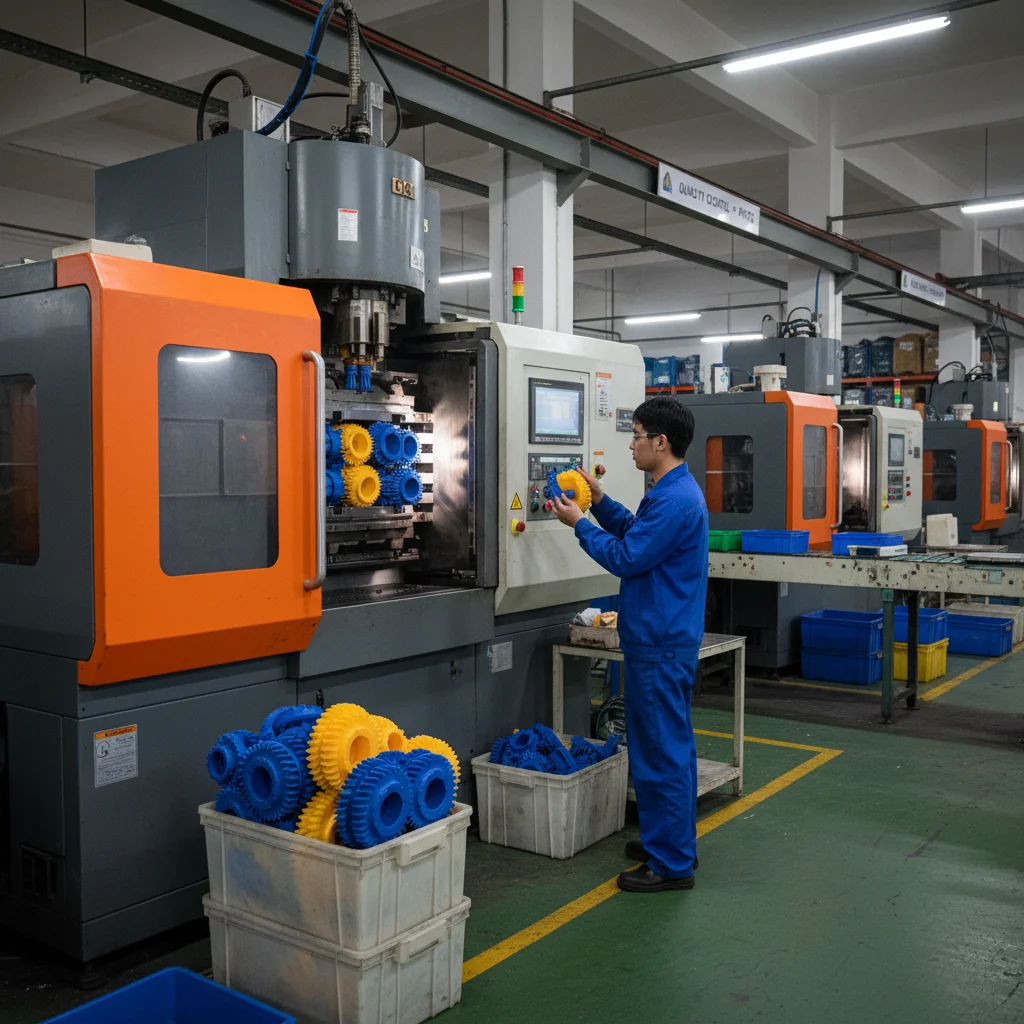
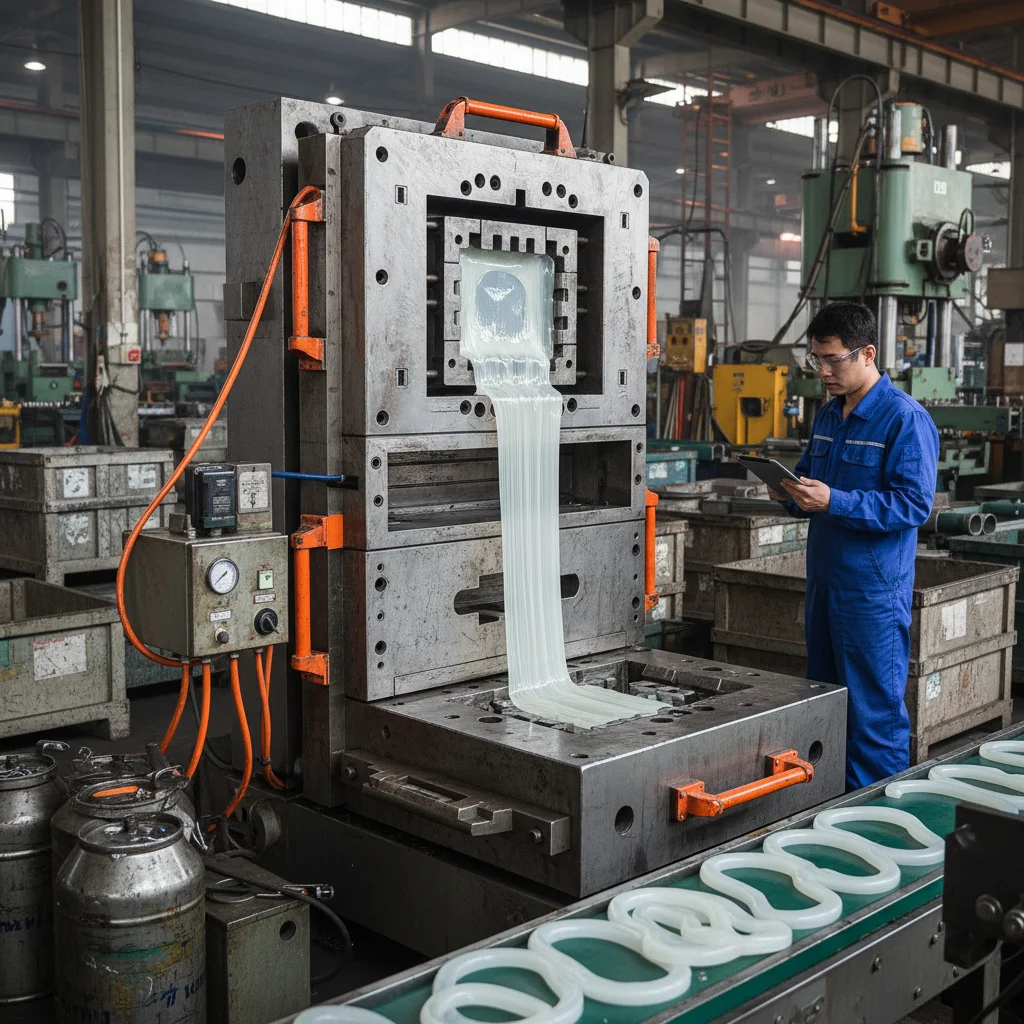
At its core, a Liquid silicone product mold factory is a specialized manufacturing facility equipped to design, fabricate, and operate molds specifically for Liquid Silicone Rubber (LSR). Unlike traditional rubber molding, which uses solid precursors, LSR molding involves the injection of a two-part liquid catalyst system. The factory must possess advanced precision tooling and temperature-controlled molding machines to ensure the material cures correctly and instantly upon contact with the heated mold.
Beyond the machinery, these factories serve as engineering hubs that bridge the gap between a conceptual CAD drawing and a physical, high-performance product. They specialize in "Liquid Silicone Product Molds" that are designed to handle high pressures and rapid cycle times, ensuring that every part produced is identical to the last. This level of consistency is what defines a professional-grade factory versus a general plastic shop.
In the context of modern humanitarian and industrial needs, these factories enable the rapid production of affordable, high-quality medical-grade components. From infant care products to complex surgical tools, the Liquid silicone product mold factory plays a silent but vital role in enhancing human safety and quality of life through material science and mechanical precision.
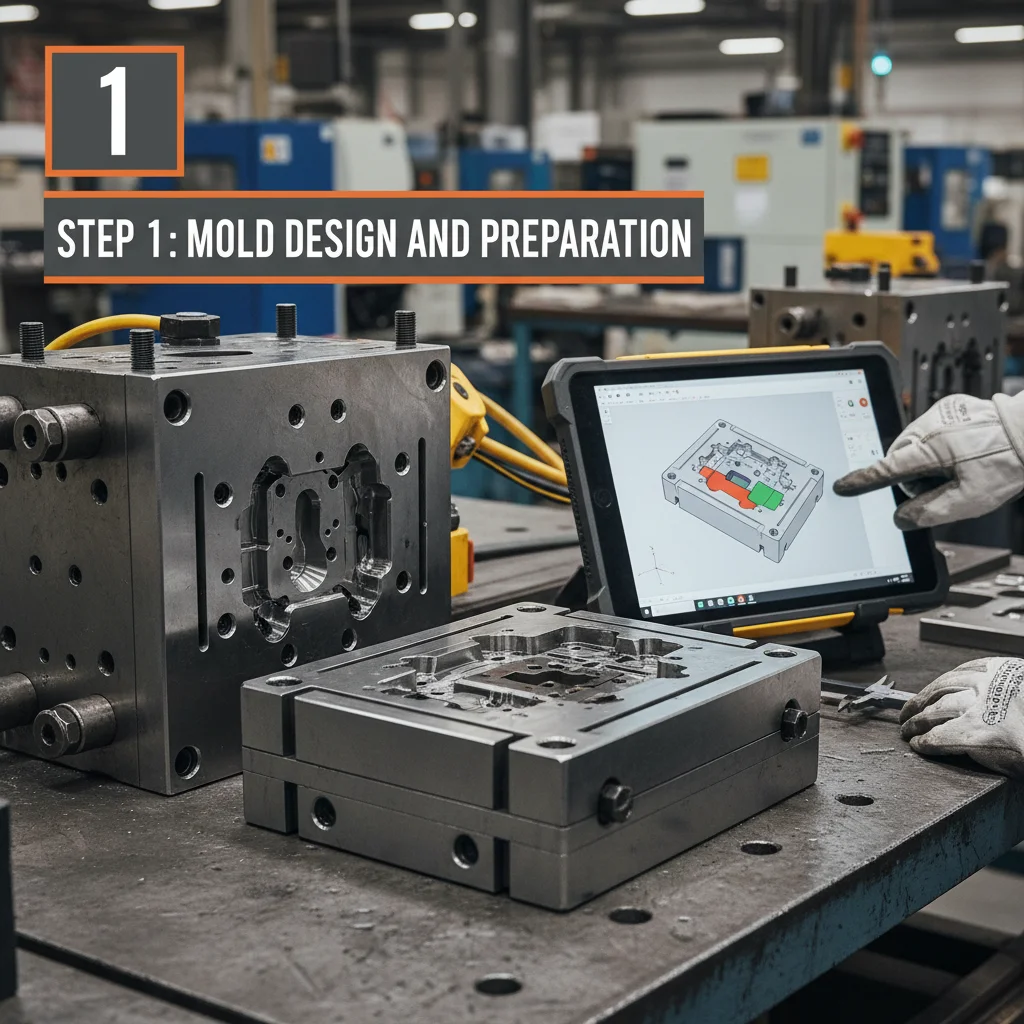
The foundation of any successful operation in a Liquid silicone product mold factory is the mastery of thermal dynamics. Because LSR cures through heat, the mold must be engineered with intricate cooling and heating channels to prevent "hot spots" that could lead to warping or incomplete curing. This requires sophisticated simulation software to predict material flow and temperature distribution before a single piece of steel is cut.
Material selection for the mold itself is equally critical. A top-tier Liquid silicone product mold factory utilizes high-grade tool steel, often with specialized coatings like DLC (Diamond-Like Carbon) or chrome plating, to reduce friction and prevent the silicone from adhering to the mold walls. This ensures a seamless release and maintains the "exquisite finished product" quality that high-end clients demand.
Finally, the integration of LSR overmolding mold technology allows for the seamless bonding of silicone to other substrates, such as plastics or metals. This capability transforms a simple Liquid silicone product mold factory into a full-scale solution provider, capable of producing complex assemblies like waterproof electronic housings or soft-touch industrial handles.
When evaluating the output of a Liquid silicone product mold factory, it is essential to compare different molding methodologies. Cold-runner systems, for instance, significantly reduce material waste compared to hot-runner systems, although they may increase cycle times. The choice depends entirely on the volume of production and the required precision of the finished LSR silicone products.
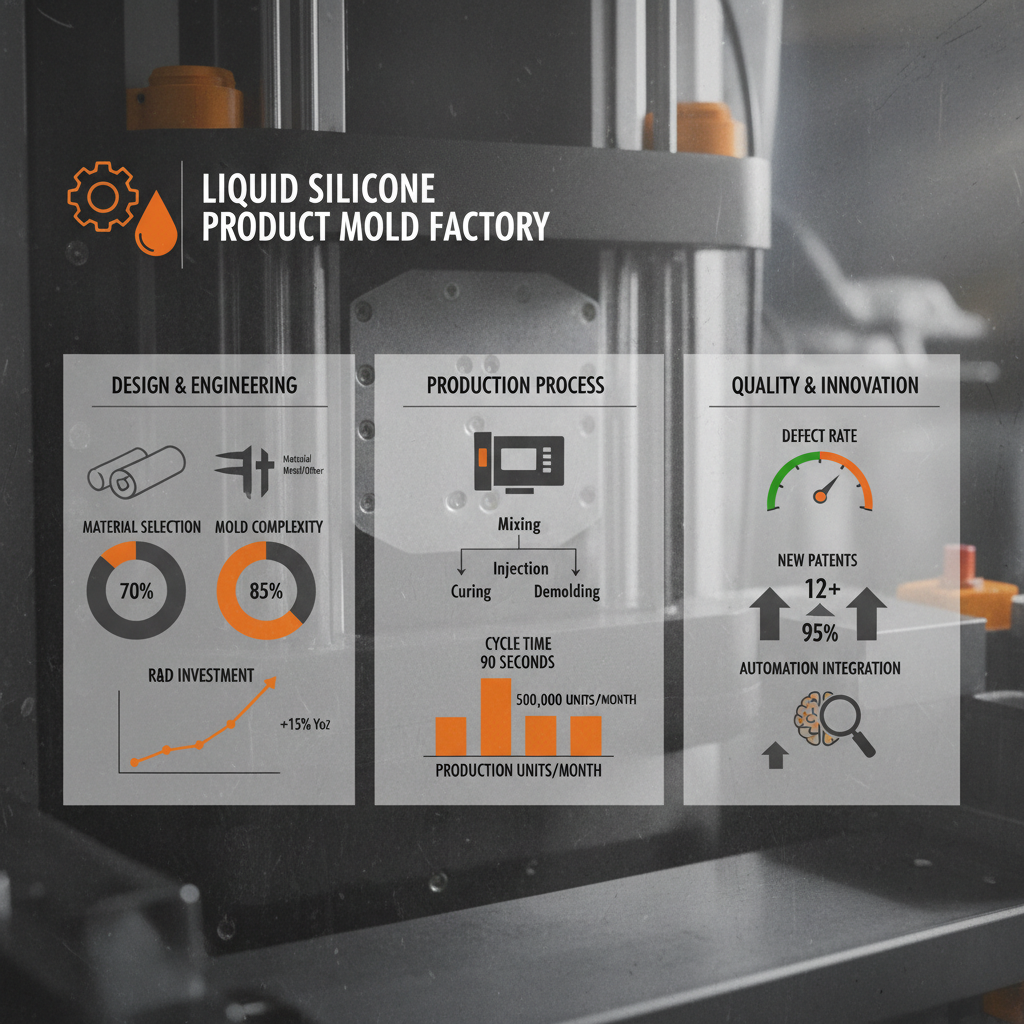
Furthermore, the transition from prototype molds to mass-production molds requires a strategic shift in engineering. While a prototype mold focuses on design verification, a mass-production mold from a professional factory focuses on durability and cycle speed. The following data illustrates how different mold strategies impact overall performance ratings across key industrial metrics.
The versatility of a Liquid silicone product mold factory is best seen in its diverse application portfolio. In the medical field, these factories produce biocompatible respiratory masks and catheters that must be free of any contaminants. In the automotive sector, LSR is used for high-temperature gaskets and seals that prevent leaks in electric vehicle battery systems, where reliability is a matter of passenger safety.
Moreover, in consumer electronics, the trend toward "soft-touch" interfaces has led to a surge in demand for LSR overmolding accessories. Companies in tech hubs across Asia and North America rely on a precise Liquid silicone product mold factory to create seamless bonds between rigid plastic shells and soft silicone grips, ensuring products are not only ergonomic but also water-resistant and durable.
Investing in high-quality molds from a reputable Liquid silicone product mold factory offers immense long-term value. While the initial tooling cost for LSR molds can be higher than traditional methods, the reduction in scrap rates and the extended lifespan of the mold lead to a lower total cost of ownership. The precision of the molds ensures that material waste is minimized, which is a key objective for companies striving for lean manufacturing.
From a sustainability perspective, silicone is often a more eco-friendly alternative to certain petroleum-based plastics. A forward-thinking Liquid silicone product mold factory implements closed-loop systems to recycle cured silicone waste. This commitment to "green" manufacturing not only reduces the environmental footprint but also aligns with global ESG (Environmental, Social, and Governance) mandates.
Ultimately, the trust built through a partnership with a professional factory manifests in product reliability. When a medical device or an industrial seal performs perfectly over ten years, it is a testament to the initial precision of the mold. This reliability translates into brand loyalty and a reduction in costly product recalls, providing a logical and emotional sense of security to the end-user.
The future of the Liquid silicone product mold factory lies in the intersection of digitalization and additive manufacturing. We are seeing the rise of "smart molds" embedded with sensors that monitor temperature and pressure in real-time, allowing for autonomous adjustments during the injection process. This transition toward Industry 4.0 will virtually eliminate human error and further optimize cycle times.
Additionally, 3D printing is revolutionizing the prototyping phase. Modern factories are using metal 3D printing to create molds with "conformal cooling channels"—internal paths that follow the exact contour of the part. This innovation, pioneered by the most advanced Liquid silicone product mold factory facilities, allows for faster cooling and significantly higher production speeds.
As we move toward a more circular economy, the development of bio-based liquid silicones will require new mold designs to accommodate different curing profiles. The factories that can adapt their toolsets to these new materials will lead the next wave of industrial innovation, ensuring that high-performance products remain compatible with a sustainable planet.
| Innovation Technology | Primary Benefit | Implementation Complexity | Expected Impact Score |
|---|---|---|---|
| Conformal Cooling | Reduced Cycle Time | High (Requires 3D Printing) | 9.5 |
| IoT Sensor Integration | Real-time Quality Control | Medium | 8.8 |
| AI-Driven Design | Optimized Material Flow | Medium | 9.0 |
| Bio-based LSR Materials | Environmental Sustainability | High (Material R&D) | 8.2 |
| Automated De-molding | Increased Throughput | Low | 7.5 |
| Nano-Coatings | Easier Part Release | Medium | 8.0 |
A professional liquid silicone product mold factory specializes in Liquid Injection Molding (LIM), which requires completely different equipment than traditional rubber or plastic molding. This includes specialized mixing heads for the two-part silicone, high-precision temperature controls for rapid curing, and molds specifically engineered to handle the unique flow characteristics of LSR. General shops often lack the thermal management expertise and clean-room environments necessary for medical-grade silicone production.
Depending on the complexity, the process usually spans 4 to 8 weeks. This includes the initial DFM (Design for Manufacturing) analysis, 3D modeling, CNC machining of the mold base, and sample testing. A high-end liquid silicone product mold factory will provide a prototype "bridge mold" for validation before proceeding to the final high-cavity production mold to ensure absolute precision and reduce financial risk.
While the initial mold for overmolding is more complex and costly, the long-term cost is often lower. Overmolding eliminates the need for adhesives and manual assembly, reducing labor costs and increasing the structural integrity of the product. For high-volume runs, a liquid silicone product mold factory can deliver a more reliable, waterproof, and aesthetically superior product at a lower per-unit cost than manual assembly.
Most professional factories use high-grade P20 or H13 tool steel for its durability and thermal conductivity. To prevent the silicone from sticking and to ensure an exquisite surface finish, the molds are often treated with specialized coatings such as Chrome or DLC (Diamond-Like Carbon). This ensures the mold can withstand thousands of cycles without losing dimensional accuracy.
Yes, a reputable factory will provide full material traceability and certifications, such as FDA or USP Class VI for medical applications. They ensure that the raw LSR used is compliant with international safety standards and that the molding process does not introduce contaminants, which is critical for products used in healthcare or food-contact environments.
Proper maintenance involves regular cleaning of the mold surfaces to remove residue and periodic inspection of the heating elements. A professional liquid silicone product mold factory usually provides a maintenance schedule. Using the correct release agents and ensuring the injection pressure remains within specified limits will maximize the mold's lifespan and maintain consistent part quality.
The role of a Liquid silicone product mold factory extends far beyond simple manufacturing; it is the critical link between innovative material science and practical, high-performance application. By mastering the complexities of thermal dynamics, precision tooling, and LSR overmolding, these factories enable the creation of products that are safer, more durable, and more sustainable. From the stringent requirements of medical devices to the ergonomic needs of consumer electronics, the synergy of expert engineering and advanced technology ensures that "exquisite finished products" are a repeatable reality rather than a fluke of production.
Looking forward, the integration of Industry 4.0 and bio-compatible materials will further redefine the boundaries of what is possible in silicone molding. Businesses that partner with a forward-thinking Liquid silicone product mold factory will not only gain a competitive edge in quality and efficiency but will also be positioned to lead the transition toward a more sustainable industrial future. For those seeking to transform complex designs into tangible success, the right mold partner is the ultimate catalyst for innovation. Visit our website: www.ytlsrmold.com
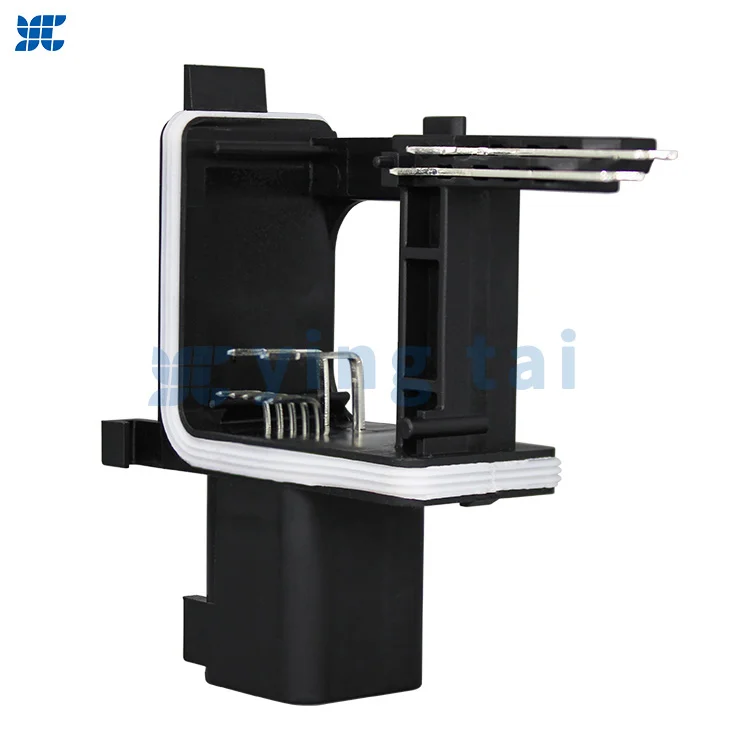
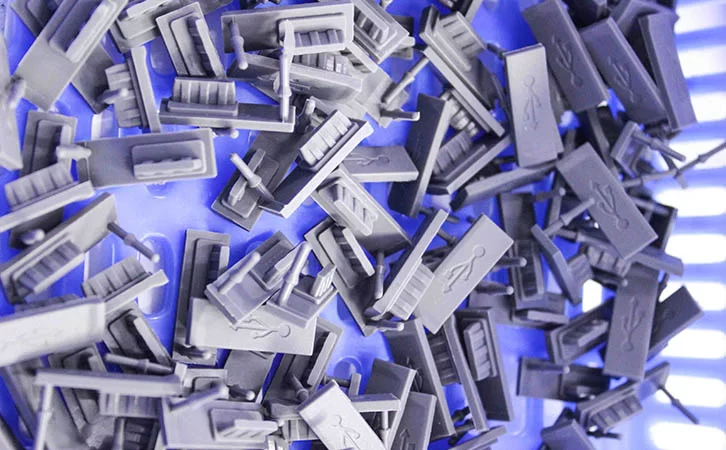
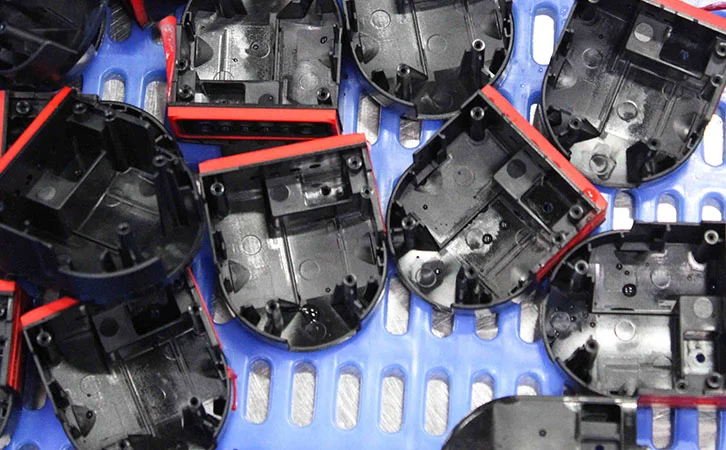
Communication equipment, communication appliances, wireless equipment, Internet equipment, transmission equipment, receivers, terminal equipment, etc. all use liquid silica gel to wrap plastic parts, LSR silica gel to wrap hardware parts, injection molding to wrap plastic parts, etc.
Yingtai Factory implements a comprehensive edge wrapping waterproof sealing solution for complex shell structures.
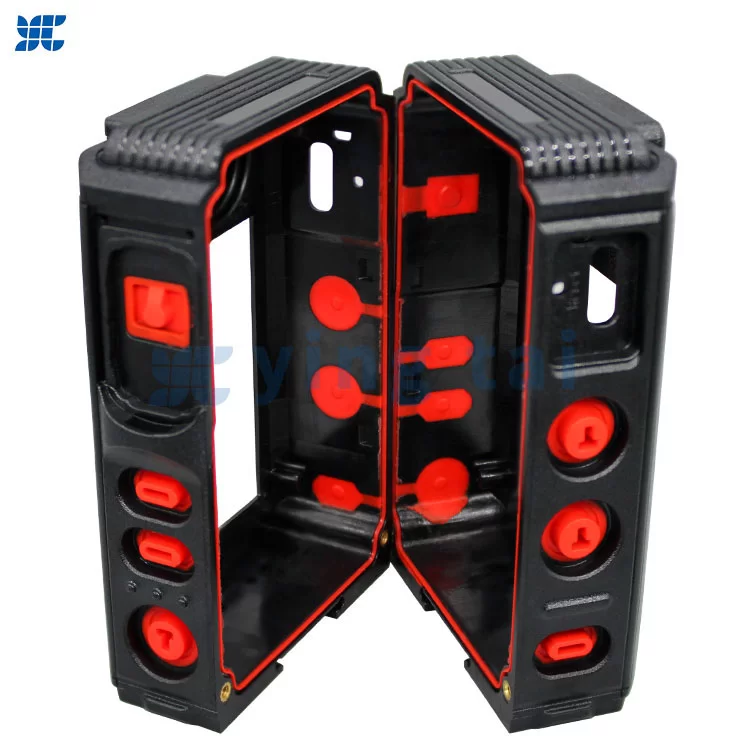
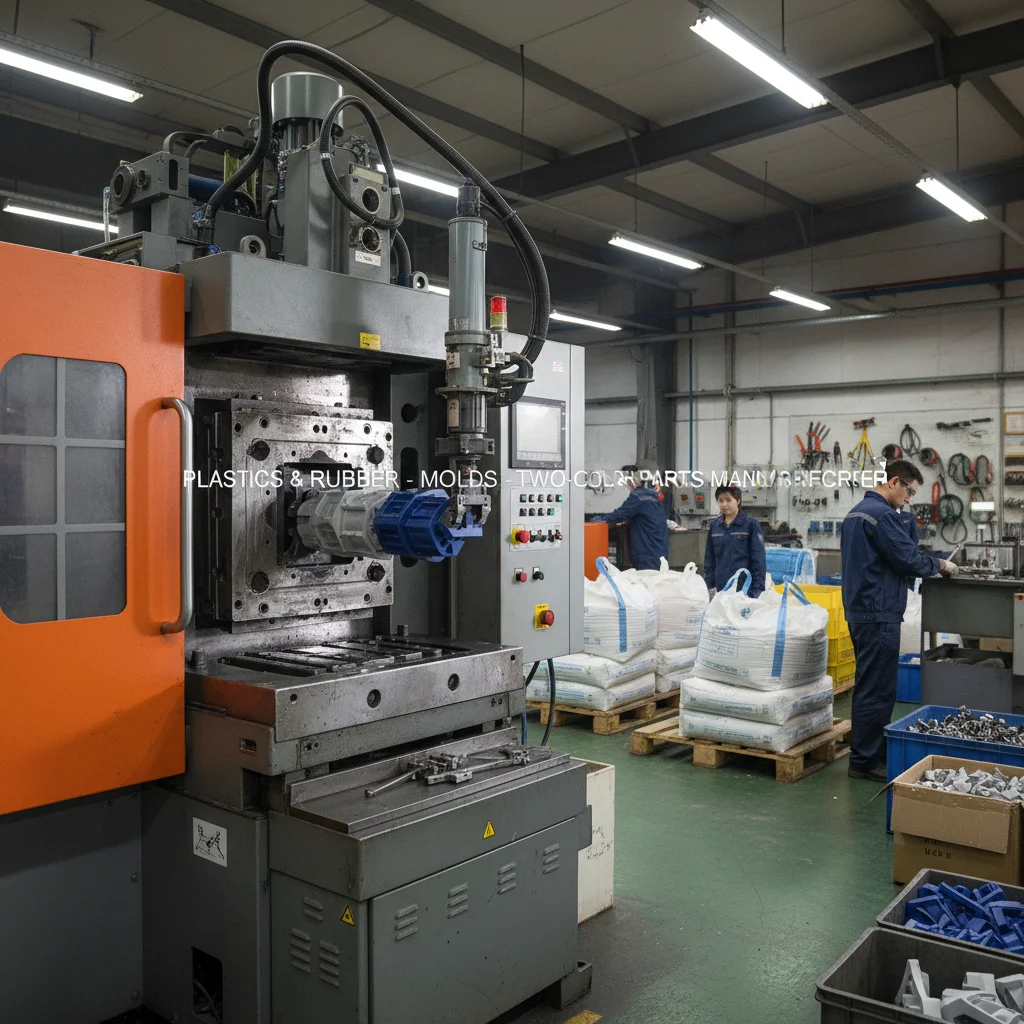
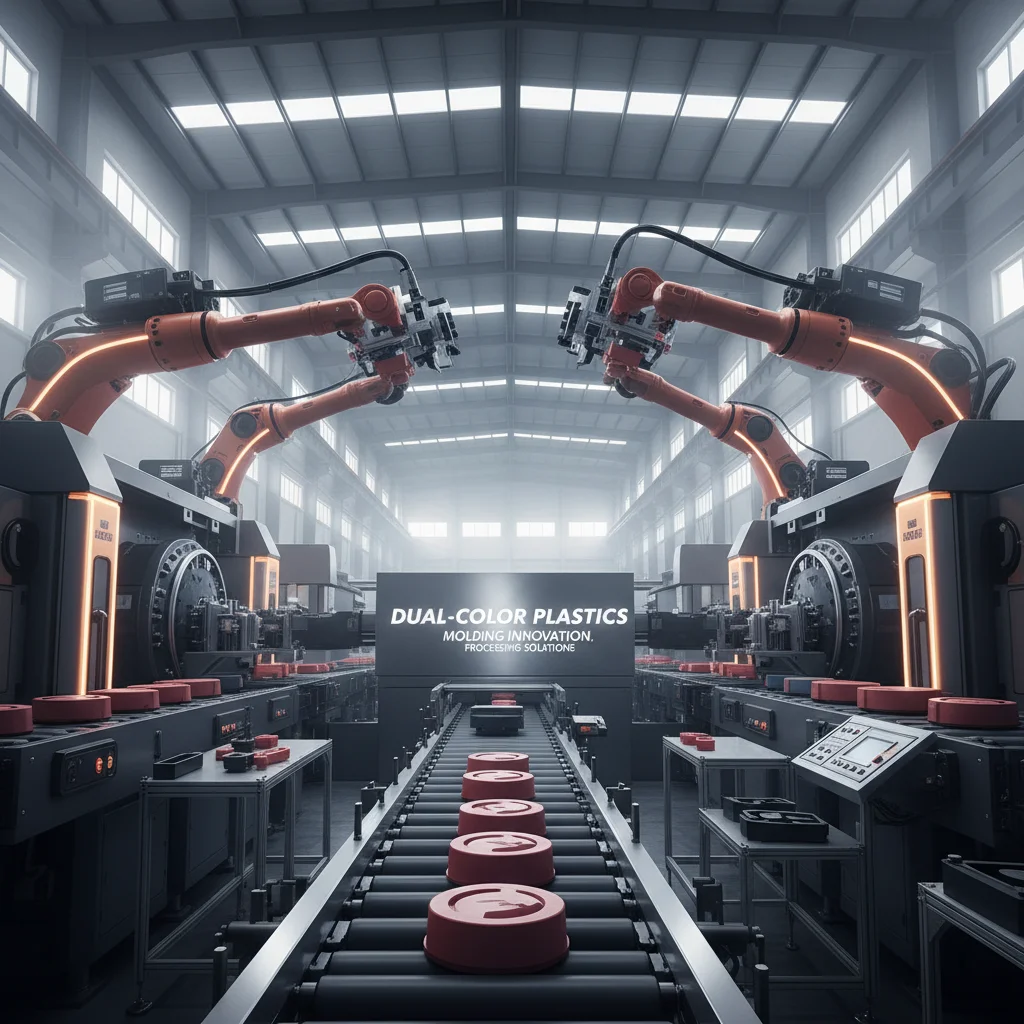
Yingtai factory uses precision two-color injection molding technology to achieve seamless integration of silicone and plastic, balancing flexible touch and stable structure.