Finding the Right Manufacturer of Two-Color Plastic Parts for Processing
In the modern industrial landscape, aesthetic appeal and functional versatility often go hand in hand. The demand for multi-material and multi-color integration has led many businesses to seek a professional manufacturer of two-color plastic parts for processing to elevate their product design. Two-color molding, also known as double-injection molding, allows for the creation of complex parts with different colors or materials in a single process. This not only streamlines production but also eliminates the need for secondary assembly, reducing labor costs and potential points of failure. Whether it is for automotive interiors, medical devices, or consumer electronics, choosing the right partner is critical for ensuring precision and quality.
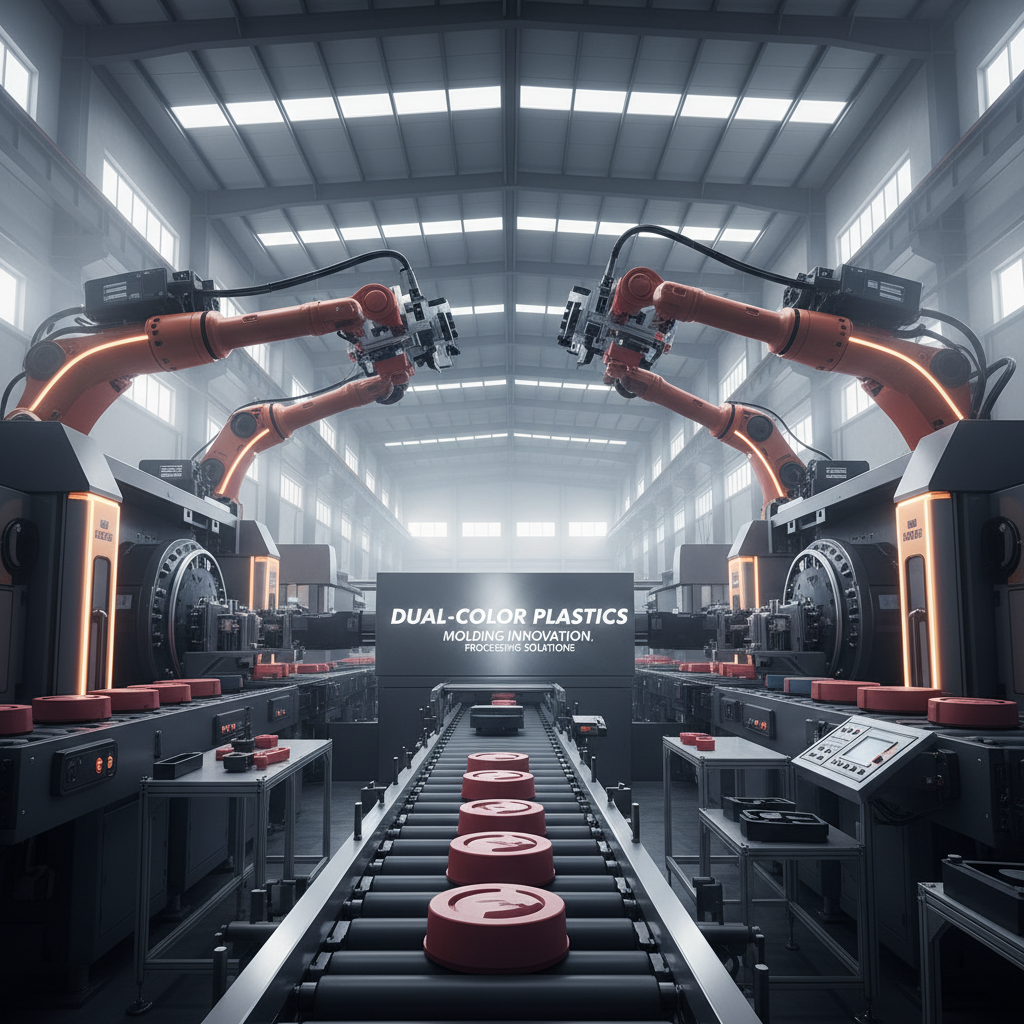
The Advantages of Two-Color Plastic Processing
Utilizing a specialized manufacturer of two-color plastic parts for processing offers significant competitive advantages. The primary benefit is the seamless bonding of two different polymers, which creates a stronger joint than traditional gluing or ultrasonic welding. This process is ideal for creating "soft-touch" grips, where a hard plastic core is overmolded with a flexible TPE or TPU material. Beyond functionality, the visual impact of integrated colors enhances brand identity and user experience, making products look more sophisticated and professional.
Core Benefits: Reduced assembly time, enhanced structural integrity, superior aesthetic versatility, and the ability to combine materials with contrasting properties (e.g., rigid and flexible).
Material Compatibility in Two-Color Molding
One of the most technical aspects of working with a manufacturer of two-color plastic parts for processing is selecting materials that bond chemically. Not all plastics are compatible; for instance, combining a polar plastic with a non-polar one without a tie-layer can lead to delamination. Experts typically pair ABS with TPU or Polycarbonate with TPE to achieve high-performance results. Understanding the shrinkage rates of different resins is also vital to prevent warping or internal stress within the finished part.
Common Material Pairings:
• ABS + TPU: Ideal for durable handles and electronic housings.
• PC + TPE: Used for high-impact parts requiring a soft grip.
• PP + TPE: Common in automotive interior components for cost-efficiency.
• Nylon + TPU: High strength combined with wear resistance.
Comparing Traditional vs. Two-Color Processing
When evaluating your production strategy, it is helpful to compare traditional multi-part assembly against the streamlined approach of a manufacturer of two-color plastic parts for processing. While the initial mold cost for two-color injection is higher due to the complexity of the rotating or sliding cores, the long-term operational costs are significantly lower. The elimination of manual assembly steps reduces the margin for human error and drastically cuts the lead time for mass production.
Quality Control for Dual-Injection Parts
Maintaining consistent quality requires a manufacturer of two-color plastic parts for processing that utilizes advanced monitoring systems. Key quality metrics include the interface boundary—ensuring the line between the two colors is sharp and clean without bleeding. Additionally, the "overmold" must be free of air bubbles or sink marks, which can occur if the temperature and pressure are not perfectly synchronized. Rigorous testing, including peel tests and environmental stress cracking tests, ensures that the parts can withstand real-world conditions.
Technical Specifications of Processing Capabilities
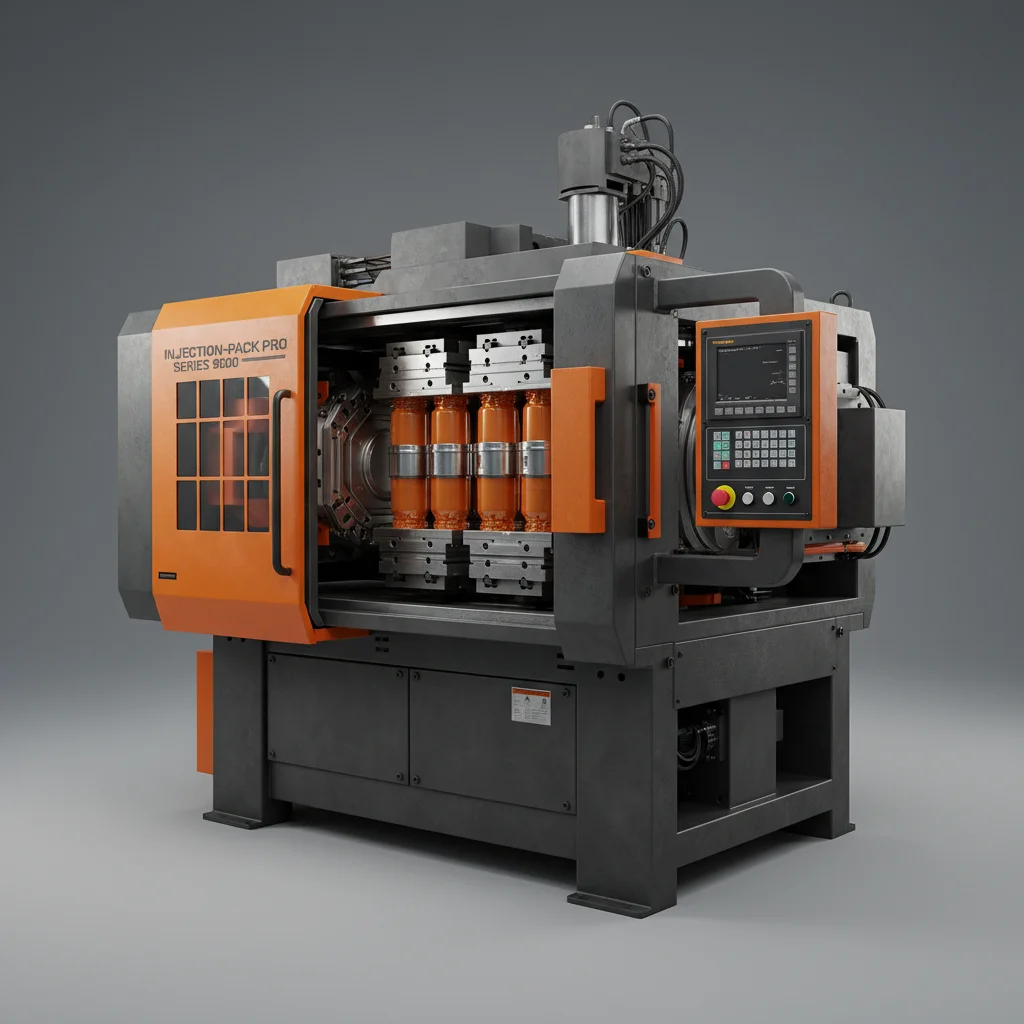
To ensure your project is feasible, it is essential to review the technical capabilities of your chosen manufacturer of two-color plastic parts for processing. From the clamping force of the machines to the maximum part dimensions and the number of cavities, these specifications dictate the scale and speed of your production. High-precision molds are engineered to tolerances within microns, ensuring that every single part is identical.
Conclusion: Optimizing Your Product with Professional Processing
Selecting a qualified manufacturer of two-color plastic parts for processing is a strategic decision that can significantly enhance both the quality and the marketability of your products. By integrating two materials or colors into a single step, you achieve superior bonding, reduced assembly costs, and a high-end aesthetic. From the initial material selection to the final quality inspection, partnering with experts ensures that your design vision is translated into a functional, durable reality. Invest in precision molding to stay ahead in today's competitive global market.
Frequently Asked Questions (FAQs)
What is the main difference between two-color molding and overmolding?
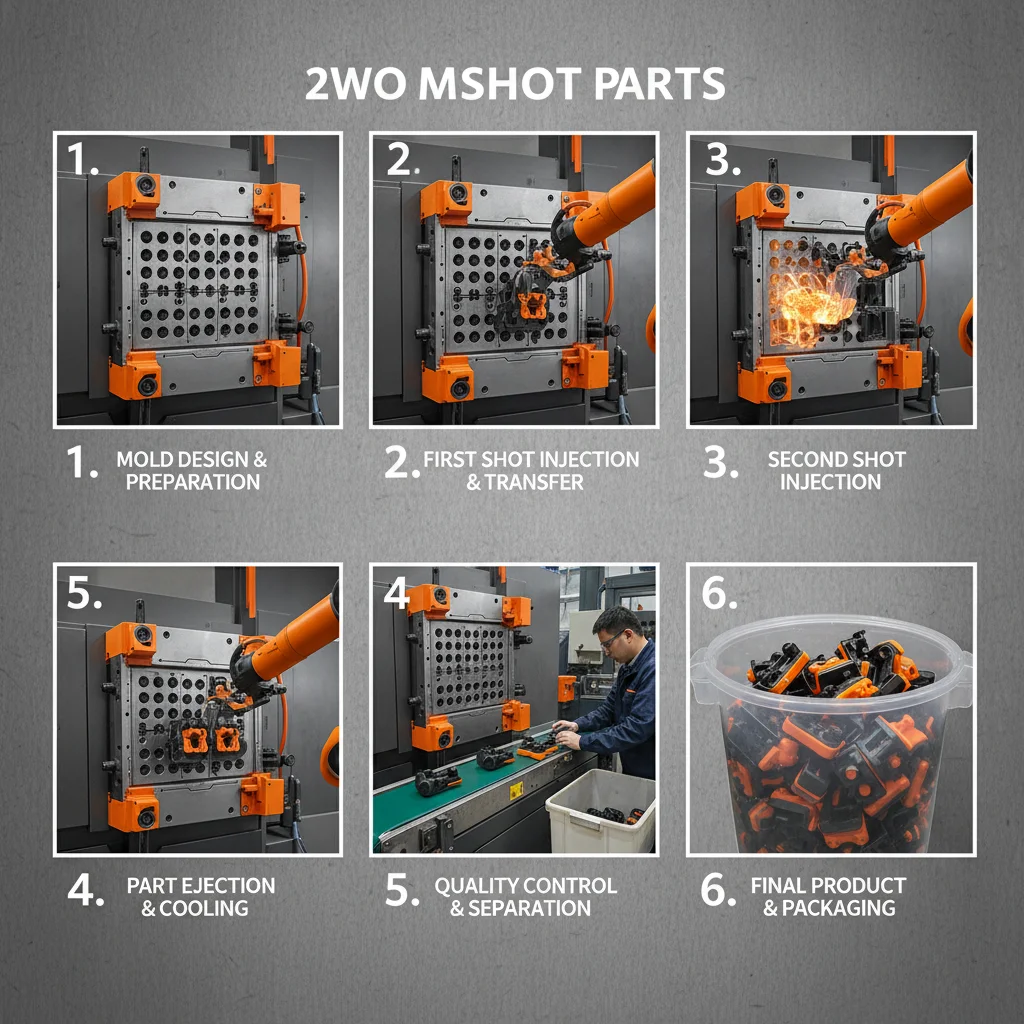
While both processes involve two materials, two-color molding (double-injection) happens in a single machine with two injection units, often using a rotating mold to inject the second material immediately after the first. Overmolding usually involves a two-step process where a pre-molded part is placed into a second mold to have the second material injected over it. Two-color molding is generally faster and more precise for high-volume production, whereas overmolding is more flexible for larger parts or different material types.
How do I know if my materials are compatible for two-color processing?
Material compatibility depends on the chemical similarity and the thermal bonding capability of the resins. A professional manufacturer will perform a compatibility analysis based on the polarity of the polymers. For example, materials like ABS and TPU bond well because they have compatible chemical structures. If you are unsure, your manufacturer can provide samples or suggest "tie-layers" or specific grades of plastics that are engineered to bond securely during the injection process.
Why is the tooling cost higher for a manufacturer of two-color plastic parts?
The cost is higher because the molds are significantly more complex. They require precise mechanisms to rotate, slide, or shift the part from one injection station to another without losing alignment. The mold must also handle two different sets of gating and cooling systems. However, these costs are offset by the drastic reduction in labor costs and the elimination of secondary assembly processes, leading to a lower total cost per part over the life of the project.
Can any color combination be used in two-color processing?
Generally, yes. Any color pigment can be added to the plastic resins. The limitation is not the color itself, but the base material. As long as the two materials chosen for the colors are chemically compatible and bond well, any color combination—from high-contrast neon to subtle gradients—can be achieved. Professional manufacturers can match specific Pantone or RAL colors to ensure your product aligns perfectly with your corporate branding guidelines.
-
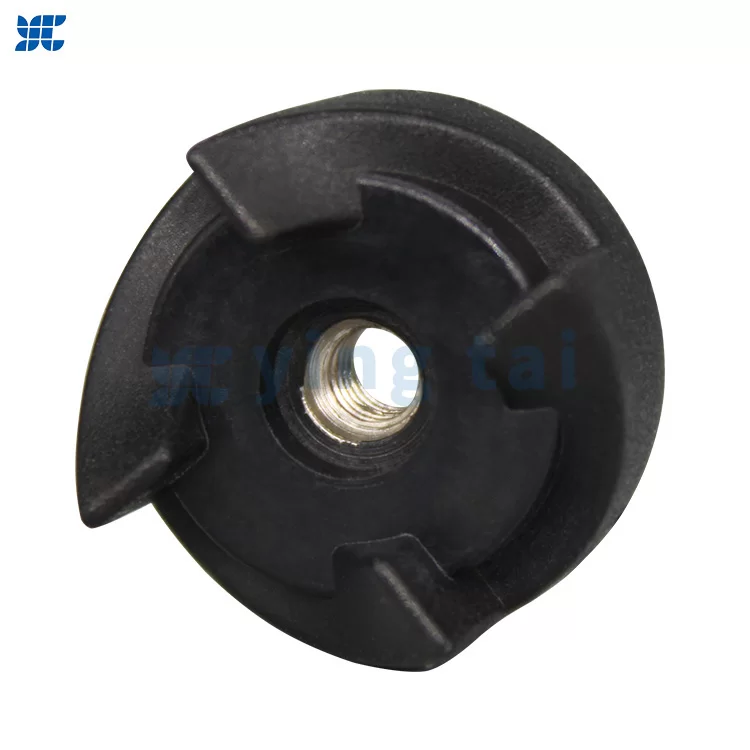 Injection molding includes metal nut parts Plastic wrapped hardware screws Injection molding factory
Built in metal threads, strong embedded anti loosening, plastic appearance is more beautiful, and the structure is sturdy and durable.
-
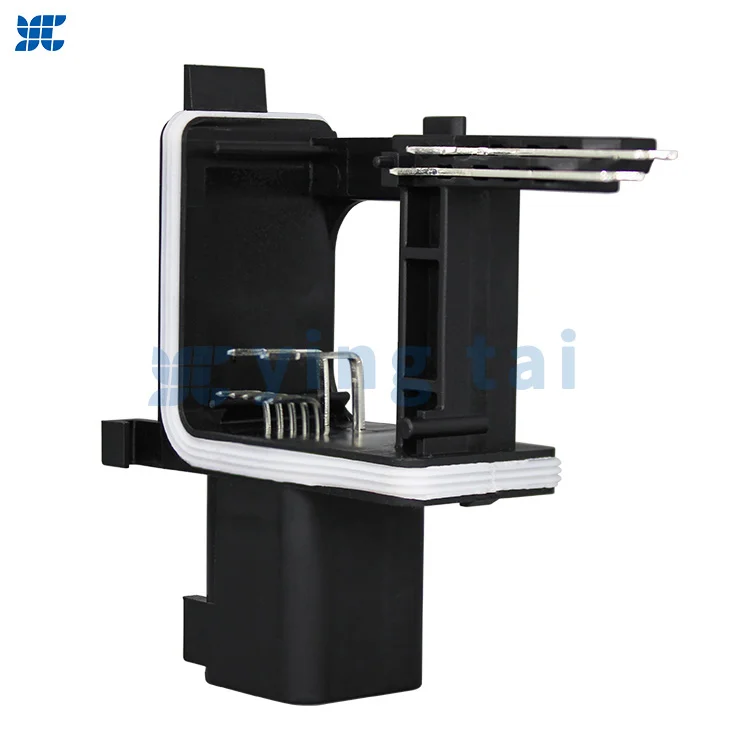
Communication equipment, communication appliances, wireless equipment, Internet equipment, transmission equipment, receivers, terminal equipment, etc. all use liquid silica gel to wrap plastic parts, LSR silica gel to wrap hardware parts, injection molding to wrap plastic parts, etc.
-
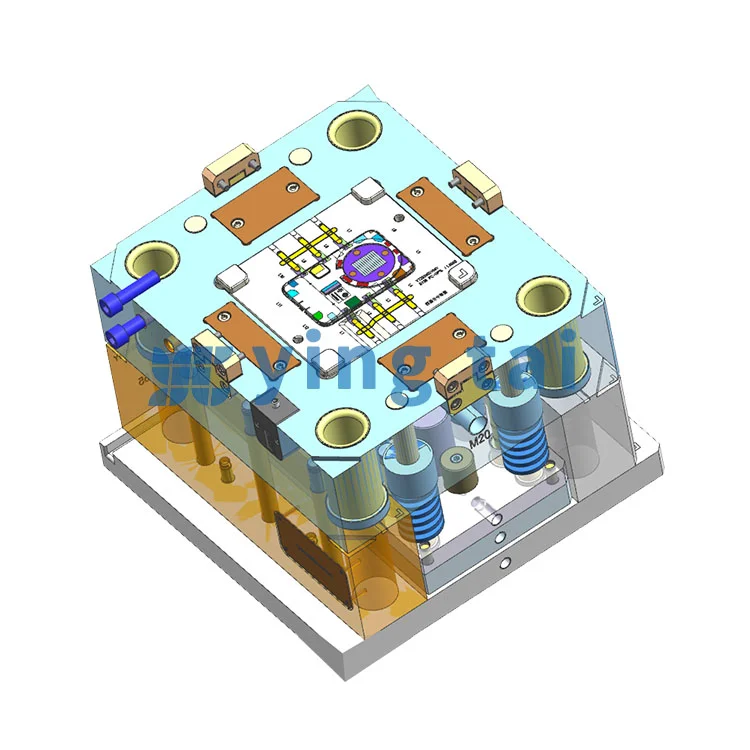
The senior team at Yingtai Factory provides professional solutions for silicone/plastic molds, solving complex structures and achieving excellent products.