Advanced liquid silicone rubber Solutions for Bolivia’s Industries

Advanced liquid silicone rubber Solutions for Bolivia’s Industries

Advanced liquid silicone rubber Solutions for Bolivia's Industries

Precision Molding and Tooling Services for Medical, Industrial, and Consumer Applications in South America.

The Current State of Rubber and Plastics Manufacturing in Bolivia

Challenges and Opportunities in the Bolivian Market.

Bolivia's manufacturing sector, particularly in rubber and plastics, faces unique challenges due to its landlocked geography and developing infrastructure. The industry is heavily reliant on imported raw materials, making it susceptible to global price fluctuations and supply chain disruptions. However, growth in sectors like healthcare, agriculture, and infrastructure is driving demand for specialized rubber and plastic products.

The climate in Bolivia, varying dramatically from the Andes Mountains to the Amazon rainforest, presents specific material requirements. Products must withstand extreme temperatures, UV exposure, and varying humidity levels. This necessitates high-performance materials like liquid silicone rubber capable of maintaining integrity in harsh environments. Local manufacturers are increasingly seeking partnerships with companies offering specialized expertise in material selection and processing.

Bolivia’s economic landscape emphasizes affordability, making cost-effective solutions vital. Local businesses prioritize value, seeking manufacturers who can deliver high-quality products at competitive prices. This requires optimizing production processes and leveraging efficient tooling options, like precision injection molding tooling.
Evolution of Rubber and Plastic Manufacturing in Bolivia

From Traditional Methods to Advanced Technologies.

Market Development History

Historically, Bolivia’s rubber and plastic manufacturing relied heavily on basic processing techniques and imported finished goods. In the 1980s and 90s, limited local production focused on simple plastic products for domestic consumption. The early 2000s saw an increase in small-scale manufacturing with a focus on low-cost, mass-produced items.

The last decade has witnessed a shift towards greater sophistication, driven by increased demand for specialized products. The adoption of silicone rubber molding technologies, particularly for medical applications, has become more prevalent. Simultaneously, the demand for precise injection molding mold designs has increased.

Currently, Bolivian manufacturers are actively investing in upgrading their capabilities. This includes adopting advanced machinery, implementing quality control systems, and seeking partnerships with international expertise to enhance their production processes.

Future Development Trends

Advancements in Material Science

Expect increased utilization of bio-based and recyclable plastics to meet growing sustainability demands. These materials require specialized molding techniques and tooling, driving innovation in the sector.

Automation and Industry 4.0

Integration of automated processes and data analytics will optimize production efficiency, reduce costs, and enhance quality control. Smart tooling and real-time monitoring will become standard.

Micro-Molding and Miniaturization

The demand for smaller, more complex components, particularly in medical devices and electronics, will drive the adoption of micro-molding technologies and highly precise tooling.

Industry Trends and Future Outlook in Bolivia

Navigating the Future of Rubber and Plastics Manufacturing.

Growing Healthcare Demand
Increased investment in Bolivia’s healthcare sector will drive demand for medical-grade liquid silicone rubber components, including tubing, seals, and implants.
Agricultural Sector Expansion
Bolivia's growing agricultural industry requires durable plastic components for irrigation systems, packaging, and equipment, creating opportunities for specialized injection molding tooling.
Infrastructure Development
Government investments in infrastructure projects, such as roads, housing, and sanitation, will require large volumes of plastic pipes, fittings, and building materials.
Sustainability Focus
Growing awareness of environmental issues will drive demand for recyclable and biodegradable plastic solutions, pushing manufacturers to adopt eco-friendly practices.

Industry Outlook

The Bolivian rubber and plastics manufacturing sector is poised for moderate growth over the next 3-5 years. This growth will be fueled by the factors mentioned above, as well as increasing foreign investment and a more favorable regulatory environment. Successful manufacturers will prioritize innovation, quality, and sustainability.

However, challenges remain. Access to skilled labor, consistent energy supply, and efficient logistics will be crucial for maximizing the industry’s potential. Collaboration between local businesses and international partners will be key to overcoming these hurdles and driving sustainable development.

Local Application Scenarios in Bolivia

Specific Use Cases Tailored to the Bolivian Market.

1. Medical Device Components

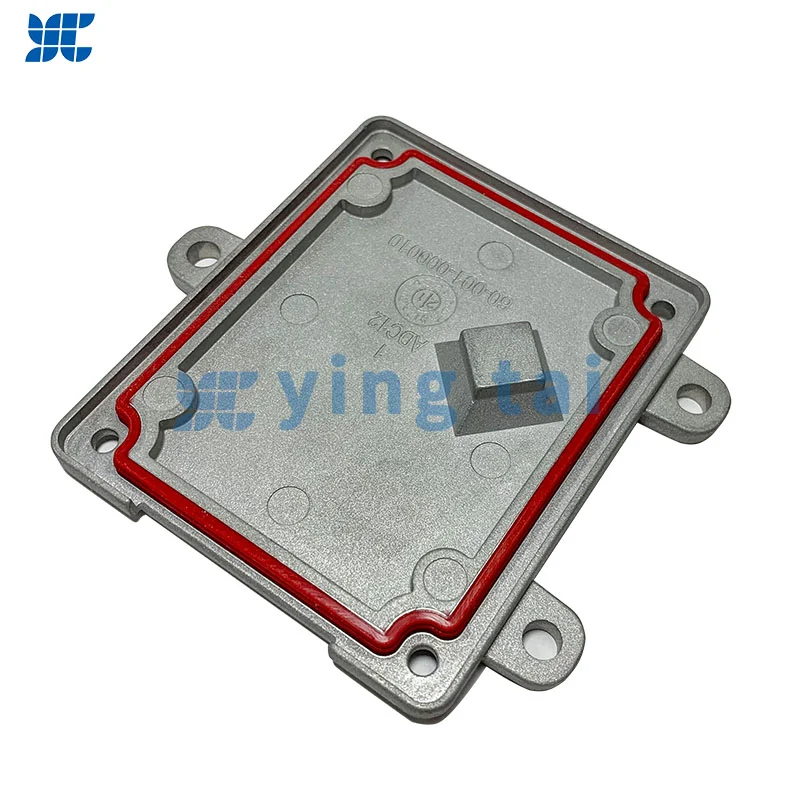
Bolivia’s expanding healthcare system requires reliable medical devices. Liquid silicone rubber components, such as seals and gaskets, are crucial for ensuring the safety and efficacy of medical equipment.

2. Agricultural Irrigation Systems

With a significant agricultural sector, Bolivia needs durable and efficient irrigation systems. Injection molding can produce cost-effective and reliable plastic components for these systems.

3. Packaging for Agricultural Products

Protecting Bolivia’s agricultural exports requires robust and food-grade plastic packaging. Specialized molding techniques can create containers that preserve product quality during transportation.

4. Automotive Parts for Local Vehicle Assembly

The emerging automotive industry in Bolivia needs localized sourcing of plastic components. Precision injection molding tooling is essential for manufacturing high-quality automotive parts.

Brand Story

The Global Journey of Guangdong Yitai Precision Technology Co., Ltd.

Our Commitment to Precision

At Yitai, we are dedicated to delivering high-precision lsr moulding and tooling solutions, enabling our clients to succeed in competitive markets.

Focus on Quality

We adhere to rigorous quality control standards throughout the manufacturing process, ensuring the highest levels of product reliability and performance.

Innovation and Technology

We invest continuously in advanced technologies and research and development to stay at the forefront of the rubber and plastics industry.

Customer-Centric Approach

We prioritize building strong relationships with our clients, providing customized solutions and exceptional customer service.

Global Reach, Local Expertise

We serve customers worldwide, offering a unique blend of global expertise and local understanding.

Frequently Asked Questions – Bolivia

Addressing Common Concerns in the Bolivian Market.

What is the typical lead time for custom injection molding tooling in Bolivia?

Lead times vary depending on the complexity of the tool and material availability. Generally, expect 4-8 weeks for standard tooling, and 8-12 weeks for more intricate designs.

What materials are best suited for outdoor applications in Bolivia's climate?

UV-resistant plastics like polypropylene (PP) and high-density polyethylene (HDPE) are ideal for outdoor use. Liquid silicone rubber also offers excellent resistance to temperature and UV degradation.

Do you offer design assistance for new product development?

Yes, our experienced engineers can provide design assistance, including material selection, mold flow analysis, and prototyping.

What quality control measures do you have in place?

We implement a rigorous quality control system, including dimensional inspections, material testing, and visual inspections at every stage of the manufacturing process.

Can you provide lsr moulding for medical-grade components?

Yes, we specialize in manufacturing medical-grade components using biocompatible liquid silicone rubber and adhering to strict regulatory requirements.

What are the shipping costs and logistics for delivering products to Bolivia?

Shipping costs depend on the size and weight of the shipment, as well as the chosen shipping method. We work with reliable logistics partners to ensure efficient and cost-effective delivery to Bolivia.

Let's Discuss Your Project in Bolivia

Partner with us for innovative rubber and plastic solutions tailored to the unique needs of the Bolivian market.

Contact Us Now