LSR Moulding Solutions for the German Market

LSR Moulding Solutions for the German Market

LSR Moulding Solutions for the German Market

Precision engineering and high-quality liquid silicone rubber products for diverse industrial applications in Germany.

Current State of the Rubber and Plastics Industry in Germany

Analyzing the market dynamics and challenges facing manufacturers in the German landscape.

Germany boasts a robust and highly competitive rubber and plastics industry, driven by its strong automotive, medical, and engineering sectors. The demand for high-performance materials, particularly liquid silicone rubber, is consistently high due to its exceptional properties and suitability for critical applications. The sector is characterized by a focus on innovation, sustainability, and adherence to strict quality standards.

Geographically, manufacturing clusters are concentrated in regions like Bavaria, Baden-Württemberg, and North Rhine-Westphalia, benefiting from established supply chains and skilled labor. However, the industry faces challenges such as rising raw material costs, increasing energy prices, and a shortage of qualified personnel. These factors necessitate efficient production processes and a commitment to digitalization.

The German market is deeply influenced by “Industrie 4.0”, pushing for smart manufacturing and automation. This translates to demand for tooling and moulding solutions capable of supporting high-volume, precise, and data-driven production. Furthermore, the stringent regulatory environment—particularly in medical applications—requires manufacturers to demonstrate compliance and traceability.
Evolution of Rubber and Plastics Manufacturing in Germany

Tracing the technological advancements and key milestones in the industry’s development.

Market Development History

The German rubber and plastics industry began to take shape in the late 19th and early 20th centuries, initially focused on basic rubber products for transportation and industrial use. The post-World War II era saw rapid expansion driven by the “Wirtschaftswunder” (economic miracle) and growing consumer demand. Early injection molding was primarily utilized for larger, simpler parts.

The 1980s and 90s witnessed the introduction of computer-aided design (CAD) and computer-aided manufacturing (CAM) technologies, revolutionizing tooling and moulding processes. This allowed for greater precision, complexity, and efficiency. Concurrently, the rise of thermoplastics and engineering polymers broadened the range of applications. Injection molding tooling became increasingly sophisticated.

The 21st century has been marked by the integration of advanced materials, automation, and digitalization. Liquid silicone rubber gained prominence due to its biocompatibility and resistance to extreme temperatures, becoming a material of choice for medical and automotive components. The trend toward miniaturization and micro-moulding has further driven innovation.

Future Development Trends

Advanced Material Development

Ongoing research into new polymer formulations and composite materials promises to unlock even more specialized applications. Expect to see increased demand for materials with enhanced mechanical properties, chemical resistance, and sustainability profiles.

Digitalization and Automation

The implementation of Industrial IoT (IIoT) and machine learning will enable predictive maintenance, optimized process control, and real-time quality monitoring. Fully automated production lines will become increasingly common.

Sustainable Manufacturing Practices

Driven by regulatory pressures and consumer demand, the industry will continue to prioritize sustainability. This includes utilizing recycled materials, reducing energy consumption, and minimizing waste.

Industry Trends and Future Outlook for German Rubber and Plastics Manufacturing

Predicting the future trajectory of the industry, considering technological advancements and market forces.

Micro-Moulding & Precision Engineering
Demand for extremely small and intricate components will fuel growth in micro-moulding capabilities. German manufacturers will need to invest in advanced tooling and process control to meet these requirements.
Increased Automation & Robotics
Robotics and automated systems will become indispensable for improving efficiency, reducing labor costs, and ensuring consistent quality.
Focus on Sustainable Materials
The push for circular economy principles will drive the adoption of bio-based plastics, recycled materials, and biodegradable polymers.
Advanced Simulation & Process Optimization
Sophisticated simulation software will be used to optimize mould designs, predict material behavior, and minimize defects.

Industry Outlook

The German rubber and plastics industry is projected to experience moderate growth over the next 3-5 years, driven by innovation and the demand for high-performance materials. The successful integration of digitalization and automation will be key to maintaining competitiveness.

Manufacturers who prioritize sustainability, invest in advanced technologies, and cultivate a skilled workforce will be best positioned to capitalize on the opportunities presented by the evolving market landscape.

Local Application Scenarios in Germany

Exploring real-world applications of liquid silicone rubber and injection moulding in various German industries.

1. Automotive Components

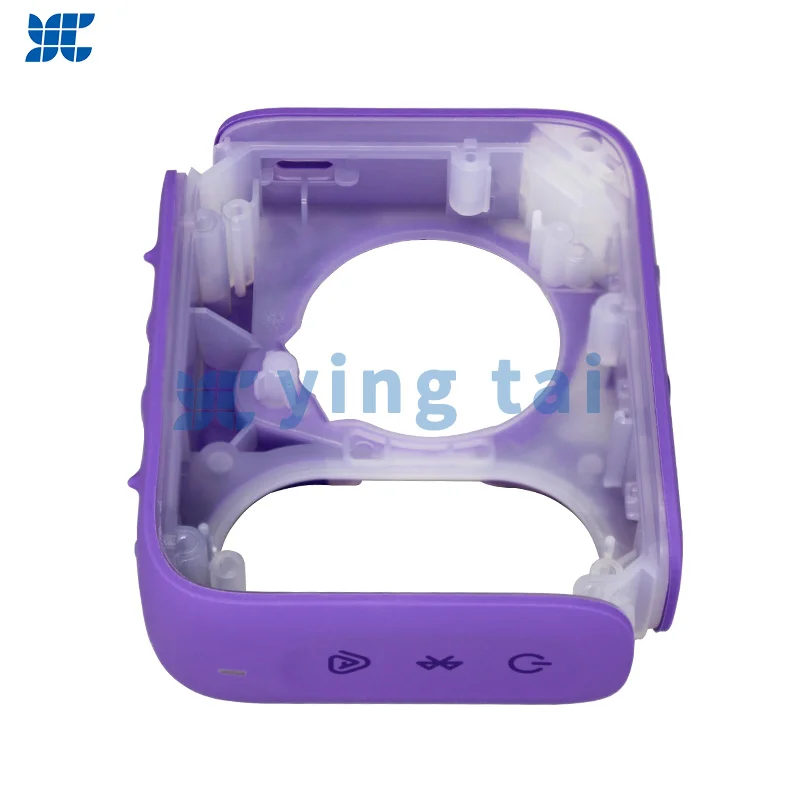
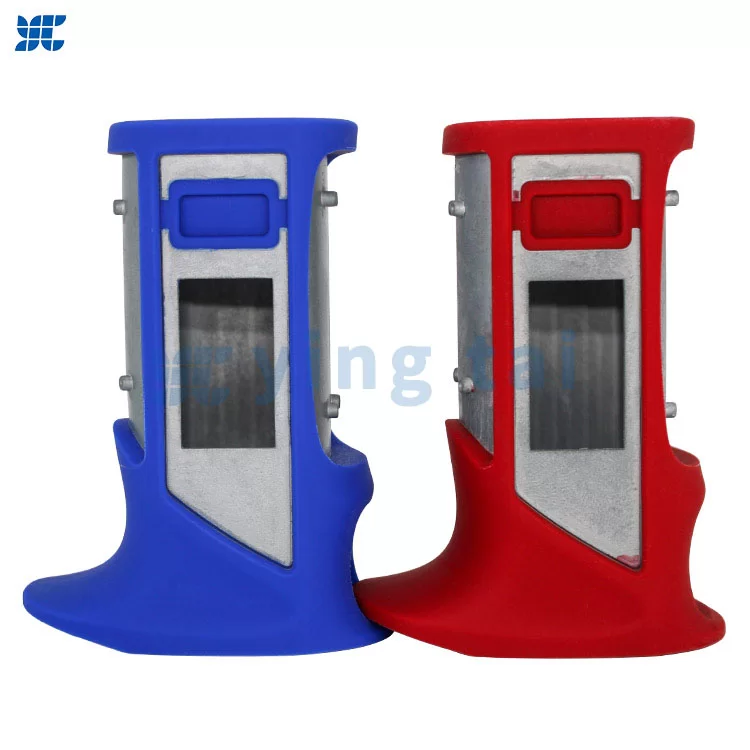
Germany's automotive industry is a major consumer of LSR for seals, gaskets, hoses, and vibration dampeners. The demanding requirements for temperature resistance, durability, and precision make silicone rubber moulding ideal for these applications.

2. Medical Devices

The medical technology sector in Germany relies heavily on LSR for biocompatible components such as seals, valves, and tubing. The material's sterilizability and chemical resistance are crucial for medical applications.

3. Electrical Connectors & Seals

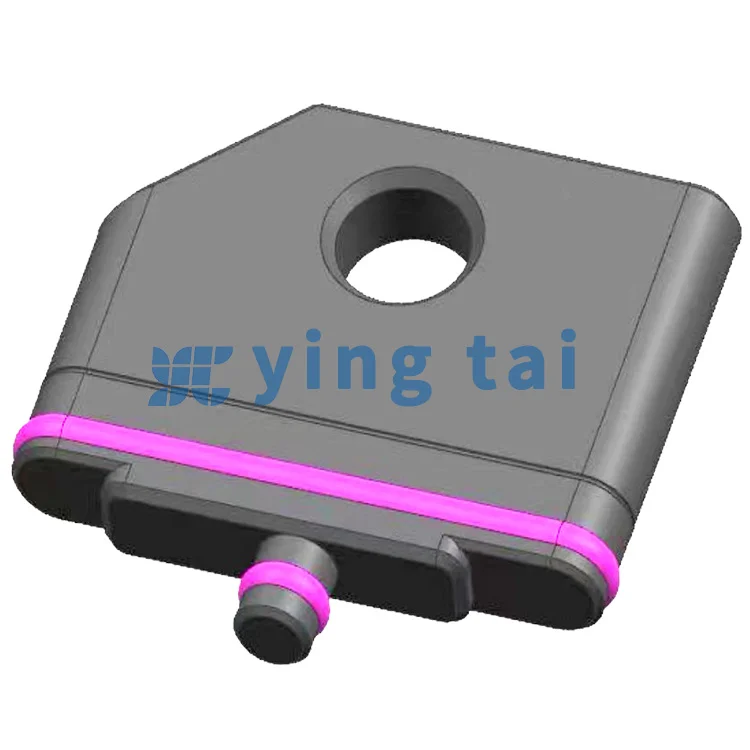
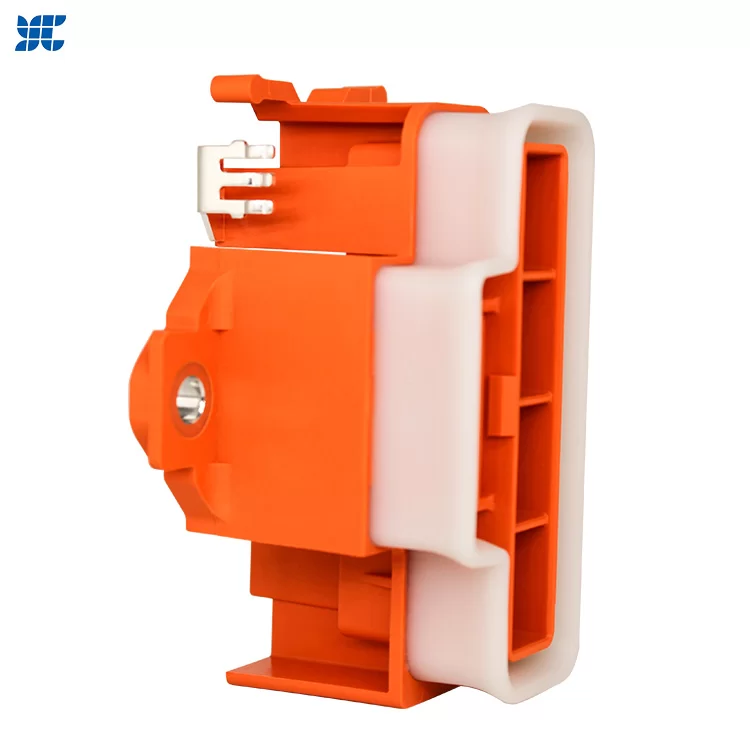
German electrical and electronics manufacturers utilize LSR for high-performance connectors, seals, and insulators. The material's excellent dielectric properties and temperature resistance ensure reliable operation.

4. Industrial Equipment & Seals

LSR is widely used in industrial equipment for seals, gaskets, and vibration damping. Its ability to withstand harsh environments and extreme temperatures makes it a reliable choice for demanding applications.

Brand Story

The global development of Guangdong Yingtai High-Precision Technology Co., Ltd.

Our Commitment to Precision

We are dedicated to providing innovative injection molding tooling and LSR moulding solutions that meet the most demanding specifications.

Solving Complex Engineering Challenges

We thrive on tackling challenging projects and delivering customized solutions that exceed our clients' expectations.

Quality & Reliability

We maintain rigorous quality control standards throughout the entire manufacturing process, ensuring consistent product performance.

Partnerships for Success

We collaborate closely with our clients to build long-term relationships based on trust, transparency, and mutual success.

Driving Innovation in LSR

We are committed to pushing the boundaries of liquid silicone rubber technology and delivering cutting-edge solutions.

Frequently Asked Questions - German Market

Answers to common questions about our products and services in Germany.

What are the typical lead times for custom injection molding tooling in Germany?

Lead times vary depending on the complexity of the mould, but typically range from 4-8 weeks for standard tooling and 8-12 weeks for complex multi-cavity moulds. We provide detailed timelines during the quoting process.

Do you offer design assistance for LSR components?

Yes, our experienced engineers can provide design assistance to optimize your LSR component for manufacturability and performance. We utilize advanced CAD/CAM software and can offer design for manufacturability (DFM) analysis.

What quality certifications do you hold?

We are ISO 9001 certified, demonstrating our commitment to quality management systems. We also adhere to industry-specific standards for medical and automotive applications, ensuring compliance with relevant regulations.

What materials are compatible with your lsr moulding process?

We work with a wide range of LSR grades, as well as other thermoplastic elastomers (TPEs). We can also accommodate customer-specified materials.

How do you ensure the confidentiality of our designs?

We understand the importance of protecting your intellectual property. We have strict confidentiality agreements in place and utilize secure data management systems.

What is the typical tolerance achievable with your precision silicone rubber molding process?

We can consistently achieve tolerances of ±0.02mm or better, depending on the part geometry and material. We utilize advanced process control techniques and precision tooling.

Get in Touch – Germany

We are your trusted partner for high-precision moulding solutions in Europe, specifically Germany. Contact us today to discuss your project requirements.

Contact Us Now