Liquid Silicone Rubber Molding Solutions for Iran

Liquid Silicone Rubber Molding Solutions for Iran

Liquid Silicone Rubber Molding Solutions for Iran

Precision LSR and Plastic Molding Services tailored for the Iranian Market.

Current State of Rubber and Plastic Manufacturing in Iran

Analyzing the opportunities and challenges for liquid silicone rubber and plastic manufacturing in Iran.

Iran's manufacturing sector, including rubber and plastics, is currently navigating a complex landscape. Sanctions and economic fluctuations have presented significant challenges, impacting access to advanced technologies and raw materials. However, the country possesses a robust domestic demand, particularly in sectors like healthcare, automotive, and consumer goods, creating a consistent need for high-quality rubber and plastic components.

The geographical location of Iran, bordering several key regional markets, presents both opportunities and logistical hurdles. The climate, ranging from arid deserts to mountainous regions, influences the types of materials and manufacturing processes best suited for local applications. Increased domestic production and a focus on import substitution are key drivers in the industry.

Despite these challenges, Iranian manufacturers are demonstrating resilience and adaptability. A growing emphasis on research and development, coupled with increasing investment in local manufacturing capabilities, is positioning the industry for future growth. The demand for specialized products like silicone rubber molding applications continues to rise.
Evolution of Rubber and Plastic Manufacturing in Iran

Tracing the development of the industry from traditional methods to modern technologies.

Market Development History

Initially, Iran's rubber and plastic industry relied heavily on imported materials and basic manufacturing processes. The 1970s saw significant investment in petrochemical infrastructure, laying the foundation for domestic plastic production. However, the Iran-Iraq war in the 1980s disrupted progress and hampered technological advancement.

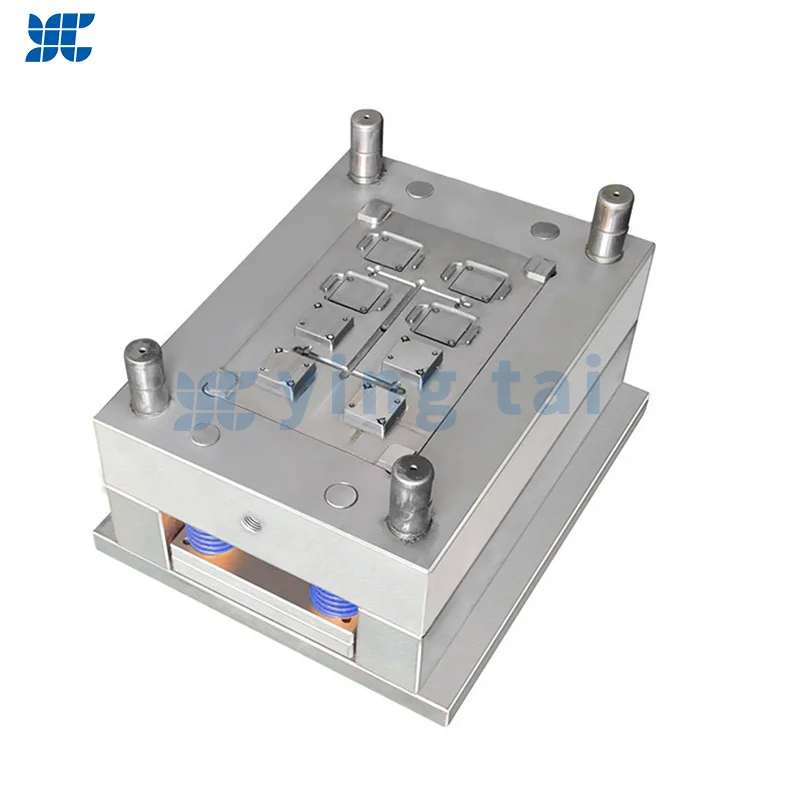
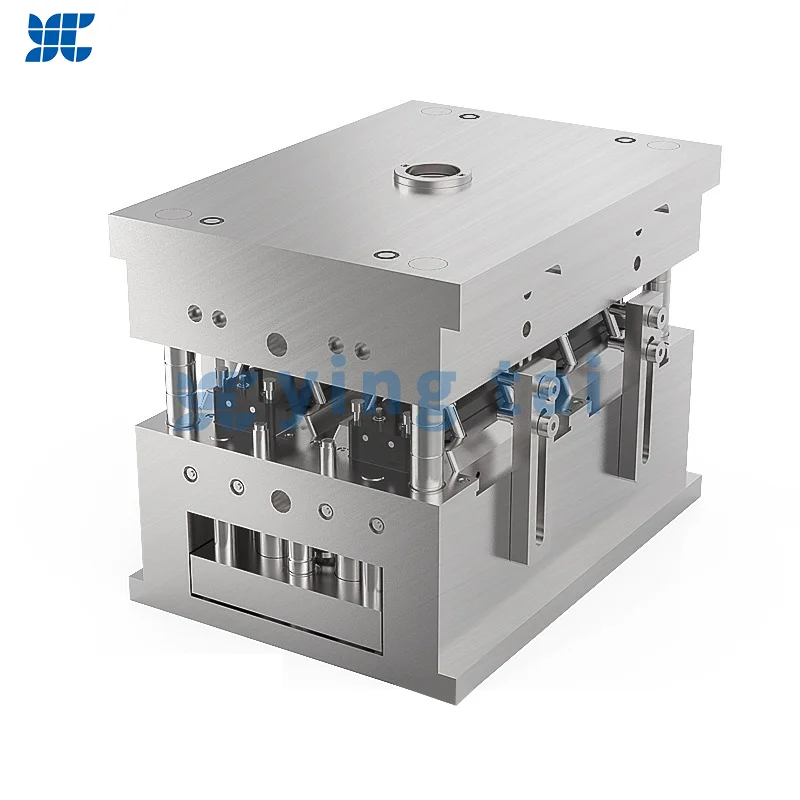
The 1990s and early 2000s witnessed a gradual recovery and a move towards more sophisticated manufacturing techniques. The introduction of injection molding mold technology and increased access to foreign expertise helped to improve product quality and production efficiency. This period saw the rise of small- and medium-sized enterprises (SMEs) specializing in various plastic and rubber products.

The last decade has been marked by a growing emphasis on advanced manufacturing technologies, including liquid silicone rubber (LSR) molding and precision tooling. The increased need for specialized components in sectors like medical devices has driven demand for high-quality, customizable solutions.

Future Development Trends

Automation and Robotics

The adoption of automation and robotics will be crucial for enhancing production efficiency and reducing labor costs in the Iranian rubber and plastic industry. This trend aligns with global manufacturing trends and will enable Iranian manufacturers to compete more effectively in international markets.

Sustainable Materials and Processes

Increasing environmental awareness will drive demand for sustainable materials and manufacturing processes. This includes the use of recycled plastics, bio-based polymers, and energy-efficient molding technologies.

Advanced Molding Technologies

The adoption of advanced molding technologies, such as two-shot molding and micro-molding, will enable the production of complex and highly precise components for specialized applications. LSR moulding will be increasingly popular due to its versatility and biocompatibility.

Industry Trends and Future Outlook for Rubber and Plastic Manufacturing in Iran

Exploring the emerging trends and potential growth areas for the Iranian market.

Growing Healthcare Sector
The expanding healthcare industry in Iran is driving demand for medical-grade silicone rubber components, including seals, tubing, and prosthetics.
Automotive Industry Demand
Iran's automotive sector requires a wide range of rubber and plastic components, including seals, gaskets, and interior parts.
Consumer Goods Expansion
The growing middle class in Iran is driving demand for consumer goods, creating opportunities for manufacturers of plastic packaging, household items, and appliances.
Increased Focus on Quality
Iranian manufacturers are increasingly prioritizing product quality and seeking advanced molding solutions to meet international standards.

Industry Outlook

The Iranian rubber and plastic industry is poised for growth, driven by domestic demand and increasing investment in advanced technologies. Overcoming logistical challenges and securing access to quality raw materials will be critical for sustained success. The demand for specialized injection molding tooling will also see an uptick.

The sector is expected to see significant expansion in the next 3-5 years, fueled by the growth of key end-use industries and a renewed focus on export markets. Embracing innovation and sustainability will be essential for Iranian manufacturers to compete effectively on a global scale.

Localized Applications in the Iranian Market

Examples of how rubber and plastic products are used in various sectors across Iran.

1. Medical Device Components

Iran's expanding healthcare sector requires high-quality silicone rubber components for medical devices, such as catheters, seals, and tubing. These components must meet strict regulatory standards and ensure biocompatibility.

2. Automotive Seals and Gaskets

The automotive industry in Iran relies on durable rubber seals and gaskets to prevent leaks and ensure optimal engine performance. Demand for high-performance materials capable of withstanding extreme temperatures and pressures is increasing.

3. Food Packaging Materials

The food processing industry in Iran requires safe and hygienic plastic packaging materials to preserve food quality and extend shelf life. Increasingly, there is a demand for recyclable and biodegradable packaging solutions.

4. Household Appliance Parts

Iran's growing consumer market drives demand for plastic components used in household appliances, such as refrigerators, washing machines, and air conditioners. Cost-effectiveness and durability are key considerations.

Brand Story

The Global Development Journey of Guangdong Yingtai High-Precision Technology Co., Ltd.

Our Commitment to Precision

Guangdong Yingtai High-Precision Technology Co., Ltd. was founded on a commitment to delivering exceptional precision and quality in rubber and plastic molding. We understand the unique challenges faced by manufacturers in demanding industries like medical and automotive, and we strive to provide solutions that exceed expectations.

Investing in Cutting-Edge Technology

We continuously invest in state-of-the-art molding equipment and advanced tooling technologies to ensure that we can meet the evolving needs of our clients. Our commitment to innovation allows us to deliver complex geometries and tight tolerances.

Serving a Global Clientele

We proudly serve a diverse range of clients across the globe, from small startups to large multinational corporations. We are committed to building long-term partnerships based on trust, reliability, and exceptional customer service.

Focus on Sustainability

We are dedicated to minimizing our environmental impact through responsible manufacturing practices and the use of sustainable materials whenever possible. We believe in creating a positive future for our planet.

Partnering for Success

Our mission is to empower our clients to succeed by providing them with the highest quality rubber and plastic molding solutions, coupled with exceptional technical support and customer service.

Frequently Asked Questions - Iran Market

Answers to common questions about our services and capabilities in Iran.

What is the lead time for a custom injection molding mold project in Iran?

Lead times vary depending on the complexity of the mold and the material used. Typically, a custom mold can be delivered within 4-8 weeks after design approval.

What materials do you use for liquid silicone rubber molding?

We work with a wide range of LSR materials, including medical-grade silicone, food-grade silicone, and general-purpose LSR. We can also source custom formulations to meet specific requirements.

Do you offer design assistance for silicone rubber molding projects?

Yes, our team of experienced engineers can provide design assistance to optimize your parts for manufacturability and performance. We can help with material selection, mold design, and prototyping.

What quality control measures do you have in place?

We adhere to strict quality control standards throughout the entire manufacturing process, including incoming material inspection, in-process inspection, and final product inspection. We utilize advanced measuring equipment to ensure dimensional accuracy.

Can you handle low-volume production runs for specialized parts?

Yes, we are equipped to handle both high-volume production runs and low-volume, specialized orders. We understand the needs of our clients and provide flexible manufacturing solutions.

What are your shipping options to Iran?

We work with trusted international shipping partners to ensure safe and reliable delivery to Iran. Shipping options and timelines will vary depending on your location and the size of the shipment.

Get in Touch with Us

Let us help you with your rubber and plastic molding needs in Iran.

Contact Us Now