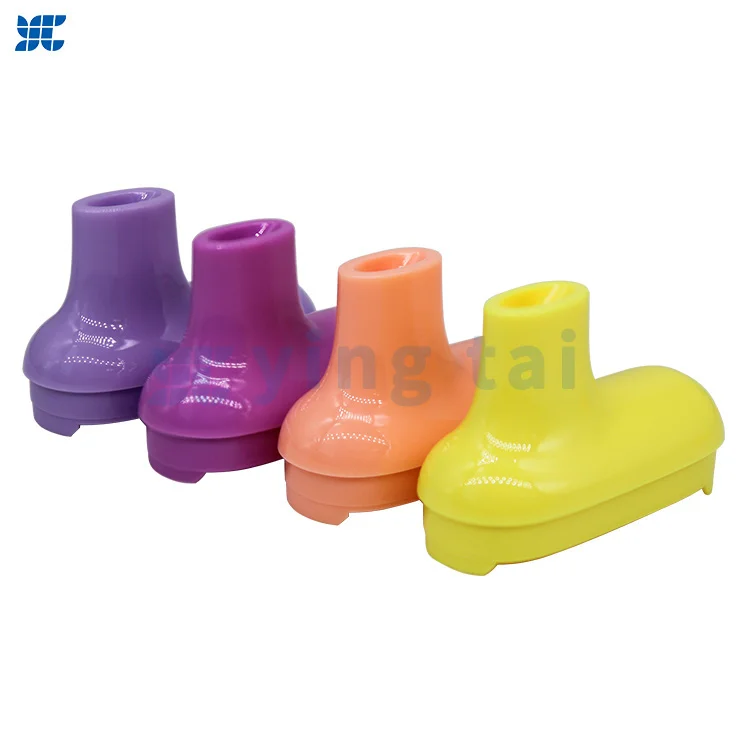
Liquid Silicone Rubber Molding Solutions in India

Liquid Silicone Rubber Molding Solutions in India

Liquid Silicone Rubber Molding Solutions in India

Expertise in LSR moulding, injection molding tooling, and silicone rubber molding for diverse industries across India.

The Current Landscape of Rubber & Plastics Manufacturing in India

An assessment of the opportunities and challenges in the Indian rubber and plastics industry.

India's rubber and plastics manufacturing sector is experiencing robust growth, driven by increasing domestic demand and a rising automotive, healthcare, and consumer goods industry. The strategic geographic location and relatively lower labor costs make India a compelling destination for both domestic and international manufacturers. However, challenges related to infrastructure, raw material sourcing, and skilled labor remain.

The Indian market is highly competitive, with a mix of large established players and smaller, regional companies. Demand for specialized polymers, like silicone rubber molding and high-precision injection molding mold components, is on the rise, particularly in the medical and pharmaceutical sectors. Quality control and adherence to international standards are becoming increasingly important for success.

The regional variations within India also play a significant role. Manufacturing hubs in states like Maharashtra, Gujarat, and Tamil Nadu benefit from established infrastructure and supportive government policies. Understanding these regional nuances is crucial for businesses operating in this market. Growing environmental consciousness and demand for sustainable materials are adding new dimensions to the sector.
Evolution of Rubber and Plastics Manufacturing in India

Tracing the journey from traditional methods to advanced technologies.

Market Development History

Historically, the Indian rubber and plastics industry relied heavily on traditional processing techniques. Post-independence, the sector experienced significant growth with the establishment of state-owned enterprises. The 1990s liberalization policies spurred further investment and technological advancements.

The early 2000s witnessed the adoption of advanced technologies such as computer-aided design (CAD) and computer-aided manufacturing (CAM). This enabled the production of more complex and precise components. The introduction of advanced materials like engineering plastics and high-performance elastomers broadened the industry's application scope.

More recently, the focus has shifted towards automation, lean manufacturing, and Industry 4.0 principles. The use of robotics, data analytics, and IoT (Internet of Things) is becoming increasingly prevalent, improving efficiency, reducing waste, and enhancing product quality. Injection molding tooling precision has increased exponentially.

Future Development Trends

Advanced Materials Research

Continued innovation in material science is expected to drive future growth. This includes the development of bio-based plastics, recyclable polymers, and high-performance elastomers with enhanced properties.

Digitalization and Automation

The adoption of digital technologies, such as AI, machine learning, and cloud computing, will accelerate automation and enable predictive maintenance, optimizing production processes.

Sustainability and Circular Economy

The industry will increasingly focus on sustainable manufacturing practices, including waste reduction, energy efficiency, and the development of closed-loop recycling systems.

Industry Trends and Future Outlook for Rubber & Plastics in India

Exploring the future of the sector and emerging opportunities.

Growth in Automotive Sector
The Indian automotive industry is a major consumer of rubber and plastics. Increased vehicle production and the shift towards electric vehicles will drive demand for specialized components.
Expanding Healthcare Industry
The growing healthcare sector requires a wide range of medical-grade rubber and plastic products, including syringes, tubing, and surgical instruments. Demand for liquid silicone rubber is particularly strong.
Rising Consumer Goods Demand
Increased disposable incomes and changing lifestyles are driving demand for consumer goods, creating opportunities for manufacturers of plastic packaging, household appliances, and personal care products.
Government Initiatives & Infrastructure Development
Government initiatives such as “Make in India” and investments in infrastructure are fostering growth and attracting foreign investment to the sector.

Industry Outlook

The Indian rubber and plastics industry is poised for continued growth over the next 5-10 years, driven by strong domestic demand and favorable government policies. Focus on sustainable practices and advanced technologies will be crucial for long-term success. The demand for high-quality injection molding mold will escalate.

Companies that invest in research and development, adopt digital technologies, and prioritize sustainability will be well-positioned to capture market share and thrive in this dynamic environment.

Local Applications of Rubber & Plastics in the Indian Market

Specific examples of how these materials are used across various sectors in India.

1. Automotive Components

India’s rapidly expanding automotive industry relies heavily on rubber and plastic components for tires, seals, hoses, interior parts, and exterior trim. Demand for lightweight and durable materials is increasing as automakers focus on fuel efficiency and safety.

2. Medical Devices

The healthcare sector utilizes a wide range of medical-grade rubber and plastic products, including syringes, catheters, IV bags, and surgical gloves. Stringent quality standards and biocompatibility are critical in this application.

3. Packaging Materials

The food processing, pharmaceutical, and consumer goods industries require flexible and rigid packaging materials made from plastics. Demand for sustainable and recyclable packaging solutions is growing rapidly.

4. Agricultural Applications

Rubber and plastics are used in irrigation systems, greenhouse films, and agricultural machinery components. Durable and weather-resistant materials are essential for these applications.

5. Infrastructure Development

Plastic pipes, fittings, and other construction materials are playing a vital role in India’s infrastructure development projects, offering durability, corrosion resistance, and cost-effectiveness.

Brand Story

The Global Journey of Guangdong Yingtai High-Precision Technology Co., Ltd.

Foundation & Commitment to Quality

Established with a commitment to delivering high-precision rubber and plastic molding solutions, we began by focusing on addressing critical industry challenges with innovative designs and superior materials.

Technological Advancement

We embraced cutting-edge technologies, including advanced injection molding tooling and automated processes, to enhance efficiency and ensure consistent product quality.

Expansion into New Markets

Driven by a desire to serve a wider clientele, we expanded our operations globally, establishing a strong presence in key markets, including India.

Focus on Customer Satisfaction

We prioritize building long-term relationships with our customers by providing personalized support, timely delivery, and exceptional service.

Sustainable Manufacturing

Committed to environmental responsibility, we are adopting sustainable manufacturing practices, minimizing waste, and promoting the use of eco-friendly materials.

Frequently Asked Questions – India

Answers to common questions about our services and solutions.

What is the typical lead time for a custom lsr moulding project in India?

Lead times vary depending on the complexity of the project, but generally range from 4-8 weeks for tooling and 2-4 weeks for production. We prioritize efficient project management to minimize turnaround times.

Do you offer design assistance for new injection molding mold projects?

Yes, our experienced engineering team can provide design assistance, including material selection, mold flow analysis, and manufacturability reviews.

What quality control standards do you adhere to for liquid silicone rubber products?

We adhere to stringent quality control standards, including ISO 9001:2015, and conduct thorough inspections throughout the manufacturing process to ensure product consistency and compliance with customer specifications.

Can you handle low-volume production runs for specialized rubber components?

Yes, we are equipped to handle both high-volume and low-volume production runs, offering flexibility to meet the diverse needs of our customers.

What materials are commonly used for silicone rubber molding in the Indian market?

Commonly used materials include medical-grade silicone, food-grade silicone, and industrial-grade silicone, depending on the specific application and regulatory requirements.

What are the import duties and regulations for importing molds into India?

Import duties and regulations vary depending on the origin of the mold and the specific HS code. We recommend consulting with a customs broker to ensure compliance with all applicable requirements.

Get in Touch with Us

Partner with us for innovative rubber and plastic molding solutions in India. We are dedicated to providing exceptional quality and service to our clients.

Contact Us Now