LSR Moulding Solutions for Rwanda’s Growing Industries

LSR Moulding Solutions for Rwanda’s Growing Industries

LSR Moulding Solutions for Rwanda’s Growing Industries

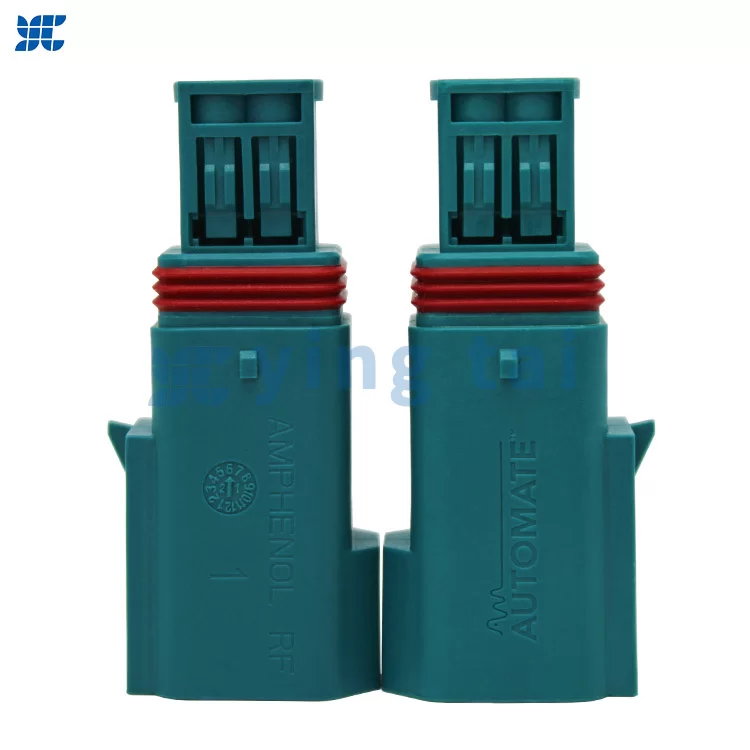
Expert liquid silicone rubber and plastic injection molding services tailored for the African market.

The Current State of Rubber and Plastics Manufacturing in Rwanda

Analyzing the opportunities and challenges within Rwanda's emerging manufacturing landscape.

Rwanda, a nation undergoing rapid economic transformation, presents a unique environment for the liquid silicone rubber and plastics industries. Its strategic location in East Africa, coupled with government initiatives promoting manufacturing, creates a fertile ground for growth. However, challenges such as limited infrastructure and skilled labor availability persist.

The country's focus on sectors like healthcare, agriculture, and packaging drives the demand for high-quality rubber and plastic components. Local manufacturers are increasingly seeking advanced molding solutions to meet international standards and compete effectively in regional markets. The demand for medical-grade silicone rubber molding is particularly notable, reflecting improvements in healthcare access.

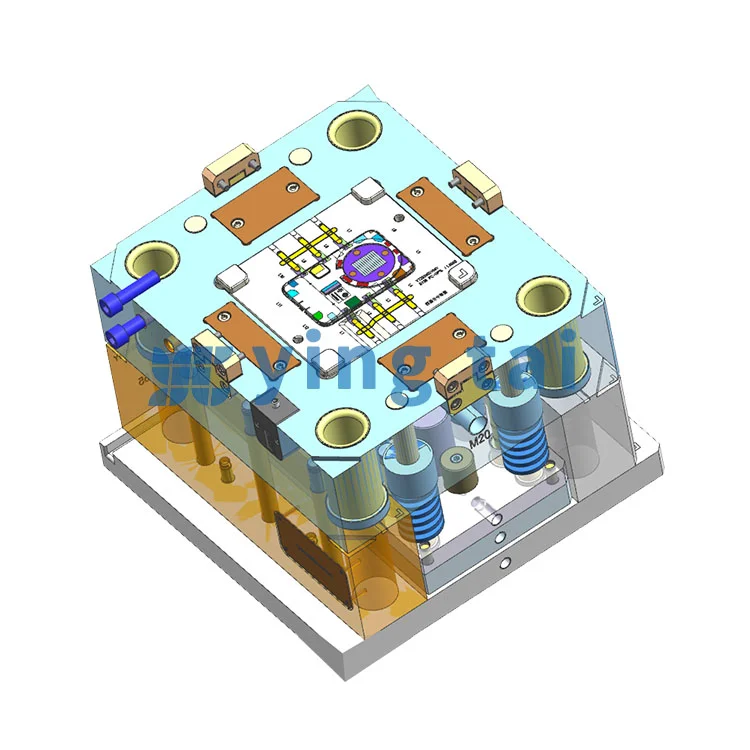
Currently, much of the specialized injection molding mold production relies on imports. Developing local capacity for complex tooling and molding processes is crucial for Rwanda's long-term manufacturing independence and economic diversification. Opportunities lie in attracting foreign investment and fostering partnerships with experienced manufacturers.
Evolution of Molding Technologies in Rwanda

Tracing the development of rubber and plastic manufacturing techniques from traditional methods to modern precision molding.

Market Development History

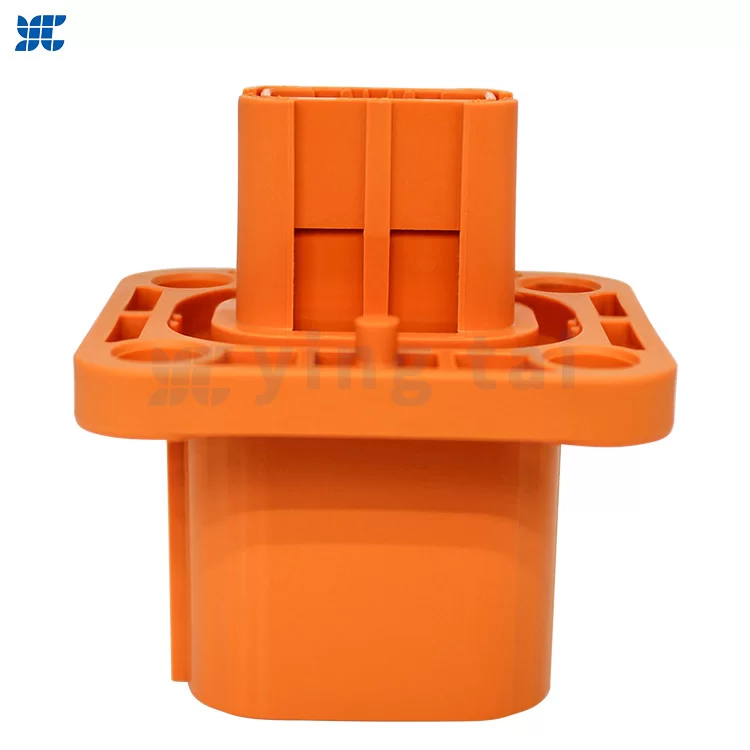
Initially, rubber and plastics processing in Rwanda was largely limited to basic extrusion and simple molding techniques, primarily focused on producing low-cost consumer goods. The 1990s saw a gradual introduction of more sophisticated machinery, but limited access to capital and skilled personnel hindered widespread adoption.

The early 2000s marked a turning point with increased government investment in vocational training and the establishment of industrial parks. This led to the emergence of small and medium-sized enterprises (SMEs) specializing in plastics packaging and basic rubber components. Injection molding tooling started becoming more prevalent, though often reliant on imported molds.

From 2010 onwards, advancements in LSR moulding technology and increasing demand for high-precision components spurred a growing interest in more complex molding processes. The introduction of automation and computerized numerical control (CNC) machines has begun to enhance efficiency and quality, albeit at a slower pace than in more developed countries.

Future Development Trends

Increased Adoption of Automation

Expect to see more automated systems implemented in molding facilities to improve productivity, reduce labor costs, and enhance precision. This will be crucial for competing with lower-cost manufacturers in Asia.

Focus on Sustainable Materials

Growing environmental awareness will drive demand for biodegradable and recyclable plastics, requiring manufacturers to invest in new materials and molding techniques.

Expansion of LSR Applications

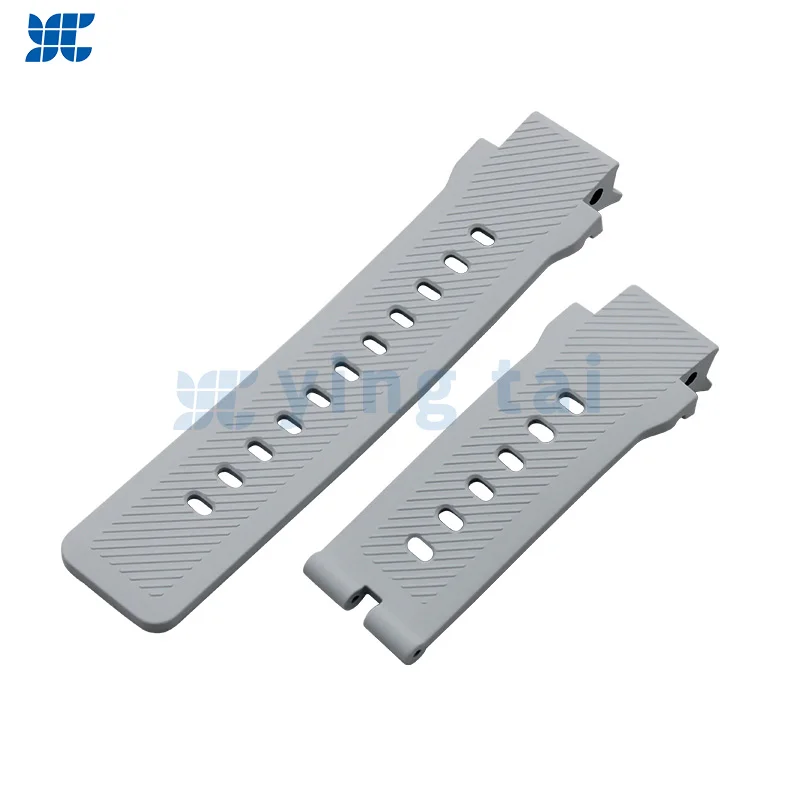
Liquid silicone rubber will find increasing use in medical devices, automotive components, and consumer products due to its unique properties and biocompatibility.

Industry Trends and Future Outlook for Molding in Rwanda

Predicting the trajectory of rubber and plastic molding technologies in the Rwandan market.

Growing Demand for Medical Devices
Rwanda's expanding healthcare sector will significantly increase the demand for precision-molded medical components, particularly those made from liquid silicone rubber.
Rise of Local Packaging Industries
Increased consumption and export of agricultural products will fuel growth in the packaging industry, requiring a reliable supply of injection molding tooling for plastic containers and packaging materials.
Focus on Quality and Certification
Manufacturers will increasingly prioritize quality control and certifications (e.g., ISO standards) to access international markets and meet the demands of discerning customers.
Skills Development and Training
Investments in vocational training programs will be essential to address the shortage of skilled technicians and engineers in the rubber and plastics industries.

Industry Outlook

The Rwandan rubber and plastics industry is poised for significant growth over the next 3-5 years. Government support, increasing investment, and rising demand from key sectors will drive expansion. However, successful implementation will require addressing infrastructure gaps and fostering a skilled workforce.

Strategic partnerships with international manufacturers and technology providers will play a crucial role in accelerating the adoption of advanced molding techniques and enhancing the competitiveness of Rwandan businesses.

Local Applications of Rubber and Plastic Molding in Rwanda

Exploring practical applications of molding technologies within the Rwandan context.

1. Medical Tubing and Components

The growing healthcare sector requires reliable and biocompatible medical tubing, seals, and connectors, which are ideally manufactured using liquid silicone rubber due to its flexibility, sterilization capabilities and inertness.

2. Agricultural Irrigation Systems

Rwanda’s agricultural sector benefits from efficient irrigation systems. Injection molding can produce durable and cost-effective components for drip irrigation, sprinklers, and water storage solutions.

3. Food and Beverage Packaging

The food and beverage industry needs safe and hygienic packaging solutions. Plastic injection molding is used extensively to create bottles, containers, and closures that preserve product quality and extend shelf life.

4. Automotive Parts for Motorcycle Industry

Rwanda has a thriving motorcycle taxi (boda-boda) industry. Locally molded plastic components, such as fairings, mudguards, and housings, can reduce reliance on imports and support local businesses.

Brand Story

The Global Development Journey of Guangdong Yingtai High-Precision Technology Co., Ltd.

Our Commitment to Precision and Quality

Yingtai High-Precision Technology Co., Ltd. is dedicated to providing exceptional LSR moulding and plastic injection molding solutions, empowering businesses in Rwanda to excel in their respective markets.

Advanced Technology and Expertise

We leverage state-of-the-art technology and a team of highly skilled engineers to deliver precision-molded components that meet the most demanding specifications.

Customer-Centric Approach

We prioritize customer satisfaction by providing customized solutions, responsive communication, and on-time delivery.

Sustainable Manufacturing Practices

We are committed to environmentally responsible manufacturing practices, including minimizing waste and utilizing energy-efficient technologies.

Empowering Rwanda’s Industries

We aim to be a trusted partner in Rwanda’s industrial growth, contributing to economic development and creating opportunities for local businesses.

Frequently Asked Questions about Molding Services in Rwanda

Addressing common inquiries regarding LSR moulding and injection molding in the Rwandan market.

What is the typical lead time for a custom injection molding project in Rwanda?

Lead times vary depending on the complexity of the project, including mold design, material selection, and production volume. Generally, you can expect a lead time of 4-8 weeks from design approval to delivery.

What materials are commonly used for liquid silicone rubber molding in Rwanda?

Common materials include medical-grade silicone, food-grade silicone, and general-purpose silicone rubber. The specific material selection depends on the application requirements and regulatory standards.

Can you assist with mold design and prototyping for my project?

Yes, we offer comprehensive mold design and prototyping services. Our engineers can work with your specifications to create a mold that meets your exact requirements.

What quality control measures do you have in place to ensure product consistency?

We implement a rigorous quality control system throughout the entire manufacturing process, including incoming material inspection, in-process monitoring, and final product testing. We adhere to international quality standards.

What is the cost of developing a new injection molding mold for a specific component?

The cost of mold development varies significantly depending on the size, complexity, material, and precision of the component. We provide detailed quotes based on your specific project requirements.

Do you offer any post-molding services, such as assembly or finishing?

Yes, we offer a range of post-molding services, including assembly, surface finishing, printing, and packaging, to provide a complete manufacturing solution.

Get in Touch for Your Molding Needs in Rwanda

We are your trusted partner for high-quality LSR moulding and plastic injection molding solutions in Rwanda and across Africa.

Contact Us Now