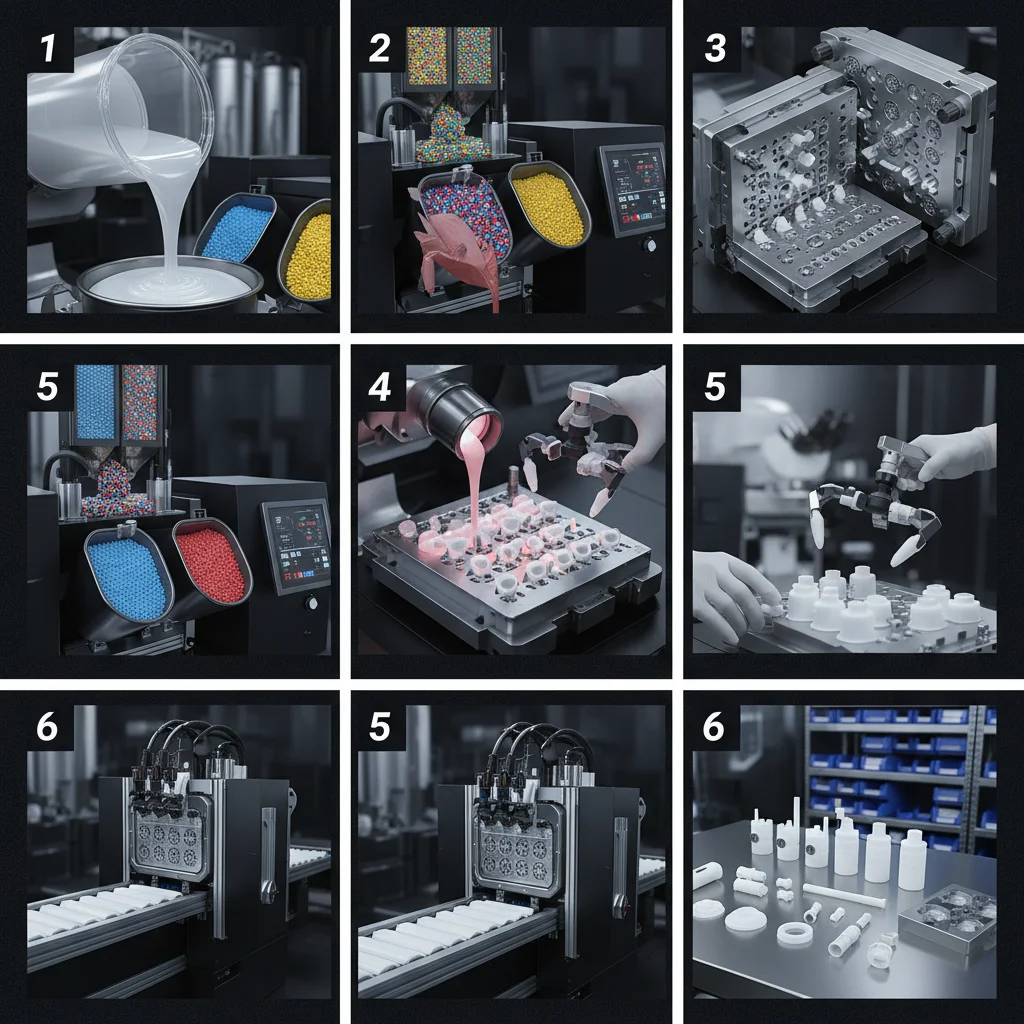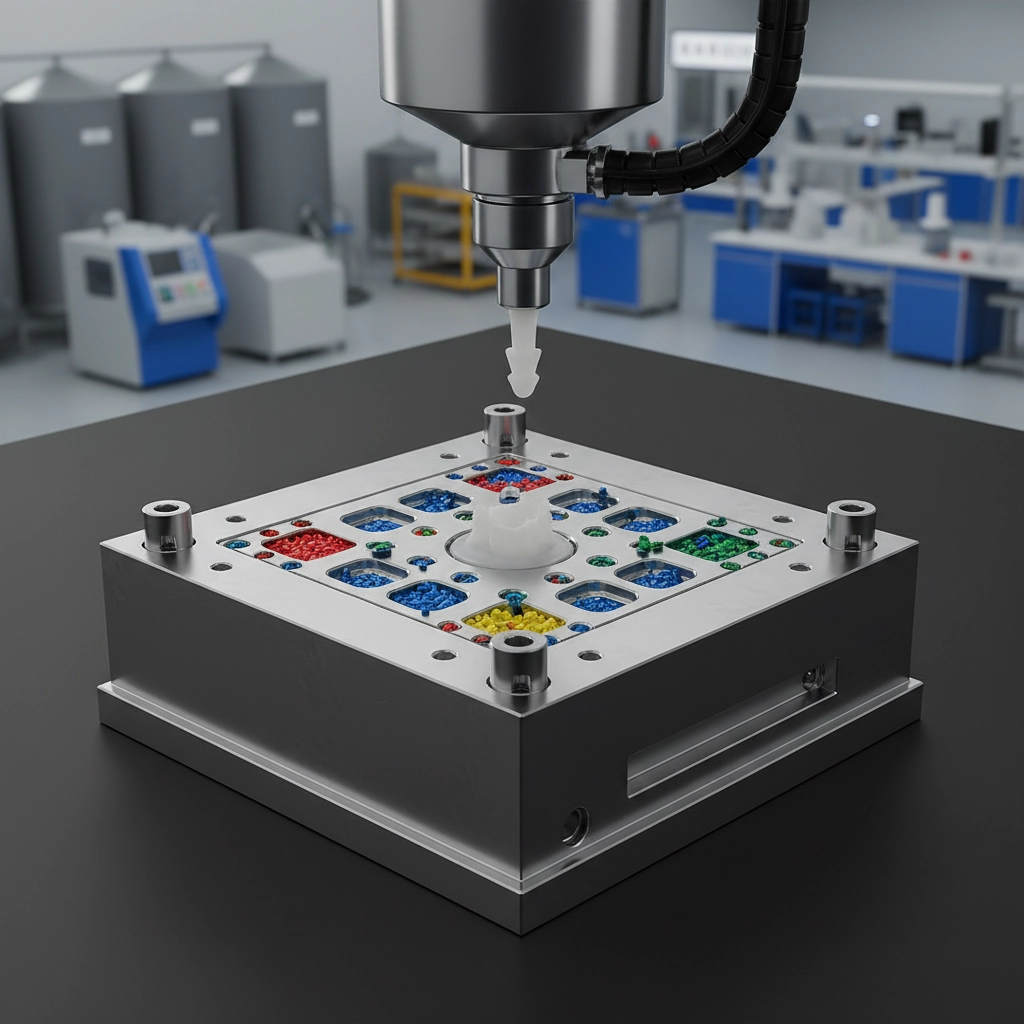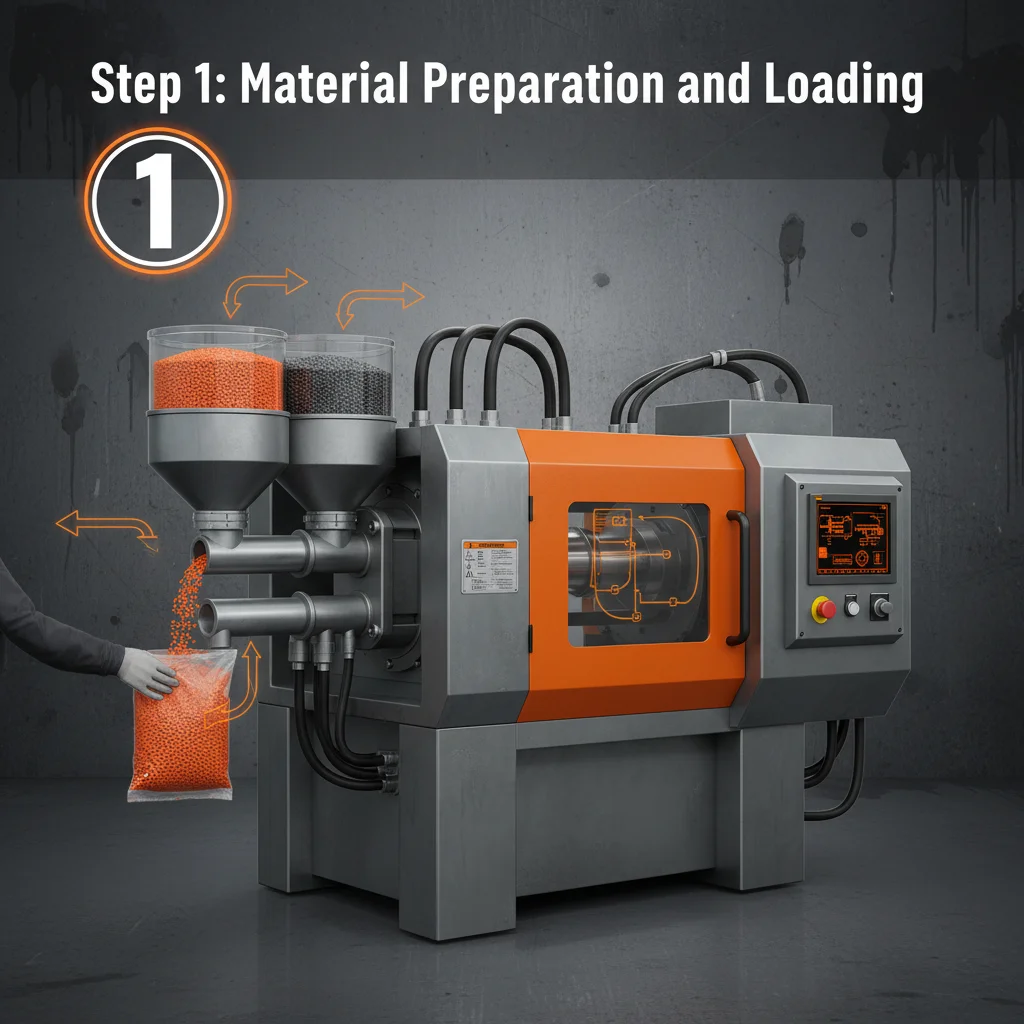
Liquid silicone gasket molds are critical components in a wide range of industries, from automotive and aerospace to medical devices and consumer products. These molds, utilized in Liquid Silicone Rubber (LSR) injection molding, offer unparalleled precision, durability, and material compatibility, enabling the creation of high-quality, reliable gaskets essential for sealing, vibration dampening, and protection against environmental factors. The global demand for these specialized molds is steadily increasing, driven by stringent quality standards and the growth of industries requiring highly specialized sealing solutions.
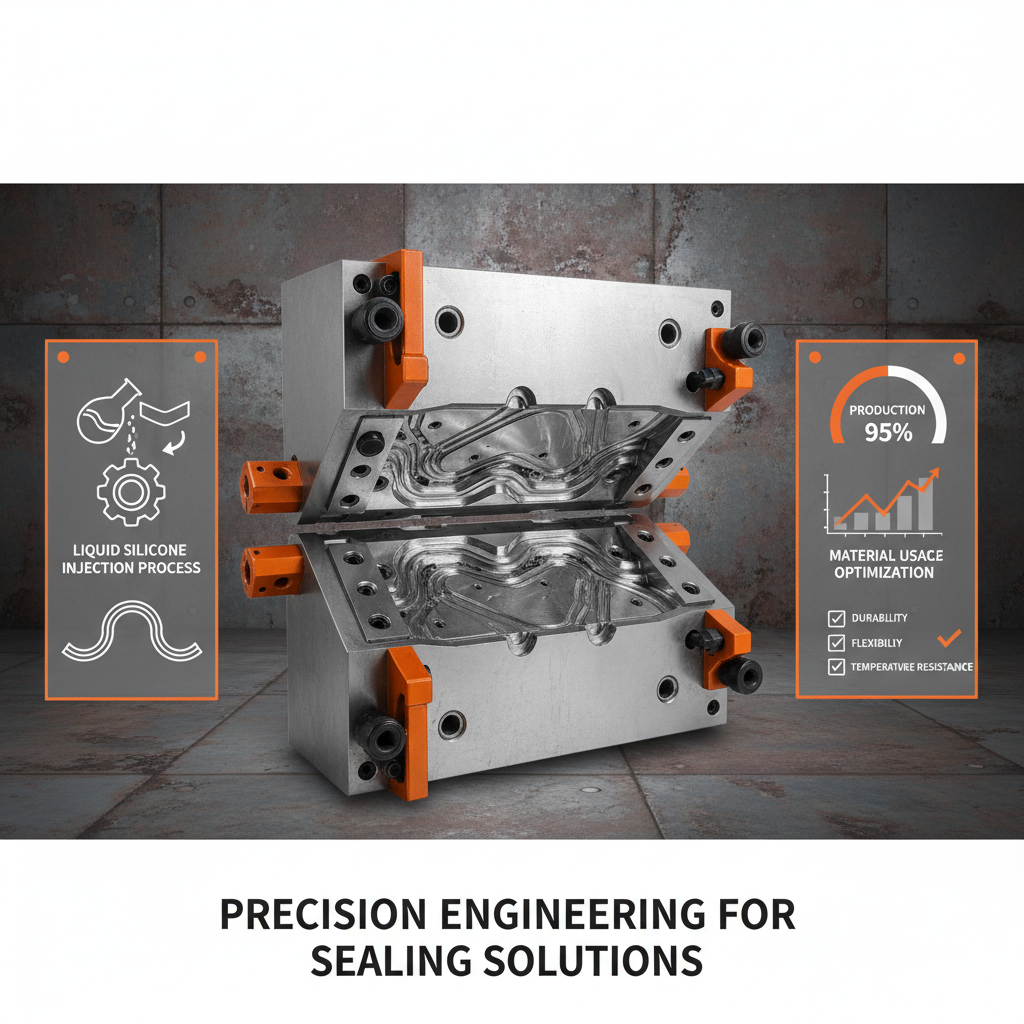
The manufacturing of liquid silicone gasket molds requires a high degree of technical expertise and specialized equipment. The process involves designing and fabricating molds capable of withstanding the pressures and temperatures involved in LSR injection molding, while also maintaining the intricate details necessary for a perfect seal. Investing in high-quality Liquid silicone gasket mold is paramount for businesses seeking to optimize production efficiency, reduce waste, and ensure product integrity.
The significance of liquid silicone gasket molds extends beyond simple sealing. They play a vital role in ensuring the safety and performance of critical systems, such as those found in medical implants, automotive engines, and aircraft components. As industries continue to push the boundaries of innovation, the demand for increasingly complex and reliable gasket designs will further solidify the importance of expertly crafted liquid silicone gasket molds.
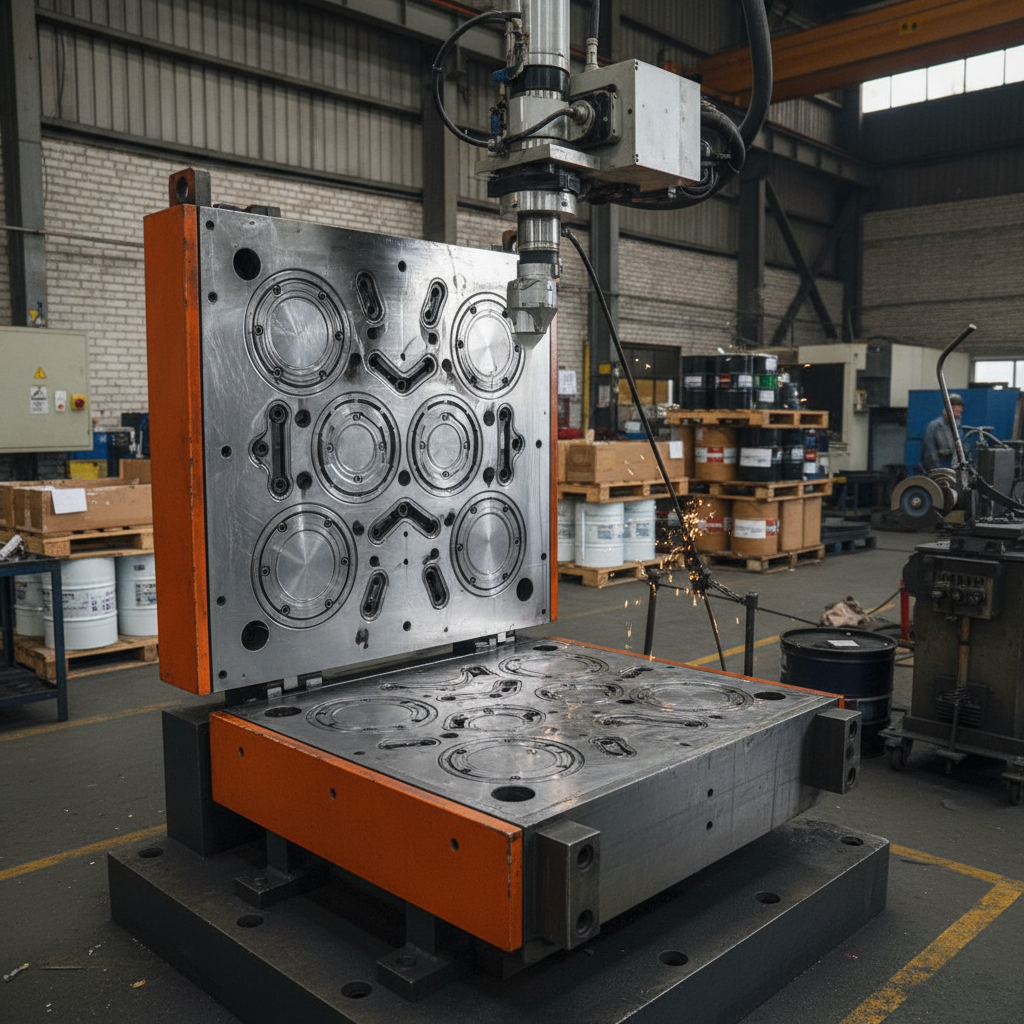
Liquid silicone gasket molds are indispensable in manufacturing processes requiring precise sealing solutions. These molds enable the creation of gaskets that prevent leakage, protect sensitive components, and ensure the overall reliability of products across diverse industries. The precision achievable with liquid silicone injection molding, facilitated by high-quality molds, is often unmatched by alternative methods.
The increasing demand for liquid silicone gasket molds is directly correlated with the growing need for durable and chemically resistant sealing solutions. Applications in medical devices, food processing, and automotive sectors particularly demand gaskets that can withstand harsh environments and maintain their integrity over extended periods, making Liquid silicone gasket mold a crucial component.
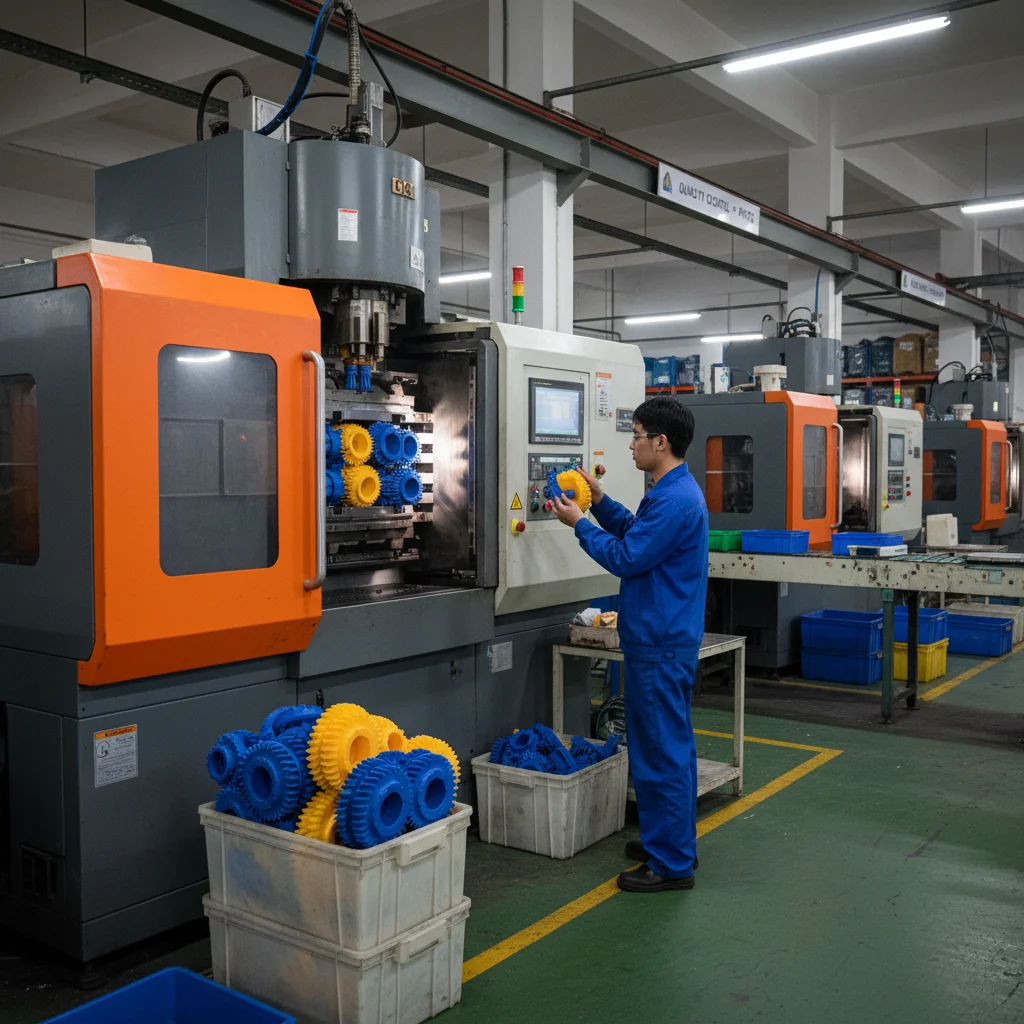
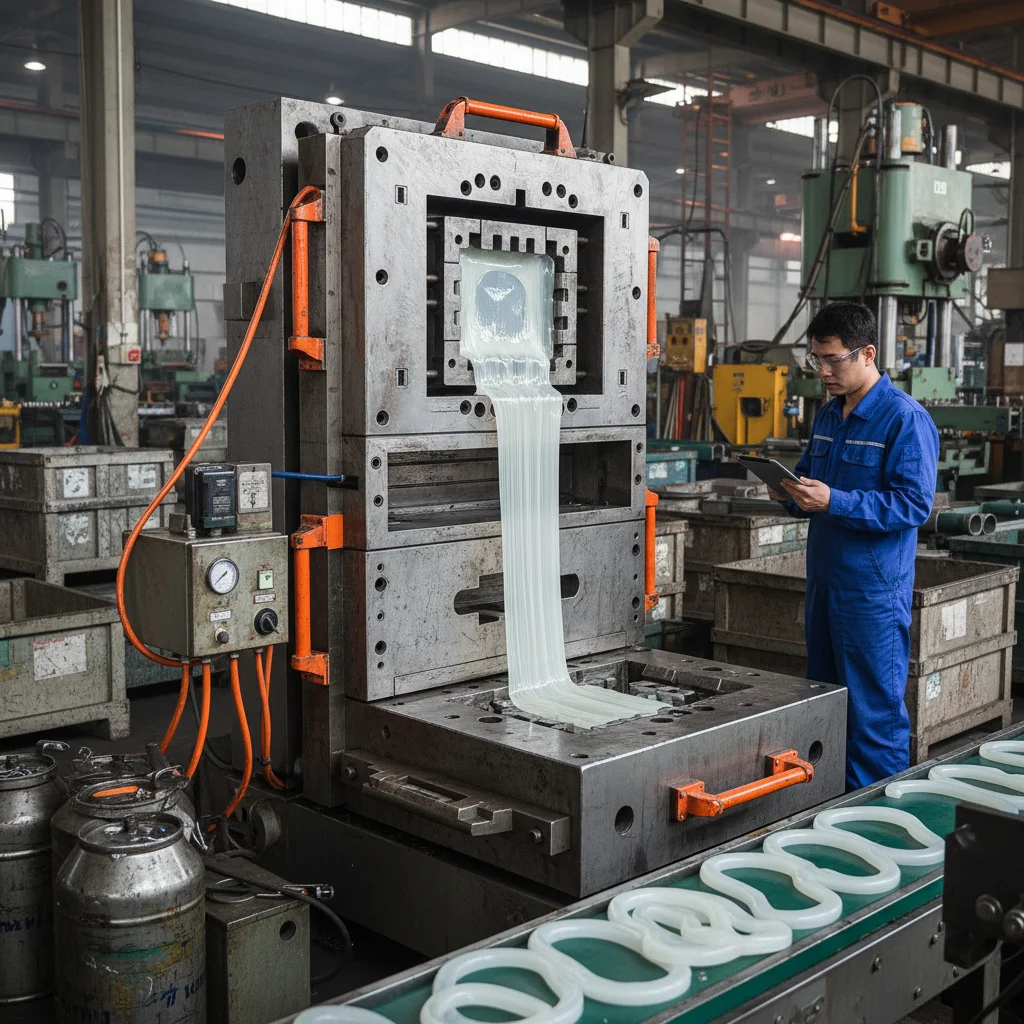
Liquid Silicone Rubber (LSR) injection molding is a highly efficient process for producing precise and complex gaskets. The technology relies on injecting liquid silicone into a mold cavity, where it cures under heat and pressure to form the final gasket shape. The quality of the mold directly influences the accuracy, surface finish, and dimensional stability of the molded part.
The process begins with meticulous mold design, utilizing CAD/CAM software to translate design specifications into a physical mold. This design accounts for factors such as shrinkage rates of the silicone material, venting requirements, and gate locations to ensure uniform filling and minimize defects. Skilled mold makers then use precision machining techniques, such as CNC milling and EDM, to fabricate the mold cavity.
LSR injection molding offers several advantages over traditional rubber molding processes, including faster cycle times, reduced material waste, and the ability to create intricate geometries. However, successful implementation hinges on using a properly designed and manufactured Liquid silicone gasket mold that meets the specific requirements of the application.
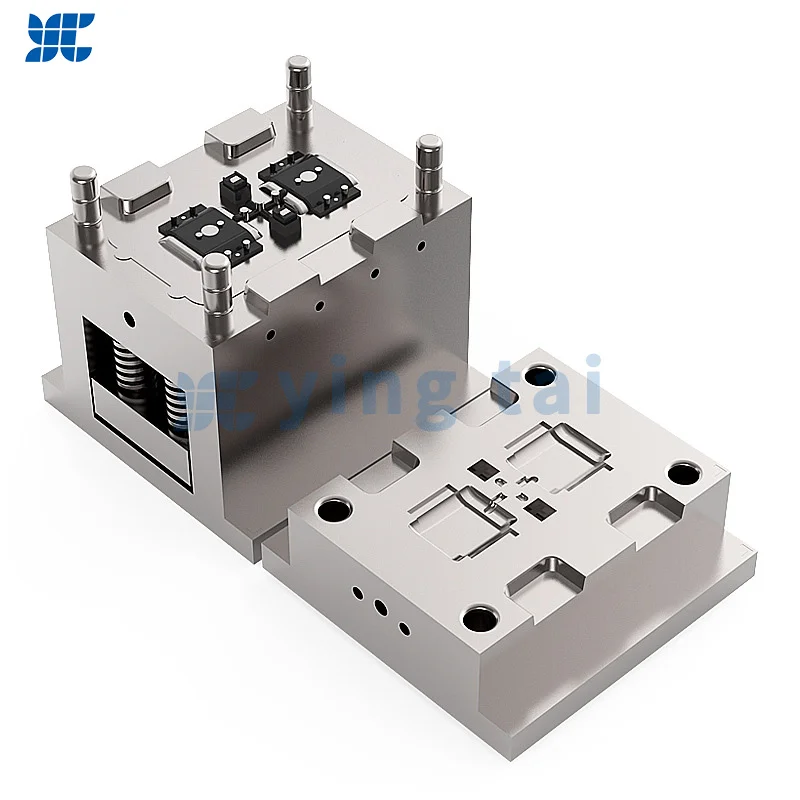
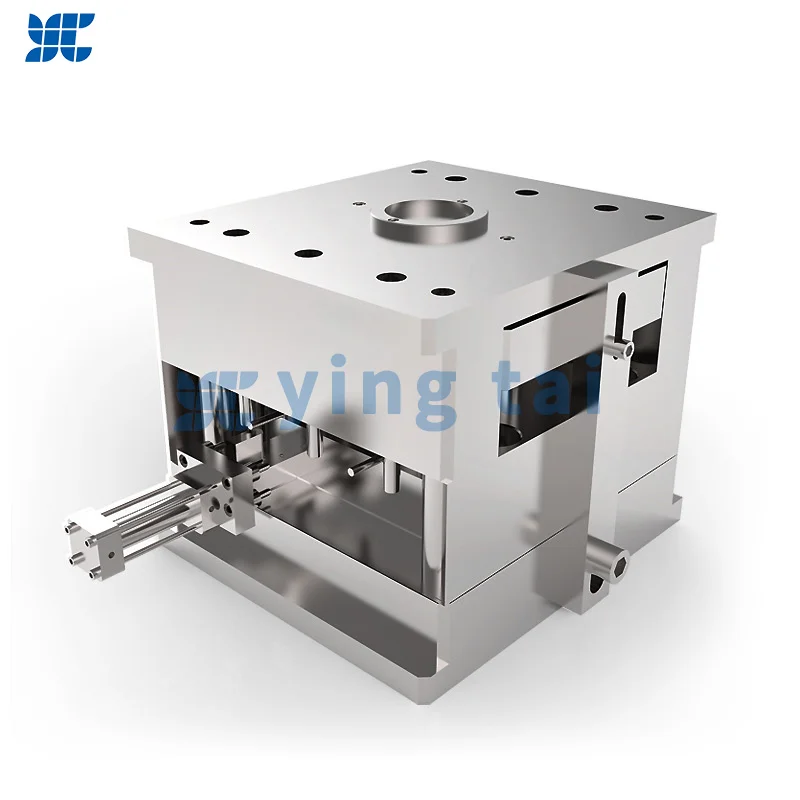
Designing a liquid silicone gasket mold requires careful consideration of several factors. Wall thickness uniformity is crucial to prevent warping and ensure consistent curing. Draft angles are necessary to facilitate easy ejection of the molded part without damage. Venting channels must be strategically placed to allow air to escape during injection, minimizing voids and ensuring complete filling of the mold cavity.
The selection of appropriate gate locations is also paramount. Gates should be positioned to minimize flow distance and avoid turbulence, ensuring a smooth and consistent flow of liquid silicone. Mold material selection is critical, with high-grade steel alloys commonly used for their durability and resistance to corrosion. These design elements, when carefully considered, contribute to the long-term performance and reliability of the Liquid silicone gasket mold.
Furthermore, surface finish plays a significant role in the final product quality. A polished mold surface results in a smooth gasket surface, reducing friction and improving sealing performance. Conversely, a textured mold surface can provide enhanced grip or aesthetic appeal, depending on the application requirements.
The longevity of a liquid silicone gasket mold is heavily influenced by the materials used in its construction. High-grade tool steels, such as H13 or S7, are commonly employed for their excellent wear resistance, high-temperature strength, and ability to withstand the corrosive effects of silicone materials.
Proper heat treatment processes are essential to optimize the mechanical properties of the mold steel. These treatments enhance hardness, toughness, and dimensional stability, extending the mold's service life. Furthermore, surface coatings, such as nitriding or chrome plating, can provide additional protection against corrosion and abrasion, further increasing mold durability.
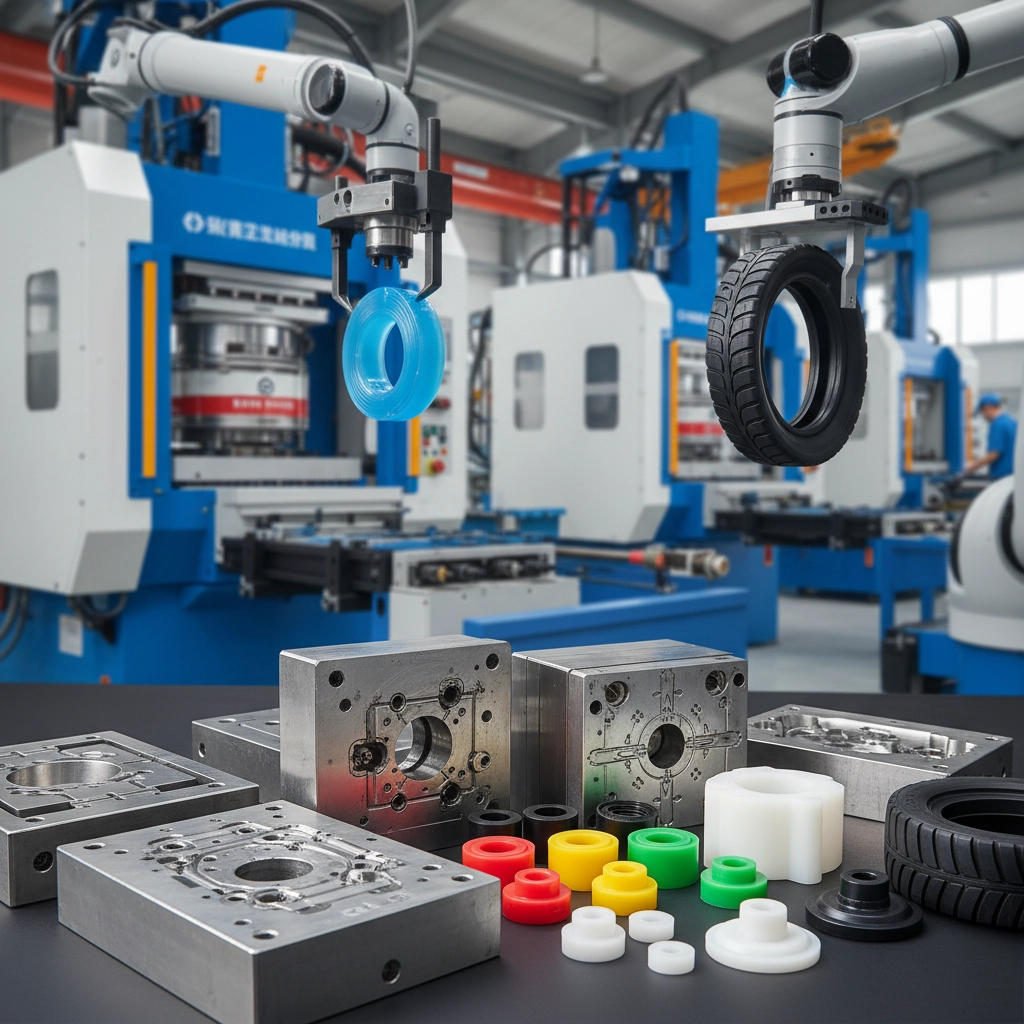
Liquid silicone gasket molds find applications in a remarkably diverse range of industries worldwide. The automotive sector utilizes them for sealing engine components, transmission systems, and lighting fixtures. In the medical device industry, they are crucial for creating biocompatible gaskets used in implants, surgical instruments, and drug delivery systems.
The aerospace industry relies on these molds to manufacture gaskets for fuel systems, hydraulic lines, and cabin seals, demanding the highest levels of precision and reliability. Furthermore, the food and beverage industry utilizes Liquid silicone gasket mold to create gaskets for processing equipment, packaging machinery, and storage containers.
Investing in high-precision liquid silicone gasket molds offers numerous advantages. Improved gasket sealing performance translates to reduced leakage, enhanced product reliability, and increased safety. Tighter tolerances and smoother surface finishes result in lower friction and improved component lifespan.
The ability to create complex geometries with LSR injection molding enables the design of innovative gasket solutions tailored to specific application requirements. Furthermore, the automated nature of the molding process reduces labor costs and minimizes material waste, contributing to overall cost savings.
The future of liquid silicone gasket mold manufacturing is poised for significant advancements. Additive manufacturing, or 3D printing, is emerging as a viable method for creating complex mold designs with greater speed and flexibility. Micro-molding techniques are enabling the production of miniature gaskets for microfluidic devices and other demanding applications.
The integration of artificial intelligence (AI) and machine learning (ML) is optimizing mold design and manufacturing processes, predicting potential defects, and improving overall efficiency. Sustainable manufacturing practices, such as the use of eco-friendly mold materials and energy-efficient machining techniques, are gaining prominence, driven by growing environmental concerns.
Further research and development into advanced mold materials and surface treatments will continue to enhance mold longevity, reduce maintenance requirements, and improve the overall performance of Liquid silicone gasket mold.
One common challenge in liquid silicone gasket mold manufacturing is achieving consistent material flow and preventing air entrapment, particularly in complex geometries. This can lead to defects such as voids and incomplete filling. Solutions include optimizing gate locations, incorporating venting channels, and employing advanced mold flow analysis software.
Another challenge is managing the thermal expansion and contraction of silicone materials during the molding process. This can result in dimensional inaccuracies and stress buildup in the mold. Careful mold design, coupled with precise temperature control, is crucial for mitigating these effects.
Maintaining mold cleanliness and preventing contamination is also essential for ensuring consistent product quality. Regular cleaning and inspection procedures, along with the use of appropriate mold release agents, are necessary to address this challenge.
| Challenge | Impact on Quality | Proposed Solution | Implementation Cost (1-10) |
|---|---|---|---|
| Air Entrapment | Voids, Weak Seals | Optimized Venting, Gate Design | 4 |
| Dimensional Inaccuracy | Leakage, Fit Issues | Precise Temperature Control, Mold Material Selection | 6 |
| Mold Contamination | Surface Defects, Reduced Lifespan | Regular Cleaning, Mold Release Agents | 2 |
| Uneven Material Flow | Inconsistent Wall Thickness | Mold Flow Analysis, Runner System Optimization | 7 |
| Mold Wear & Tear | Decreased Precision, Increased Defects | High-Grade Steel Alloys, Surface Treatments | 8 |
| Shrinkage Issues | Dimensional Discrepancies | Accurate Shrinkage Rate Calculation, Mold Design Adjustment | 5 |
High-grade tool steels like H13, S7, and P20 are the most common materials due to their high wear resistance, temperature stability, and ability to withstand the corrosive properties of liquid silicone. The specific material choice depends on the production volume, complexity of the design, and the required mold lifespan. Some manufacturers also explore specialized alloys for demanding applications.
A well-maintained liquid silicone gasket mold can last anywhere from 500,000 to over 1 million cycles, depending on several factors. These include the mold material, the complexity of the design, the type of silicone being molded, and the frequency of preventative maintenance. Regular cleaning, inspection, and minor repairs are crucial for extending mold life.
The lead time for a custom liquid silicone gasket mold typically ranges from 4 to 12 weeks, depending on the complexity of the design and the current workload of the mold maker. The design phase, including CAD modeling and flow analysis, usually takes 1-2 weeks. Mold fabrication and finishing then add another 3-10 weeks. It is crucial to factor in this timeline when planning your production schedule.
Effective venting is crucial for preventing air entrapment and ensuring complete filling of the mold cavity. Vent channels should be strategically placed at the highest points of the cavity and along flow paths to allow air to escape during injection. Vent size and location must be carefully calculated to avoid flash or material loss. Proper venting significantly improves gasket quality and reduces defects.
Precise mold temperature control is vital for achieving consistent gasket quality. Maintaining a consistent temperature ensures uniform curing, minimizes shrinkage, and prevents warping. Too high a temperature can lead to degradation of the silicone, while too low a temperature can result in incomplete curing. Temperature control systems typically utilize circulating oil or water to regulate mold temperature.
The cost of a liquid silicone gasket mold depends on several factors, including the mold size, complexity, material selection, and the required precision. Machining time, electrode costs (for EDM), and finishing operations all contribute to the overall expense. Design fees, tooling modifications, and any special features will also increase the cost. Obtaining a detailed quote from a reputable mold maker is essential for accurate cost estimation.
In conclusion, liquid silicone gasket molds are indispensable components in a vast range of industries, enabling the creation of high-performance, reliable sealing solutions. Understanding the key design considerations, material properties, and manufacturing processes is crucial for optimizing mold performance, extending lifespan, and ensuring consistent product quality. The ongoing advancements in mold manufacturing technologies promise further improvements in precision, efficiency, and sustainability.
As industries continue to demand increasingly sophisticated and specialized gaskets, investing in high-quality Liquid silicone gasket mold will remain a critical factor for success. We encourage you to explore the possibilities of partnering with a trusted mold manufacturer to develop custom solutions tailored to your specific application requirements. Visit our website today to learn more: www.ytlsrmold.com
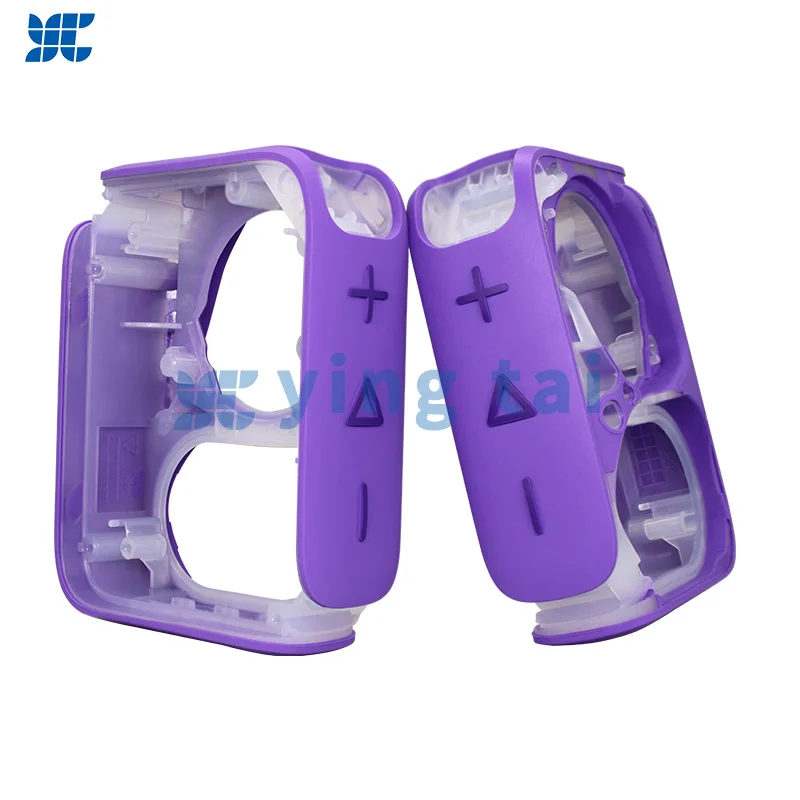
The portable desktop speaker case is made of liquid silicone wrapped around a plastic frame, which is dustproof, waterproof, easy to clean, anti slip and anti drop
Precision molds, crafted with ingenuity. From design to mass production, we provide a one-stop injection molding solution for your products.
Focusing on precision mold manufacturing, with ingenuity in the millimeter, we create a solid and reliable industrial foundation for you. Without any mistakes, we help you with worry free mass production.