Processing of Two-Color Plastic Parts: A Comprehensive Guide
Two-color plastic parts are increasingly common in a wide range of industries, offering aesthetic appeal, improved functionality, and cost-effectiveness. This article delves into the intricacies of two-color injection molding, exploring the processes, materials, design considerations, and applications. We'll cover the benefits of this technique and how YTLSR Mold can help you bring your two-color plastic part designs to life. Understanding the complexities of this process is crucial for ensuring a successful and high-quality end product.
Understanding the Two-Color Injection Molding Process
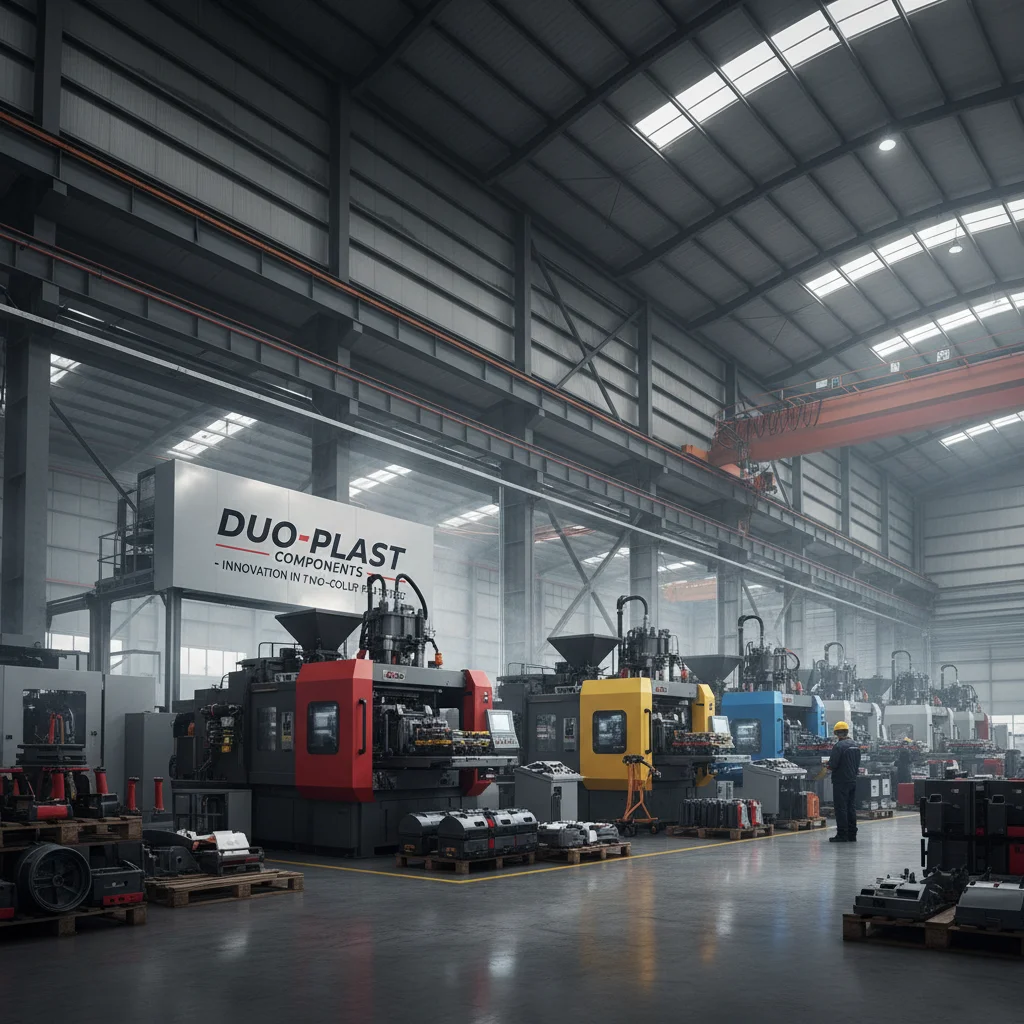
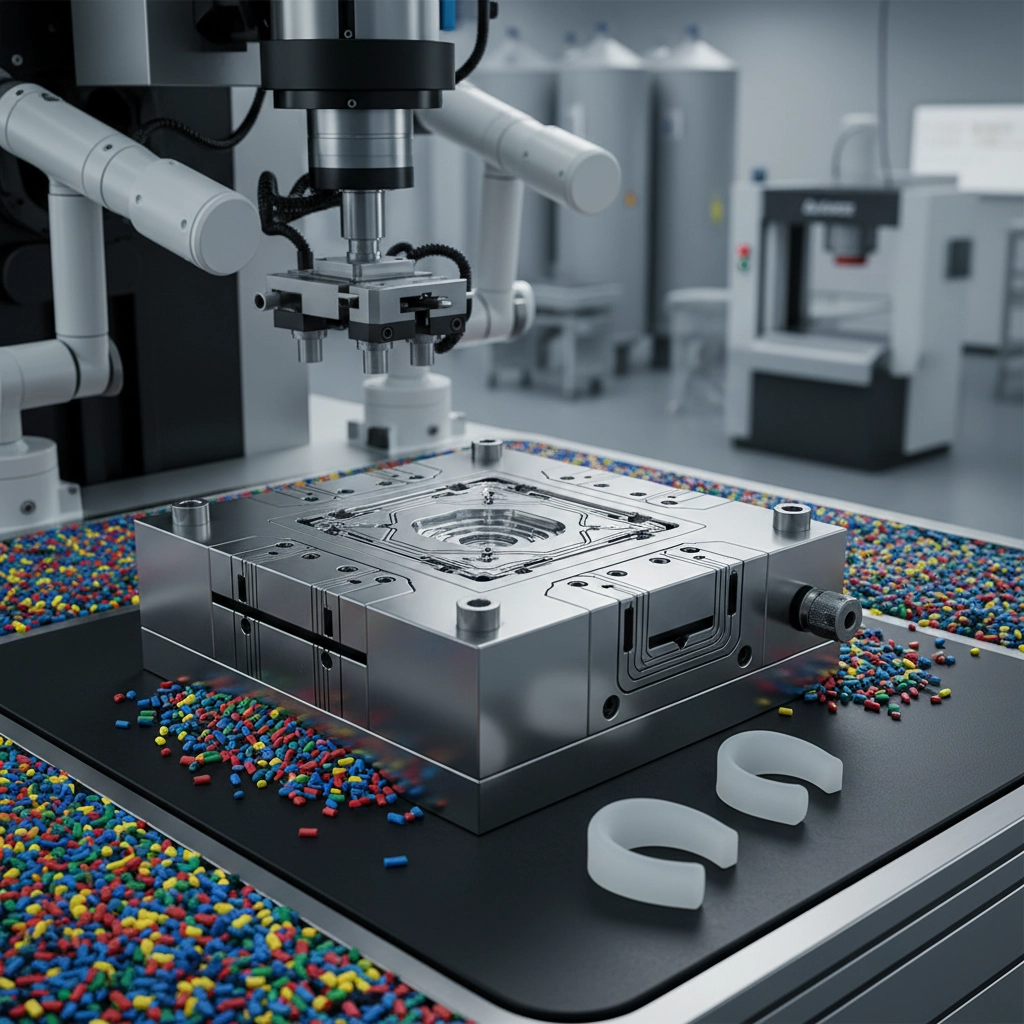
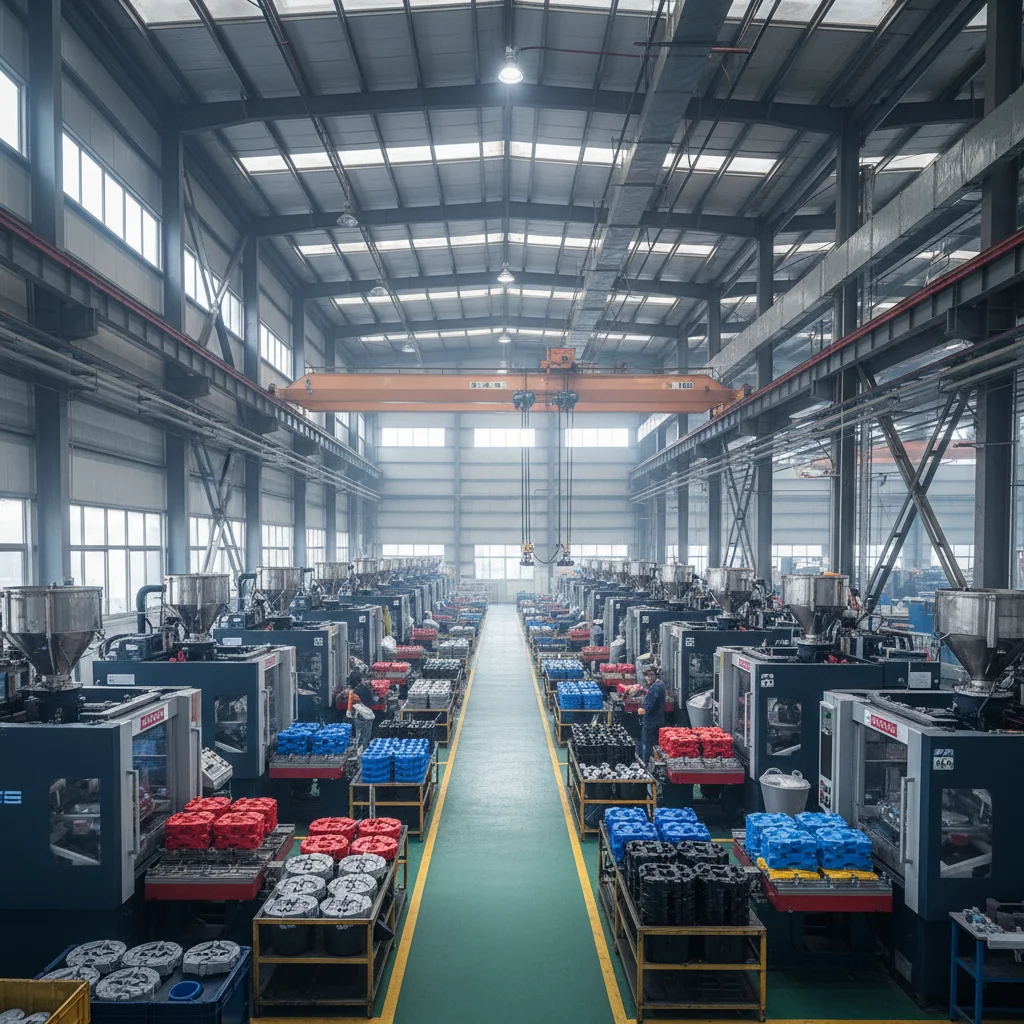
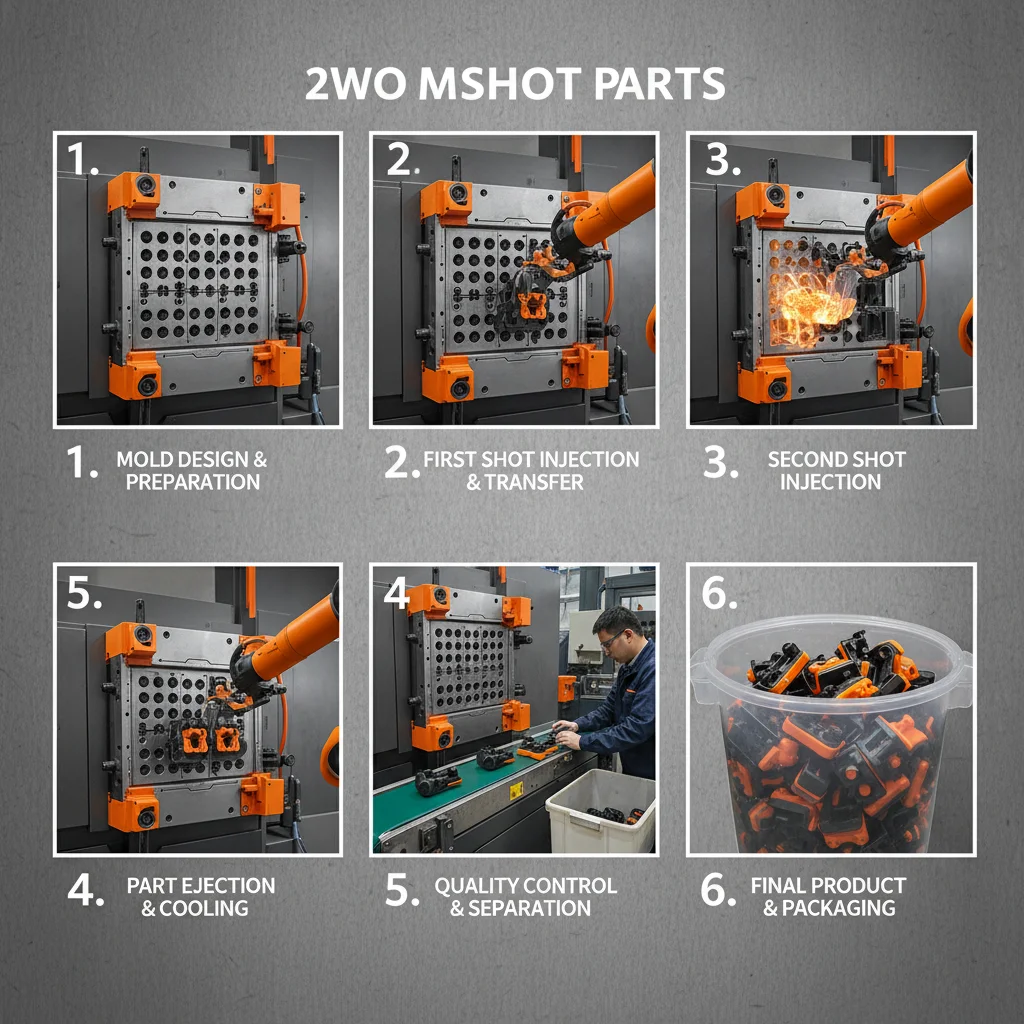
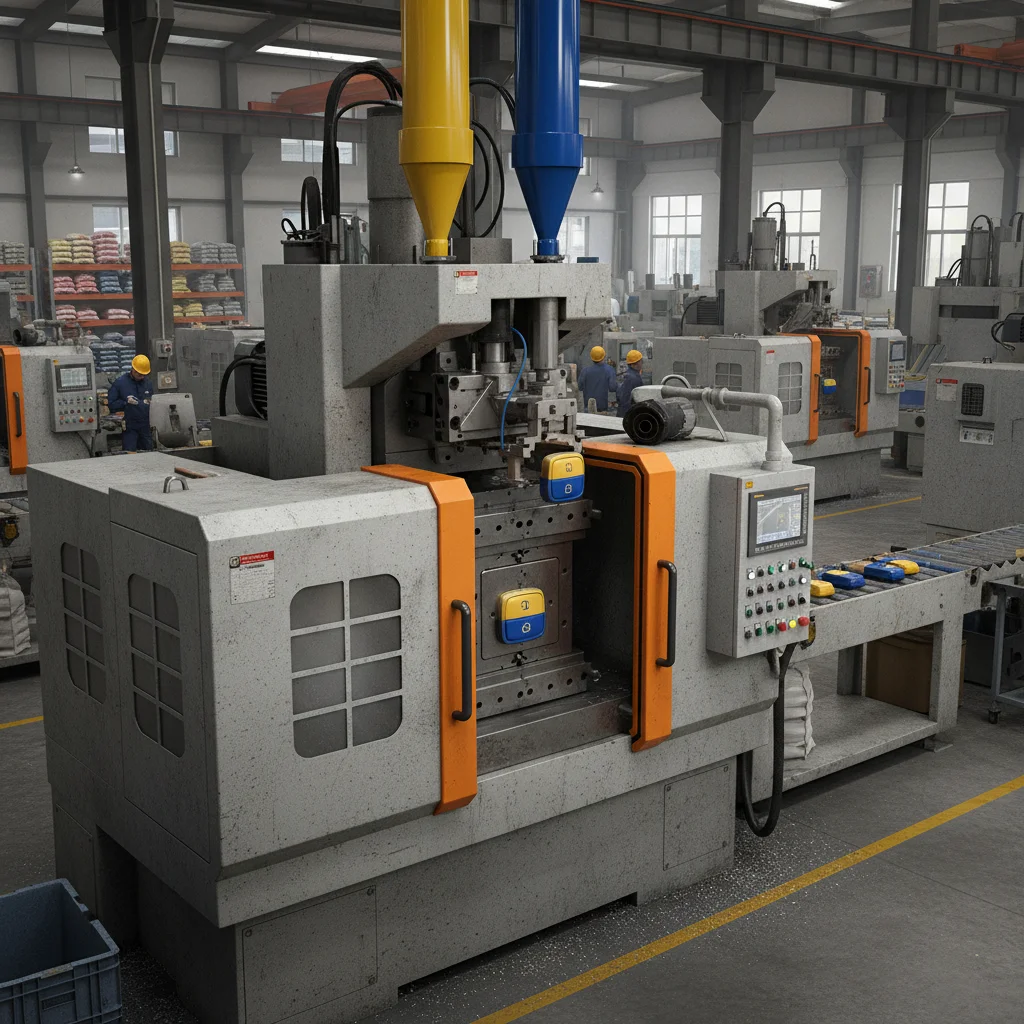
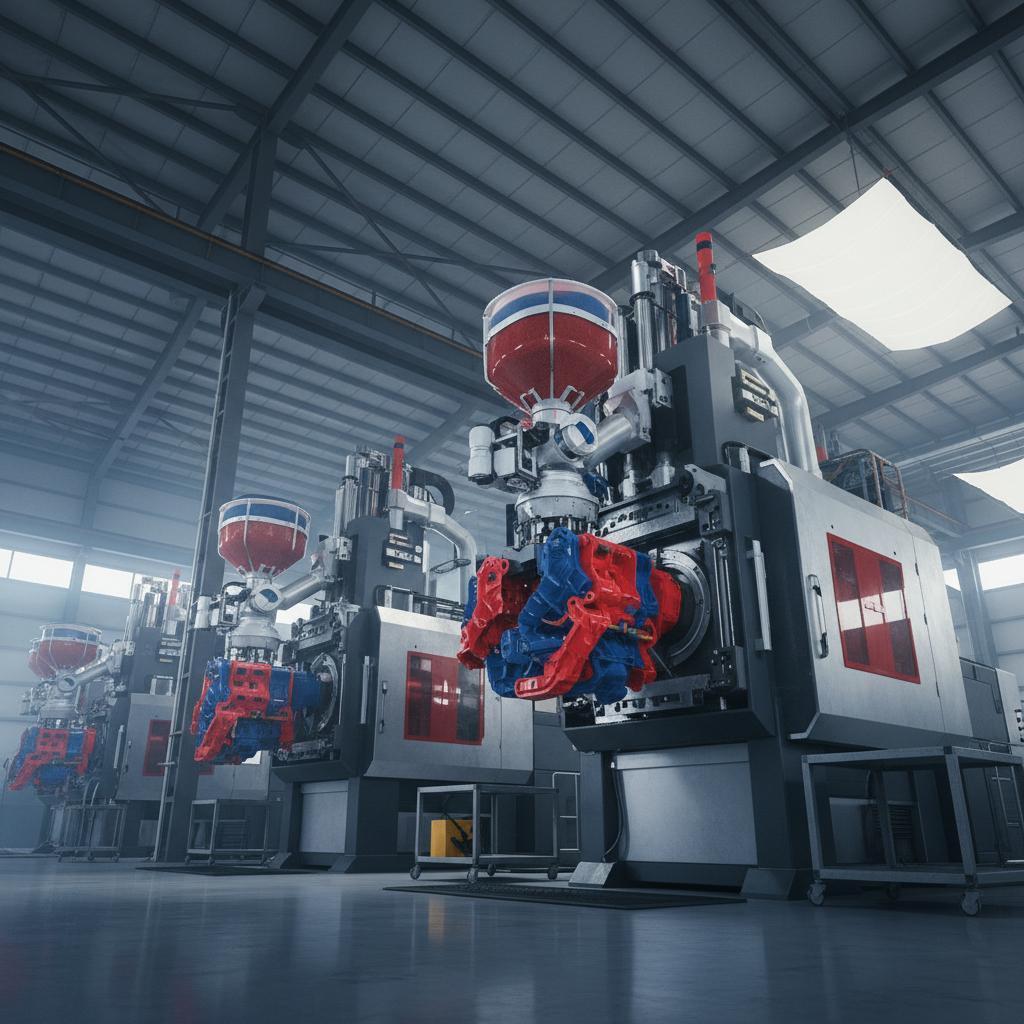
Two-color injection molding, also known as overmolding, involves injecting two different thermoplastic materials into a single mold to create a single finished part. This process typically utilizes a rotary mold or a transfer mold. The first material is molded, and then the mold rotates or a transfer mechanism moves the part to a second station where the second material is injected. This allows for the creation of parts with multiple colors, textures, and functionalities in a single step. This method is more efficient than assembling separately molded components, reducing labor costs and improving product integrity. It's a sophisticated process requiring precise control of temperature, pressure, and timing.
Materials Commonly Used in Two-Color Molding
The selection of materials is critical in two-color molding. Compatibility between the materials is paramount, ensuring strong adhesion and preventing delamination. Common material pairings include:
- Thermoplastic Polyurethane (TPU) and Polypropylene (PP): Often used for soft-grip applications.
- TPU and Acrylonitrile Butadiene Styrene (ABS): Provides a durable and aesthetically pleasing finish.
- TPU and Polycarbonate (PC): Ideal for applications requiring high impact resistance.
- TPE (Thermoplastic Elastomer) and PP/ABS/PC: Used for creating soft-touch surfaces and seals.
Design Considerations for Two-Color Plastic Parts
Successful two-color molding requires careful design considerations. Undercuts should be minimized to simplify the molding process. The design must also accommodate the differing shrinkage rates of the two materials. Proper gate locations are vital for balanced material flow and to avoid voids or weld lines. Wall thickness should be consistent to prevent warping or stress concentrations. Furthermore, consider the aesthetic effect of the color transition and ensure it aligns with the desired product appearance. Early collaboration with a skilled mold maker, like YTLSR Mold, during the design phase can help mitigate potential issues.
Two-Color Molding Techniques: Rotary vs. Transfer Molds
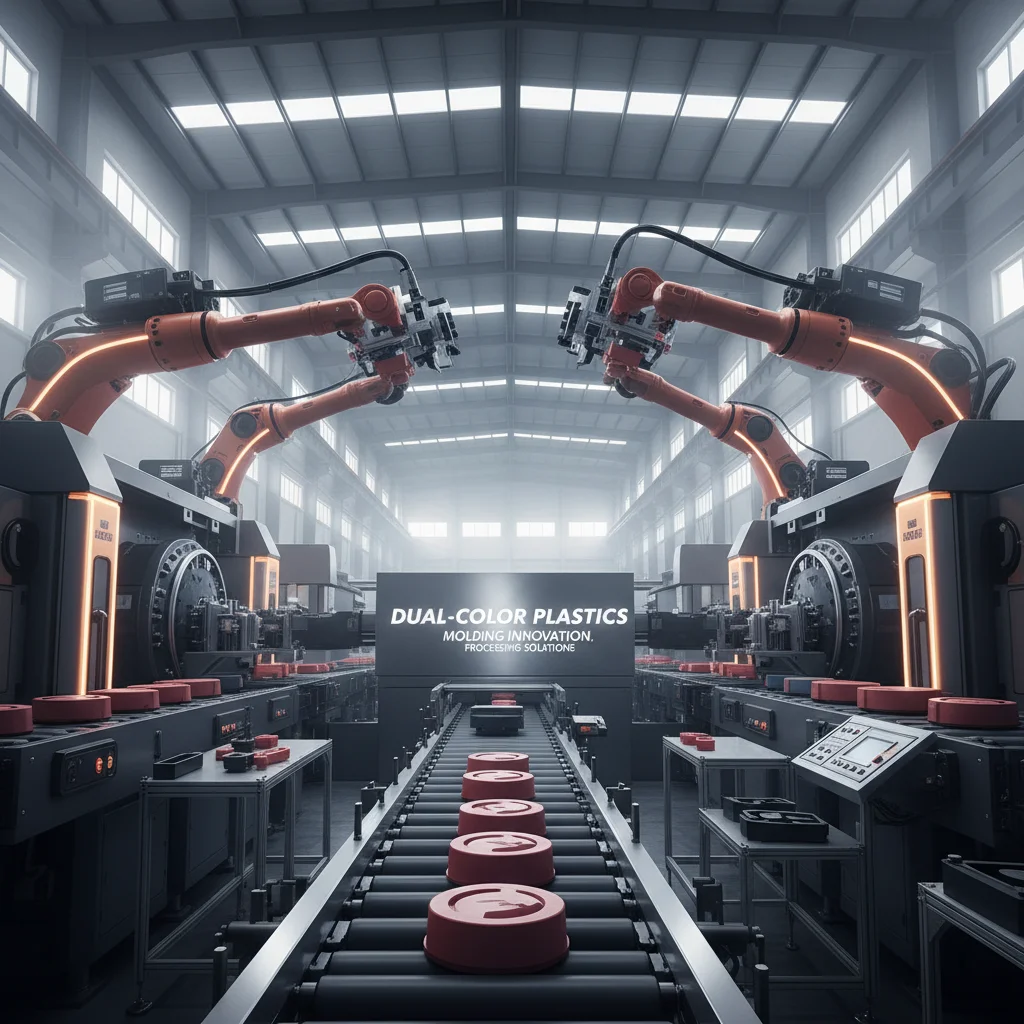
Two primary molding techniques are used for two-color parts: rotary molds and transfer molds. Rotary molds rotate the core between two injection units, allowing for sequential molding of the two materials. This is efficient for simple geometries but can be limited by complex designs. Transfer molds use a robotic arm or transfer mechanism to move the partially molded part from the first station to the second. This allows for more complex geometries and greater design flexibility but may be slower than rotary molding. The choice between the two depends on the part's complexity, volume, and budget.
Key Differences: Rotary molds are ideal for high-volume, simple parts, while transfer molds excel in handling complex geometries and lower volumes.
Applications of Two-Color Plastic Parts and Performance Data
Two-color molding finds applications in diverse industries. In automotive, it's used for interior components like buttons, knobs, and dashboard trim. In consumer products, it’s utilized for power tool grips, toothbrush handles, and remote controls. Medical devices often employ two-color molding for soft-touch surfaces and ergonomic designs. Here’s a performance comparison of products made with two-color molding versus single-color molding:
Conclusion: Achieving Superior Results with Two-Color Molding
Two-color injection molding offers a compelling solution for creating innovative and high-quality plastic parts. From improved aesthetics and functionality to reduced assembly costs, the benefits are significant. YTLSR Mold provides expert tooling design, manufacturing, and molding services to help you realize the full potential of this technology. Contact us today to discuss your project requirements.
Frequently Asked Questions (FAQs)
What are the common defects in two-color molding and how can they be avoided?
Common defects include delamination (poor adhesion between materials), flash (excess material), and sink marks. Delamination can be avoided by selecting compatible materials and optimizing injection parameters like temperature and pressure. Flash is often caused by excessive mold pressure or improper mold closing. Sink marks result from insufficient material packing during molding. Proper mold design, precise process control, and regular mold maintenance are crucial for preventing these defects. YTLSR Mold utilizes advanced quality control measures to minimize defect rates.
What is the typical lead time for a two-color molding project?
Lead time varies depending on the complexity of the part, mold design requirements, and production volume. Generally, a typical project can take 4-8 weeks from design confirmation to first production run. This includes mold design and fabrication, material procurement, and initial process validation. YTLSR Mold strives to deliver projects on time and within budget, offering expedited services when needed.
How does two-color molding impact the overall cost of a project?
While the initial mold tooling cost for two-color molding is higher than single-color molding due to its complexity, the overall cost can be lower, particularly for high-volume production. The elimination of assembly processes, reduced labor costs, and improved part quality contribute to cost savings. Material costs may also be higher depending on the materials selected. YTLSR Mold provides detailed cost analysis and helps optimize designs to minimize expenses.
What file types do you accept for quotes on two-color molding projects?
We accept a wide range of file types, including STEP, IGES, STL, and native CAD files (e.g., SolidWorks, AutoCAD). Detailed 3D models with clear specifications are preferred to ensure accurate quoting. 2D drawings with critical dimensions are also helpful. Our engineering team can assist in converting file formats if necessary. YTLSR Mold provides free design for manufacturability (DFM) analysis to optimize your part for efficient production.
-
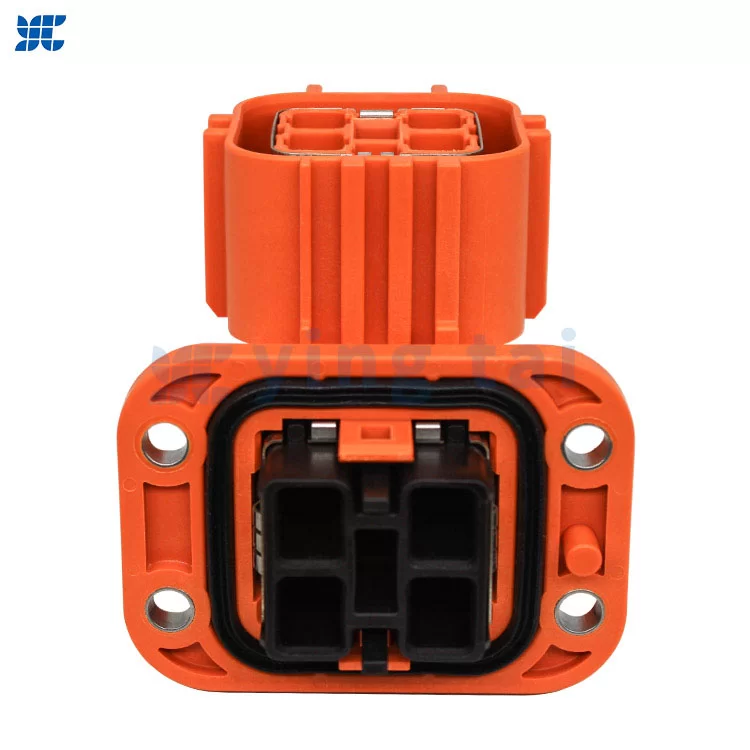
Provide safe and reliable connection solutions for core components of new energy vehicles, helping the industry to develop steadily.
-
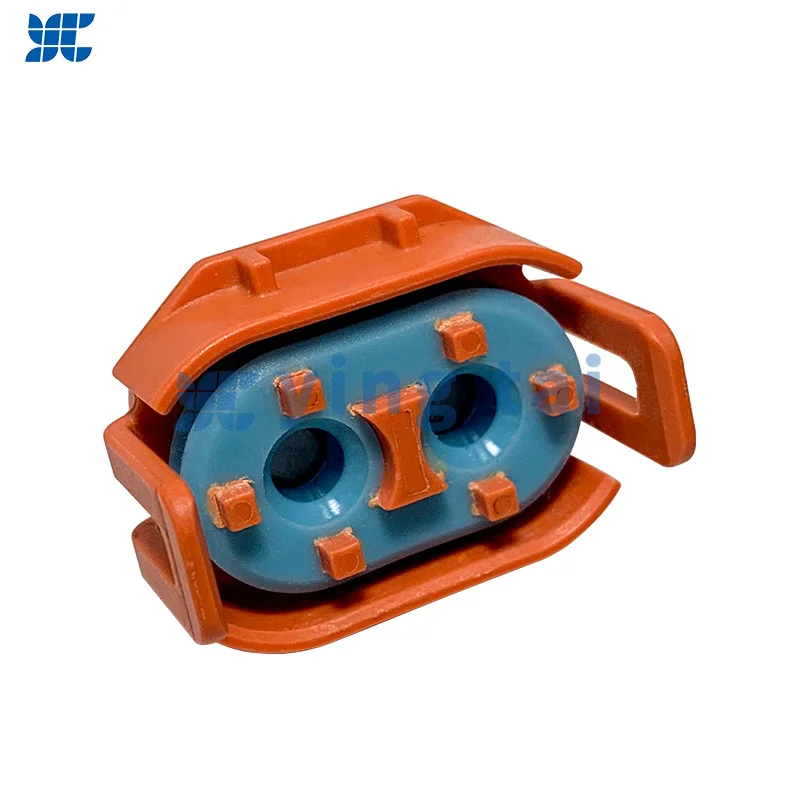
Precise connectors ensure unobstructed circuits, safer driving, and smoother journeys.
-
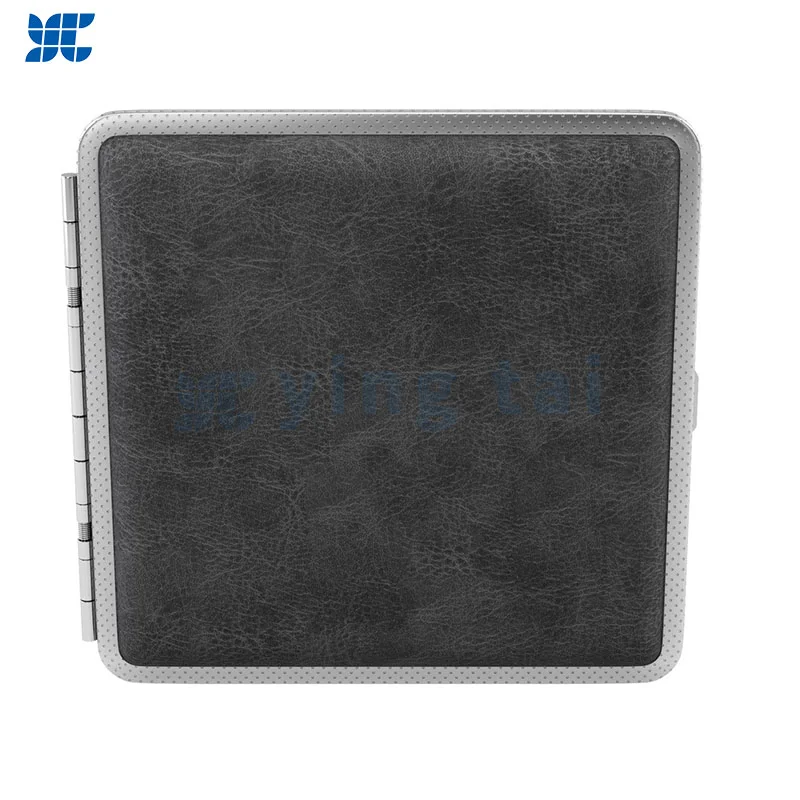
Soft leather is applied to the surface of the wallet, with innovative bonding technology, creating a durable and elegant portable companion.