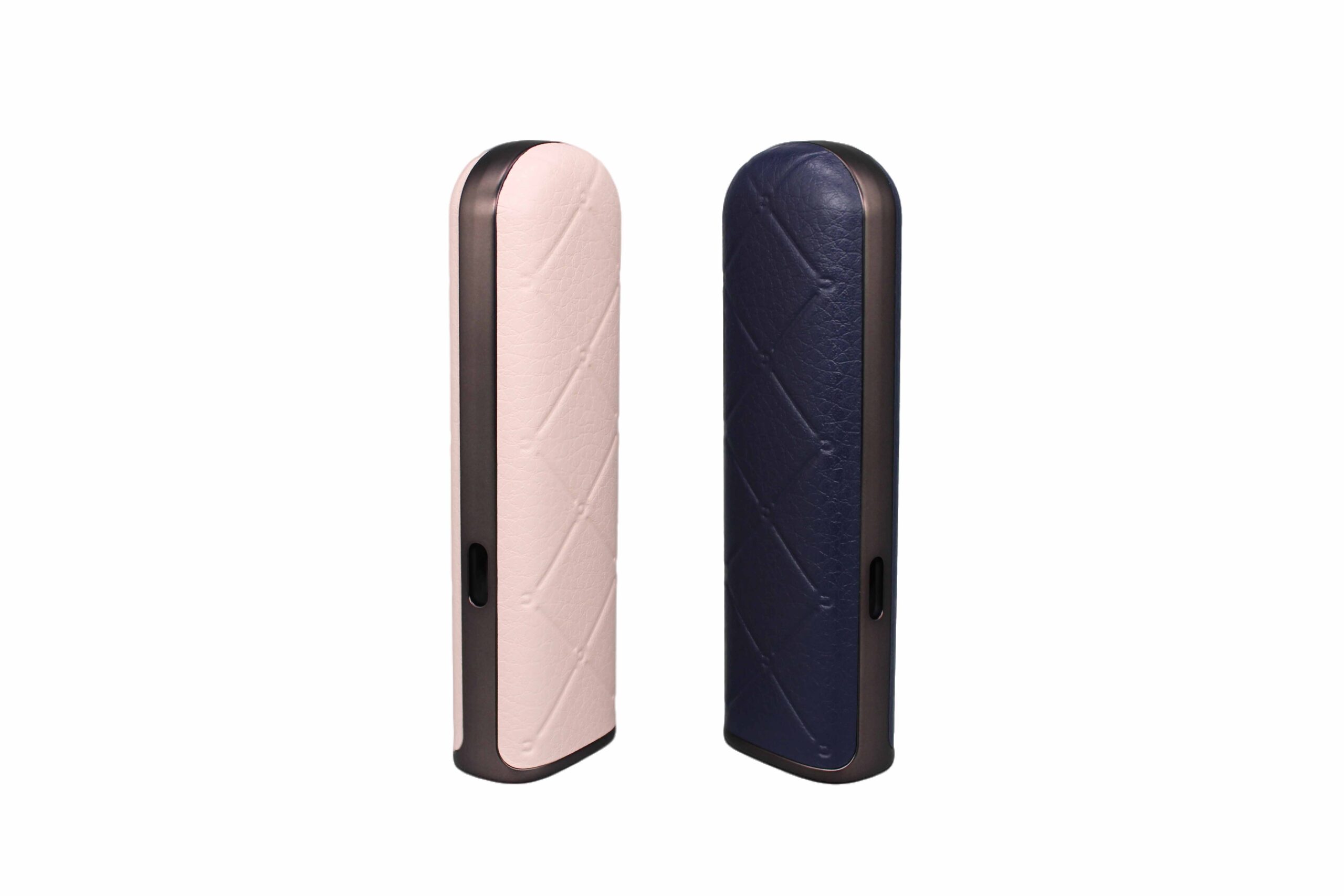
Two tone plastic represents a significant advancement in materials science, offering unique aesthetic and functional possibilities across a diverse range of industries. From consumer products to automotive components, its ability to combine contrasting colors within a single molded part is reshaping design and manufacturing processes. The demand for visually appealing and cost-effective solutions is driving the increased adoption of two tone plastic globally.
The relevance of two tone plastic extends beyond mere aesthetics. It allows for the integration of functional elements, such as soft-touch grips or different material properties, within a single component, reducing assembly costs and improving product performance. Understanding the intricacies of this technique is crucial for designers, engineers, and manufacturers seeking to innovate and gain a competitive edge in today's market. Two tone plastic is increasingly vital.
The global plastics industry is experiencing robust growth, with two tone molding contributing to this expansion by offering customized and premium product finishes. This trend aligns with consumer preferences for personalized and high-quality goods, making two tone plastic a key element in modern product development and a crucial component of the broader manufacturing landscape.
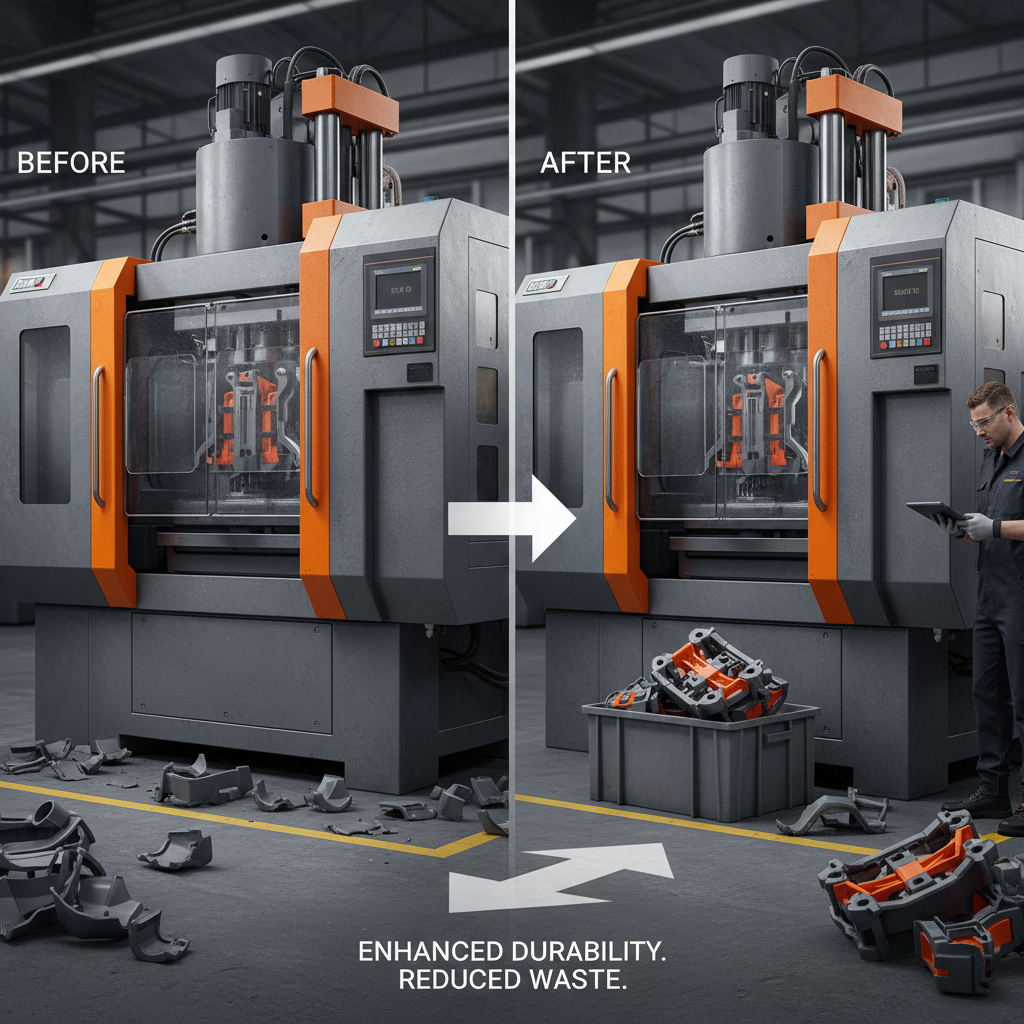
Introduction to Two Tone Plastic
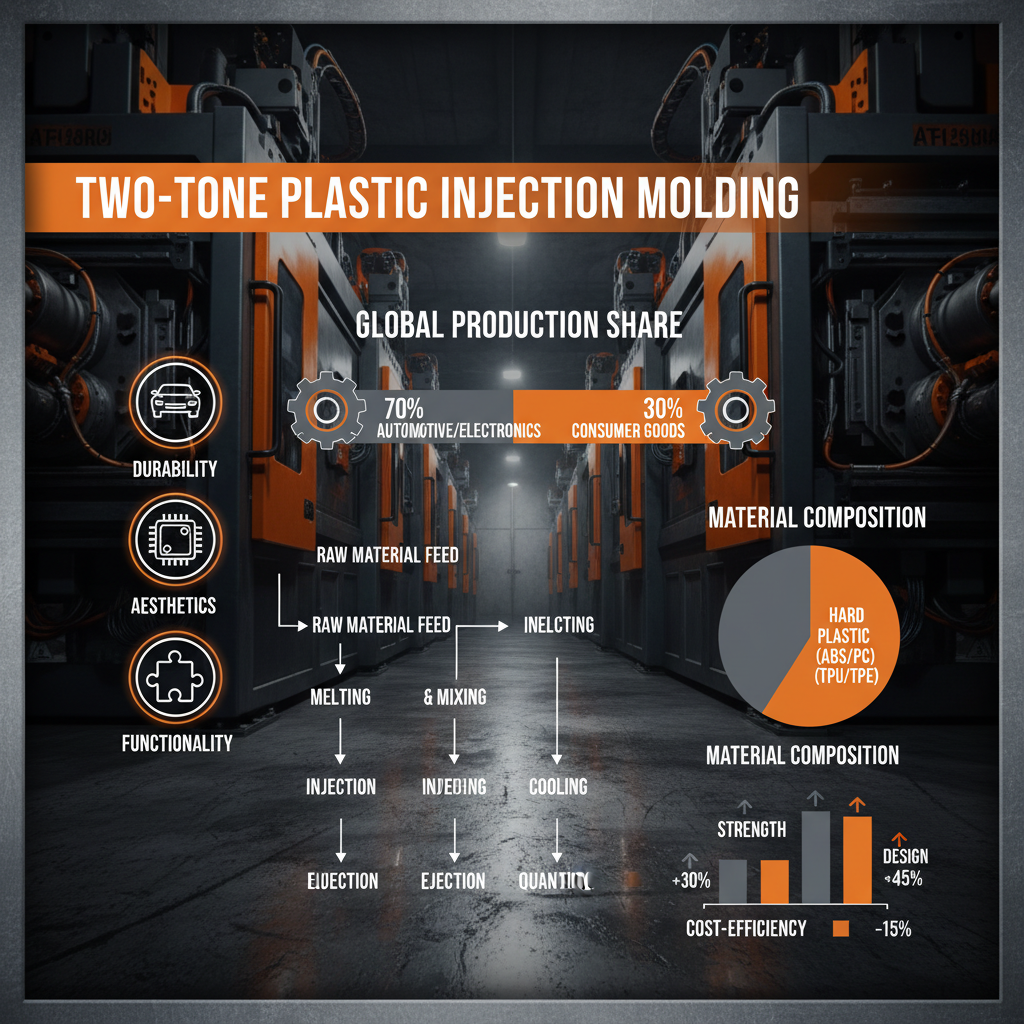
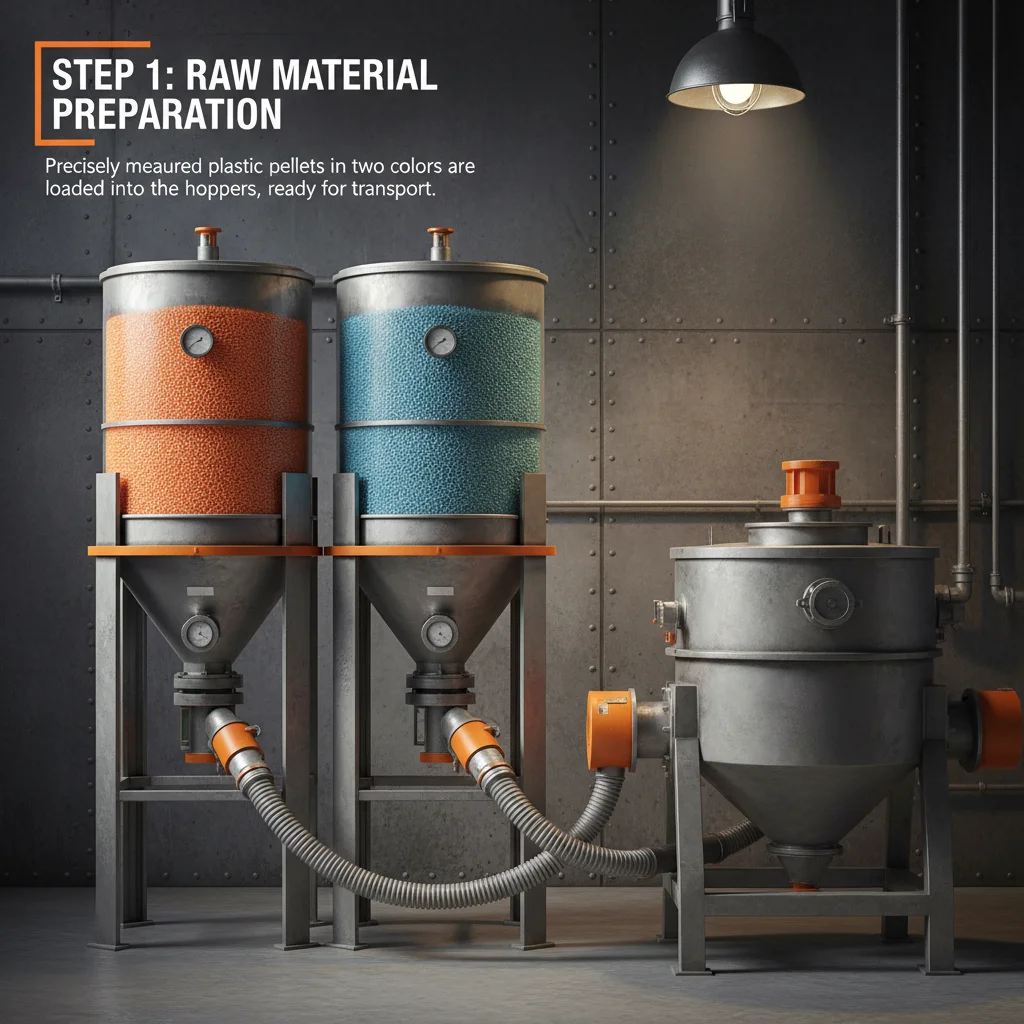
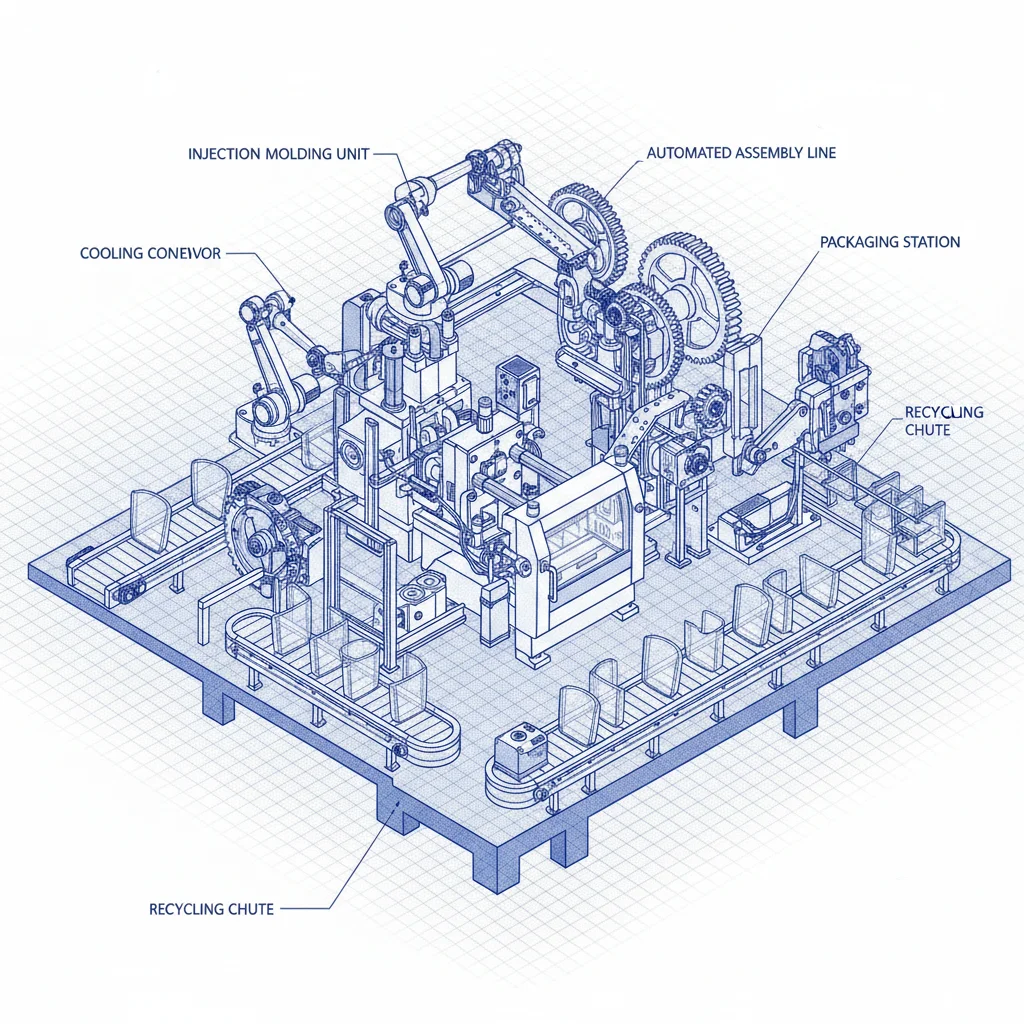
Two tone plastic molding is a sophisticated injection molding process that allows for the creation of parts with multiple colors or materials in a single operation. This technique streamlines production, reduces costs, and opens up exciting design possibilities. The process relies on specialized molds and precise control of the injection parameters to achieve seamless color transitions and robust bonding between the materials.
The growing demand for aesthetically pleasing and functionally diverse products has fueled the increasing popularity of two tone plastic. Its versatility makes it an ideal solution for a wide array of applications, from automotive interiors to consumer electronics.
FAQS
Two tone plastic offers a compelling alternative to traditional molding by eliminating secondary painting or assembly steps, resulting in significant cost savings and reduced lead times. Beyond economics, it allows for more intricate designs, enhanced aesthetic appeal, and the integration of different material properties within a single component, leading to improved product functionality and user experience. The seamless integration of colors or materials is a key advantage.
Polypropylene (PP) and Acrylonitrile Butadiene Styrene (ABS) are frequently used due to their cost-effectiveness, good flow properties, and compatibility. Polycarbonate (PC) is employed where higher impact resistance and temperature stability are required. Thermoplastic Elastomers (TPEs) are often combined with rigid plastics to provide soft-touch grips or seals. Material selection hinges on specific application needs and desired properties.
The lead time for a two tone plastic mold can vary depending on its complexity, size, and the tooling manufacturer's workload. Generally, it ranges from 4 to 8 weeks. Factors influencing lead time include the need for intricate gating systems, precise machining, and rigorous quality control procedures. Careful planning and collaboration with the toolmaker are essential to ensure timely delivery.
Common challenges include achieving strong adhesion between the two materials, maintaining dimensional accuracy, and preventing color contamination. Mitigation strategies involve careful material selection, optimized mold design, precise process control (temperature, pressure, injection speed), and thorough quality inspection. Employing experienced molders and adhering to best practices are crucial.
The automotive, consumer electronics, and medical device industries are experiencing the most significant growth. Automotive applications benefit from improved aesthetics and ergonomics. Consumer electronics leverage two tone plastic for stylish product housings and intuitive controls. The medical field utilizes color-coding and material combinations for functional and safety purposes. These sectors demand innovation and aesthetic appeal.
While the initial investment in a two tone mold is higher than a single-color mold, the long-term cost savings can be substantial. Two tone molding eliminates secondary painting, pad printing, or assembly processes, reducing labor costs and improving production efficiency. For high-volume applications, two tone plastic often proves to be the most cost-effective solution, despite the higher upfront tooling expense.
Conclusion
Two tone plastic represents a powerful and versatile manufacturing technique that is revolutionizing product design and production across numerous industries. By combining aesthetic appeal, functional advantages, and cost-effectiveness, it offers a compelling solution for companies seeking to innovate and gain a competitive edge. Understanding the intricacies of this process—from material selection and mold design to process control and quality assurance—is crucial for realizing its full potential.
Looking ahead, the continued development of sustainable materials, automation technologies, and advanced molding techniques will further enhance the capabilities of two tone plastic, solidifying its position as a key enabler of innovation in the years to come. To explore how two tone plastic molding can benefit your specific application, visit our website: www.ytlsrmold.com.
-
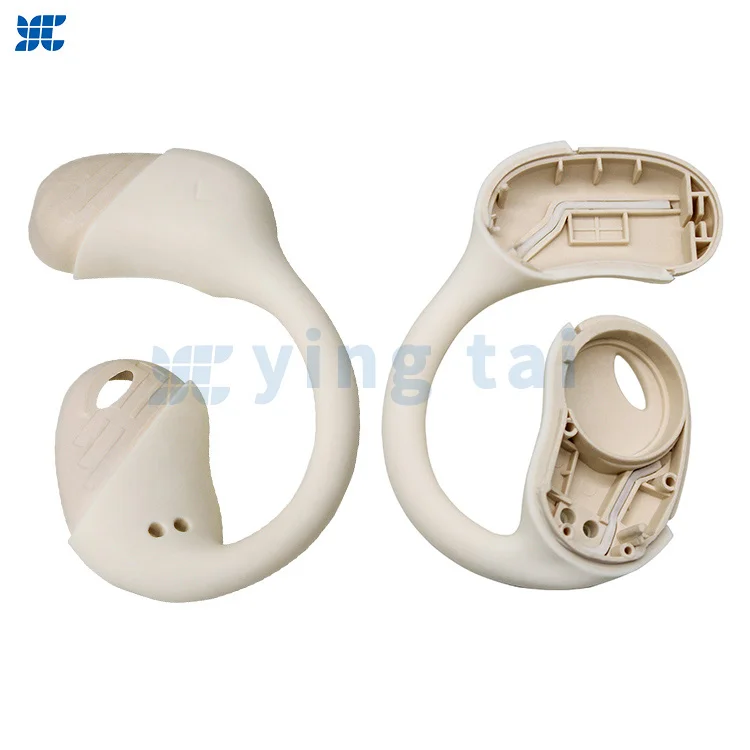
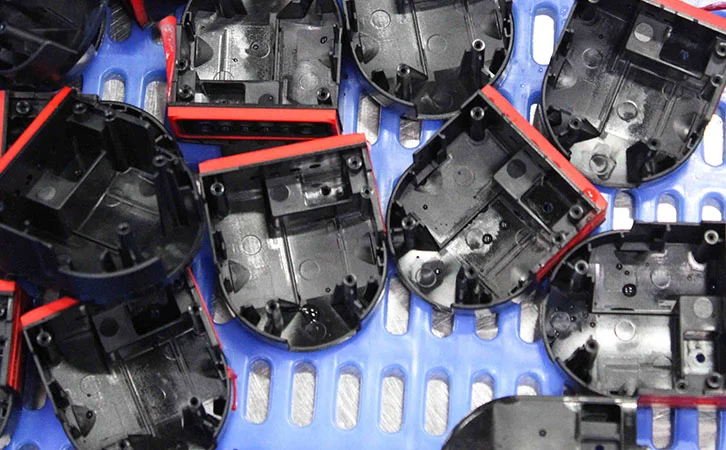
Yingtai factory first produces headphone frames in the injection molding workshop, and then applies film coating in the liquid silicone workshop to achieve sealing and waterproofing effects.
-
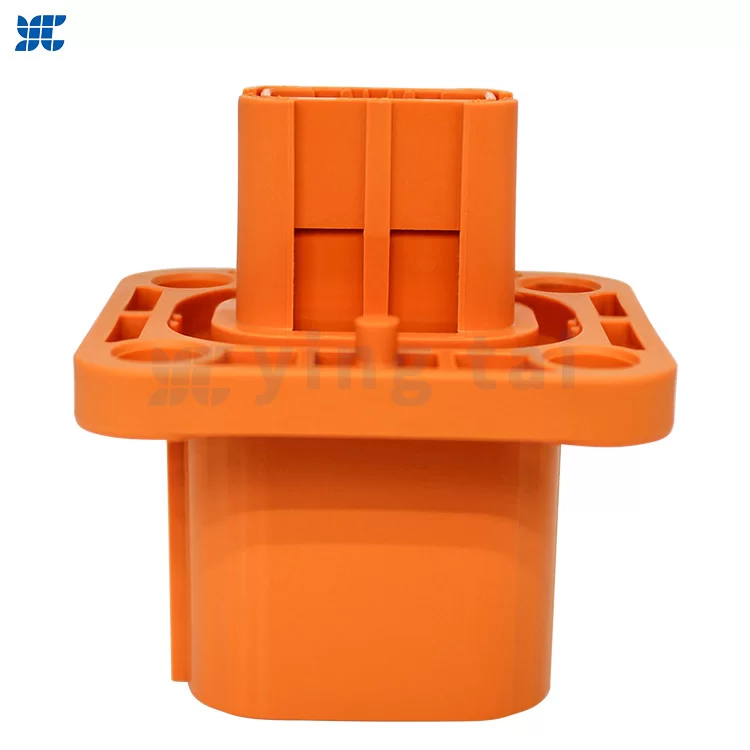
Precision injection molding of plastic connectors for new energy vehicles, reliable and durable, with insulation and leakage prevention.
-
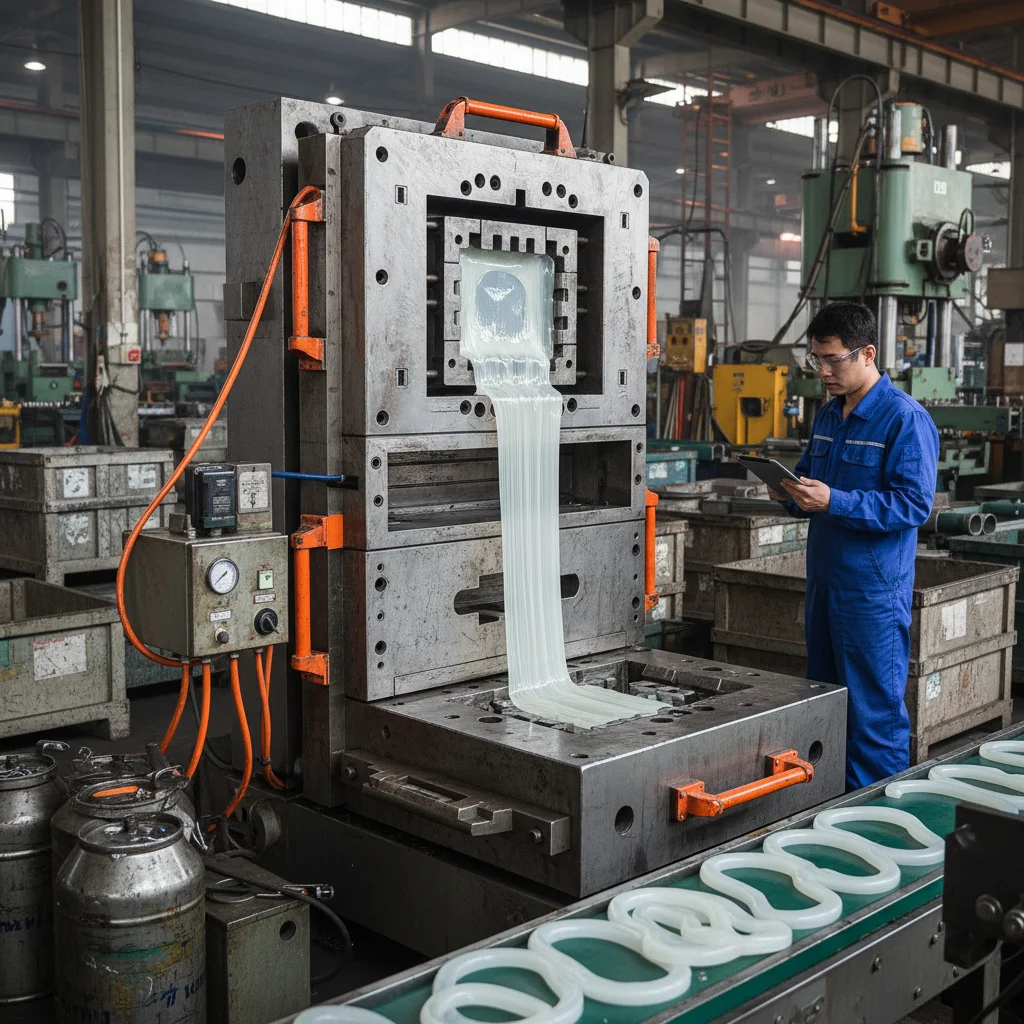
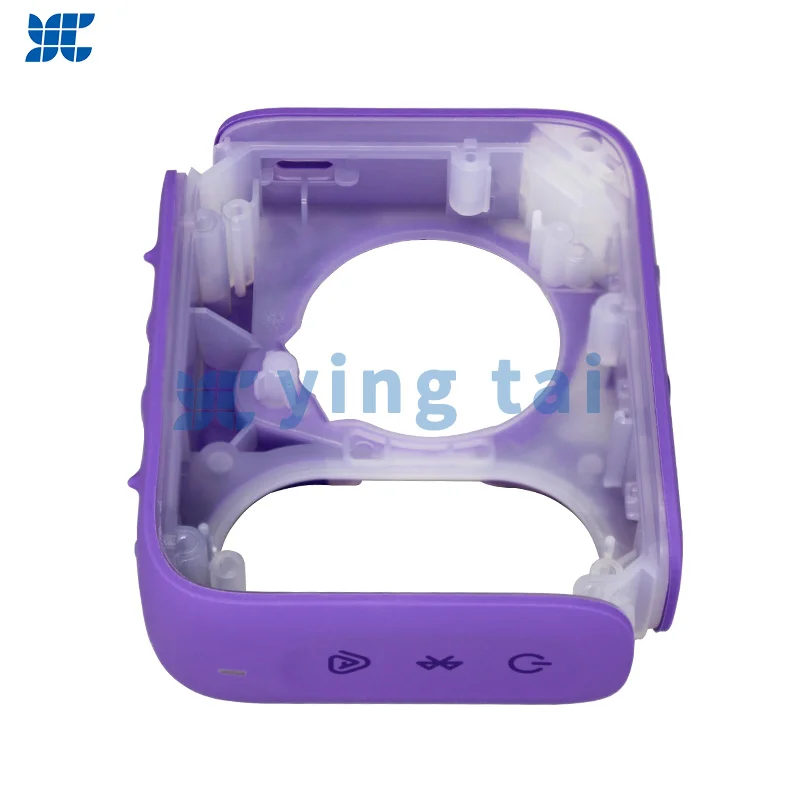 Leading China factory and suppliers of premium LSR Bluetooth speaker cases. Our liquid silicone wrapped plastic frames are dustproof, waterproof, anti-slip, and anti-drop for maximum durability.