Injection molded rubber parts are critical components in a vast array of industries, from automotive and aerospace to medical devices and consumer products. The ability to precisely shape rubber compounds into complex geometries through this process has revolutionized manufacturing, enabling greater design freedom, improved performance, and cost-effective production. Understanding the nuances of injection molded rubber parts is essential for engineers, designers, and procurement professionals seeking optimal solutions for their applications. Injection molded rubber parts company specializes in delivering high-quality, custom-engineered rubber components to meet diverse industry needs.
Globally, the demand for these parts is driven by factors such as increasing automation, the rise of electric vehicles, and the growing need for reliable sealing and vibration dampening solutions. According to a report by Grand View Research, the global rubber molding market size was valued at USD 83.31 billion in 2022 and is expected to grow at a compound annual growth rate (CAGR) of 5.8% from 2023 to 2030. This growth underscores the continued importance and expanding applications of injection molded rubber parts.
The core benefit of understanding injection molded rubber parts lies in maximizing the efficiency, reliability, and lifespan of products. A well-designed and manufactured rubber component can significantly enhance performance, reduce maintenance costs, and improve overall product quality. Injection molded rubber parts company provides expertise in material selection, mold design, and manufacturing processes to ensure optimal performance.
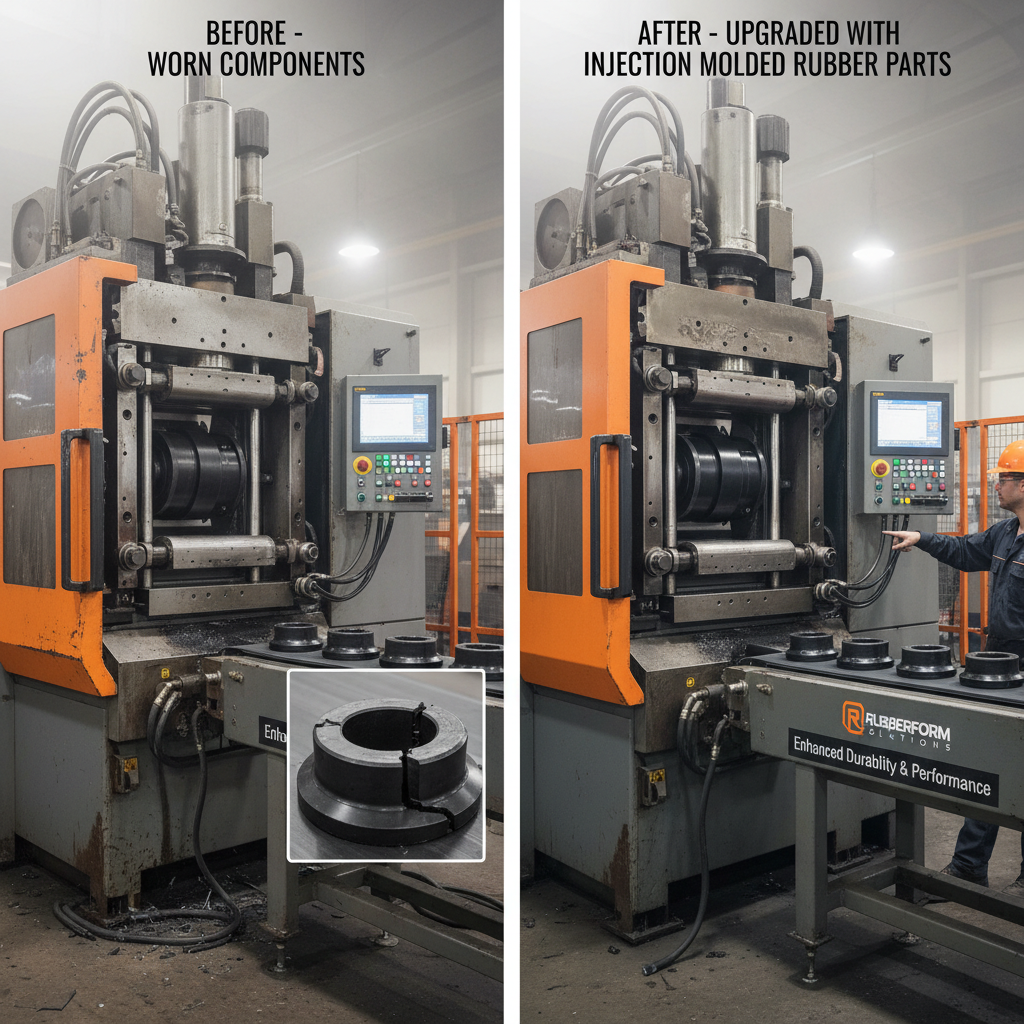
Introduction to Injection Molded Rubber Parts
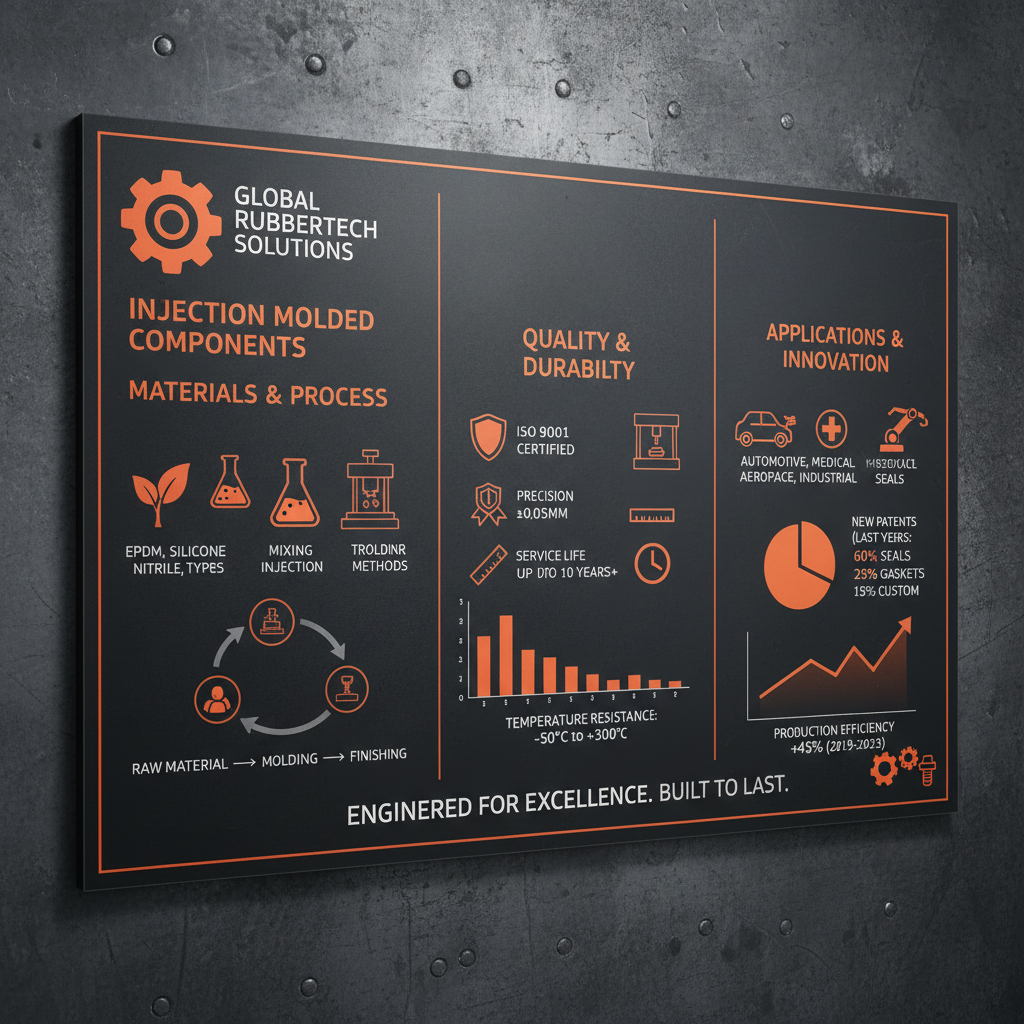
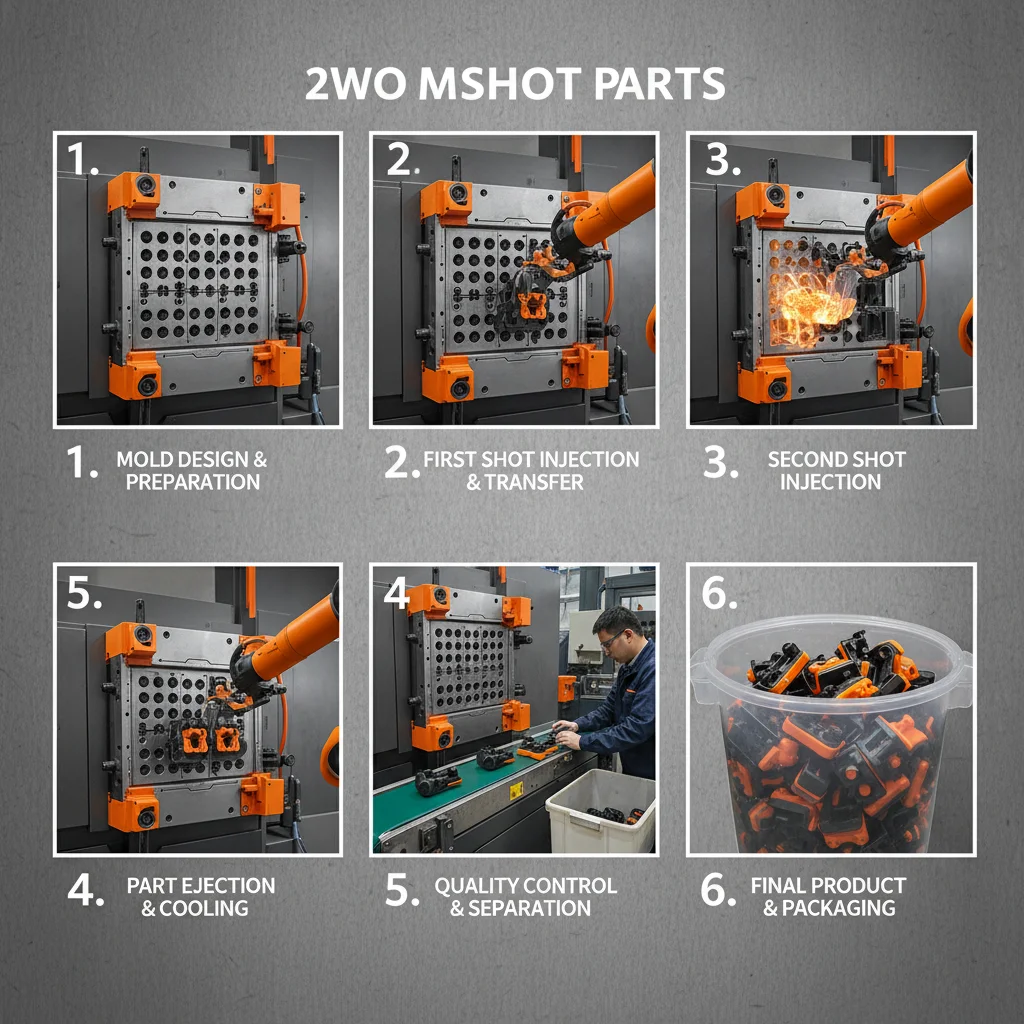
Injection molded rubber parts represent a cornerstone of modern manufacturing, offering a versatile solution for creating intricate components with exceptional precision. This process involves injecting molten rubber material into a closed mold, where it cools and solidifies into the desired shape. Injection molded rubber parts company leverages advanced molding techniques to produce parts meeting stringent quality standards.
The advantages of using injection molding for rubber parts are numerous, including high production rates, consistent quality, and the ability to create complex geometries that would be difficult or impossible to achieve with other manufacturing methods. This makes it the preferred choice for a wide range of applications where performance and reliability are paramount.
FAQS
Selecting the right rubber material is crucial. Factors include temperature resistance, chemical compatibility, elasticity, hardness (durometer), and intended application. Common choices include silicone, EPDM, nitrile, and neoprene. Consider the operating environment, required lifespan, and any specific regulatory requirements. Injection molded rubber parts company can provide material selection assistance based on your needs.
Lead times vary depending on the complexity of the part, mold design, and production volume. Generally, it takes 4-8 weeks for mold fabrication, followed by 2-4 weeks for initial production runs. Factors like material availability and required testing can also influence the timeline. Injection molded rubber parts company provides detailed project timelines upfront.
LSR injection molding offers several advantages, including excellent chemical resistance, high temperature stability, biocompatibility, and the ability to produce intricate geometries with tight tolerances. It is particularly well-suited for medical devices and food-grade applications. LSR also allows for overmolding onto other materials, creating integrated components.
Minimizing defects requires careful attention to mold design, injection parameters, and material selection. Proper venting is essential to remove trapped air. Optimizing injection speed, pressure, and temperature helps ensure complete filling of the mold cavity. Regular mold maintenance and cleaning also contribute to defect reduction.
Injection molded rubber parts company implements a comprehensive quality control system that includes incoming material inspection, in-process monitoring, and final product testing. We utilize statistical process control (SPC) techniques, dimensional measurements, and visual inspections to ensure adherence to strict quality standards.
Yes, we offer DFM analysis to identify potential manufacturing challenges early in the design process. This helps optimize part geometry, material selection, and mold design for efficient production and reduced costs. Our team collaborates with clients to ensure designs are manufacturable and meet performance requirements.
Conclusion
Injection molded rubber parts are indispensable components across a broad spectrum of industries, offering a unique combination of versatility, durability, and cost-effectiveness. Understanding the key factors influencing part quality, from material selection to mold design and process control, is essential for maximizing performance and reliability. As technology continues to evolve, innovations in materials, automation, and digital modeling will further enhance the capabilities and applications of injection molded rubber parts.
Looking ahead, the demand for these parts is expected to grow, driven by trends such as increasing automation, the rise of electric vehicles, and the growing emphasis on sustainability. Investing in advanced manufacturing technologies and skilled personnel will be crucial for companies seeking to remain competitive in this dynamic market. For expert solutions in injection molded rubber parts, visit our website: www.ytlsrmold.com.
-
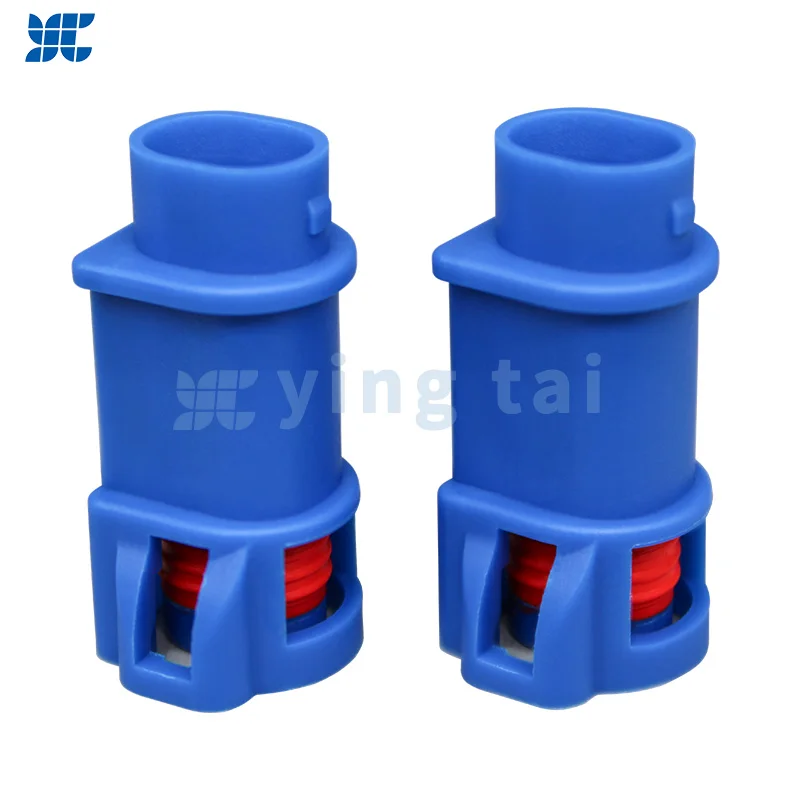
Liquid silicone wrap around plastic parts, embedded with high-strength plastic core, and covered with LSR liquid silicone. Double material integrated precision injection molding, combining rigidity and flexibility, balancing structural strength and skin friendly touch, sturdy and durable.
-
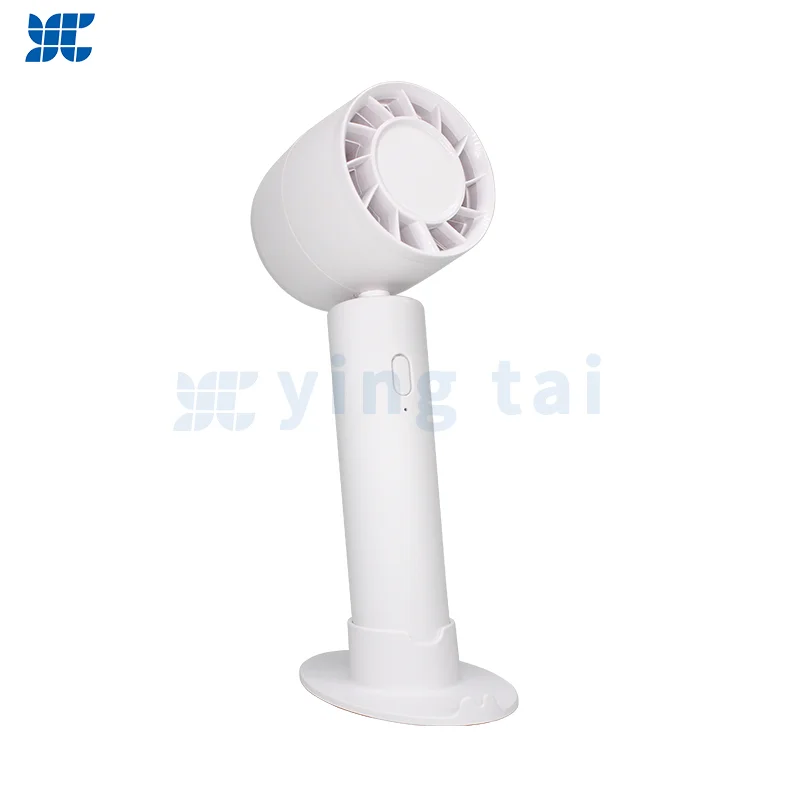
The desktop small fan can flexibly turn up, down, left, and right, adjust the wind speed in multiple gears, and charge via USB interface.
-
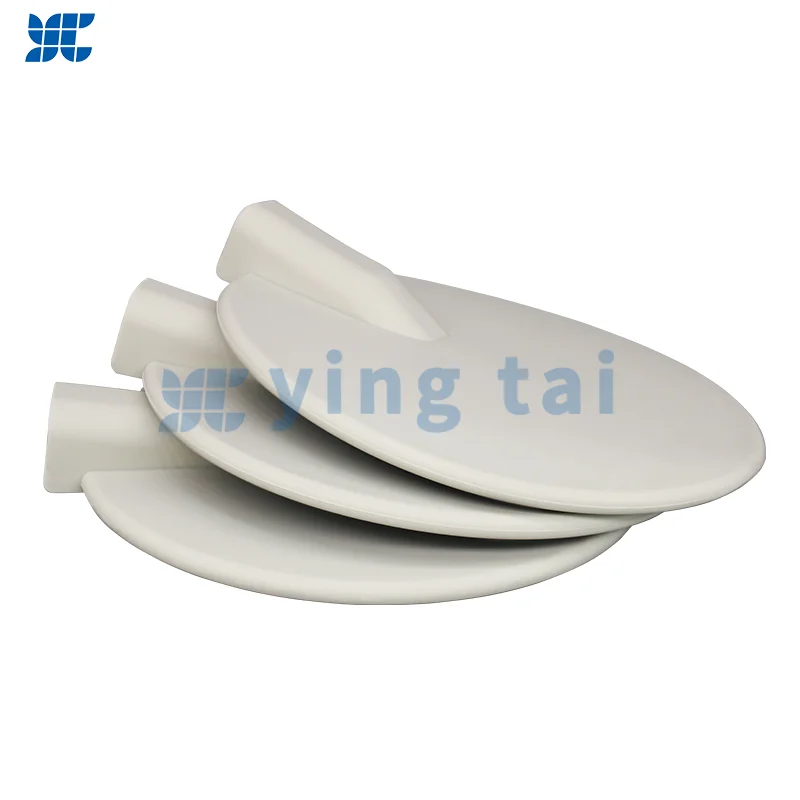 Looking for high-precision conductive liquid silicone accessories? Yingtai factory in China provides professional LSR processing and production. As leading suppliers of custom conductive silicone gaskets, our parts ensure superior EMI shielding and stable signal transmission.